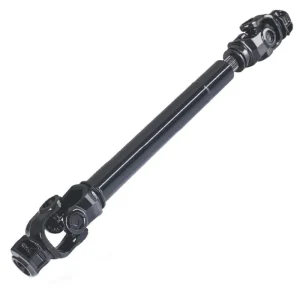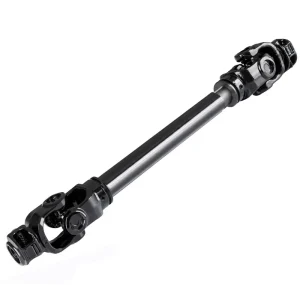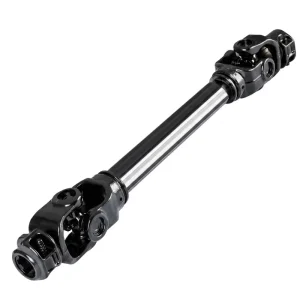
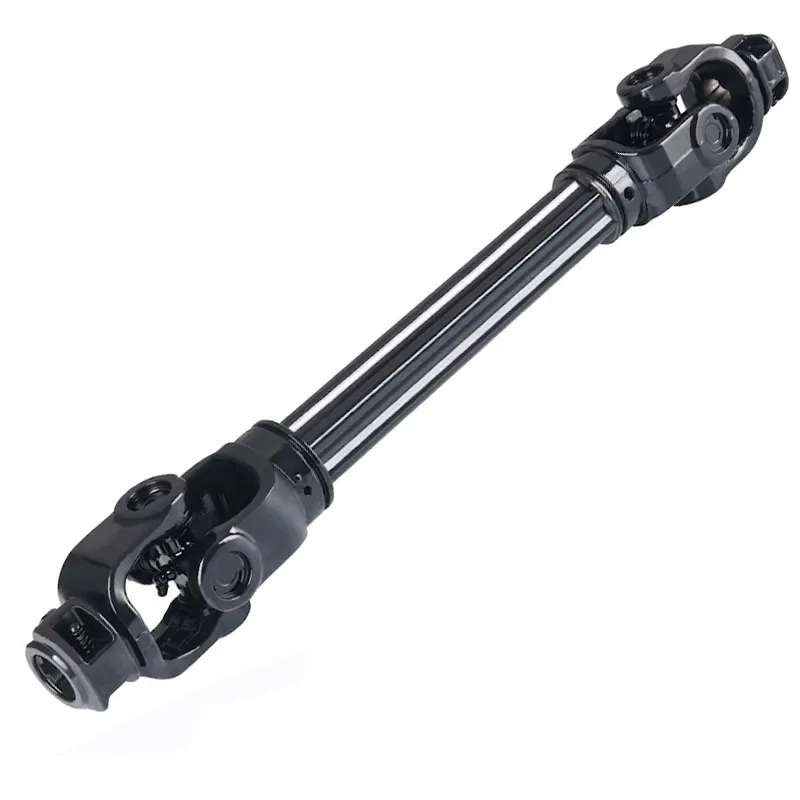
EP-S Series 710 to 2390 Nm PTO Driveshaft | PTO Shaft
The EP-S Series pto shaft range is specifically engineered for high-torque, high-cycle applications driven by 64 HP to 277 HP tractors and industrial prime movers — covering the power band where a standard-series shaft would be operating uncomfortably close to its structural limits. Eleven variants spanning S6 through S50 give operators and OEM specifiers a graduated selection between 830 Nm and 2390 Nm continuous operating torque at 540 rpm (710 Nm to 1958 Nm at 1000 rpm), with peak momentary torque capacity ranging from 1450 Nm to 4200 Nm.
This is the tractor pto shaft range for large square balers, heavy flail mulchers, wide-cut disc mowers, large-capacity rotary tillers, PTO-driven hydraulic pump systems, and the most demanding categories of construction pto driveshafts including trenchers, high-torque augers, and compactor drives.
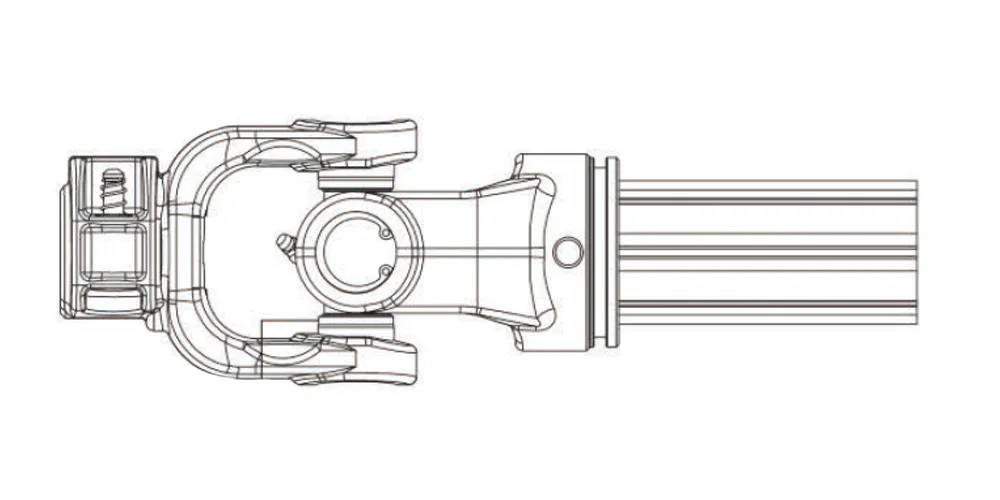
The S Series shares the same architectural DNA as the T Series — telescoping tube assembly, forged universal joint yokes, cross-and-bearing journal kits to DIN EN 15079, and an EN ISO 5674-compliant full-length safety guard — but with heavier tube walls, larger-section yokes, and higher-capacity cross kits throughout to match the elevated torque rating of each variant.
Heavy-Duty Agricultural & Industrial Transmission
EP-S Series PTO Shaft — 710 to 2390 Nm
Eleven heavy-duty variants spanning S6 through S50 — purpose-built for high-torque pto shaft applications in large-tractor agriculture, construction, and industrial equipment at 540 rpm and 1000 rpm PTO speeds.
1. Operating Torque Specifications — S Series Complete Range
The table below covers all eleven S Series pto shaft variants with full torque and power ratings at both standard PTO speeds. The MP (NM) column indicates the peak momentary torque capacity — the structural limit the shaft can survive during sudden load application without cross-kit or yoke failure. Always specify a variant whose continuous torque rating at your operating PTO speed exceeds your implement's maximum demand, and whose MP value covers foreseeable shock loading events such as blade-rock contact, baler flywheel engagement, and cold-start inertia loads.
| Series | 540 rpm — kW | 540 rpm — HP | 540 rpm — Nm | 1000 rpm — kW | 1000 rpm — HP | 1000 rpm — Nm | Peak Torque MP (Nm) |
|---|---|---|---|---|---|---|---|
| S6 | 47 | 64 | 830 | 74 | 100 | 710 | 1450 |
| S7 | 55 | 75 | 970 | 87 | 118 | 830 | 1800 |
| S8 | 70 | 95 | 1240 | 110 | 150 | 1050 | 2250 |
| S38 | 78 | 105 | 1380 | 123 | 166 | 1175 | 2500 |
| S32 | 39 | 53 | 695 | 61 | 83 | 580 | 1200 |
| S36 | 66 | 90 | 1175 | 102 | 139 | 975 | 2000 |
| S9 | 88 | 120 | 1560 | 140 | 190 | 1340 | 2800 |
| S10 | 106 | 145 | 1905 | 170 | 230 | 1650 | 3500 |
| S42 | 79 | 107 | 1400 | 122 | 166 | 1175 | 2500 |
| S48 | 133 | 180 | 2390 | 205 | 277 | 1958 | 4200 |
| S50 | 119 | 162 | 2095 | 182 | 248 | 1740 | 3700 |
2. Five Engineering Strengths That Set the S Series Apart
① Extended Torque Ceiling — Up to 4200 Nm Peak
The S48 tops the S Series at 133 kW / 180 HP at 540 rpm with a peak torque capacity of 4200 Nm — a specification that places this pto drive shaft firmly in the same territory as heavy forklift driveshafts and large industrial gear couplings. For operators whose implements generate extreme start-up inertia loads — large disc chisel ploughs, heavy mulcher rotors, and high-density baler flywheels — the S Series MP values provide the structural reserve that prevents cross-kit and yoke failure during engagement events.
② Eleven Variants for Precise Power Matching
Rather than offering three or four broad-band sizes, the S Series provides eleven incremental variants — S6, S7, S8, S38, S32, S36, S9, S10, S42, S48, S50 — covering power steps from 47 kW to 133 kW at 540 rpm. This granularity allows specifiers to match shaft torque rating closely to the implement's actual demand, avoiding the significant cost and weight penalty of systematically over-specifying. It also gives pto shaft replacements users the exact cross-reference without having to step up to a disproportionately larger unit.
③ Heavy-Wall Tube for Torsional Rigidity
The inner and outer telescoping tubes in S Series assemblies use thicker wall sections than standard-series tractor pto shaft products — a direct result of the higher torque ratings these variants carry. The increased wall thickness reduces torsional windup under high-load engagement, maintaining more consistent angular velocity transmission through the shaft length and reducing the vibration signature that operators notice as driveline harshness. This rigidity is particularly important in precision agricultural applications where output speed consistency affects implement performance quality.
④ Dual-Speed Rating Across the Full Range
Every S Series variant carries explicit torque ratings at both 540 tr./min and 1000 tr./min PTO speeds — a practical necessity given that large-tractor agricultural and construction pto shafts applications often span both speed standards depending on the implement and tractor combination. Operators switching between 540 rpm and 1000 rpm setups can confirm the shaft's continuous torque capacity at their actual operating speed rather than relying on a single-speed nominal rating that may not reflect real working conditions.
⑤ EN ISO 5674-Compliant Guard — Standard Equipment
Every S Series pto shaft assembly ships with a full-length plastic guard covering the rotating tube body and both universal joint yokes. The guard meets the mandatory requirements of EN ISO 5674:2004, the international standard governing PTO shaft protective devices, and satisfies the CE-marking equipment requirements under EU Machinery Directive 2006/42/EC. In markets including the UK, Australia, and North America, this means the assembly arrives compliance-ready for use in commercial agricultural and construction operations without requiring additional aftermarket guarding investment.
3. How the S Series PTO Shaft Transmits High-Torque Power
The EP-S Series operates on the same fundamental mechanical principles as all telescoping pto shaft assemblies — but with component proportions sized for the substantially higher torque demands these variants must handle. Tractor PTO output enters through the input yoke at one end of the shaft at either 540 rpm or 1000 rpm, depending on the tractor's selected PTO speed. The torque is transmitted through the first universal joint cross-and-bearing kit into the outer telescoping tube, through the inner-outer tube spline engagement, through the second cross-and-bearing kit at the implement end, and finally into the implement input shaft flange or gearbox stub. The two universal joints — each a pto shaft u joint cross kit with needle roller bearing cups — allow the shaft to operate at angles of up to 25 degrees from the straight line between tractor and implement PTO axes, accommodating the full geometry envelope of three-point-hitch linkage movement, headland turns, and terrain-following ground engagement without binding or speed variation at operating angles within the joint's design range.
What makes the S Series distinct at the component level is the increased cross-journal diameter and yoke section area compared to equivalent-length T Series units. A larger cross journal diameter means a larger bearing cup contact area per needle, which directly increases the load rating per cross kit — the factor that determines both the continuous torque capacity and the MP peak torque value in the specification table. For heavy-load applications like large square baler flywheels, high-capacity rotary tiller gearbox inputs, and construction pto driveshafts driving trencher or auger systems, this elevated cross-kit capacity is what separates a serviceable shaft from one that fails at first full-load engagement. The telescoping tube engagement length is engineered to maintain adequate overlap — typically a minimum of one-third of the inner tube length — across the full working range of the implement hitch geometry, preventing both full extension separation and tube-end interference at minimum hitch height.
4. Material Specifications & Manufacturing Standards
The high torque ratings of the S Series demand material and process quality that goes beyond what is acceptable in lighter-duty driveshaft applications. Every structural element — tubes, yokes, cross journals, and bearing cups — is specified to a material grade and heat treatment process matched to the torque and fatigue life demands of that component's position in the assembly.
The telescoping tubes are drawn from seamless cold-formed alloy steel in the appropriate wall thickness for each variant. Cold drawing produces tube wall consistency and surface finish that welded tube alternatives cannot match — both critical for the spline tooth accuracy and sliding smoothness that determines how the inner and outer tubes track each other under load. Spline profiles conform to DIN 9611 or ASABE S500 dimensional standards, ensuring cross-manufacturer compatibility with standard tractor PTO stub shafts across the brands operating in North America, Europe, and Australia. Universal joint yokes are drop-forged from 42CrMo4 or equivalent medium-alloy steel — a grade selected for its combination of tensile strength, toughness, and fatigue resistance under the cyclic bending-and-torsion loading that yokes experience in service. Cross journals are ground to the dimensional accuracy required for consistent needle bearing contact, then case-hardened to HRC 58–62 to resist surface fatigue from the rolling-contact loads imposed by the needle bearing cups during rotation. The plastic guard is injection-moulded from UV-stabilised high-density polyethylene (HDPE), resistant to fertiliser spray, pesticide contact, and the repeated mechanical impacts from crop debris that a full-season field programme generates. Guard retention clips and chain tethers are stainless steel, resisting the corrosion that would otherwise cause them to seize or fracture in wet operating environments.
5. Primary Application Categories for the S Series
The S Series occupies the high-torque segment of the pto shafts for farm equipment and construction market. Below are the primary application categories where S Series variants are most commonly specified and where their elevated peak torque capacity makes a practical operational difference.
Large Square Balers — North America & Europe
The flywheel of a large square baler represents one of the most demanding tractor pto shaft applications in production agriculture — start-up inertia loads routinely exceed four to five times the running torque, creating the extreme MP events the S Series is designed to survive. S7 through S9 variants are the standard specification range for large square balers operated by 75–120 HP tractors in North American cereal production and European arable farming.
Heavy Flail Mulchers — European & Australian Markets
High-mass flail mulcher rotors — particularly those used in roadside vegetation management contracts in France, Germany, and the UK, and in scrub clearing across Queensland and Western Australia — demand pto drive shafts that can absorb the combined inertia and obstacle-impact loading of a high-mass rotor without cross-kit failure. S8, S36, and S38 variants are the common specification in the 70–78 kW range for this equipment class.
Construction Ground Engagement — Trenchers & Augers
S9, S10, S48, and S50 cover the 88–133 kW range where construction pto shafts for large auger drives, deep trenchers, and soil stabilisation mixers operate. These applications combine high continuous torque with severe shock loading at the moment the cutting head enters compacted soil or stone — the same MP value requirement that defines the upper end of the S Series specification ladder.
Wide-Cut Rotary Tillers — South America & Asia
Large-format rotary tillers used in sugarcane ratoon cultivation in Brazil, soybean seedbed preparation in Argentina, and paddy field management across Southeast Asia routinely operate at 60–90 kW PTO input. The S36 and S8 variants — 1175 Nm and 1240 Nm continuous at 540 rpm respectively — cover the middle range of this application, and the telescoping pto shaft design accommodates the working geometry variation these tractors experience across uneven paddy and field terrain.
Industrial PTO-Driven Pump & Generator Sets
High-capacity PTO-driven hydraulic power units, concrete mixer drums, and generator sets used in remote infrastructure projects across Africa, the Middle East, and Central Asia specify S Series units in the S42 to S50 range for their combination of high continuous torque capacity and dual-speed rating. These applications typically run at sustained high load for extended periods, making the continuous Nm rating — rather than just the MP peak value — the governing selection criterion.
6. Global Safety Standards & Compliance Framework
Because pto shaft assemblies rotate at high speed in close proximity to operators, they are subject to mandatory safety and guarding requirements in every major agricultural and construction market. Sourcing an S Series unit ensures your driveshaft arrives with an EN ISO 5674-compliant guard as standard, but operators and importers should be aware of the full compliance framework in their region.
🇪🇺 EU — Machinery Directive 2006/42/EC & EN ISO 5674
All PTO-driven machinery placed on the EU market requires CE marking under Machinery Directive 2006/42/EC. PTO shaft protective guards must conform to EN ISO 5674:2004, specifying guard dimensions, retention, and performance under the range of operating conditions experienced in field use. The S Series guard system is designed to meet these requirements out of the box, supporting CE compliance for OEM equipment manufacturers integrating this pto shaft into new machinery.
🇬🇧 UK — PUWER 1998 & UKCA Marking
Commercial agricultural and construction operators in the United Kingdom must comply with the Provision and Use of Work Equipment Regulations 1998 (PUWER), which mandates that all PTO-driven equipment is properly guarded and maintained in a safe condition. The UKCA scheme now governs new machinery placed on the UK market post-Brexit, with technical requirements for PTO shaft guards aligned with the previous EN ISO 5674 framework. Annual guard inspection and replacement of worn or cracked guard sections is a standard PUWER compliance expectation for commercial operators.
🇺🇸 USA — OSHA 29 CFR 1928 & ASABE Standards
In the United States, OSHA 29 CFR Part 1928 governs agricultural machinery safety including PTO shaft guarding requirements on commercial farm operations. ASABE standards ASAE S203.13 (PTO shafts) and ASAE S207 (safety for agricultural equipment) define the engineering and dimensional requirements for pto shaft parts and guards in North American commercial use. Construction equipment operators using construction pto driveshafts on commercial job sites are also subject to OSHA 29 CFR Part 1926 general construction industry safety standards.
🇦🇺 Australia & New Zealand — AS 4024 & WHS Acts
Australia's AS 4024 machinery safety series and the relevant state WHS (Work Health and Safety) Acts in New South Wales, Queensland, Victoria, South Australia, and Western Australia govern PTO shaft guarding and maintenance requirements on commercial farm and construction operations. New Zealand's Health and Safety at Work Act 2015 (HSWA) and WorkSafe NZ guidance documents set equivalent obligations for PTO-driven equipment operators in commercial use contexts.
🌍 Brazil, South Africa & Middle East — ISO 4254 Framework
Brazil (ABNT NBR series), South Africa (SANS), and agricultural equipment importers across the Middle East and North Africa are increasingly required to demonstrate alignment with ISO 4254 agricultural machinery safety standards and ISO 11684 safety sign requirements. For S Series users in these markets, maintaining the full guard assembly in serviceable condition and retaining product documentation including the EN ISO 5674 conformance reference satisfies the technical evidence requirements most commonly requested in import clearance and in-market compliance audit processes.
7. Complete the Drivetrain — Compatible System Components
A pto shaft transmits power between two points in the drivetrain, but the quality of the connection at each end — the implement gearbox and the universal joint cross kit — determines whether the system as a whole delivers reliable service. Sourcing all three from a single manufacturer simplifies specification, warranty management, and spare part ordering.
Agricultural Gearboxes
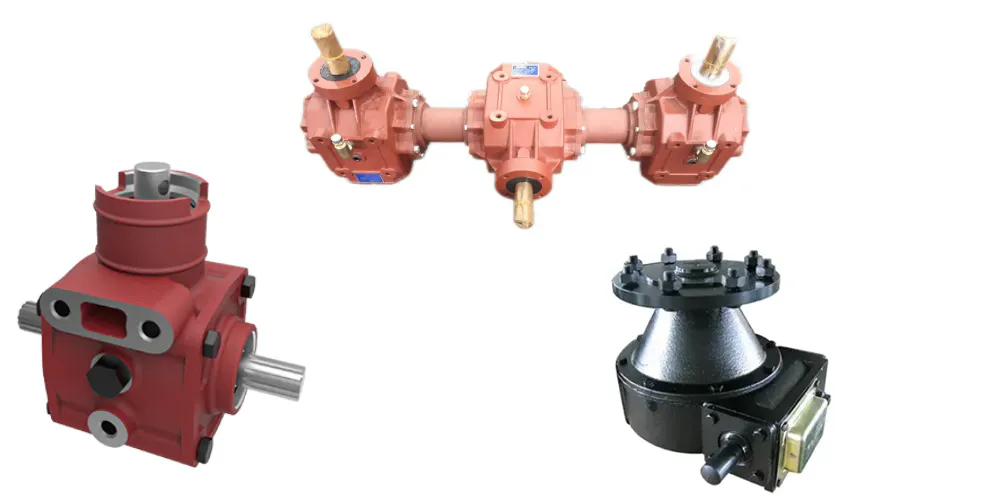
Our Agricultural Gearbox range spans right-angle bevel units, worm reducers, and planetary drives — all rated for the same 540 rpm and 1000 rpm tractor pto drive shaft input that the S Series delivers. Specifying the gearbox and driveshaft from the same production facility ensures their torque ratings are cross-referenced at the design stage, eliminating the risk of a gearbox input shaft that is structurally weaker than the driveshaft that feeds it.
Universal Joint Cross Kits
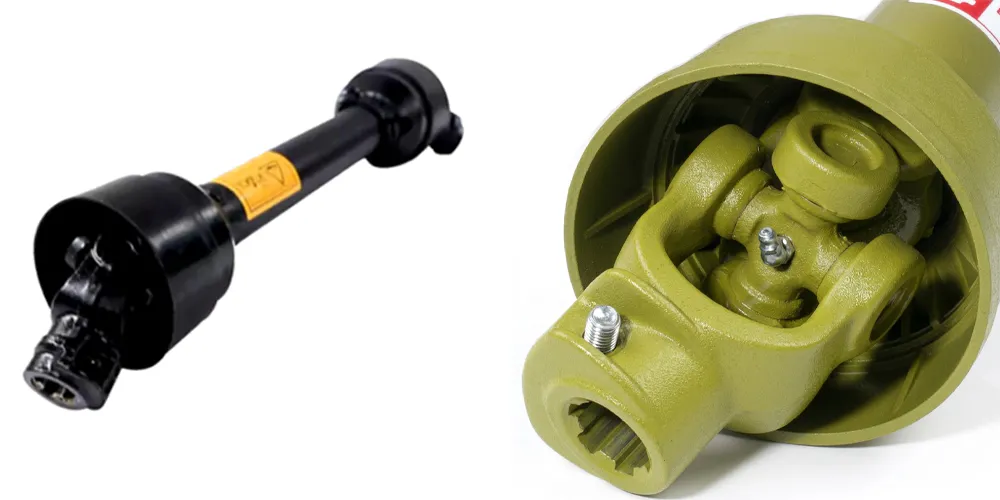
The universal joint cross-and-bearing kits used in S Series assemblies are available separately as service replacement parts. Cross kits are the highest-wear component in any pto driveline shaft — they experience combined radial and axial load cycling at every revolution and are the first component to show wear in a high-utilisation driveshaft. Stocking the correct dimensional cross kit for your S Series variant means scheduled replacement can be done in the field during routine maintenance rather than waiting for an unplanned failure during a critical operational period.
8. Manufacturing Expertise Behind the S Series
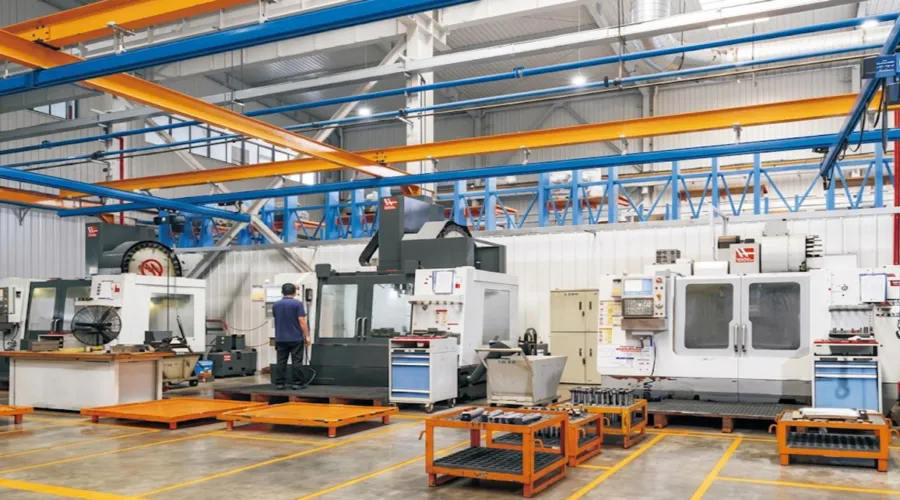
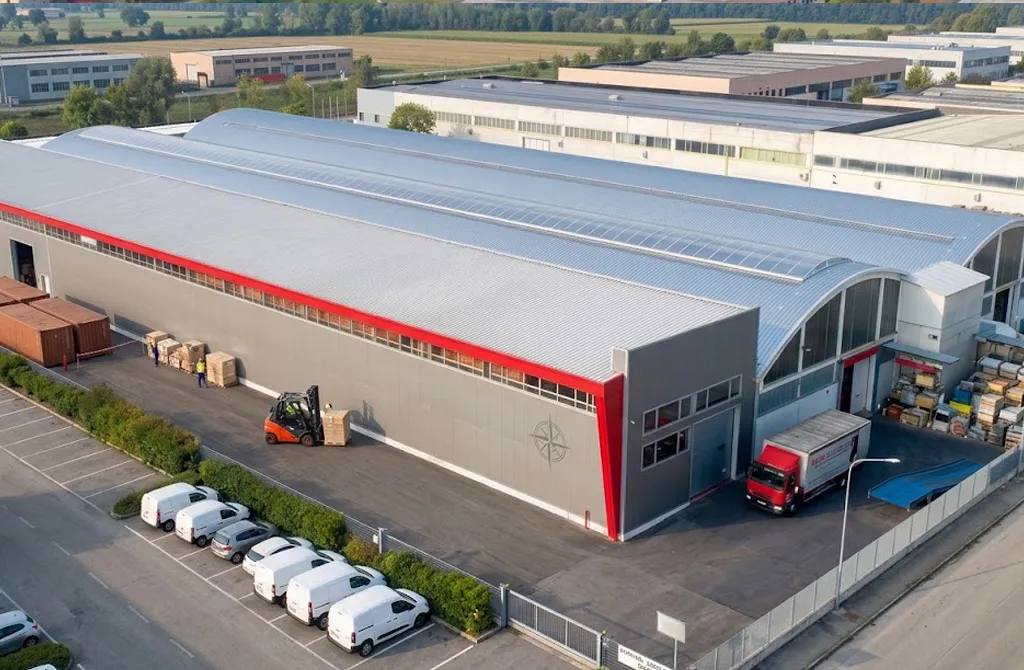
Our production team has accumulated more than ten years of focused experience in the design, testing, and volume manufacture of agricultural and industrial power transmission components. The product portfolio covers pto shaft assemblies across all torque ranges, agricultural gearboxes, worm gear reducers, planetary drive units, hydraulic cylinders, roller chain drives, sprocket sets, and electric motors — the complete mechanical content of a professional agricultural or construction drivetrain, produced and quality-controlled under a single ISO 9001:2015 certified management system.
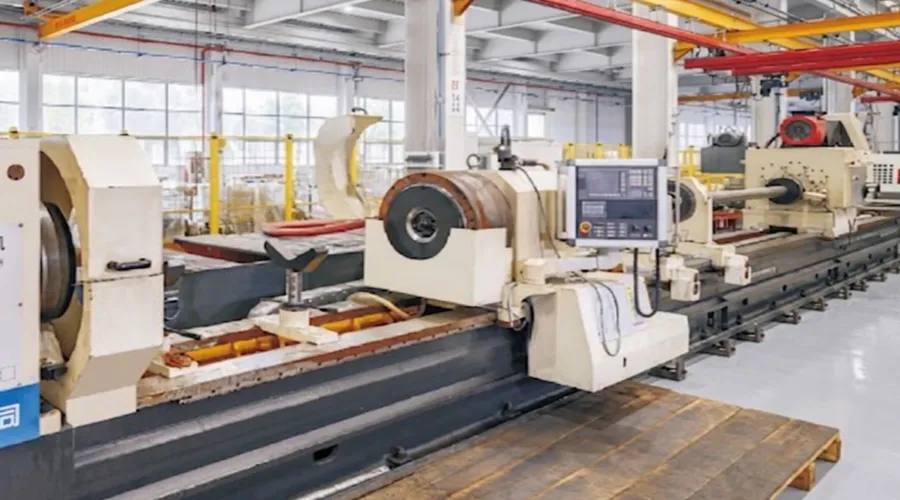
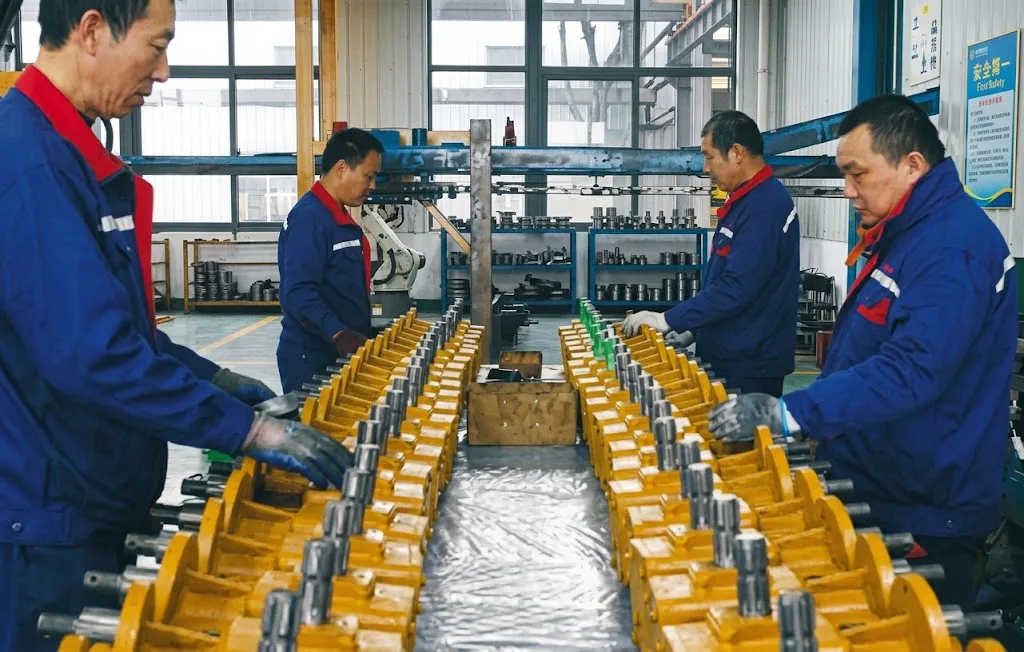
Manufacturing capabilities include CNC turning and milling for yoke, tube, and cross-journal machining; gear and spline hobbing to DIN and ASABE dimensional standards; heat treatment operations covering gas carburising, induction hardening, quench-and-temper, and normalising; injection moulding for UV-stabilised HDPE guard components; and full assembly with torque verification and dimensional inspection before packaging. Materials in regular production include 42CrMo4 and 20CrMnTi alloy steels for structural driveshaft components, seamless cold-drawn steel tube in multiple wall thicknesses and profiles, ductile iron and grey cast iron for gearbox housings, and precision investment cast steel for complex small-series components. Custom pto driveshaft configurations — including non-standard lengths, alternative yoke interface patterns, and application-specific clutch options — are available on request for OEM and volume accounts across all S Series variants.
WorkShop
Frequently Asked Questions
Q1. What is the right S Series PTO shaft variant to choose for a 120 HP large square baler running at 540 rpm in North American cereal production?
For a large square baler driven by a 120 HP tractor at 540 rpm in North American production, the S9 is the standard specification — rated at 88 kW (120 HP) continuous at 540 rpm with 1560 Nm continuous torque and a 2800 Nm MP peak torque capacity. This MP value is critical for large square balers because flywheel engagement torque during cold starts and after plunger blockages routinely reaches three to four times the running torque. S8 at 70 kW would be undersized for consistent 120 HP operation; the S9 provides the appropriate continuous and peak torque margin for this duty.
Q2. How do I correctly size a PTO shaft for a heavy flail mulcher used in roadside vegetation contracts across European municipal operations?
To size a pto shaft for a heavy flail mulcher in European municipal roadside cutting, you need three inputs: (1) the tractor's maximum PTO output power at the selected speed (kW); (2) the mulcher manufacturer's stated input power requirement and whether it specifies 540 or 1000 rpm; and (3) the MP (peak torque) demand at engagement, which for heavy mulchers with large-mass rotors can be two to three times the continuous power demand. For a 90 kW mulcher at 540 rpm, the S36 at 1175 Nm continuous / 2000 Nm MP is typically the correct specification. Always confirm minimum MP rating with the implement manufacturer before ordering a replacement pto shaft for commercial mulching use.
Q3. Which S Series PTO shaft variant handles construction trencher and auger drives on commercial job sites in Australia and New Zealand?
For large PTO-driven trenchers and auger drives used on commercial civil construction and utility installation projects in Australia and New Zealand, the S9, S10, S42, and S50 variants cover the 88–119 kW continuous range with MP values from 2800 Nm to 3700 Nm. The S10 at 106 kW / 3500 Nm MP is the most commonly specified variant for mid-size trenchers driven by 130–150 HP tractors. In Australia, also verify that the selected shaft's guard assembly meets the AS 4024 machinery guarding requirements applicable to commercial construction equipment, and retain the product documentation for any WHS compliance audit requirements in your state.
Q4. How do I shorten a PTO shaft safely when fitting an S Series unit to a tractor-implement combination with a shorter-than-standard working length in the UK?
To shorten a pto shaft, first measure the required compressed length with the implement at its lowest working or transport hitch position — this is the dimension to cut to, less the minimum overlap allowance (one-third of the inner tube length). Mark both tubes at the cut point, disassemble the shaft by sliding the tubes apart, and cut each tube squarely with a hacksaw or angle grinder cutting disc. De-burr the cut ends thoroughly — any burring or roughness on the cut spline edge will cause the tubes to jam during telescoping and can score the internal profile. Reassemble and verify tube overlap before use. If you are not confident performing this operation, contact a qualified agricultural engineering service or our technical team for guidance rather than cutting incorrectly and creating an unsafe tractor pto driveshaft.
Q5. What are the different types of PTO shafts in the S Series and when would a South American sugarcane or soybean operator choose the S48 over the S50?
The S48 and S50 are both high-torque variants at the top of the S Series, but they serve slightly different operating profiles. The S48 carries the highest continuous torque rating in the series at 2390 Nm (540 rpm) with a 4200 Nm MP, making it the specification for applications where peak torque absorption is the primary concern — heavy flail rotors, large disc chisel combinations, and high-inertia implements. The S50 at 2095 Nm continuous and 3700 Nm MP has a somewhat lower peak capacity but is designed for sustained high-load continuous running at 119 kW / 162 HP at 540 rpm. For South American sugarcane cultivation where rotary tillers run continuously at high load across large field areas, the S50 continuous torque rating may better match the application than the S48's higher peak capacity.
Q6. Where can I find custom PTO shaft assemblies based on the S Series specifications for OEM agricultural equipment manufacturing in Europe or North America?
We produce custom pto driveshaft assemblies based on S Series cross-journal and yoke specifications, including non-standard shaft lengths, alternative input yoke patterns for non-standard tractor PTO stubs, implement-end flanges for direct-mount gearbox connections, and friction clutch, overrunning clutch, or shear bolt overload protection options. For European OEM manufacturers, we can supply with CE declaration of conformity and EN ISO 5674 guard certification documentation.
Editor: PXY