
SQUARE BALER DRIVELINE SELECTION GUIDE
Choosing a Square Baler PTO Shaft is not simply a matter of finding a shaft that connects to both ends. Large and medium square balers place repeated torsional loads on the driveline while the tractor and implement move relative to each other, so the correct series, PTO speed, spline interface, compressed length, working extension, joint arrangement, and overload protection all matter. A shaft that is too light for the baler can accumulate fatigue in the yokes, cross kits, or telescoping profiles. A shaft that is too long can bottom out during a turn or when the tractor and baler move closer together. A shaft that is too short may lose safe profile engagement at maximum extension. The practical way to select a Square Baler PTO Shaft is to identify the machine and tractor interfaces first, then measure the actual working geometry, and only then match the Square Baler PTO Shaft series. This guide explains how to measure, how to compare series, what materials and structures are involved, and which installation details should be verified before a Square Baler PTO Shaft replacement is ordered for field use in North America, Europe, Australia, New Zealand, South America, or other agricultural markets.
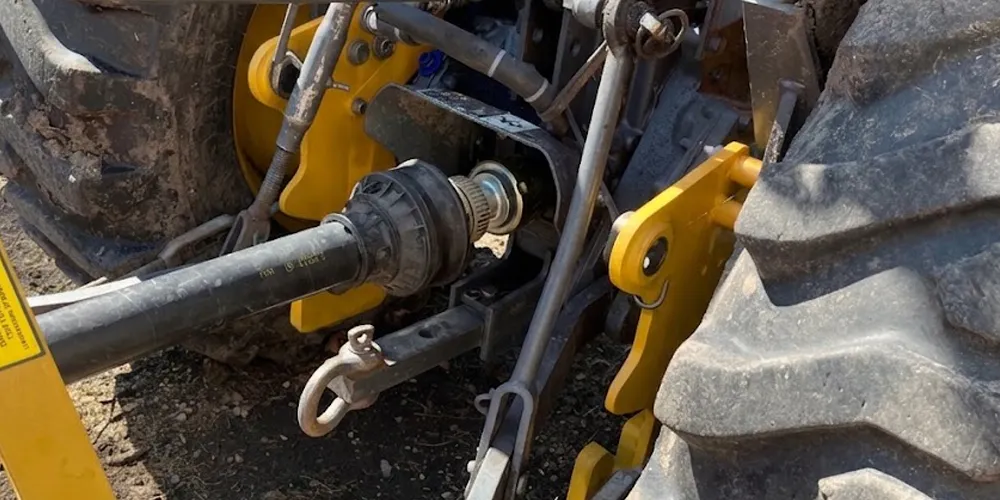
Manufacturing Structure of a Square Baler PTO Shaft
A Square Baler PTO Shaft combines several mechanical functions in one guarded assembly. The tractor-side yoke locks onto the PTO stub, a universal joint or constant-velocity joint accommodates angular movement, and telescoping inner and outer profiles allow the distance between tractor and baler to change during turns and terrain movement. At the implement end, another joint transfers power to the baler input, often through a clutch or other overload-protection device. Safety guards surround rotating members while retaining chains or guard bearings keep the cover from turning with the shaft. The series rating is reflected in bearing size, yoke section, tube profile, wall thickness, and joint design. Heavy square balers can also use a tractor-side CV assembly because hitch articulation is concentrated near the drawbar during headland turns. A Square Baler PTO Shaft must therefore be selected as a complete geometry rather than as an isolated tube. A larger Square Baler PTO Shaft series does not automatically correct an incorrect working length, and a correct length does not make an undersized series suitable. Series, connection, joint type, profile overlap, clutch arrangement, and guard clearance should all match the intended duty before the Square Baler PTO Shaft is installed.
Material System and Why Series Size Matters
The material system in a Square Baler PTO Shaft is built around fatigue resistance, torsional strength, surface durability, and controlled sliding. Yokes are typically forged from alloy steel or comparable high-strength material because the ears around the cross bearings experience repeated torque reversals and bending. Cross journals and bearing races require hardened surfaces to resist rolling-contact wear. Telescoping profiles use strong steel sections with controlled dimensional fit so they can transfer torque while sliding as hitch geometry changes. The John Deere reference range describes forged alloy-steel yokes and cold-drawn seamless alloy-steel telescoping tubes for its CAT5 and CAT6 configurations, illustrating the relationship between series capacity and component section size. Guard tubes use durable polymer because their purpose is separation and protection rather than torque transmission. A Square Baler PTO Shaft that is undersized may not fail immediately; fatigue can appear as growing joint play, worn splines, fretting on profiles, heat, or cracking around heavily loaded transitions. Selecting the correct series therefore means matching the mechanical duty cycle as well as the connection dimensions. Material quality supports service life, but it cannot compensate for an incorrect Square Baler PTO Shaft series, poor lubrication, insufficient overlap, or repeated bottoming at minimum working length.
How to Measure PTO Shaft Length Correctly
Length should be measured in a repeatable way because different suppliers may describe a driveline by closed length, working length, half-shaft length, or a drawing-specific reference dimension. For a replacement Square Baler PTO Shaft, start by placing the existing driveline in its fully closed position and measuring from the outside of one end yoke to the outside of the opposite yoke when that is the specified measuring convention. For a tractor-baler combination without a reliable existing shaft, hitch the baler in the normal working position and identify the shortest and longest distances that occur between tractor PTO and implement input through straight travel, representative turns, and expected terrain movement. The new shaft must remain longer than its fully compressed state during operation so it does not bottom out, while its telescoping profiles must retain adequate engagement at maximum extension. Manufacturer instructions for the Square Baler PTO Shaft series should control the required overlap rather than a universal percentage rule. A Square Baler PTO Shaft may also include a CV housing or half-shaft whose published length is not the same as complete assembly length, so do not compare unlike measurements. Record exactly where each measurement was taken before selecting or shortening any Square Baler PTO Shaft.
| Selection Check | What to Record | Why It Matters |
|---|---|---|
| PTO speed | 540 or 1000 rpm | Changes shaft and yoke configuration |
| Tractor stub | Diameter and spline count | Determines tractor-side yoke |
| Closed length | Specified yoke-to-yoke reference | Prevents bottoming at shortest position |
| Maximum working extension | Longest operating geometry | Confirms safe profile overlap |
| Series and clutch | CAT rating and protection type | Matches torque duty and baler protection |
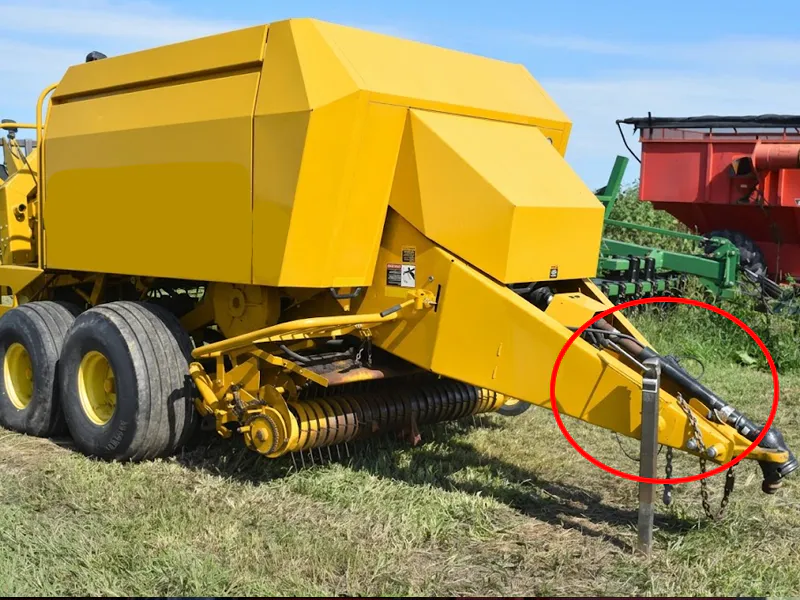
Closed Length, Working Length, and Profile Overlap Are Different
Three measurements are often confused when choosing a Square Baler PTO Shaft. Closed length describes the shortest physical driveline dimension under the supplier’s stated measuring convention. Working length is the actual distance between connection points while the tractor and baler operate. Profile overlap is the amount of engagement remaining between the telescoping members. All three need to be acceptable at the same time. If working length becomes too close to closed length, the shaft can bottom out when the tractor turns or passes through a dip, placing axial load into yokes, tractor PTO bearings, or the baler input. If the shaft extends too far, insufficient profile engagement reduces the contact area carrying torque and can increase wear or separation risk. A recognized PTO driveline instruction manual advises obtaining the greatest possible overlap at maximum operating length and also distinguishes minimum operating length from fully compressed length. That is why a Square Baler PTO Shaft should not be shortened by simply removing an estimated amount from the tubes. Compare the complete range of movement first, then follow the specific shaft-series cutting procedure if adjustment is actually required. Guards and profiles must also be shortened in the relationship specified by the driveline manufacturer, not independently.
How CV Joints, Hitch Geometry, and Length Work Together
Square balers are usually trailed implements, so the Square Baler PTO Shaft changes both angle and length as the tractor turns around the hitch point. A tractor-side constant-velocity joint can provide smoother power transfer at larger articulation angles, but its presence does not remove the need for correct length. If the shaft is too long, a tight turn can combine high joint angle with near-full compression. If it is too short, the same turn can pull the telescoping profiles toward insufficient engagement. Drawbar position also matters because moving the hitch pivot changes the path followed by the Square Baler PTO Shaft. Before installing a Square Baler PTO Shaft replacement, confirm that the tractor drawbar or hitch setting matches the baler requirement and that the CV joint is installed on the intended side. Check guard clearance from tires, drawbar parts, hydraulic hoses, and baler structure at representative steering angles with the PTO disengaged and the machine safely secured. Length measurement should represent the complete operating envelope rather than one straight-line position on level ground. This is especially important for contractors who move one baler among several tractors, because a Square Baler PTO Shaft that fits one tractor geometry may not automatically have the same safe compression and overlap on another.
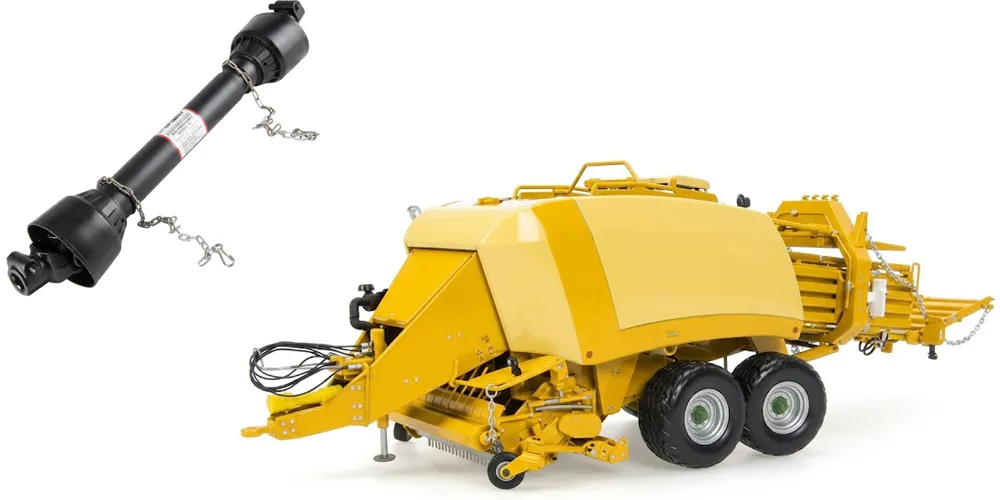
Two Product Examples That Show Why Series and Length Must Be Matched
The permitted product examples illustrate two different selection questions. The New Holland 900 range uses CAT5 Square Baler PTO Shaft configurations matched to 540 or 1000 rpm tractor outputs and different spline interfaces. That is a good example of series and tractor-stub matching: the baler family alone is not enough information to choose the tractor-side connection. The John Deere range includes CAT5 and CAT6 options plus complete CV assemblies and guarded 42-inch CV half-shafts. That is a useful reminder that a published 42-inch dimension can refer to one part of the driveline rather than the complete tractor-to-baler working length. When replacing a Square Baler PTO Shaft, identify whether you need a complete assembly, half-shaft, CV section, or another specific configuration before comparing dimensions. Measure the existing component using the same reference points used by the replacement specification. If the original shaft has been modified or mixed with non-original sections, treat its dimensions as field measurements that still require compatibility verification. The correct Square Baler PTO Shaft is the one whose series, interfaces, joint layout, protection system, and length range all match the operating machine.
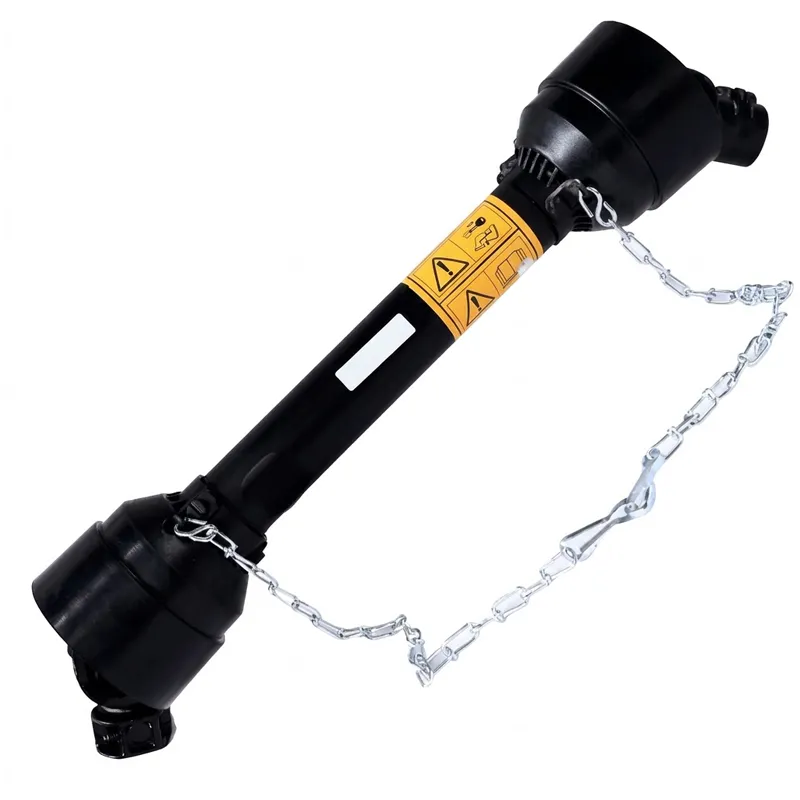
EP-Square Baler PTO Shaft for New Holland 900 ModelsCAT5 reference configurations cover 540 and 1000 rpm tractor outputs with multiple spline combinations. Verify the exact tractor stub before selecting the assembly. |
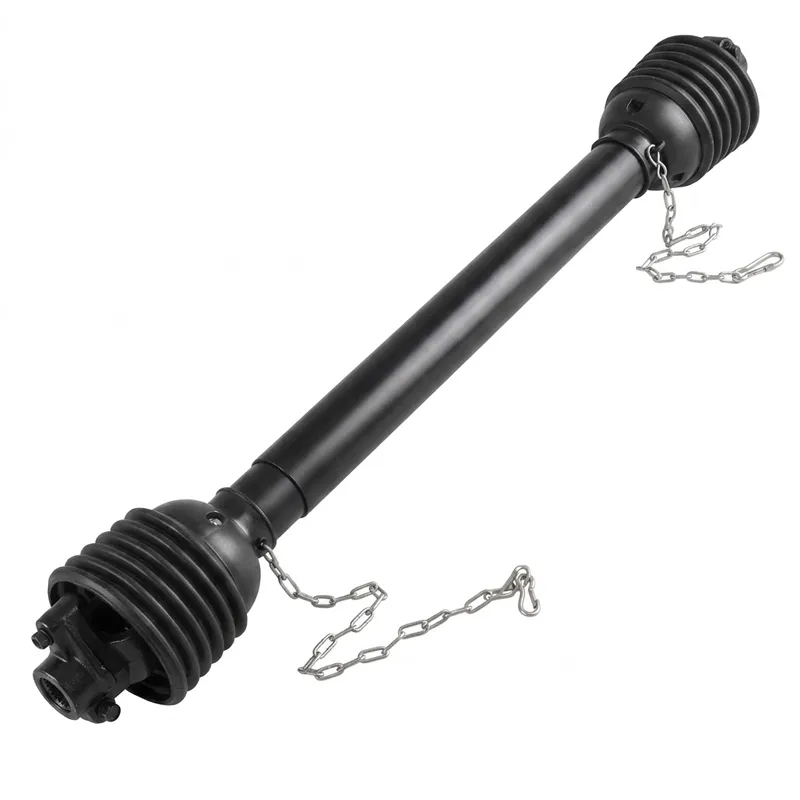
EP-Square Baler PTO Shaft for John DeereCAT5 and CAT6 options include complete CV assemblies and guarded 42-inch half-shaft configurations. Confirm whether the required replacement is a complete driveline or one section. |
Manufacturing and Transmission Support
Our production scope includes agricultural gearboxes, worm gear reducers, planetary gear drives, PTO drivelines, hydraulic cylinders, gears, chains, motors, and related mechanical transmission components. Manufacturing operates under an ISO 9001:2015 quality system with machining, assembly, and inspection controls. Gearbox housings and assemblies can use ductile iron, cast iron, cast steel, precision cast steel, and cast aluminum as required by the component design. Machining capabilities also cover gears, sprockets, worm gears, pulleys, worms, shafts, and standard or non-standard mechanical parts. This wider production background is useful when a Square Baler PTO Shaft selection problem involves the components around it. Worn gearbox input splines, modified drawbars, replacement clutches, repaired baler tongues, or previous driveline alterations can change the dimensions that need to be checked. Evaluating the Square Baler PTO Shaft together with its tractor connection, overload device, baler input, and operating geometry reduces the risk of selecting a shaft that looks correct on the bench but works outside its intended range in the field. System-level verification also makes future Square Baler PTO Shaft maintenance and replacement easier because the correct series and measurement references are documented.
Related Driveline Products
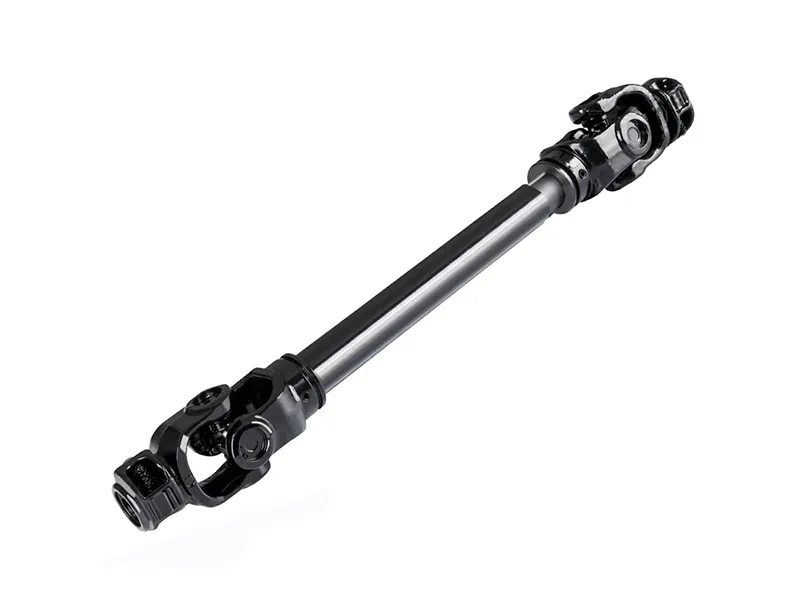
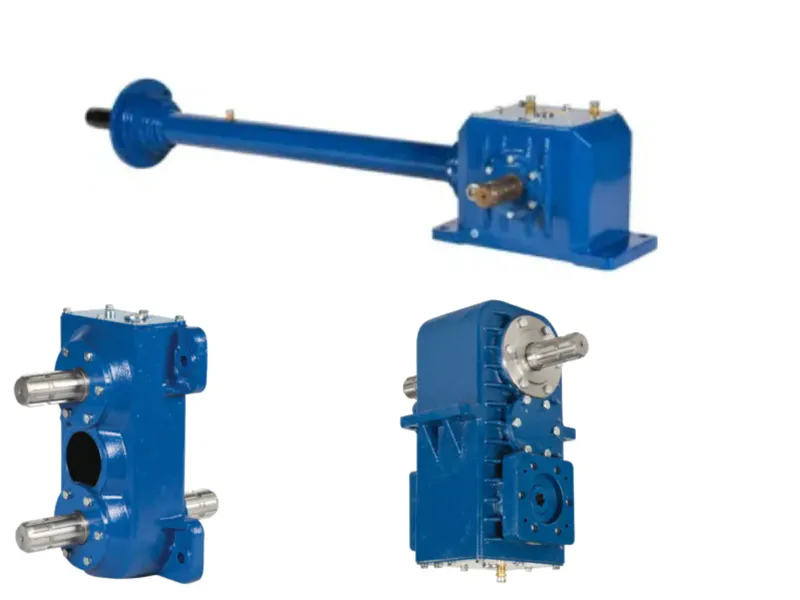
A Square Baler PTO Shaft is only one part of the baler’s transmission path. A Universal PTO Driveshaft can support other agricultural machines when its series, spline, length, guard, and joint arrangement match the implement. On the baler side, a compatible Square Baler Gearbox should be checked when an existing driveline shows abnormal spline wear, input play, heat, or misalignment. Worm gearbox families are also available for other reduction and power-transmission requirements. Coordinated sourcing helps when a Square Baler PTO Shaft replacement involves more than one worn interface, because changing the shaft without checking the input gearbox or clutch can leave the original alignment problem in place. This approach is particularly useful for older machines whose previous repairs are not fully documented. Matching the complete power path supports better compatibility and a more reliable Square Baler PTO Shaft installation. It also makes it easier to document the correct tractor-side yoke, implement-side connection, clutch arrangement, and working-length limits for future service. For mixed fleets, keeping these details with the machine reduces the chance that a visually similar but mechanically different driveline is fitted during a busy harvest period.
Universal PTO Driveshaft
|
Square Baler Gearbox
|
Frequently Asked Questions
Q1. How should Midwest hay farms measure a Square Baler PTO Shaft replacement?
A1. Measure the defined closed length, verify tractor spline and PTO speed, then check shortest and longest hitch positions before selecting the replacement.
Q2. What Square Baler PTO Shaft series should European straw contractors verify first?
A2. Start with the baler requirement, PTO speed, and tractor stub, then confirm CAT rating, CV arrangement, clutch type, and operating length.
Q3. Which length checks matter for Australian large square baler replacement drivelines?
A3. Check closed length, minimum operating distance, maximum extension, profile overlap, drawbar geometry, and clearance during representative turns.
Q4. Where should Canadian farm workshops measure a telescoping PTO shaft before ordering?
A4. Use the measurement reference specified for the shaft, normally with the driveline fully closed, and record both tractor and implement interfaces.
Q5. When should South American contractors choose a heavier Square Baler PTO Shaft series?
A5. Choose the series specified for the baler duty and verified cross-reference; do not move to a heavier category solely because an old shaft failed.
Editor: PXY