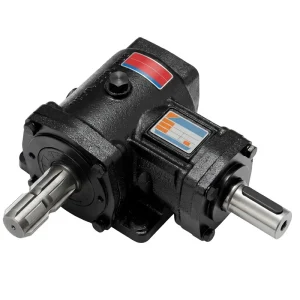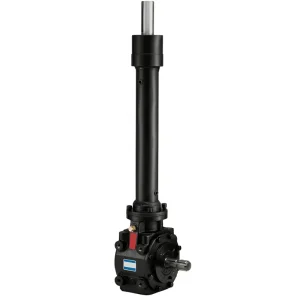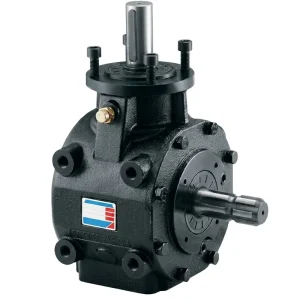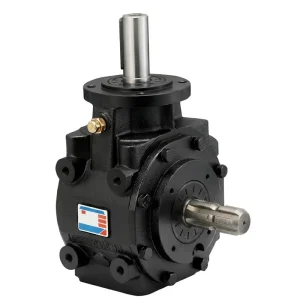
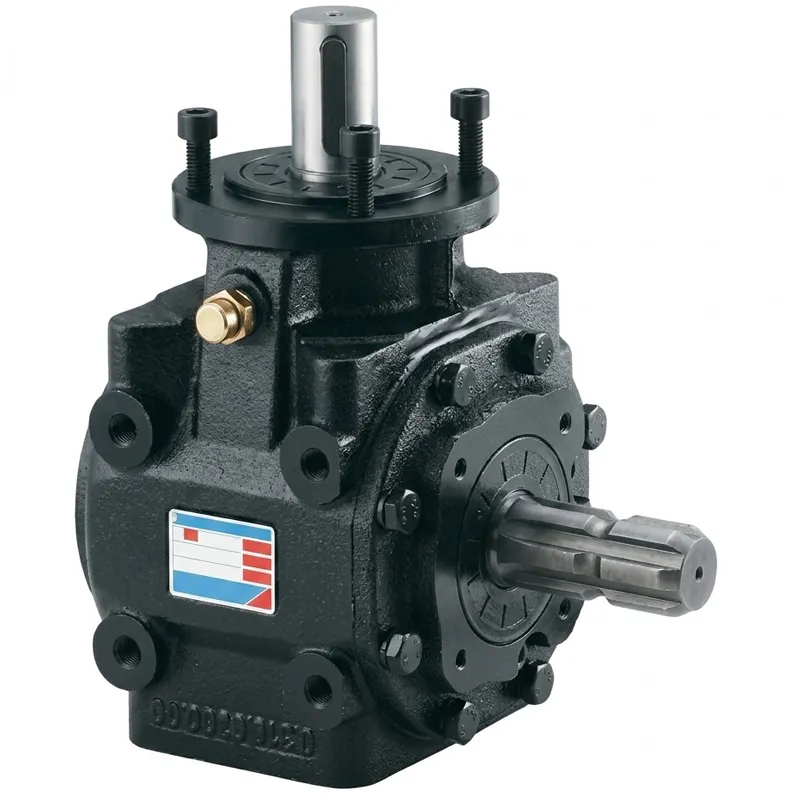
EP 1:3 Ratio 30HP 540rpm Rotary Cultivator Gearbox
The rotary cultivator gearbox is a mission-critical component in tractor-driven soil tillage systems. This particular unit — operating at a 1:3 ratio with a rated input of 540 rpm and a maximum power handling of 30 HP — is designed to convert tractor PTO output into the high-torque, lower-speed rotation required to drive rotary tines efficiently through compacted soil. Built as a right angle gearbox, it redirects power from the horizontal driveline to the vertical axis of the tine shaft, enabling thorough soil fragmentation across a range of crop and field types.
Its bevel gear arrangement delivers smooth, low-vibration operation that reduces wear on both the gearbox and the implements mounted to it. This makes it equally well-suited for professional farming operations and owner-operated agricultural holdings working with compact tractors.
Agricultural Gearbox Series
EP 1:3 Ratio 30HP 540rpm
Rotary Cultivator Gearbox
Precision-engineered right angle gearbox built for demanding agricultural field conditions — delivering reliable power transfer, long service life, and compatibility with standard PTO drive systems worldwide.
Technical Specifications of Rotary Cultivator Gearbox
The table below details the full parameter set for this rotary cultivator gearbox. All dimensions are expressed in millimetres unless otherwise noted. These figures are applicable to the standard production variant; custom configurations are available upon request for OEM integration or replacement fitment purposes.
| Rotary Cultivator Gearbox Parameter | Rotary Cultivator Gearbox Specification |
|---|---|
| Item / Model | EP-HC-9.310 Rotary Cultivator Gearbox |
| Gear Ratio | 1:3 |
| Teeth (Pinion / Gear) | 12 / 36 |
| Module | 3.45 |
| Rated Power | 30 HP |
| Rated Input Speed | 540 rpm |
| Input / Output Description | 1 3/8 Z6 (6-spline) / Optic axis (keyed output) |
| Net Weight | 18 kg |
| Overall Dimensions (L × W × H) | 242 mm × 160 mm × 215 mm |
| Input Shaft Bore (Top) | Ø 38 mm |
| Output Flange Width | 80 mm |
| Housing Height | 130 mm |
| Gear Type | Spiral bevel gear (right angle) |
| Lubrication | Splash / gear oil (EP 90 or equivalent) |
| Sealing | Double-lip oil seals on all shafts |
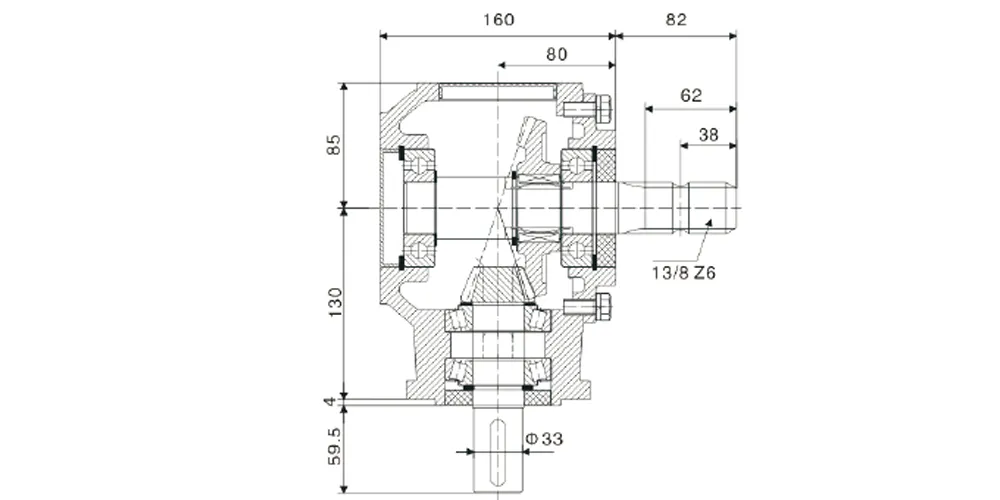
How the Gearbox Works
Power enters the gearbox through the top-mounted input shaft, which accepts the standard 1 3/8" 6-spline (Z6) PTO connection common across Category I and II tractor hitches running at 540 rpm. The input shaft carries a precision-cut spiral bevel pinion with 12 teeth. This pinion meshes at 90° with the output bevel gear wheel, which carries 36 teeth, producing the 1:3 speed reduction. As the tractor PTO turns at 540 rpm, the output shaft revolves at 180 rpm — a speed ideally matched to the peripheral velocity of standard rotary tine assemblies for clean, even soil fracturing without excessive throw or compaction.
The spiral bevel tooth form — as opposed to a straight bevel — means tooth engagement is gradual rather than instantaneous. This produces quieter running, lower peak tooth loads per revolution, and significantly higher load-carrying capacity for the same housing size. The gear mesh operates in a sealed, oil-filled cavity. Splash lubrication ensures continuous film formation on all tooth flanks and bearing races, even under fluctuating operating angles common in field use. Double-lip oil seals at every shaft penetration point keep field dust, crop debris, and moisture out of the gear chamber, protecting the gear oil from contamination that would otherwise accelerate abrasive wear. The cast iron housing provides structural rigidity while absorbing shock loads transmitted back through the tines when striking embedded stones or hardpan layers.
Five Key Product Advantages of Rotary Cultivator Gearbox
01 — Spiral Bevel Precision
The spiral bevel gear set delivers a contact ratio well above 1.0, distributing load across multiple teeth simultaneously. This translates to reduced vibration at the tine shaft, quieter field operation, and markedly longer tooth life compared with straight-cut alternatives — a meaningful advantage in continuous-duty cultivation seasons.
02 — Universal 540 rpm PTO Compatibility
The 1 3/8" Z6 input spline is the global standard for 540 rpm PTO tractors, making this unit a direct-fit replacement or upgrade across virtually all mainstream tractor brands used in North America, Europe, Southeast Asia, and South America — eliminating the need for costly adaptor shafts or specialist coupling work.
03 — Heavy-Duty Cast Iron Housing
The ductile cast iron casing offers tensile strength and rigidity that aluminium die-cast housings simply cannot match at this power rating. It handles sudden torsional shock — common when tines contact buried debris — without housing distortion, maintaining precise gear alignment across the full working life of the unit.
04 — Sealed Against Field Contamination
All shaft exits use double-lip oil seals rated for rotary shaft contact, with garter springs maintaining consistent lip pressure even as seals age. This keeps gear oil clean and keeps abrasive topsoil and crop residue out — two of the most common causes of premature agricultural gearbox failure in real field environments.
05 — Compact, Serviceable Design
At 18 kg net weight and a footprint suited to mid-range rotary cultivators, this unit balances power handling with practical implement weight management. Standard drain and fill plugs allow quick oil changes without specialist tools, keeping scheduled maintenance straightforward for farm operators in any region.
Materials & Construction of Rotary Cultivator Gearbox
Housing
High-grade ductile cast iron (GGG-50 equivalent), machined to close tolerances on all mating faces and bearing bores. Provides structural integrity under repetitive shock loading without cracking or distorting.
Bevel Gear Set
Case-hardened alloy steel, precision ground after heat treatment to achieve tooth profile accuracy consistent with DIN quality class standards. Hardness of tooth flanks extends the mesh life under abrasive load cycles typical in agricultural gearbox applications.
Bearings
Heavy-duty tapered roller bearings on both shaft ends accommodate the combined radial and axial loads generated by the bevel mesh under full power. Pre-loaded to eliminate end-play and maintain consistent gear contact geometry throughout the service interval.
Seals & Gaskets
NBR (nitrile rubber) double-lip shaft seals provide reliable exclusion of dust and moisture. Housing joint faces are sealed with oil-resistant gaskets or anaerobic sealant, preventing oil seep at the parting line even under thermally cycled field conditions.
Surface Finish
Exterior housing is shot-blasted and coated with an agricultural-grade enamel topcoat resistant to fuel splash, fertiliser residue, and UV exposure. The red finish also allows visual oil seep detection during pre-season inspection checks.
Application Scenarios of Rotary Cultivator Gearbox
This rotary cultivator gearbox is engineered for demanding field conditions across multiple cultivation and land-management contexts. Below are the primary use cases where this unit delivers consistent, dependable performance.
Primary Tillage & Seedbed Preparation
The most common deployment — driving the tine rotor of a 3-point linkage rotavator to break up primary-tilled or direct stubble ground into a fine, level seedbed. Widely used across wheat, corn, soybean, and rice production zones in North America, the EU, Australia, and Southeast Asia.
Inter-Row Cultivation in Horticulture
Adapted for narrow-track rotary cultivator attachments used in vineyards, market gardens, and orchards — particularly in France, Italy, Spain, and South Korea, where mechanised weed and soil management between crop rows demands precise, low-disturbance cultivation.
Pasture Renovation & Over-Seeding
Used on shallow-tillage renovation units that scarify existing sward before over-seeding. Common in livestock farming regions across the UK, Netherlands, Ireland, New Zealand, and southern Brazil, where grass-based systems dominate and annual renovation maintains sward productivity.
Organic Matter Incorporation
High-torque, controlled-speed tillage is ideal for mixing green manures, compost, and crop residues into the top 15–20 cm of soil profile. Used widely in organic cropping systems in Germany, Canada, and Colombia, where soil health management is integral to certification requirements.
Contract Cultivation & Hire Fleet Use
Agricultural contractors running multi-client rotary cultivation services across variable soil types and conditions need a gearbox that tolerates hard, continuous-duty cycles. The sealed, heavy-duty construction makes this unit a sound choice for hire fleet equipment where servicing intervals may be longer than in owner-operator use.
Regulatory Compliance & Regional Standards
Agricultural power transmission equipment is subject to a range of regional safety, machinery, and environmental regulations. Understanding applicable frameworks helps operators and importers ensure that equipment selection and installation meets legal obligations in their respective markets.
European Union — EU Machinery Directive 2006/42/EC
Agricultural machinery and its driveline components placed on the EU market must conform to the Machinery Directive (and its successor, Regulation 2023/1230/EU coming into force in 2027). PTO-driven gearboxes are explicitly covered; guarding requirements under EN ISO 4254-1 and EN 609 for rotary cultivators apply.
United Kingdom — PUWER 1998 & LOLER 1998
Post-Brexit, UK operators are governed by the Provision and Use of Work Equipment Regulations (PUWER 1998) and relevant HSE guidance on agricultural machinery safety. PTO guards, safe coupling practice, and pre-use inspection requirements remain aligned with pre-Brexit EU standards under retained UK law.
United States — ASABE Standards & OSHA 1928
In the US, the American Society of Agricultural and Biological Engineers (ASABE) publishes standards (including ASAE S203 for PTO shafts and S318 for rotary tillers) that define interface dimensions and safety requirements. OSHA 29 CFR Part 1928 covers agricultural guarding obligations for commercial operations.
Australia — AS 2902 & Safe Work Australia
Australian Standard AS 2902 sets requirements for PTO-driven equipment guarding. Safe Work Australia's Code of Practice for Preventing Harm in Agriculture references this standard. State-level work health and safety legislation (WHS Acts) applies to commercial farms and agricultural contractors.
Brazil — ABNT NBR Standards
Brazil's ABNT NBR 14702 and related standards cover PTO and rotary equipment safety for agricultural use. The Ministry of Agriculture (MAPA) certification requirements apply to machinery imported for commercial distribution. Brazilian regulations have progressively aligned with ISO/OECD frameworks over recent years.
South Korea — KS Standards & MAF
South Korea's Korean Standards (KS) for agricultural machinery and Ministry of Agriculture, Food and Rural Affairs (MAF) certification schemes regulate imported rotary cultivator components. KS B 6241 covers relevant PTO and driveline interface requirements for Korean market equipment.
Related Products & System Compatibility
This rotary cultivator gearbox is designed to integrate directly with other key driveline and implement components. Sourcing compatible parts from the same production system simplifies installation, reduces alignment issues, and strengthens after-sale support across the entire drivetrain assembly.
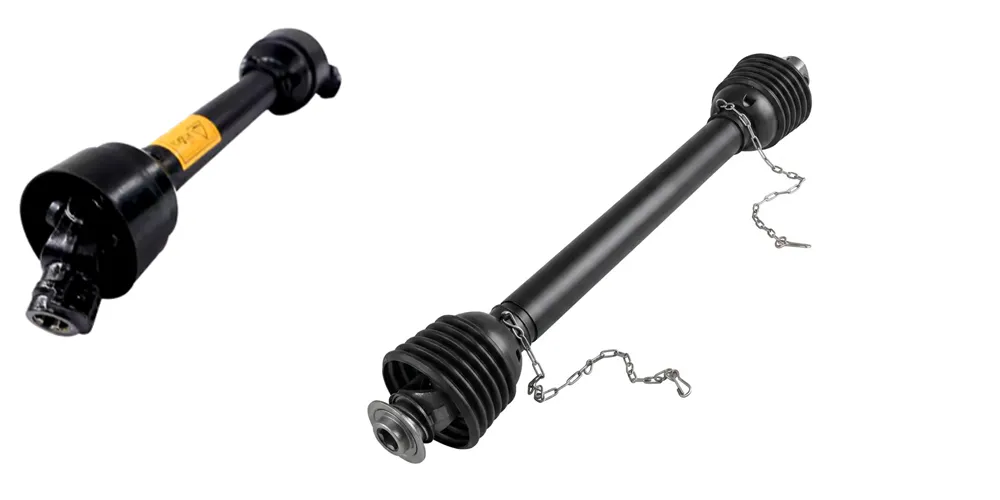
PTO Drive Shaft
Every rotary cultivator gearbox needs a correctly rated PTO shaft to transfer tractor output without slip or vibration. Our shafts are available in standard 1 3/8" 6-spline configurations with protective shielding, matched to the input specification of this gearbox. Proper shaft selection also ensures compliance with guarding regulations in your market.
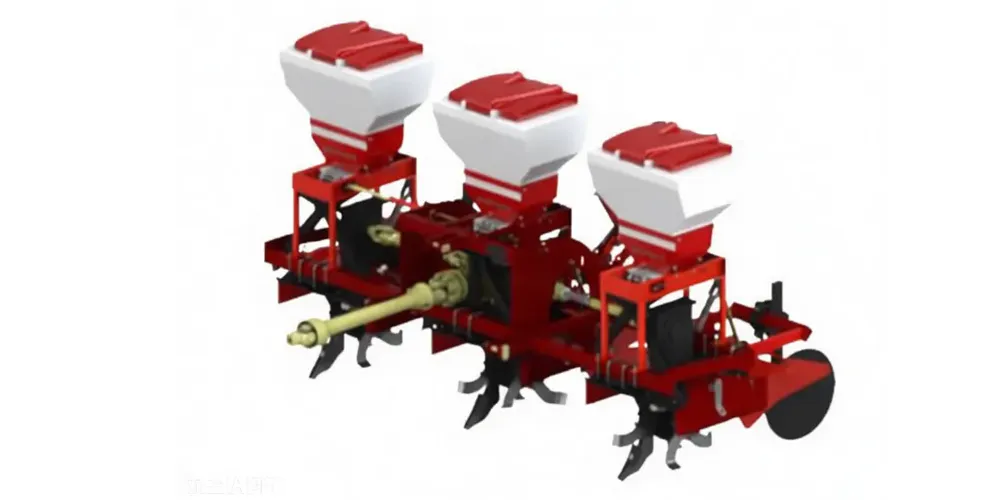
Rotary Cultivator
Our EP series rotary cultivators are engineered around the gearbox specifications listed above, with tine assemblies, frame widths, and mounting points dimensioned to accept this unit directly. Selecting a matched cultivator frame eliminates the fitment uncertainty that arises when sourcing gearbox and implement separately from different supply chains.
About Us - Rotary Cultivator Gearbox Manufacturer
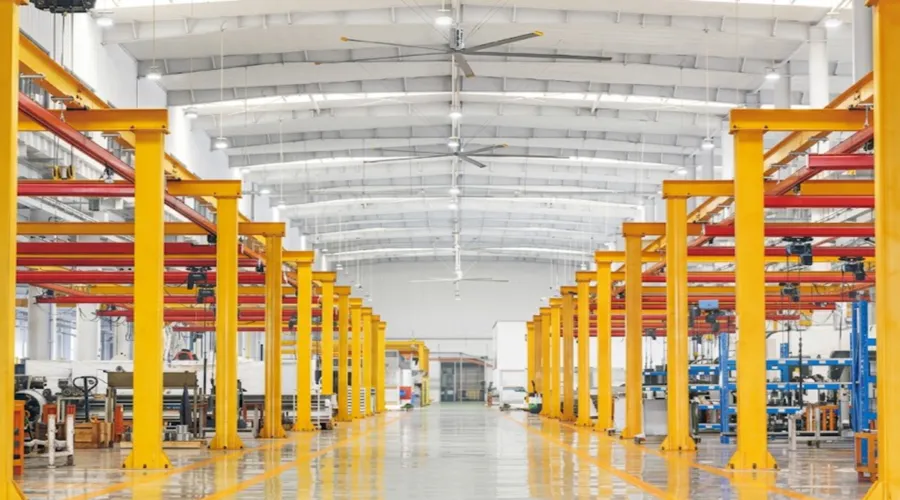
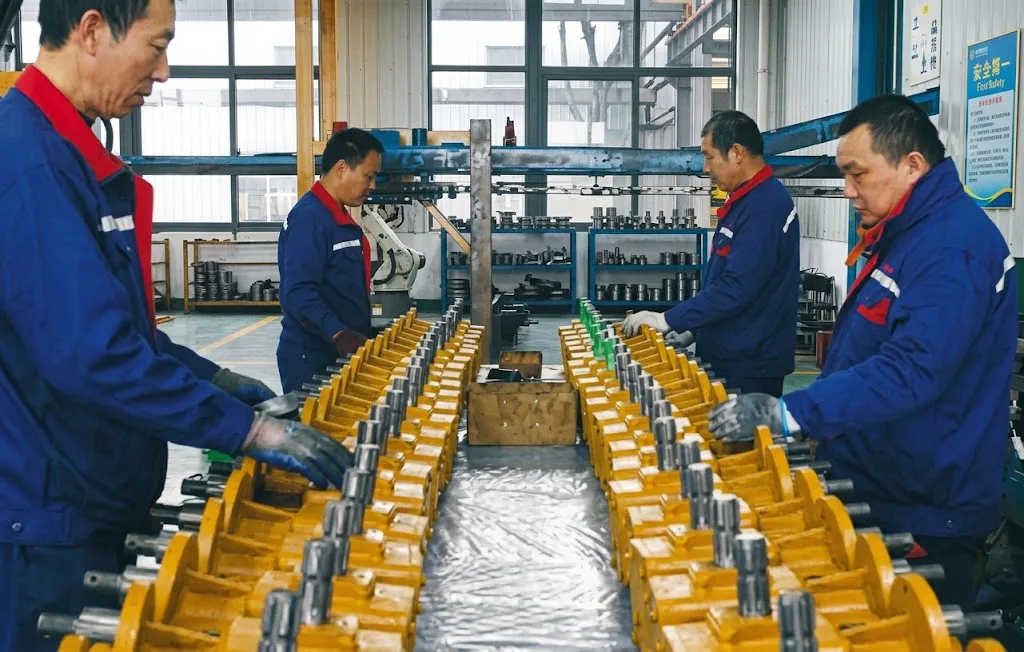
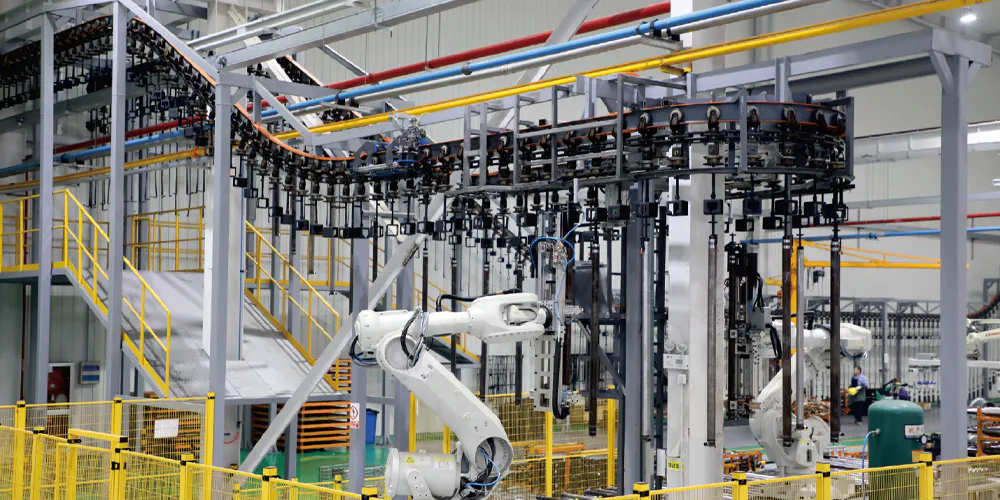
With more than a decade of dedicated experience in mechanical power transmission manufacturing, our facility specialises in the design and production of a comprehensive range of industrial and agricultural drivetrain components. Our core product scope spans agricultural gearboxes, worm gear reducers, planetary gear drives, PTO shafts, hydraulic cylinders, precision gears, drive chains, sprockets, pulleys, and electric motors — covering both standard catalogue designs and fully engineered custom assemblies for OEM customers.
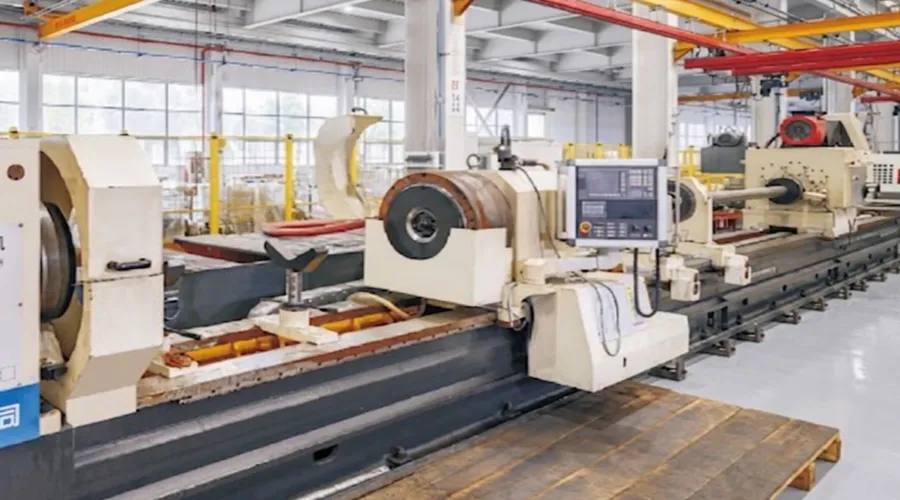
All production activities are conducted under an ISO 9001:2015 certified quality management system, with process controls applied across raw material inspection, machining, heat treatment, assembly, and final testing. Materials used across our gear and housing range include ductile iron, grey cast iron, cast steel, precision investment cast steel, and cast aluminium — selected according to the load, weight, and operating environment of each application. Our machining capabilities cover hobbing, grinding, milling, boring, and turning, enabling us to hold the close tolerances required for precision gear manufacture across the full product range.
Workshop
Frequently Asked Questions
Q1. What is the correct way to connect a rotary cultivator gearbox to a 540 rpm PTO tractor used for seedbed preparation in Australia?
Q2. Which agricultural gearbox ratio works best for rotary tine cultivation of heavy clay soils in Northern European farming regions?
Q3. How do I know when my agricultural rotary cultivator gearbox needs replacement rather than repair, especially for mid-season field work in Canada?
Q4. What gear oil specification and service interval should I follow for a right angle agricultural gearbox used in continuous rotary cultivation work in Brazil?
Q5. When fitting a replacement rotary cultivator gearbox to an existing implement frame in the UK, what safety checks are required before returning the machine to field use?
Editor: PXY