
Agriculture & Farming Equipment — Livestock Housing
A technical overview of worm gear drive selection, corrosion-resistant construction, ratio specification, and maintenance practices for belt-driven ventilation fan systems in poultry and swine confinement facilities worldwide.
Ventilation is not optional in modern confinement poultry and hog production — it is a life-safety system. In broiler and layer houses across the United States, Brazil, Netherlands, Poland, Thailand, Vietnam, and other major producing countries, fans run continuously 24 hours a day, 365 days a year, maintaining the air exchange rates, temperature, and humidity levels that determine flock or herd health, feed conversion efficiency, and mortality rates. When a ventilation fan drive fails and a fan stops, the consequences can be severe within hours — heat stress, ammonia buildup, and respiratory disease follow quickly in high-density confinement environments. This is why the mechanical components in barn ventilation drive systems must be specified not just for adequate performance under normal conditions, but for absolute reliability across all seasons and ambient temperature extremes.
Он single speed reducer in a belt-driven barn ventilation fan system performs a straightforward but critical function: it steps down the electric motor shaft speed to the fan blade rotational speed required for adequate air movement, while maintaining the torque delivery needed to overcome blade aerodynamic resistance at full operating speed. In most commercial ventilation installations, the fan blade speed falls in the range of 200–500 RPM, while the driving motor runs at 960–1450 RPM — a reduction requirement that places the application squarely within the standard WP series ratio range. The single speed worm gear reducer is particularly well suited to this application because its smooth, consistent output speed and self-locking characteristic prevent fan blade backdrive when the motor de-energizes, avoiding the reverse-rotation damage that uncontrolled blade coasting can cause on two-speed or staged ventilation systems.
This article examines how the WP series single stage speed reducer construction, material system, and mounting configuration choices address the specific operating demands of year-round ventilation fan drive in poultry and swine barn environments.
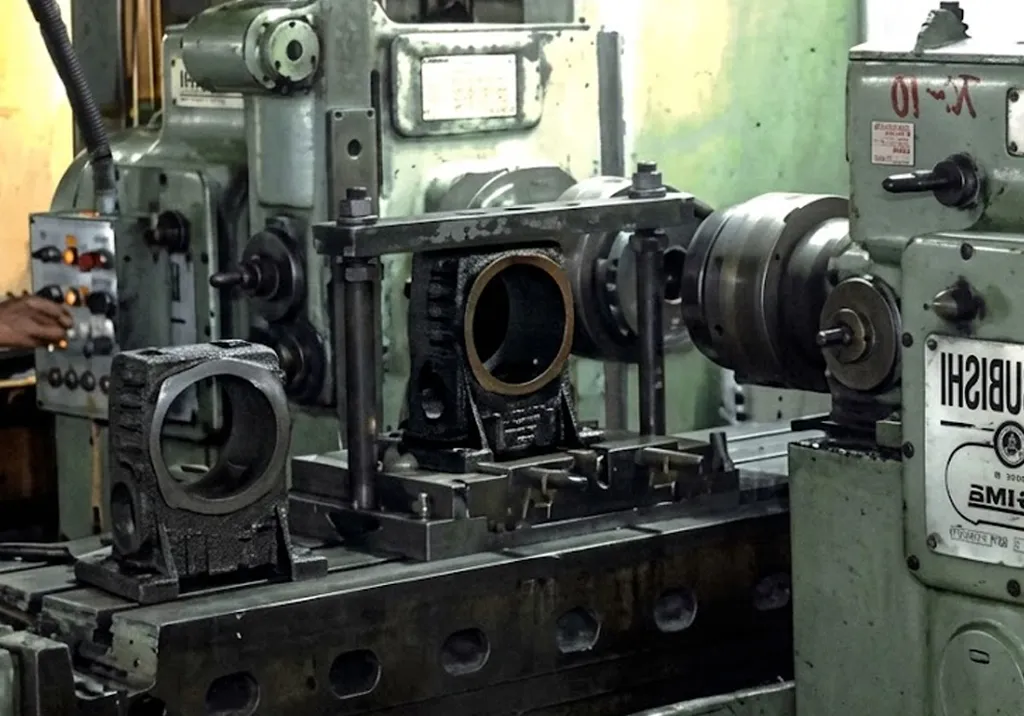
Why the Worm Drive Single Speed Reducer Suits Barn Ventilation Applications
Barn ventilation fan drives have a set of operating characteristics that align well with the mechanical properties of the worm gear single speed reducer architecture. The fan load is aerodynamic — it increases with the square of blade rotational speed — which means the torque requirement at startup is lower than at full operating speed. This matches the torque delivery profile of the worm drive, which provides maximum torque reserve at low output speeds where the worm teeth are in sustained engagement, and transitions smoothly to the steady-state operating torque as the fan accelerates to running speed. The result is a smoother fan startup than direct-drive or chain-drive configurations, which reduces belt tension cycling and extends V-belt service life on the fan side of the drive.
The environmental conditions inside and around livestock confinement barns create a specific challenge for drive component durability. Ammonia gas — generated continuously by animal waste — attacks unprotected metals and elastomers at concentrations that, while within livestock welfare limits at 25 ppm, are far above what typical industrial equipment experiences in any other context. Dust from feed and bedding material, combined with high relative humidity from animal respiration and barn washing operations, creates a coating on all surfaces that traps moisture against metal and degrades standard paint finishes within months. The single speed reducer construction must address these aggressive conditions through both material selection and effective sealing to provide the multi-year service life that ventilation system operators expect between planned replacements.
From an operational continuity standpoint, the self-locking feature of worm gear drives at ratios above approximately 1:20 provides a passive safety benefit that is particularly valuable in emergency ventilation scenarios. If a barn loses power during a summer heat event and standby generator capacity is insufficient to run all fans simultaneously, a staged restart protocol is used. During the period when individual fans are de-energized, the worm drive self-lock prevents the fan blade from spinning in reverse under stack-effect air pressure — which can cause blade imbalance damage and bearing wear in belt-driven systems without this inherent holding characteristic.
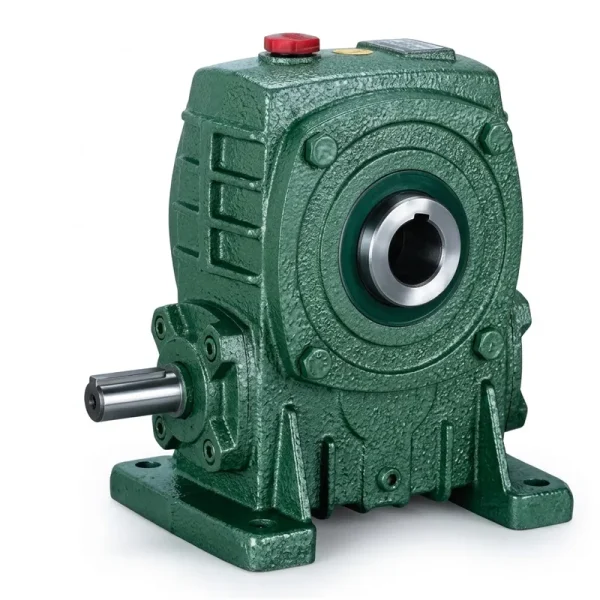
Featured Product
EP-WPKA Single Speed Reducer (5–260 kg)
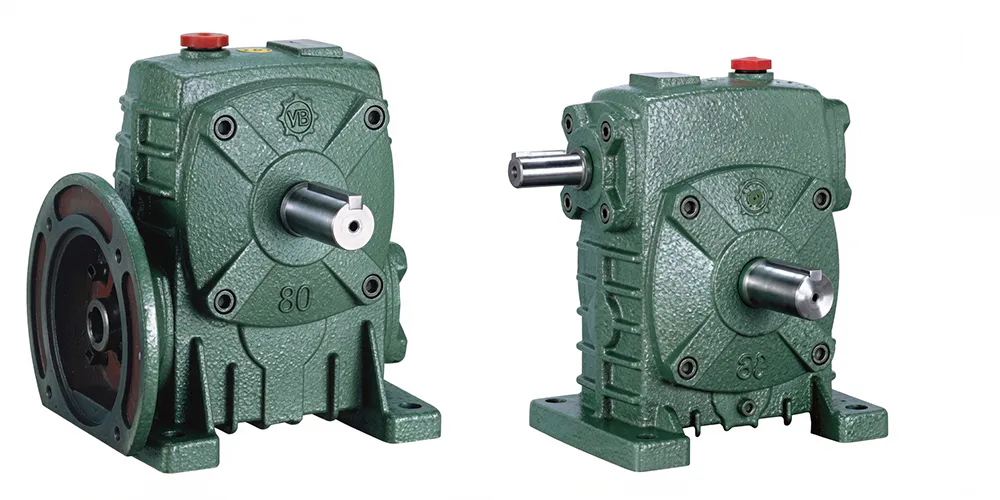
The EP-WPKA is a flange-mounted, single-stage worm gear speed reducer with a hollow bore output, covering a load range of 5 to 260 kg. The flange mounting configuration is the most practical for barn ventilation installations where the reducer mounts directly to a wall bracket or structural frame — eliminating the need for a separate base plate and reducing the number of fastened joints that can loosen from barn vibration. The hollow bore output shaft accepts the fan drive pulley shaft directly via a keyed fit, minimizing overall drive assembly length in cramped barn end-wall fan tunnel positions.
| Модель | EP-WPKA |
| Load Range | 5 – 260 kg |
| Gear Stage | Single-stage worm drive |
| Ratio Range | 1:10 to 1:60 |
| Mounting | Flange (hollow bore output) |
| Housing | Cast iron HT200 |
| Worm Wheel | Phosphor bronze / tin-bronze alloy |
| Quality Standard | ISO 9001:2015 certified production |
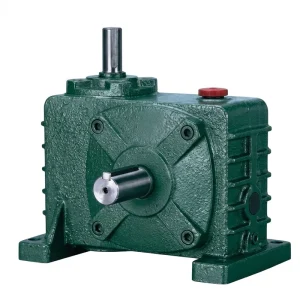
EP-WPZ Single Speed Reducer (0.4–5.2 L Oil Capacity)
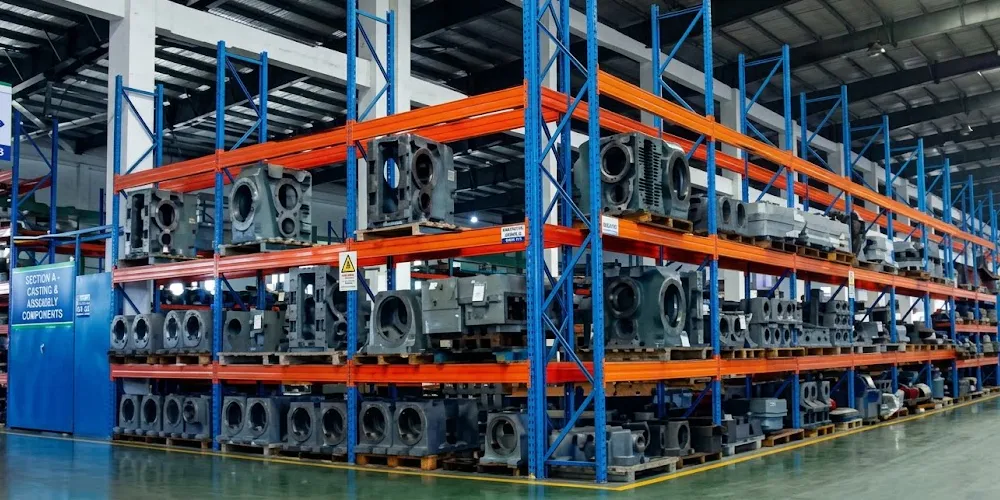
Barn ventilation fan drives run continuously — 8,760 hours per year — without the seasonal breaks that allow lubrication maintenance in other agricultural applications. The EP-WPZ extended oil sump, offering 0.4 to 5.2 liters depending on housing size, addresses this continuous-duty requirement by providing a larger lubricant thermal mass that delays operating temperature rise and extends the drain interval when using ISO VG 220 synthetic gear oil. For large commercial poultry operations in North Carolina, the Midwest US, the UK, or the Netherlands where maintenance teams service dozens to hundreds of fan units per barn block, the extended interval of the WPZ variant reduces the labor demand of lubrication service schedules, making it a practical upgrade over the standard WP oil volume in high-fan-count installations.
Manufacturing Construction: Continuous-Duty Components for Corrosive Barn Environments
А single speed reducer in a barn ventilation application must sustain 24/7 operation across extremes of ambient temperature — from freezing winter conditions in Northern Europe, Canada, or the US Midwest, to summer heat in Brazilian integrations, Thai and Vietnamese contract poultry farms, and Southeast Asian hog operations — while simultaneously resisting the ammonia corrosion and particulate loading specific to confinement livestock buildings. The WP series construction addresses this through component-level engineering that has been proven in agricultural and light industrial environments across multiple decades.
20CrMnTi alloy steel, carburized and case-hardened to 58–62 HRC, precision-ground. Continuous-duty fan drives cycle through thousands of start-stop events annually as fans switch between speed stages or respond to thermostat control signals, and the hardened worm thread profile maintains dimensional accuracy through these repeated loading cycles without developing the surface pitting that characterizes under-hardened worm shafts in sustained cycling applications.
Centrifugally cast phosphor bronze or tin-bronze alloy. At typical barn ventilation fan drive ratios of 1:20 to 1:40, the worm wheel operates in a partial EHD (elastohydrodynamic) lubrication regime where the bronze material plays an active role in maintaining the oil film at the contact zone through its lubricant-affinity surface chemistry. This contributes to the quiet operation that is practical in barn environments where operator presence near drives is common during daily animal checks.
Gray cast iron HT200 with machined mounting faces and precision bearing bores. The cast iron exterior can be painted with ammonia-resistant alkyd or epoxy primer systems to protect against the corrosive attack of barn atmosphere. Smooth housing profiles without external cavities reduce the area where manure dust and ammonia-laden condensate can accumulate between cleaning cycles, slowing the rate of external surface corrosion.
Double-lip rotary shaft seals in NBR as standard; FKM elastomer available for high-ammonia-concentration environments. FKM maintains seal integrity against ammonia concentrations encountered in poorly ventilated areas of densely stocked barns during cold weather when ventilation rates are minimized to conserve heat, and against the cleaning agents used in between-flock barn washout procedures.
Mesh-filtered breather plug equalizes internal pressure across the wide temperature swings from cold startup to warm steady-state operation without allowing barn atmosphere particulates or ammonia-laden moisture to enter the gear cavity. In high-humidity barn sections, the breather mesh filter should be inspected and cleared annually as part of the routine fan maintenance program.
45# medium-carbon steel, induction hardened and ground. ISO 773 keyway dimensions accept standard V-belt drive pulleys and poly-V belt sheaves used in barn fan drive trains without secondary machining. For hollow bore WPKA configurations, the bore accepts the fan drive pulley shaft directly for a more compact installation on barn end-wall fan tunnel structures.
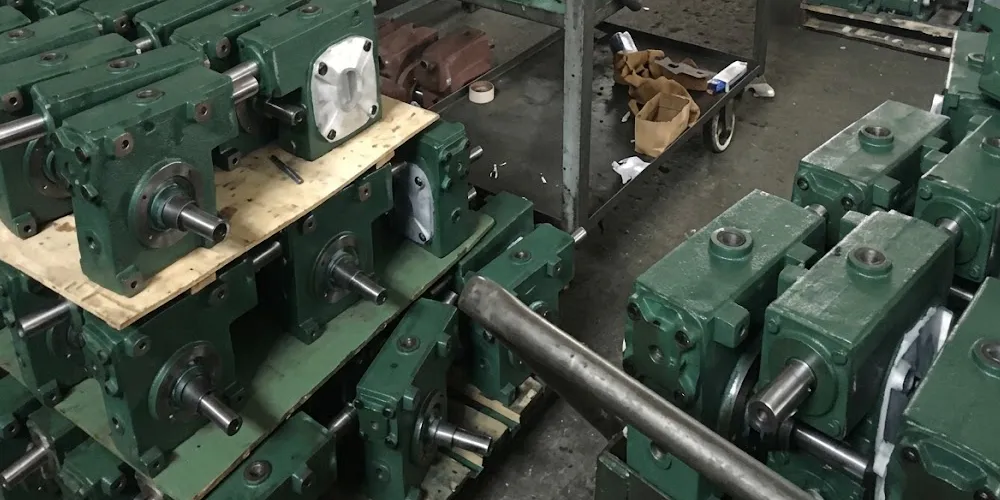
Material System: Engineered for Ammonia Resistance and Year-Round Duty
The barn ventilation environment presents a material challenge that is distinct from both general industrial applications and food-grade production settings. The primary chemical aggressor is ammonia at concentrations between 5 and 50 ppm in the barn atmosphere, combined with high relative humidity from animal respiration and the particulate load of feed dust and bedding material. Secondary chemical exposure comes from between-flock cleaning procedures that use disinfectant spray and high-pressure wash water. The WP series material system is selected to provide adequate resistance across all of these exposures without requiring specialized alloys or coatings that would make field replacement difficult in remote agricultural settings.
| Component | Material | Barn Environment Relevance | Year-Round Reliability Factor |
|---|---|---|---|
| Worm shaft | 20CrMnTi, 58–62 HRC surface | Hardened surface does not pit under the boundary lubrication conditions created by cold-viscous oil at winter startup | Retains gear profile accuracy across 8,760 annual operating hours without dimensional change requiring readjustment |
| Worm wheel | Phosphor / tin-bronze | Bronze resists mild ammonia atmosphere; nonferrous wear debris does not cause magnetic detection interference with any adjacent control systems | Progressive, detectable wear pattern gives advance notice before failure — no sudden catastrophic tooth fracture under normal loading |
| Housing | Cast iron HT200 | Accepts ammonia-resistant alkyd or epoxy primer; smooth exterior reduces manure dust adhesion between cleaning events | Cast iron damping reduces vibration transmission to barn structure-mounted brackets across all fan speed stages |
| Shaft seals | NBR or FKM elastomer | FKM resists ammonia at livestock-range concentrations and between-flock disinfectant spray exposure | Double-lip geometry excludes dust and particulate that would reach gear surfaces and accelerate bronze wheel wear |
| Lubricant | ISO VG 220 synthetic gear oil | Synthetic grade maintains adequate viscosity at winter startup temperatures down to -10°C without requiring seasonal oil switching | Extended drain interval aligns lubrication service with the annual between-flock barn washout schedule in commercial poultry operations |
| External coating | Alkyd primer or epoxy paint | Protects cast iron from ammonia-accelerated surface corrosion that can reach structurally significant depth within 2–3 years in unprotected housings | Maintains housing integrity across the 10–15 year service life expected from commercial barn mechanical systems |
For hog barn installations, ammonia concentrations can reach the upper range of 40–50 ppm in poorly managed deep-pit systems during winter minimum-ventilation periods. At these concentrations, NBR seal degradation occurs measurably faster than in broiler barn environments, and the specification of FKM shaft seals becomes more important. In high-density swine confinement operations in Denmark, Germany, the Netherlands, North Carolina, and Iowa — all markets with documented high-intensity ventilation requirements — FKM seals are typically specified as the standard grade rather than an upgrade for any reducer installed inside the barn perimeter.
See the complete WP series single speed reducer catalog — including hollow bore, extended oil sump, and dual-output variants for barn ventilation and livestock housing drive systems.
Selecting the Right Ratio for Fan Speed and Ventilation Rate Requirements
Commercial barn ventilation systems are designed around ventilation rate targets expressed in cubic meters per hour (m³/h) or cubic feet per minute (CFM) per unit of animal body weight or per unit of building floor area. These targets change seasonally — minimum ventilation in winter, maximum ventilation in summer — and the fan drive system must deliver the blade speed that achieves the target air movement volume. For a given fan blade diameter and blade pitch, there is a direct relationship between blade rotational speed and air volume flow rate, which determines the required output shaft speed from the single speed reducer.
| Fan Application | Motor Speed | Target Fan Blade Speed | Ratio Range | WP Model |
|---|---|---|---|---|
| Small poultry house sidewall fan (36 in / 91 cm) | 1450 RPM (50 Hz) | 350–450 RPM | 1:3 to 1:4 (belt pre-stage) | WPA (direct belt drive, no worm stage) |
| Large tunnel fan (54 in / 137 cm) with belt reducer | 1450 RPM (50 Hz) | 200–280 RPM | 1:20 to 1:30 (worm stage after belt) | EP-WPKA or WPZ |
| Hog barn exhaust fan (48 in / 122 cm) | 1750 RPM (60 Hz) | 250–350 RPM | 1:10 to 1:15 (worm stage) | WPKA or WPKS |
| Attic ventilation fan — poultry house (36 in) | 1450 RPM (50 Hz) | 280–380 RPM | 1:10 to 1:15 (with belt stage) | WPA or WPKA |
| Emergency cooling fan (large tunnel, 72 in) | 1750 RPM (60 Hz) | 180–240 RPM | 1:20 to 1:30 (worm stage) | EP-WPKA or WPKS |
For most belt-driven barn fan installations in the 36–54 inch diameter range, the worm gear reducer provides the final reduction stage after a belt or sheave primary reduction. The total system ratio is the product of the belt ratio and the worm stage ratio. Using a worm stage in the 1:10 to 1:20 range after a 2:1 to 3:1 belt stage gives the combined 1:20 to 1:60 effective ratio range that covers the majority of commercial barn fan speed requirements, regardless of whether the tractor supply is 50 Hz (European, Asian, African markets) or 60 Hz (North American and parts of Latin American markets).
Maintenance Practices for Year-Round Continuous Duty Fan Drives
Barn ventilation reducers run continuously without seasonal breaks, which creates a maintenance planning challenge that does not exist for agricultural implements. The lubricant, seals, and bearings must be serviced at time-based intervals aligned with barn management practices rather than seasonal shutdowns. The following maintenance schedule covers the key service points for WP series single speed reducers in continuous poultry and hog barn ventilation service.
Change oil at 300–400 operating hours after commissioning a new reducer. Initial run-in generates fine bronze particles from worm wheel bedding — removing this first charge before particle concentration increases prevents abrasive cycling that would shorten service life of both the wheel and the worm shaft contact zone.
With ISO VG 220 mineral oil, annual drain and refill is the standard interval for continuous duty. With full synthetic ISO VG 220, a two-year interval is achievable, aligning with the between-flock all-in all-out cycle in commercial broiler operations. Synthetic lubricant also provides better cold-temperature startup properties for winter ventilation operation in cold climates.
Inspect shaft seal condition at each oil service. In ammonia-rich barn environments, seal lip elastomer degradation occurs faster than in standard industrial applications. Evidence of oil weeping at any shaft exit warrants immediate seal replacement regardless of interval — oil dripping from a reducer onto fan belt and sheave surfaces accelerates belt deterioration and creates a fire risk in dry barn environments.
During barn washout events, inspect reducer housing exterior for paint adhesion failure or bare metal exposure. Spot-recoat with ammonia-resistant primer before bare iron oxidizes. In high-ammonia hog barns, a full housing recoat every 3–5 years prevents the progressive corrosion that eventually requires housing replacement — a more costly intervention than periodic recoating.
Complete Ventilation Drive System Components
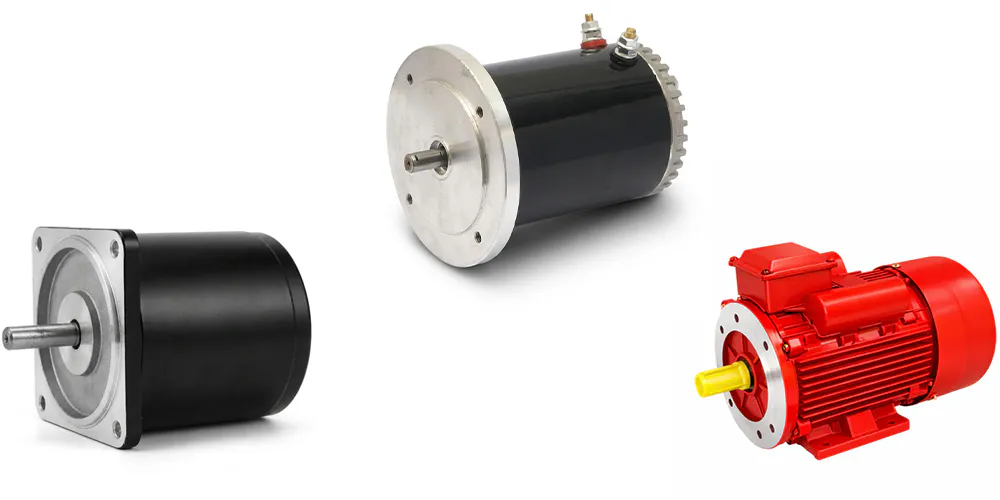
A ventilation fan drive system with a correctly specified single speed reducer operates reliably only when all components — motor, belt, sheave, and fan hub — are correctly matched. The following complementary product lines support complete drive system specification for barn ventilation applications:
О производителе
The production facility behind the WP single speed reducer series operates under ISO 9001:2015 quality management certification across a product scope that includes agricultural gearboxes, worm gear reducers, planetary gear drives, power take-off shafts, hydraulic cylinders, gears, chains, and motors. This breadth of agricultural drive system coverage makes it a practical supply source for poultry and hog integrations that require multiple mechanical component types — fan drive reducers, feed conveyor gearboxes, PTO shafts for manure handling equipment — under a single vendor qualification framework.
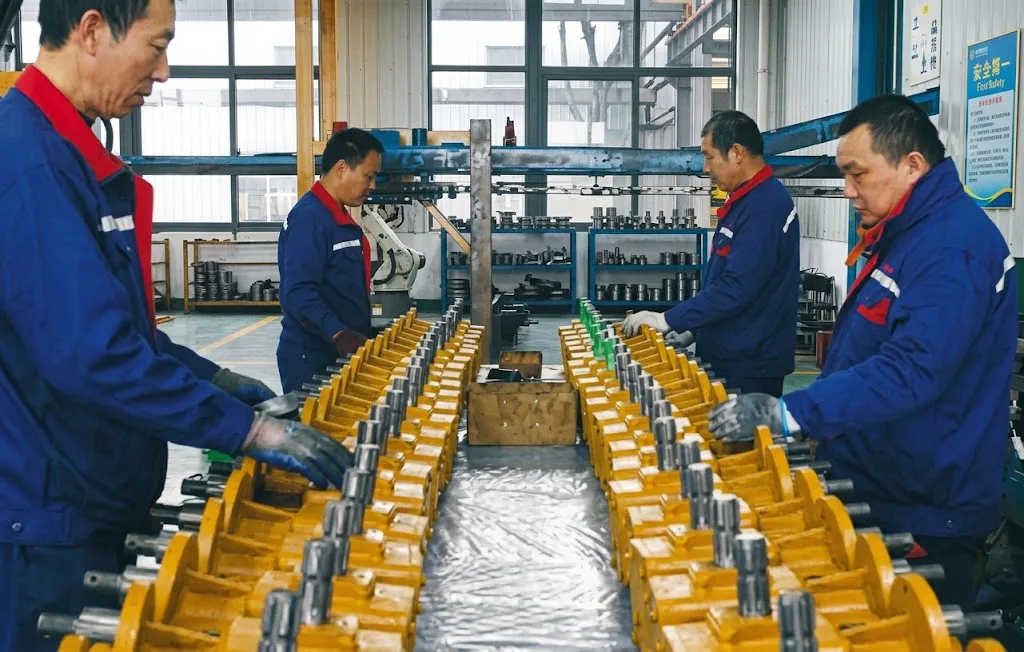
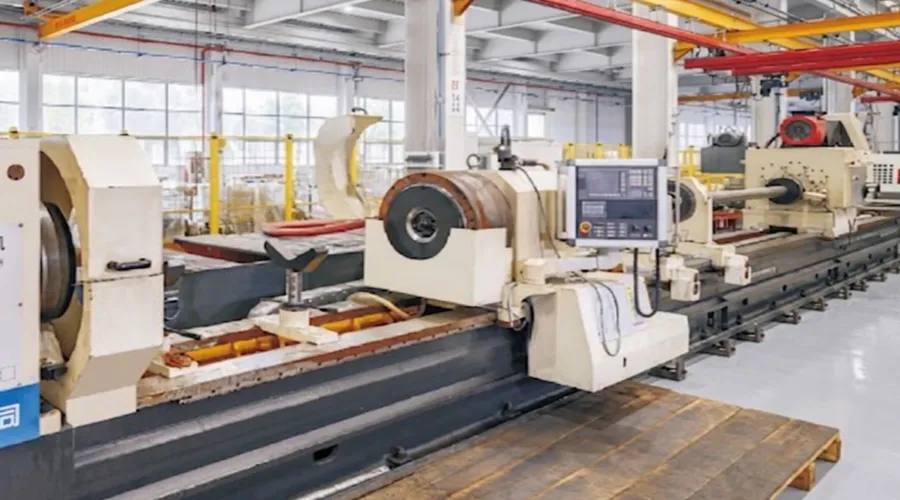
Manufacturing capabilities include CNC gear hobbing, precision bore machining, heat treatment, assembly, and factory test running. Materials span ductile iron, cast iron, cast steel, precision cast steel, and cast aluminum, enabling both standard WP series catalog products and non-standard assemblies for barn equipment OEMs requiring specific output shaft geometries, custom bore sizes, or gear ratios outside the standard WP range.
Мастер-класс
Часто задаваемые вопросы
What single speed reducer ratio should I specify for a tunnel ventilation fan in a US broiler barn running on 60 Hz supply? ▼
Which single stage speed reducer seal type is best for hog barn fan drives in Denmark or the Netherlands with high ammonia concentrations? ▼
Where can I find a reliable single speed reducer supplier for poultry barn ventilation upgrades in Southeast Asia? ▼
How do I get a quote for a customized single speed reducer for a non-standard barn fan drive system in Canada or the Midwest US? ▼
What are the main disadvantages of worm gear speed reducers for barn ventilation fan drives and how are they addressed in practice? ▼
Редактор: PXY