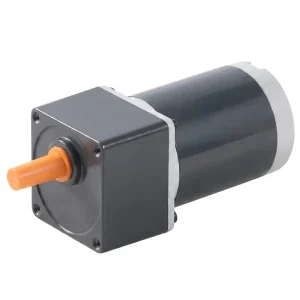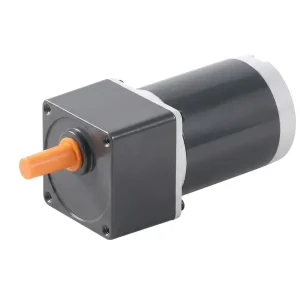
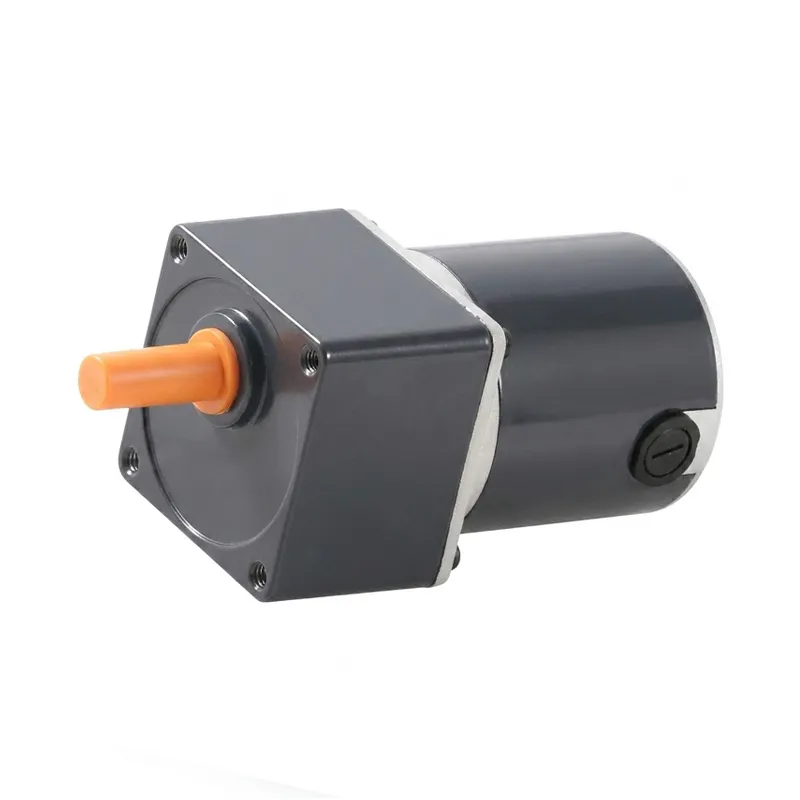
EP-6-10W DC Motor — Compact Permanent Magnet Series
The EP-6-10W series bridges the gap between micro-motor and mid-range industrial motor categories, offering six distinct model variants that cover the practical voltage, power, and torque combinations used across a broad cross-section of light-duty industrial and commercial equipment. The 6 W models (K2D6 series) are available at 12 V, 24 V, and 90 V, all delivering approximately 2950–3200 RPM no-load speed with brush life ratings of 3000 hours. The 10 W models (K2D10 series) follow the same voltage structure but step up torque output — reaching 0.35 kg·cm at load — while maintaining similar speed characteristics and an equally compact 60×60 mm mounting face.
Combined with the optional 2GN-series gearboxes — covering ratios from 3:1 all the way to 200:1 in two gearbox lengths (32 mm and 42 mm) — the series can deliver output shaft speeds from 16 RPM up to over 1000 RPM at 24 V supply, covering most low-speed positioning and feeding applications in a single motor family.
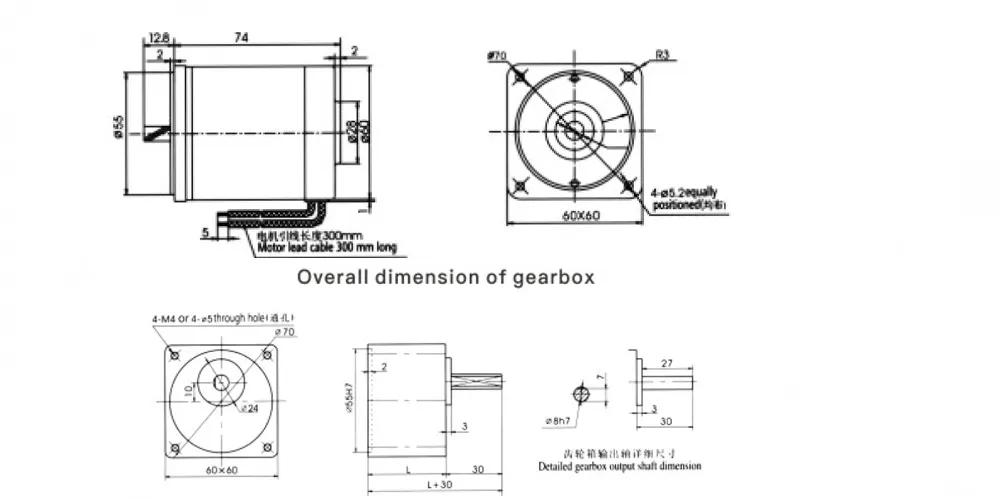
The motor body dimensions are fixed at ø55 mm diameter with a 74 mm body length (excluding the shaft extension), and a standard 60×60 mm front flange with 4×M4 or 4×ø5 through holes allows straightforward panel or bracket mounting. Lead cable length is 300 mm standard.
EP-6-10W DC Motor — Compact Permanent Magnet Series
The EP-6-10W is a compact permanent magnet DC motor covering 6 W and 10 W output power levels across 12 V, 24 V, and 90 V supply voltage options. Designed for applications demanding reliable speed control, quiet operation, and a minimal installation footprint, this dc motor series integrates easily with optional gearbox stages covering reduction ratios from 3 up to 200 — making it a flexible single-source drive solution for automation, instrumentation, and general industrial equipment.
Motor Characteristics — EP-6-10W Series
The table below lists the full electrical and mechanical performance characteristics for all six dc motor models in the EP-6-10W series. No-load parameters represent free-running speed and current draw; load parameters are measured at rated output power. Brush life is rated at 3000 hours under normal operating conditions.
| Model | Voltage
(V) |
Power
(W) |
No-load
Speed (RPM) |
No-load
Current (A) |
Load
Speed (RPM) |
Torque
(kg·cm) |
Load
Current (A) |
Brush Life
(H) |
Weight (kg) |
|---|---|---|---|---|---|---|---|---|---|
| K2D6-12□ | 12 | 6 | 3200 | 0.6 | 2950 | 0.2 | 0.8 | 3000 | 0.6 |
| K2D6-24C□ | 24 | 6 | 3200 | 0.3 | 2950 | 0.2 | 0.5 | 3000 | 0.6 |
| K2D6-90C□ | 90 | 6 | 3000 | 0.2 | 2800 | 0.2 | 0.3 | 3000 | 0.6 |
| K2D10-12□ | 12 | 10 | 3200 | 1.0 | 2800 | 0.35 | 2.0 | 3000 | 0.7 |
| K2D10-24□ | 24 | 10 | 3300 | 0.5 | 3000 | 0.35 | 0.9 | 3000 | 0.7 |
| K2D10-90□ | 90 | 10 | 3200 | 0.3 | 2800 | 0.35 | 0.6 | 3000 | 0.7 |
All electrical values at rated voltage. Torque in kg·cm. Brush life under normal duty conditions.
Gearbox Specifications — 2GN Series (for K2D10-24□)
The 2GN-series spur gearbox mounts directly to the motor front flange and is available in three ratio ranges across two gearbox lengths. The allowable torque on gearbox table shows the maximum permissible output torque at each gear ratio — values increase as ratio increases because lower output speed allows higher torque before the gearbox reaches its structural limit. All dimensions in mm; torque in N·m and kgf·cm.
| Gearbox Type | Reduction Ratio | Length L (mm) | Weight (kg) |
|---|---|---|---|
| 2GN (Spur) | 2GN3K–GN18K | 32 | 0.24 |
| 2GN20K–GN50K | 42 | 0.30 | |
| 2GN60K–GN200K | 42 | 0.33 |
Allowable Torque on Gearbox — K2D10-24□ with 2GNOK
| Model | Parameter | Ratio 3 | 3.6 | 5 | 6 | 7.5 | 9 | 10 | 12.5 | 15 | 18 | 20 | 25 | 30 | 36 | 40 | 50 | 60 |
|---|---|---|---|---|---|---|---|---|---|---|---|---|---|---|---|---|---|---|
| K2D10-24□ | Output Speed (r/min) | 1067 | 889 | 640 | 533 | 427 | 356 | 320 | 256 | 213 | 178 | 160 | 128 | 107 | 89 | 80 | 64 | 53 |
| Allow. Torque (N·m) | 0.04 | 0.05 | 0.07 | 0.09 | 0.11 | 0.13 | 0.15 | 0.18 | 0.22 | 0.26 | 0.26 | 0.33 | 0.39 | 0.47 | 0.52 | 0.65 | 0.71 | |
| Allow. Torque (kgf·cm) | 0.44 | 0.53 | 0.74 | 0.89 | 1.11 | 1.33 | 1.48 | 1.85 | 2.22 | 2.66 | 2.68 | 3.33 | 4.00 | 4.80 | 5.34 | 6.67 | 7.24 |
High-Ratio Gearbox (2GNOK) — Ratios 75 to 200
| Model | Parameter | Ratio 75 | 90 | 100 | 120 | 150 | 180 | 200 |
|---|---|---|---|---|---|---|---|---|
| K2D10-24□ | Output Speed (r/min) | 43 | 36 | 32 | 27 | 21 | 18 | 16 |
| Allow. Torque (N·m) | 0.89 | 1.06 | 1.18 | 1.42 | 1.77 | 2.13 | 2.36 | |
| Allow. Torque (kgf·cm) | 9.04 | 10.85 | 12.06 | 14.47 | 18.09 | 21.71 | 24.12 |
Output speed calculated from K2D10-24□ rated load speed of 3000 RPM. Gearbox model: 2GNOK for ratios 75–200.
Five Key Advantages of the EP-6-10W DC Motor
① Three Voltage Options in One Platform
Offering 12 V, 24 V, and 90 V variants across both the 6 W and 10 W power levels means one product platform adapts to battery-powered, low-voltage DC bus, or rectified mains supply systems without redesigning the motor mount. This voltage flexibility is a direct cost and inventory advantage for OEMs building multiple machine variants from a common motor family.
② Permanent Magnet Field — Simple Speed Control
ال permanent magnet dc motor design eliminates field winding losses and simplifies speed regulation: output speed responds linearly to supply voltage, making PWM-based dc motor drive circuits straightforward to implement. No separate field controller is required, reducing system component count and improving overall drive reliability in automated equipment.
③ Integrated Gearbox Option — Ratios 3 to 200
The 2GN-series spur gearbox mounts directly to the motor front flange, offering allowable torque outputs up to 2.36 N·m at ratios of 200:1 from a 10 W input. This motor-gearbox combination converts a compact high torque dc motor system that fits in the palm of a hand — useful for valve actuators, conveyor indexers, and small positioning stages where both torque and physical size matter.
④ Reversible Rotation via Polarity Switch
Direction reversal on a dc electric motor of this type requires only a polarity reversal on the supply leads — no additional relay or logic circuit beyond a basic DPDT switch or H-bridge driver. The wiring diagram supplied with each motor clearly marks CW (red positive) and CCW (black positive) connections, making integration into automated control systems fast and straightforward.
⑤ Standardized Mounting Footprint
The fixed 60×60 mm mounting flange with 4-hole bolt pattern allows direct panel or bracket mounting without custom machined adapters. This standardized interface means a 6 W unit can be upgraded to a 10 W model in the same mounting location if load requirements change — providing long-term design flexibility for product evolution without mechanical redesign.
DC Motor Working Principle
Understanding the dc motor working principle at the level of this series helps in correctly selecting and applying it. A permanent magnet DC motor operates on Lorentz force: current-carrying conductors wound on the rotor (armature) experience a mechanical force when placed within the magnetic field produced by the permanent magnets in the stator. This force creates a rotational torque on the armature, which drives the output shaft. As the armature rotates, the brushes slide over the commutator segments, continuously switching the current direction in successive armature coils so that the resultant torque always acts in the same rotational direction.
In the EP-6-10W dc motor series, neodymium or ferrite permanent magnets provide the stator field, depending on the voltage and torque specification. The no-load speed at rated voltage is determined by the back-EMF constant of the motor: as the armature accelerates, it generates a voltage opposing the supply, and the motor reaches equilibrium speed when the back-EMF equals the supply voltage minus the resistive voltage drop across the armature winding. This is why speed falls slightly from no-load to full-load condition — the K2D10-24 drops from 3300 RPM no-load to 3000 RPM at rated load, a speed regulation of approximately 9%, which is acceptable for most open-loop drive applications in light industrial automation.
The commutator and brush system is the component most specific to this type of dc electric motors design. Carbon brushes contact the rotating copper commutator, creating a rubbing wear mechanism that ultimately limits service life. The EP-6-10W series is rated at 3000 hours brush life — equivalent to approximately 375 eight-hour shifts of operation, or over a year of daily production use. When brush replacement is eventually needed, the motor housing is designed for access without requiring complete disassembly of the driven equipment.
Construction & Materials
The housing of the EP-6-10W dc motor is formed from precision die-cast aluminum alloy, providing a high strength-to-weight ratio that keeps the unit at 0.6 kg (6 W models) or 0.7 kg (10 W models) while maintaining adequate structural rigidity at the mounting flange and bearing locations. The aluminum housing also acts as a heat sink for the armature windings — a consideration at these power levels where forced-air cooling is not present, and the motor body must conduct and radiate heat generated by resistive losses in the armature coils.
The stator uses bonded or sintered permanent magnets providing a stable, temperature-consistent magnetic field over the operational temperature range of the motor. Armature windings are coated with Class B or Class F insulation varnish to handle the thermal cycling inherent in variable-duty operating profiles. Commutator segments are machined from electrolytic copper bar stock and assembled to precise radial runout tolerances, since commutator eccentricity directly contributes to brush wear rate and electrical noise. Carbon-graphite brushes are pre-worn to match commutator curvature before assembly to minimize the run-in period required before stable brush contact is established.
The output shaft is manufactured from alloy steel, ground to h6 tolerance on the journal diameters, with a flat ground along the shaft length for set-screw locking of external components. Ball bearings at both the drive-end and commutator-end support the armature shaft, preloaded to control axial play. When the 2GN gearbox is fitted, the motor output shaft engages the gearbox input pinion through a press-fit or keyed connection depending on ratio, and the gearbox output shaft (ø8n7 for standard models) carries the driven load through a flat or keyway engagement.
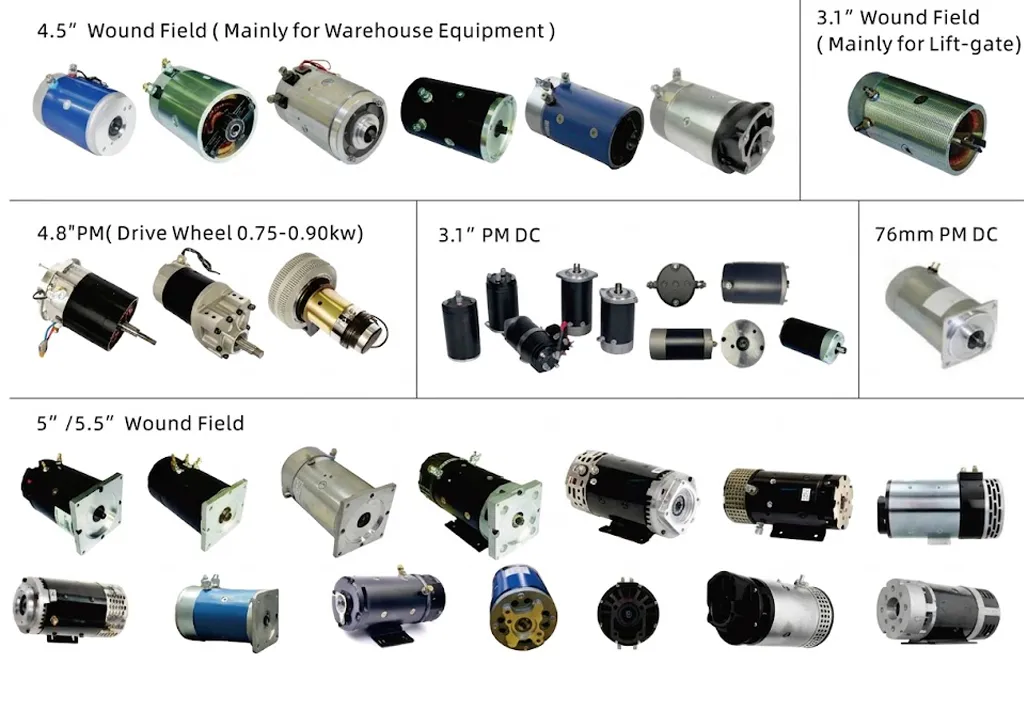
Application Scenarios
The compact size, multi-voltage availability, and gearbox compatibility of the EP-6-10W series make this small dc motor useful across a wide range of light-duty drive applications. Below are the primary sectors and equipment types where this series is commonly deployed.
Automated Dispensing & Dosing Equipment
Liquid dispensing pumps, reagent dosing heads, and peristaltic pump drives in laboratory and pharmaceutical environments across the UK and Europe use the K2D6-24C and K2D6-90C models for their precise speed-voltage relationship, which translates directly to a consistent volumetric flow rate. The 24 V version is particularly common on DC bus-powered laboratory benchtop equipment.
Office & Commercial Automation
Paper feed mechanisms, card transport systems, and ticket dispensers in point-of-sale and self-service kiosk equipment use small dc motor units at 12 V or 24 V supply. The EP-6-10W series is dimensionally suited to the compact motor mounting bays in these assemblies, and the 300 mm lead cable simplifies wiring in congested equipment enclosures.
Camera & Positioning Stage Drives
Pan-tilt camera positioning systems, microscope stage actuators, and optical alignment platforms in industrial inspection equipment in Japan, South Korea, and Australia routinely use permanent magnet dc motors at this power level. The reversible rotation via polarity change simplifies bidirectional positioning without additional relay logic, and the high no-load speed provides fast slewing with smooth deceleration when combined with a motion controller.
Agricultural Sensor & Valve Actuators
Irrigation valve actuators, seed singulator drives, and flow control mechanisms in precision agriculture equipment in Australia and North America use 12 V dc electric motors running from vehicle electrical systems. The K2D10-12□ at 2.0 A rated current is compatible with fused circuits on standard 12 V agricultural wiring harnesses, and the high-ratio 2GN gearbox option provides the slow valve-stem travel rate needed for reliable flow control.
Medical & Rehabilitation Equipment
Compact motorized joints in rehabilitation devices, infusion pump drives, and patient-assist equipment across European and Canadian healthcare systems use 24 V dc motor units for their low-voltage safety compliance and predictable speed-torque characteristics. The sealed motor body and compact dimensions allow integration into equipment where hygiene, weight, and patient safety standards apply simultaneously.
Packaging & Labeling Machinery
Label unwinding drives, batch code stamp feeds, and web-tension control motors on packaging lines across Brazil, France, and Southeast Asia use the K2D10-24□ with a mid-ratio 2GN gearbox to achieve controlled web speed without the complexity of a servo-based dc motor drive system. The simplicity of voltage-based speed control also reduces the maintenance burden in facilities without dedicated servo technician support.
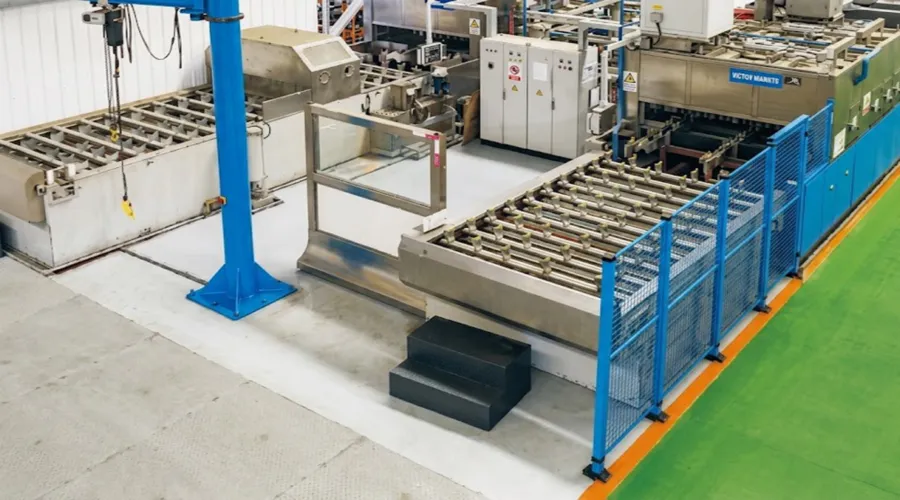
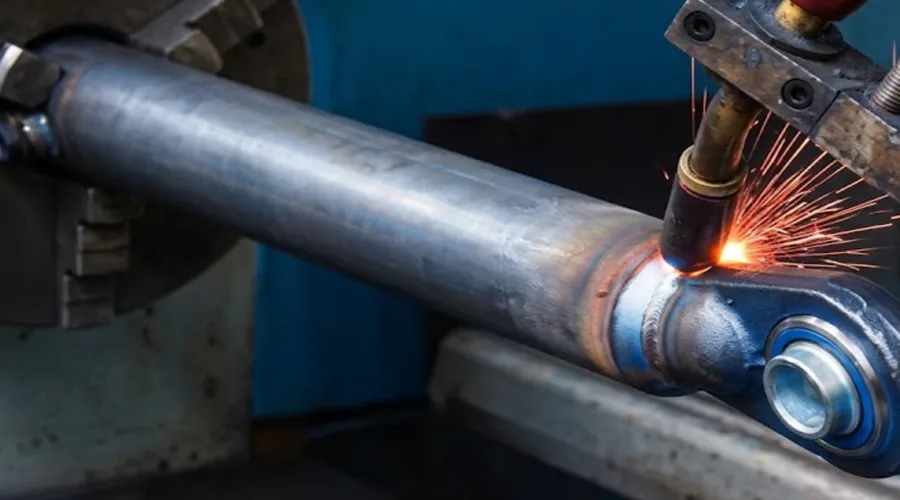
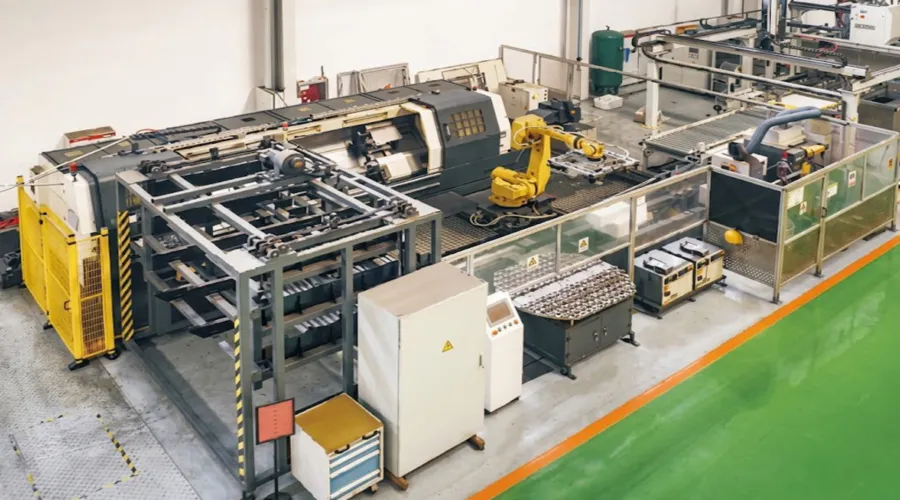
About Our Manufacturing Facility
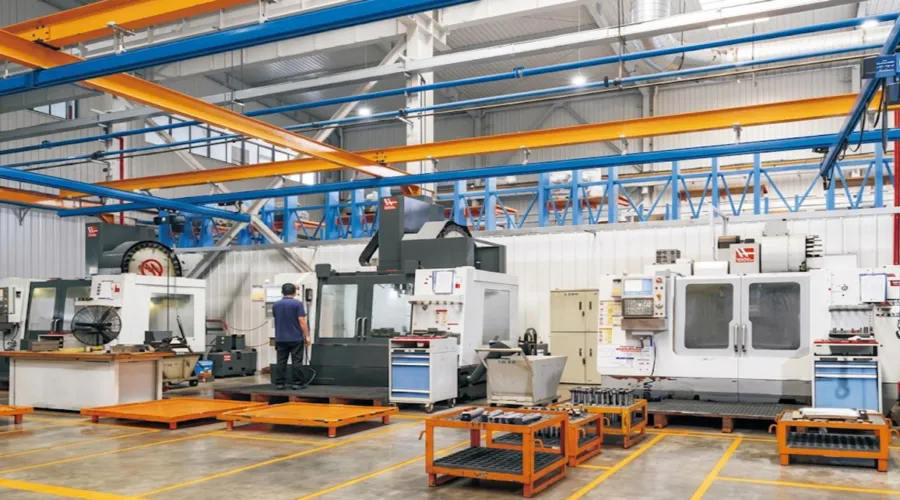
Backed by more than a decade of hands-on experience in mechanical and electrical drive systems, our engineering and production team brings deep expertise to every product we manufacture. Our portfolio spans agricultural gearboxes, worm gear reducers, planetary gear drives, power take-off shafts, hydraulic cylinders, gears, chains, and motors — all produced under one roof, giving us end-to-end control from raw material to finished product.
Operating under ISO 9001:2015 quality management certification, we design and produce a comprehensive range of standard and non-standard gearboxes and mechanical assemblies in ductile iron, cast iron, cast steel, precision cast steel, and cast aluminum. Gears, sprockets, worm gears, pulleys, worms, shafts, and associated mechanical components are manufactured in-house — covering both catalogue items and custom OEM specifications.
ورشة عمل
Related Products
The EP-6-10W dc motor integrates cleanly with other drive components from our manufacturing range. Sourcing matched motor and gearbox products from a single supplier reduces interface risk and simplifies procurement for OEM builders and system integrators globally.
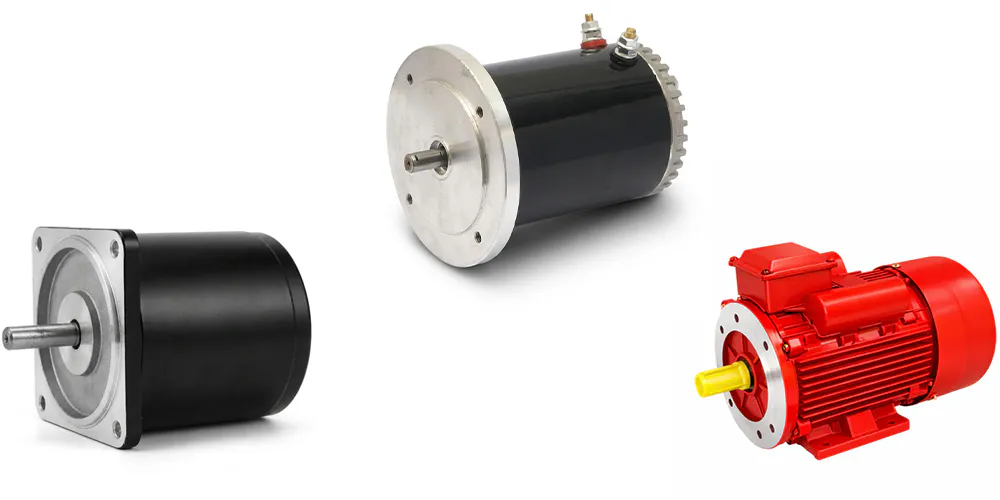
DC Motor Range
Beyond the 6-10 W class, our complete dc motor series covers a wide power and voltage spectrum — including higher-power high torque dc motor models, dc motor high speed variants, and brushless configurations for applications requiring longer service intervals. Whether you need a compact small dc motor for an instrument panel drive or a higher-power unit for a heavier-duty automation application, our range provides a scalable solution within the same product family and consistent dimensional standards.
Worm Gearbox Range
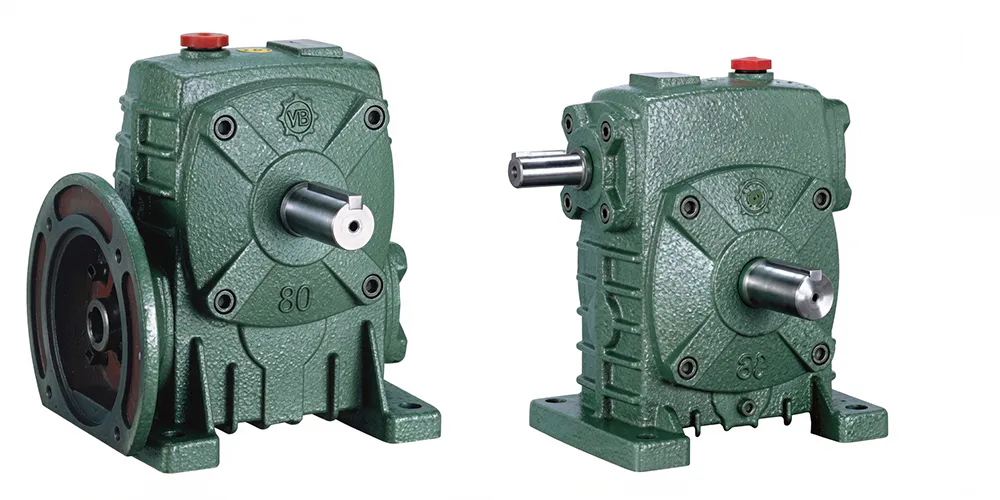
For applications requiring higher torque output than the 2GN spur gearbox series can deliver within its compact footprint, our worm gearbox range provides frame sizes from 40 mm through 250 mm center distance with ratios to 1/60 and output torques suitable for heavier-duty drives. Worm gearboxes pair naturally with larger-frame AC and DC motor inputs and provide inherent back-driving resistance at high ratios — useful in vertical or load-holding drive applications where the compactness of the EP-6-10W motor-gearbox combination is not the primary constraint.
الأسئلة الشائعة
المحرر: PXY