
The Crucial Role of Mechanical Transmission in Malt Processing
In the competitive landscape of the food and beverage industry, particularly within breweries and distilleries, the continuous flow of raw materials is essential. The malt handling system acts as the lifeblood of these operations, transporting abrasive grains from storage silos through mills and into the mash tun. Any interruption in this sequence cascades into significant production delays and financial losses. The core component ensuring this seamless transition is the mechanical transmission system, primarily driven by a robust single speed reducer. This mechanism translates high-speed motor rotation into the precise, high-torque output required to move heavy, dense malt efficiently through conveyors and elevators.
A failure in this component halts the entire brewing process. A customized single speed reducer, specifically engineered for the high-dust and occasionally humid environments of a brewhouse, provides the necessary reliability. When evaluating how to speed up single hive reducer bottleneck issues in older facilities, upgrading the primary transmission unit often yields the most immediate improvements in system throughput. Manufacturers worldwide rely on continuous operation, making the selection of a resilient speed reducer a critical engineering decision rather than a mere purchasing task.
Structural Integrity and Manufacturing Standards
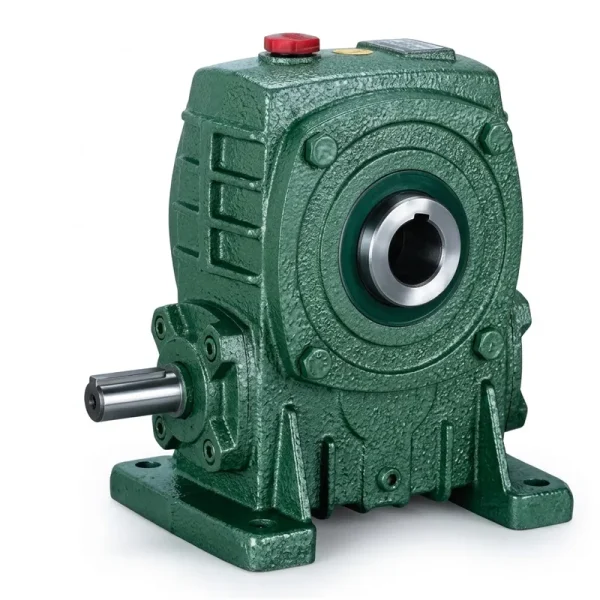
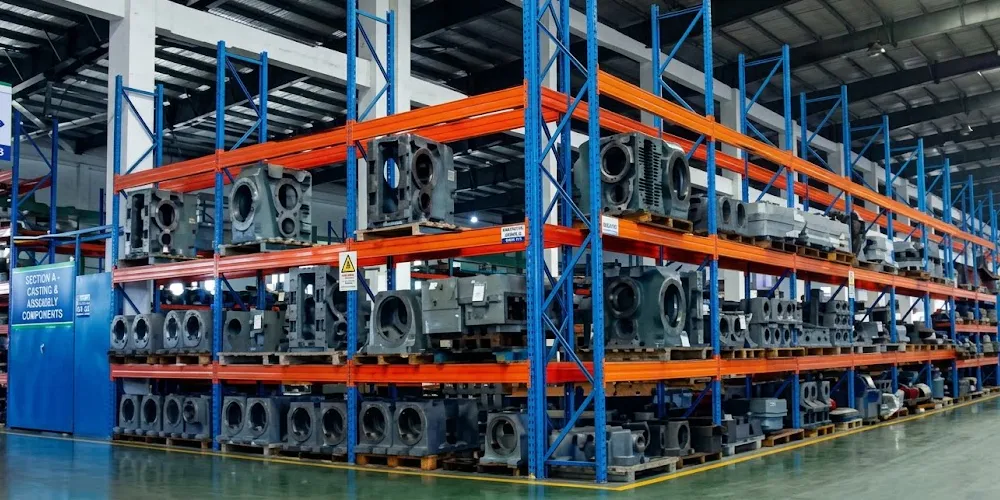
The architectural design of a single speed reducer transmission dictates its operational longevity. A well-constructed single reduction worm reducer must withstand constant shock loads as malt surges through the system. The housing is typically fabricated from high-grade cast iron or rigid aluminum alloys, providing the structural rigidity needed to maintain precise gear alignment under heavy stress. This robust casing not only supports the internal components but also serves as a primary defense against the ingress of fine malt dust, which can quickly degrade internal lubricants and bearings.
Inside the housing, the relationship between the worm shaft and the worm wheel is fundamental. Precision machining ensures that the contact area between these two components is maximized, reducing localized wear. This meticulous manufacturing process is crucial for maintaining the efficiency of the single speed gear reducer over years of continuous service. When considering a EP-WPKA 5-260 Kg مخفض سرعة أحادي, operators are selecting a unit where structural integrity is prioritized, minimizing the risk of catastrophic housing failure during peak production demands in global markets.
Material Composition for High-Stress Environments
The durability of any speed reducer worm gearbox hinges directly on the material science applied to its internal components. The worm shaft is generally forged from high-quality alloy steel, subsequently case-hardened and ground to exact tolerances. This process imparts an incredibly hard outer surface resistant to wear, while maintaining a tough core capable of absorbing the shock loads inherent in malt conveying. The selection of this material is a critical factor distinguishing a premium worm reducer from standard commercial variants.
Conversely, the worm wheel typically utilizes a centrifugally cast bronze alloy. This dissimilar metal pairing is an engineering staple in worm gear reducer manufacturers, designed to provide a low-friction contact surface that sacrifices the wheel slightly over time to preserve the harder, more expensive worm shaft. The bronze alloy must possess specific metallurgical properties to withstand the sliding friction inherent in the single stage right-angle worm-gear speed reducer design. Proper material selection ensures consistent heat dissipation and minimizes the risk of premature gear failure, a common cause of downtime in rigorous distillery applications.
Optimizing the Single Speed Reducer for Food Safety
In breweries and distilleries, food safety compliance is non-negotiable. While the transmission single speed reducer might not directly contact the malt in most conveyor setups, its proximity demands specific operational standards. Equipment must not introduce contaminants into the processing environment. Therefore, modern reducers are designed with advanced sealing technologies. Double-lip seals and specialized labyrinth arrangements are implemented to prevent the leakage of lubricating oil, which could otherwise pose a severe contamination risk to the raw ingredients.
Furthermore, the exterior finish of the worm speed reducer is often subjected to special treatments. Epoxy coatings or specialized paints resistant to harsh cleaning chemicals allow for rigorous washdown procedures without degrading the unit’s exterior housing. This attention to detail in the design phase ensures that the single speed reducer transmission supports the facility’s overall Hazard Analysis and Critical Control Points (HACCP) protocols. Selecting a single speed reducer manufacturer that understands these strict hygiene requirements is essential for operators aiming to maintain impeccable facility standards across international markets.
Maintenance Strategies for Continuous Reliability
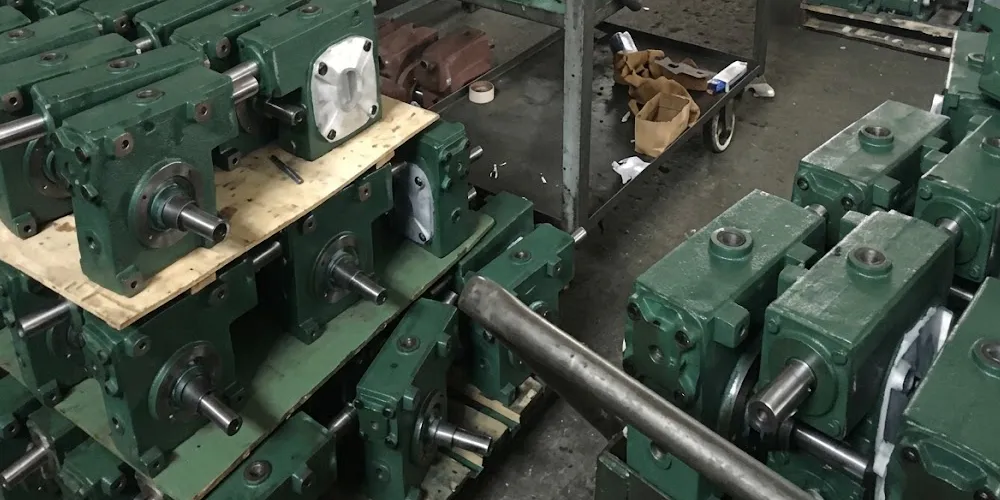
Even the most robustly constructed single speed worm gear reducer requires a proactive maintenance schedule to guarantee continuous reliability. The abrasive nature of malt dust means that breather valves on the gearbox must be regularly inspected and cleaned to prevent internal pressure buildup, which can compromise seals. Implementing a strict lubrication regimen is perhaps the most critical maintenance task. Utilizing the correct grade of synthetic oil, specifically formulated for the operating temperatures and loads of a heavy duty worm drive gearbox, significantly extends the operational lifespan of the unit.
Regular vibration analysis and thermal imaging are becoming standard practices in modern facilities. These non-intrusive techniques allow technicians to detect slight misalignments or bearing wear before they develop into catastrophic failures that halt the entire malt handling system. By integrating these predictive maintenance strategies, facility managers can schedule downtime for a worm gear reducer installation or replacement during planned maintenance windows, rather than reacting to an unexpected breakdown that stops production entirely.
System Integration: Motors and Gearboxes
A single speed reduction system does not operate in isolation. Its efficiency is intrinsically linked to the motor driving it. Ensuring seamless system compatibility between the المحركات الكهربائية and the reducer is vital for maximizing torque transfer and minimizing energy waste. An improperly matched motor and single speed reducer can lead to rapid wear on the input shaft bearings or overheating due to inefficient power transfer.
Sourcing a comprehensive drive solution from a single supplier often resolves these integration issues. When the علبة تروس دودة and motor are engineered to work together, operators benefit from a streamlined installation process and guaranteed performance metrics. This unified approach to mechanical transmission provides a more stable and reliable power delivery system, essential for the demanding continuous operation cycles found in large-scale breweries and distilleries.
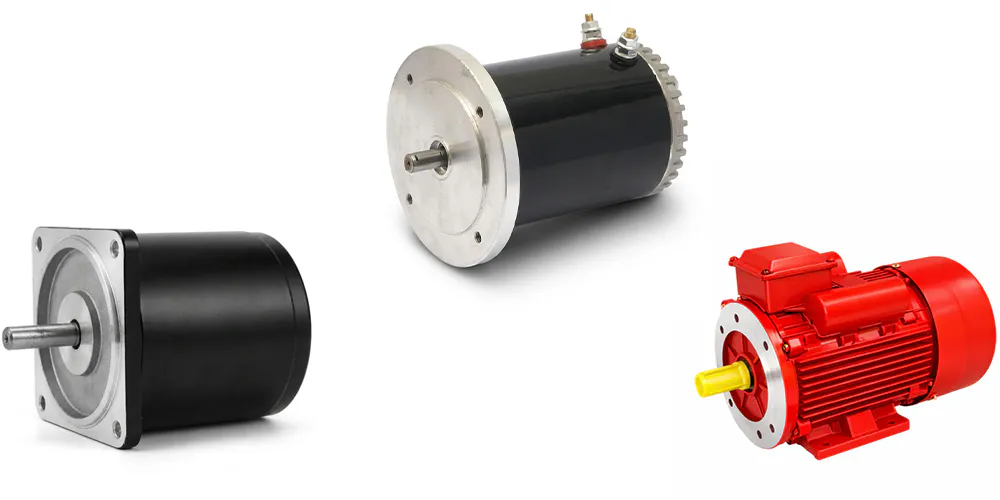
Compatible Electric Motors
Engineered for perfect synergy with our reduction units.
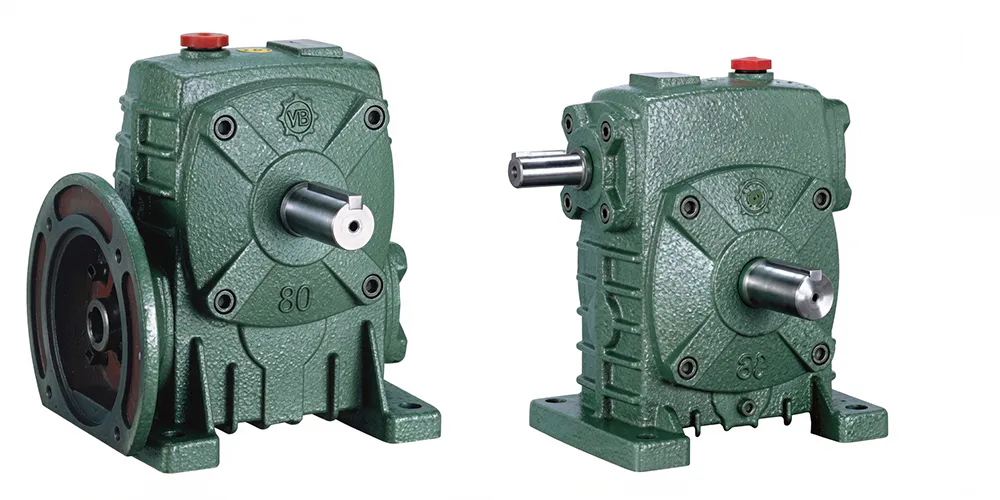
Comprehensive Worm Gearbox Lines
Reliable torque transfer solutions for heavy industry.
Technical Parameters for Selection
Selecting the correct single speed reduction unit requires careful evaluation of technical specifications relative to the application’s demands. Below is a simplified comparison chart demonstrating key parameters to consider during the specification process.
| Parameter | Significance in Malt Handling | Typical Specification Range |
|---|---|---|
| Input Power Capacity | Determines the size of the motor that can be safely coupled without overloading the single speed reducer transmission. | Fractional HP up to 150+ HP depending on scale. |
| Output Torque | Crucial for moving dense, heavy loads of wet or dry malt along lengthy conveyors. | Varies widely based on ratio; essential for heavy duty worm drive gearbox selection. |
| Reduction Ratio | Dictates the final operating speed of the conveyor belt or bucket elevator relative to motor speed. | Typically ranging from 5:1 to 100:1 for a single stage speed reducer. |
| Housing Material | Provides the necessary structural rigidity and vibration dampening in high-throughput facilities. | Cast Iron (heavy duty) or Aluminum (lightweight). |
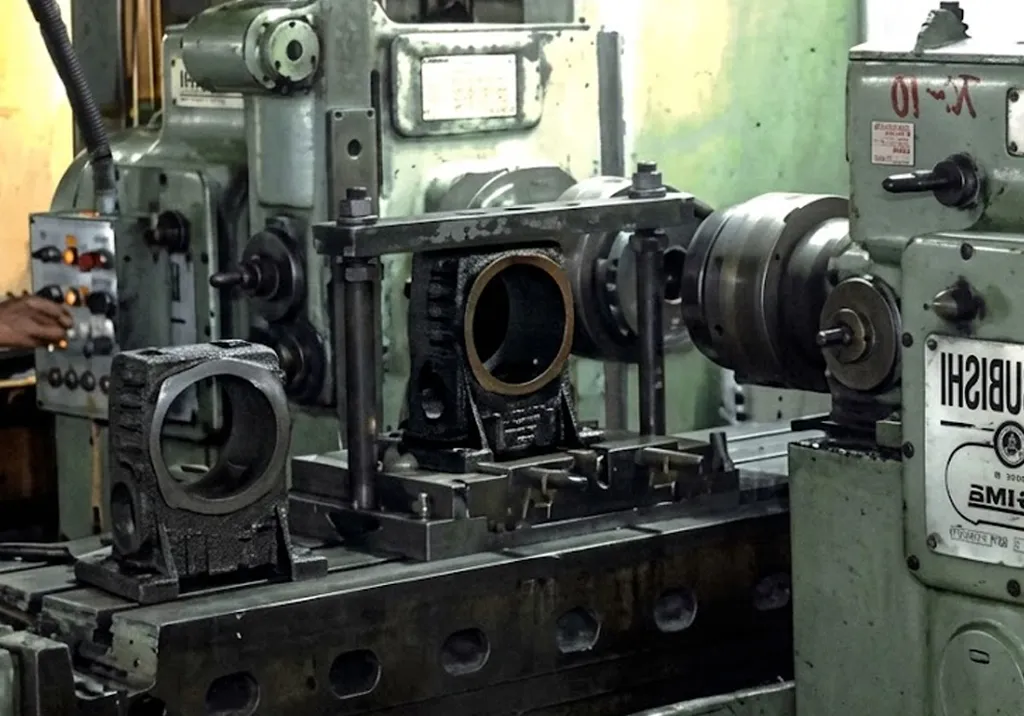
About Our Engineering Capabilities
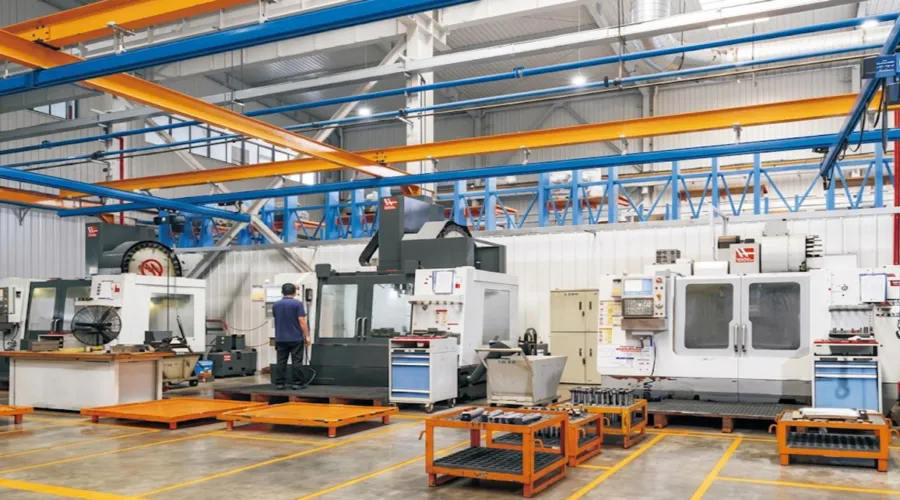
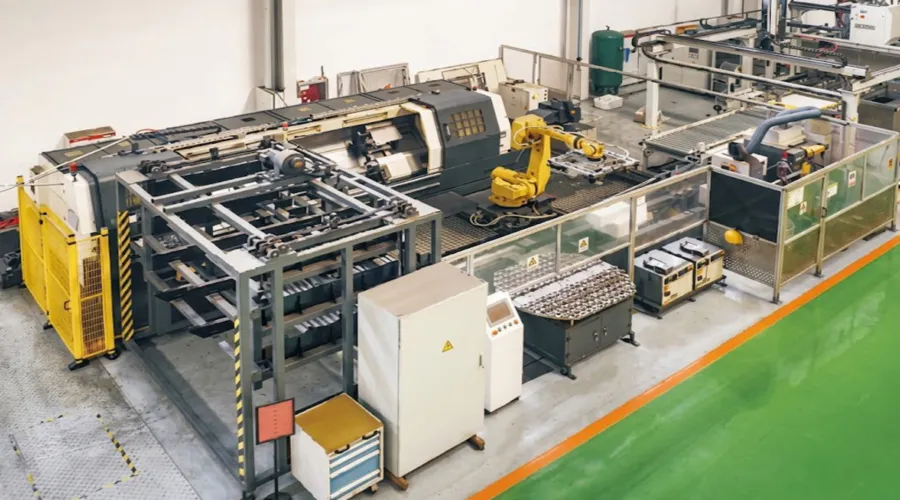
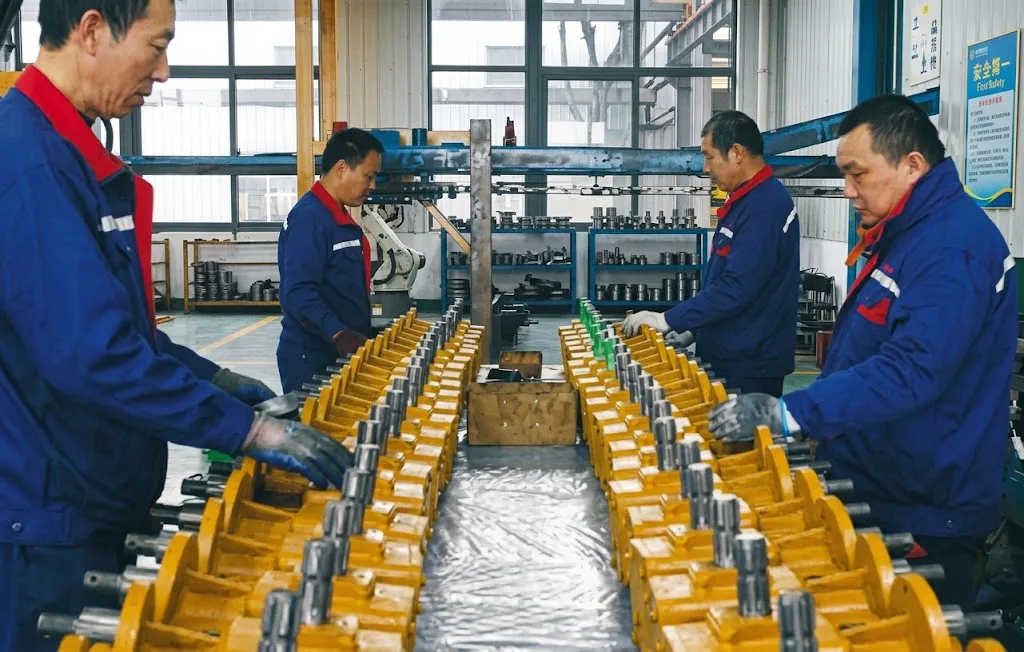
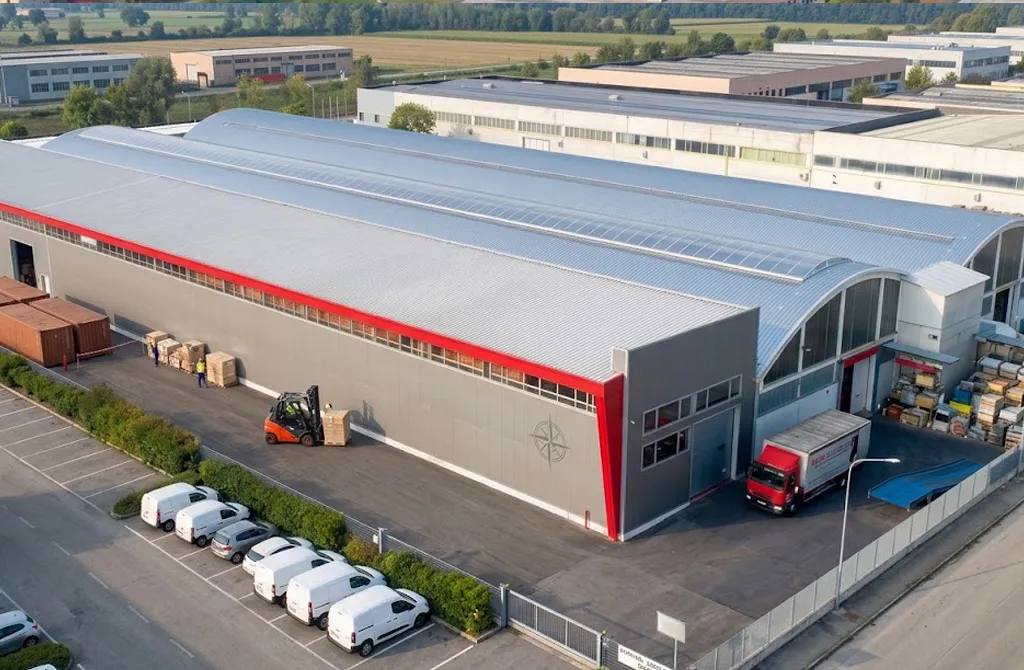
Our extensive manufacturing portfolio encompasses a comprehensive array of power transmission solutions, including agricultural drive systems, precision planetary gear mechanisms, robust power take-off units, and customized hydraulic cylinders. Operating under strict ISO 9001:2015 quality management standards, our facilities are equipped to engineer and produce high-performance industrial gear systems. We specialize in fabricating assemblies from diverse materials such as ductile iron, precision cast steel, and durable cast aluminum. From highly engineered sprockets and complex pulley systems to reliable worms, shafts, and various bespoke mechanical components, we deliver robust solutions designed for continuous industrial applications.
Workshop
الأسئلة الشائعة
Where can I find a reliable customized single speed reducer supplier for European distillery expansions?
What is the estimated cost to replace a failing single reduction worm reducer in a large malt facility?
How do you accurately calculate the necessary worm gear reduction ratio for a heavy grain conveyor belt?
Which high torque worm gearbox design is most efficient for preventing downtime in abrasive brewing environments?
When should maintenance teams schedule a complete single stage right-angle worm-gear speed reducer overhaul?
المحرر: PXY