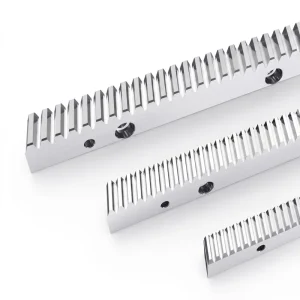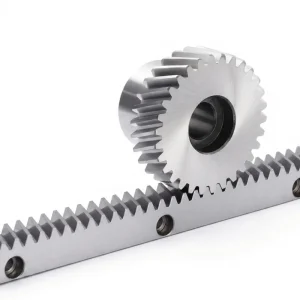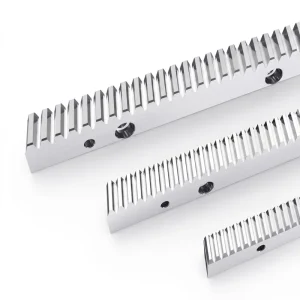
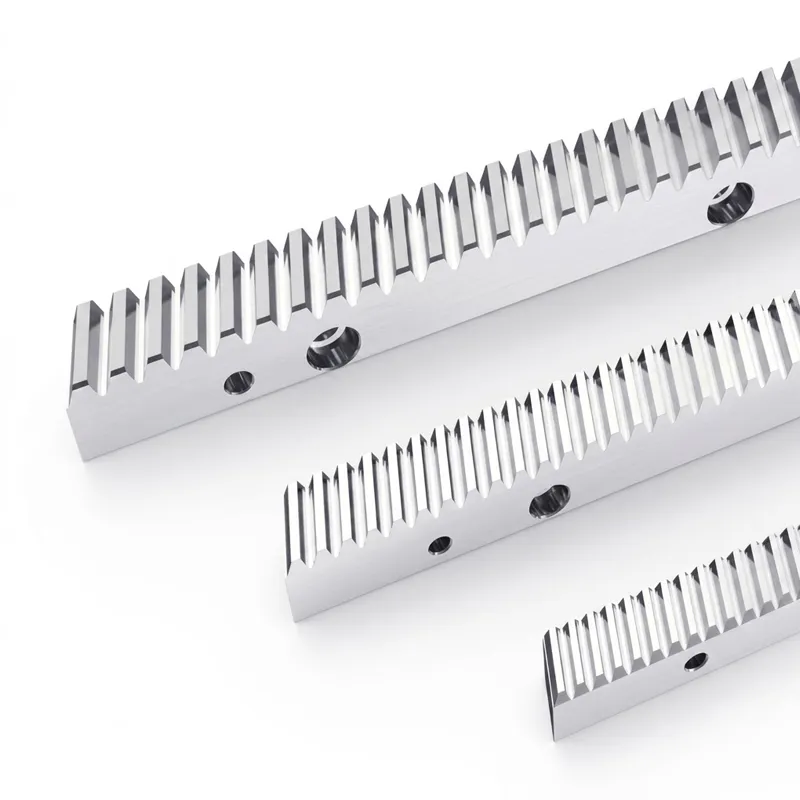
EP-S45C Helical Gear Rack — High Frequency Quenching HRC48–52°
The helical tooth geometry — profiled at a right helix angle of 19°31’42” — is the defining characteristic that sets this series apart from conventional straight spur gear racks. Helical engagement distributes the meshing load progressively across each tooth flank, which reduces the audible noise level and the dynamic impact force on each rack tooth contact. The result is a smoother, lower-vibration drive that extends the service life of both the rack and the mating pinion, even under duty cycles that would wear a spur-tooth equivalent prematurely. This makes the series a practical helical rack choice for applications requiring moderately quiet, consistent linear motion at a sensible cost point.
Standard segments are available in 500 mm and 1 000 mm lengths, and the module range spans 1.5 through 12, offering genuine design flexibility for engineers calculating the appropriate gear ratio of rack and pinion for their specific drive requirement. Racks without hole patterns are available by appending the suffix “N” to the model code — for example, SOTER010N — making them suitable for clean-room or smooth-surface mounting configurations. Custom cross-sections and non-standard lengths are accepted on drawing submission, supporting OEM customers who need a custom gear rack tailored to their proprietary frame geometry.
EP-S45C Helical Gear Rack — High Frequency Quenching HRC48–52°
DIN8 International Grade 7 Accuracy · Helical Tooth Profile · Right Helix Angle 19°31'42" · Surface Hardness HRC48–52°
Technical Specifications at a Glance
| المعلمة | مواصفة |
|---|---|
| Accuracy Level | DIN8 International Grade 7 |
| مادة | S45C Medium-Carbon Steel |
| Tooth Profile | Helical teeth (斜齿) |
| Right Helix Angle | 19°31'42" |
| Hardness Treatment | High-frequency quenching HRC48–52° |
| Production Process | Four-side flat grinding · Fine insertion · Surface blackening or phosphating |
| Standard Lengths | 500 mm / 1 000 mm |
| Module Range | 1.5 – 12 |
| Hole-free Option | Available — append suffix "N" to model code (e.g. STOER010N) |
Dimensional Parameters (Unit: mm)
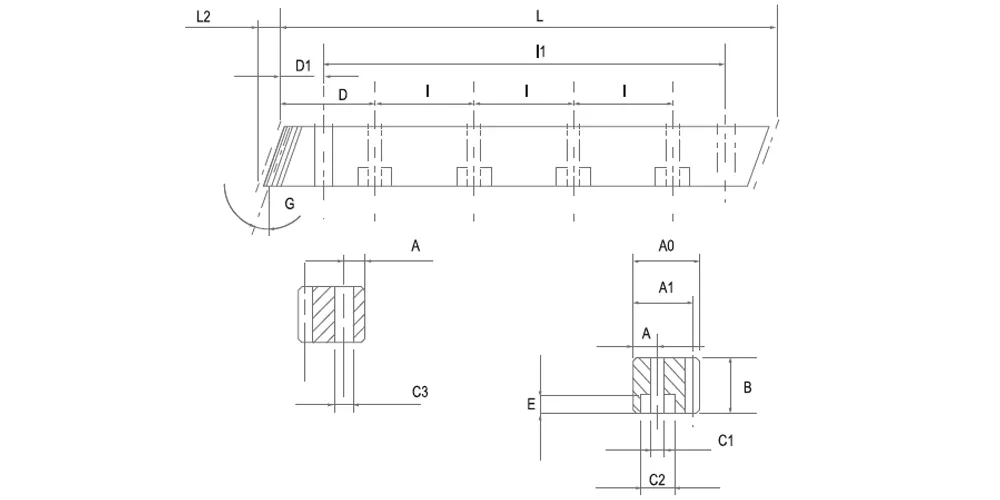
End face pitch Pe = Module × π / COS(19°31'42") | Fp = Total pitch deviation | All dimensions in millimetres.
| Code | وحدة | Pt | الطول (مم) | L2 (mm) | Tooth No. | ب | A0 | A1 | D | I | Hole No. | أ | C1 | C2 | هـ | D1 | I1 | C3 | Fp |
|---|---|---|---|---|---|---|---|---|---|---|---|---|---|---|---|---|---|---|---|
| 772 010 050 | 1.5 | 4.9999 | 500.00 | 6 | 100 | 17 | 17 | 15.5 | 62.5 | 125 | 4 | 7 | 6 | 9.5 | 7 | 31.7 | 436.6 | 5.7 | 0.08 |
| 772 010 100 | 1.5 | 4.9999 | 1000.00 | 6 | 200 | 17 | 17 | 15.5 | 62.5 | 125 | 8 | 7 | 6 | 9.5 | 7 | 31.7 | 936.6 | 5.7 | 0.09 |
| 772 015 050 | 1.5 | 4.9999 | 500.00 | 6.74 | 100 | 19 | 19 | 17.5 | 62.5 | 125 | 4 | 8 | 7 | 11 | 7 | 31.7 | 436.6 | 5.7 | 0.08 |
| 772 015 100 | 1.5 | 4.9999 | 1000.00 | 6.74 | 200 | 19 | 19 | 17.5 | 62.5 | 125 | 8 | 8 | 7 | 11 | 7 | 31.7 | 936.6 | 5.7 | 0.09 |
| 772 020 050 | 2 | 6.6666 | 500.00 | 8.5 | 75 | 24 | 24 | 22 | 62.5 | 125 | 4 | 8 | 7 | 11 | 7 | 31.7 | 436.6 | 5.7 | 0.08 |
| 772 020 100 | 2 | 6.6666 | 1000.00 | 8.5 | 150 | 24 | 24 | 22 | 62.5 | 125 | 8 | 8 | 7 | 11 | 7 | 31.7 | 936.6 | 5.7 | 0.09 |
| 772 030 050 | 3 | 9.9999 | 500.00 | 10.3 | 50 | 29 | 29 | 26 | 62.5 | 125 | 4 | 9 | 10 | 15 | 9 | 35.0 | 430.0 | 7.7 | 0.088 |
| 772 030 100 | 3 | 9.9999 | 1000.00 | 10.3 | 100 | 29 | 29 | 26 | 62.5 | 125 | 8 | 9 | 10 | 15 | 9 | 35.0 | 930.0 | 7.7 | 0.101 |
| 772 040 050 | 4 | 13.3333 | 506.67 | 13.8 | 38 | 39 | 39 | 35 | 62.5 | 125 | 4 | 12 | 10 | 15 | 9 | 33.3 | 433.0 | 7.7 | 0.095 |
| 772 040 100 | 4 | 13.3333 | 1000.00 | 13.8 | 75 | 39 | 39 | 35 | 62.5 | 125 | 8 | 12 | 10 | 15 | 9 | 33.3 | 933.4 | 7.7 | 0.109 |
| 772 050 050 | 5 | 16.6666 | 500.00 | 17.4 | 30 | 49 | 39 | 34 | 62.5 | 125 | 4 | 12 | 14 | 20 | 13 | 37.5 | 425.0 | 11.7 | 0.095 |
| 772 050 100 | 5 | 16.6666 | 1000.00 | 17.4 | 60 | 49 | 39 | 34 | 62.5 | 125 | 8 | 12 | 14 | 20 | 13 | 37.5 | 925.0 | 11.7 | 0.109 |
| 772 060 050 | 6 | 19.9999 | 500.00 | 20.9 | 25 | 59 | 49 | 43 | 62.5 | 125 | 4 | 16 | 18 | 26 | 17 | 37.5 | 425.0 | 15.7 | 0.095 |
| 772 060 100 | 6 | 19.9999 | 1000.00 | 20.9 | 50 | 59 | 49 | 43 | 62.5 | 125 | 8 | 16 | 18 | 26 | 17 | 37.5 | 925.0 | 15.7 | 0.109 |
| 772 080 050 | 8 | 26.6667 | 480.00 | 28.0 | 18 | 79 | 79 | 71 | 60.0 | 120 | 4 | 25 | 22 | 33 | 21 | 120 | 240.0 | 19.7 | 0.1 |
| 772 080 100 | 8 | 26.6667 | 960.00 | 28.0 | 36 | 79 | 79 | 71 | 60.0 | 120 | 8 | 25 | 22 | 33 | 21 | 120 | 720.0 | 19.7 | 0.11 |
| 772 100 100 | 10 | 33.3333 | 1000.00 | 35.11 | 30 | 99 | 99 | 89 | 62.5 | 125 | 8 | 32 | 33 | 48 | 32 | 125 | 750.0 | 19.7 | 0.12 |
| 772 120 100 | 12 | 39.9999 | 1000.00 | 42.56 | 25 | 120 | 120 | 108 | 40 | 125 | 8 | 40 | 39 | 58 | 38 | 125 | 750.0 | 19.7 | 0.12 |
Racks without holes: append suffix "N" to the model code (e.g. STOER010N). Custom cross-sections and lengths available on drawing basis. Specifications subject to change — please confirm before ordering.
Working Principle of a Helical Gear Rack
أ gear rack is a linear bar with uniformly spaced teeth that converts rotary motion into straight-line displacement. When a toothed pinion meshes with the rack, its rotation drives the rack along its axis — or, in fixed-rack configurations, propels the pinion carriage down the rack's length. This is the core of every rack and pinion gear drive, and the operating principle is unchanged whether you are driving a small rack and pinion lab stage or a large portal crane traverse mechanism. What varies between designs is the tooth geometry, module, and accuracy grade selected for the application.
In this series, the angled helical tooth — cut at 19°31'42" — contacts the mating pinion gradually across the tooth width rather than at a single instant. That progressive engagement means multiple tooth pairs share the transmitted force simultaneously, lowering the per-tooth stress and minimising the vibration pulse that spur gear racks generate at each tooth-change event. Engineers designing rack and pinion linear slides or conveyor transfer units will notice an immediate reduction in audible noise and a measurable decrease in positional jitter compared to an equivalent straight gear rack. The end-face pitch (Pe = Module × π / COS 19°31'42") relates directly to the pinion circumferential pitch; matching these correctly is the fundamental step in confirming the gear ratio of rack and pinion and, by extension, the theoretical linear speed per revolution of the drive pinion.
خمس مزايا رئيسية للأداء
① Cost-Efficient DIN8 Grade 7 Accuracy
For the broad majority of general-purpose rack and pinion gear applications — including logistics conveyors, sliding gates, and packaging machinery — DIN8 Grade 7 delivers sufficient positional consistency without the premium cost of tighter-tolerance grinding. This makes the EP-S45C series one of the most cost-accessible linear rack and pinion solutions for volume OEM procurement across North America, Australia, and the UK market.
② HRC48–52° Induction-Hardened Tooth Surface
High-frequency induction quenching raises tooth surface hardness to HRC48–52° while preserving a ductile core. This differential ensures that when the rack pinion gear mesh operates under sustained load, surface pitting and abrasive wear progress slowly — extending intervals between rack replacement and keeping total cost of ownership low over a multi-year equipment lifecycle. Applications in South Korean material-handling facilities and Brazilian agricultural processing lines benefit particularly from this durability.
③ Smooth Helical Tooth Engagement
The 19°31'42" helix angle ensures that tooth load transfer is spread across the face width gradually, producing markedly lower noise and vibration than any comparable spur gear rack of the same module. In printing and packaging lines where vibration leads to product damage or registration error, this characteristic alone can justify the rack choice — a performance advantage that is immediately felt rather than just described on a datasheet.
④ Four-Side Flat Grinding Process
Post-quench four-side flat grinding corrects the thermal distortion introduced by induction hardening and establishes a reliable datum face on all four bar sides. This simplifies installation in guide channels and ensures that the gear rack beds squarely against its mounting face without shimming — a practical benefit noticed by engineers assembling linear gear rack systems in automation factories across the Netherlands and Canada.
⑤ Broad Module Selection & Custom Flexibility
Modules 1.5 through 12 address the full spectrum from compact small gear rack drives in measurement instruments to large-module heavy-duty shelves gear rack structures in automated warehouses. The option to order without mounting holes — useful in T-slot or adhesive-mounting configurations — together with drawing-based customisation for non-standard widths, makes this the go-to custom gear rack range for OEMs across diverse industries worldwide.
Material & Surface Treatment
S45C is a well-established medium-carbon structural steel, specified extensively in Asian and European gear manufacturing standards for general mechanical components. Its carbon content — nominally 0.45% — places it at the upper end of readily machinable carbon steels, giving tooth blanks that cut cleanly, hold dimensional tolerance through the milling and grinding stages, and respond predictably to induction hardening treatment. The resulting HRC48–52° tooth surface is hard enough to resist the contact fatigue that shortens rack pinion gear service life in continuous-duty equipment, while the un-hardened core retains the toughness needed to handle sudden load spikes without brittle fracture. For most general industrial applications — conveyor systems, automated gates, light-to-medium CNC axes, and agricultural equipment — S45C delivers everything the gear rack drive needs at a clearly justified material cost.
Surface finishing is applied after heat treatment: options include blackening (oxidising) for moderate corrosion resistance in controlled indoor environments, and phosphating for improved paint adhesion and rust inhibition in equipment destined for humid or outdoor exposure. Both finishes are applied uniformly across all ground faces and tooth flanks without measurably altering final dimensions. Buyers specifying gears rack and pinion components for agricultural machinery in humid Colombian or Brazilian climates typically favour the phosphated option, while standard blackening suffices for climate-controlled factory automation.
سيناريوهات التطبيق
Automated Sliding Gates & Barriers
Residential and commercial automated sliding gates use a gear rack bolted along the gate rail, driven by a compact motor-pinion unit. The EP-S45C series in Module 3–4 is particularly popular for this application across the UK and Australian markets, where gate widths of 4–8 metres are standard and the helical design ensures quiet operation in noise-sensitive suburban installations.
Conveyor Transfer & Sorting Systems
Wide-belt conveyor transfer units in logistics hubs rely on rack and pinion linear slides to index diverter blades and transfer carriages accurately without the compliance issues inherent in belt or chain linear drives. The helical tooth geometry handles the cyclic start-stop loading of sorting duty more smoothly than a straight gear rack, reducing drive motor wear and extending overall system uptime.
Agricultural Implement Adjustment
Precision seeding equipment and sprayer boom systems use linear gear rack mechanisms to adjust row-unit spacing or implement depth via servo actuators. S45C with phosphating holds up well to field conditions, and the broad module offering — from Module 1.5 for fine-pitch adjustment heads up to Module 8 for heavy tillage-depth cylinders — covers the full range of implement drive requirements.
Light CNC Router Axes
Woodworking and foam-cutting CNC routers with working widths up to 2 000 mm frequently specify a helical rack drive on the primary traverse axis, driven by a servo motor through a matched pinion. DIN8 Grade 7 accuracy is adequate for these machines' positional tolerance budgets, making the EP-S45C series a cost-effective axis drive without the higher procurement cost of DIN5 or DIN6 components.
Packaging & Labelling Machinery
Horizontal form-fill-seal machines and labelling systems use compact small rack and pinion mechanisms to drive jaw-closure and product-pitch timing axes where belt or lead-screw drives would introduce too much compliance at the packaging speeds demanded by modern food and pharmaceutical lines. Module 2–3 racks are typical in this sector, often combined with a backlash-reducing spring-preloaded pinion arrangement.
Stage & Entertainment Rigging
Theatrical stage automation systems — used throughout professional performance venues in the Netherlands and Canada — deploy gear rack and pinion drives to move scenery wagons, orchestra-pit lifts, and flying rigs along precision guide rails. The smooth helical tooth profile keeps acoustic noise at a level compatible with live performance environments, which is a firm technical requirement for permanent venue installations.
نبذة عن مصنعنا
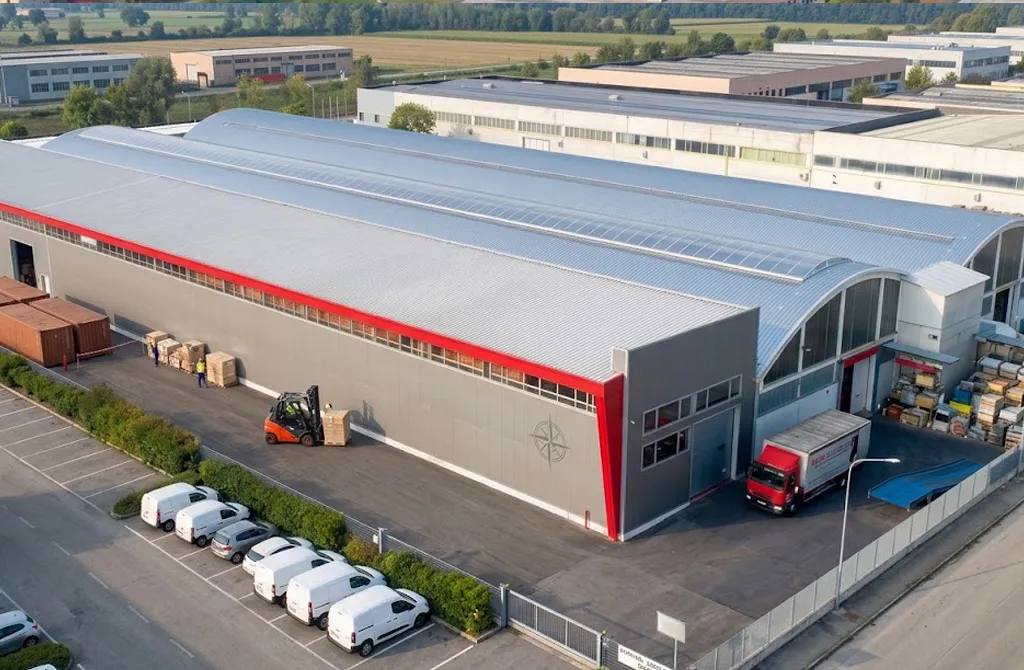
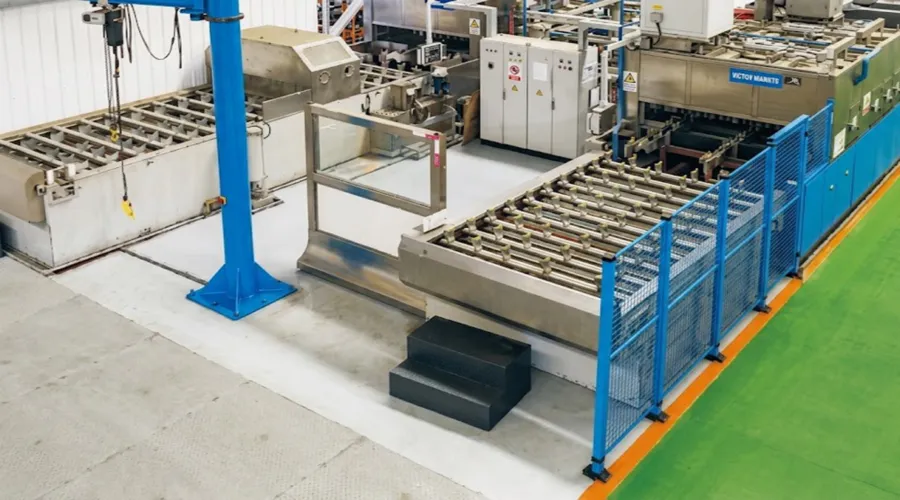
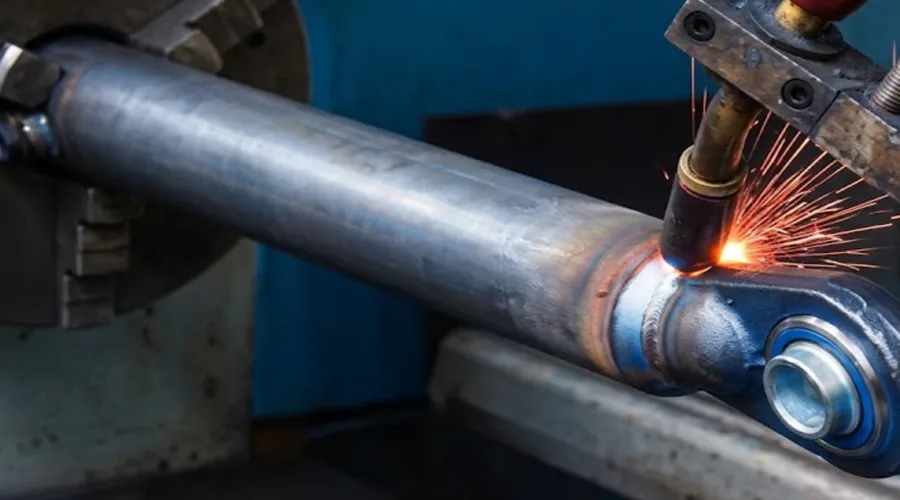
Our production facility brings together more than ten years of applied expertise in mechanical power transmission manufacturing. Holding ISO 9001:2015 certification, we operate a fully integrated machining and quality-assurance workflow that covers every production stage — from raw bar stock procurement through to final dimensional inspection and packaging for international export.
The products we manufacture span agricultural gearboxes, worm gear reducers, planetary gear drives, PTO shafts, hydraulic cylinders, gears, sprockets, roller chains, and electric motors. Gearbox and assembly housings are produced in ductile iron, grey cast iron, cast steel, precision investment-cast steel, and die-cast aluminium, depending on the application load and thermal requirements. We supply both standard catalogue components — including the full gear rack range presented here — and non-standard mechanical parts produced to customer-supplied engineering drawings, with typical minimum order quantities and lead times confirmed at quotation stage. Whether you need a small trial batch or a long-term bulk supply agreement, our scheduling team can structure a supply plan that fits your procurement cycle.
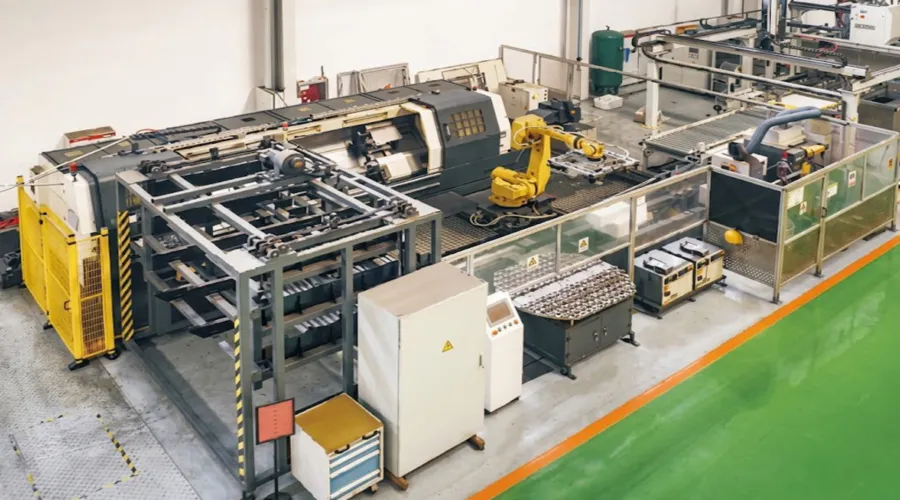
ورشة عمل
Related Products
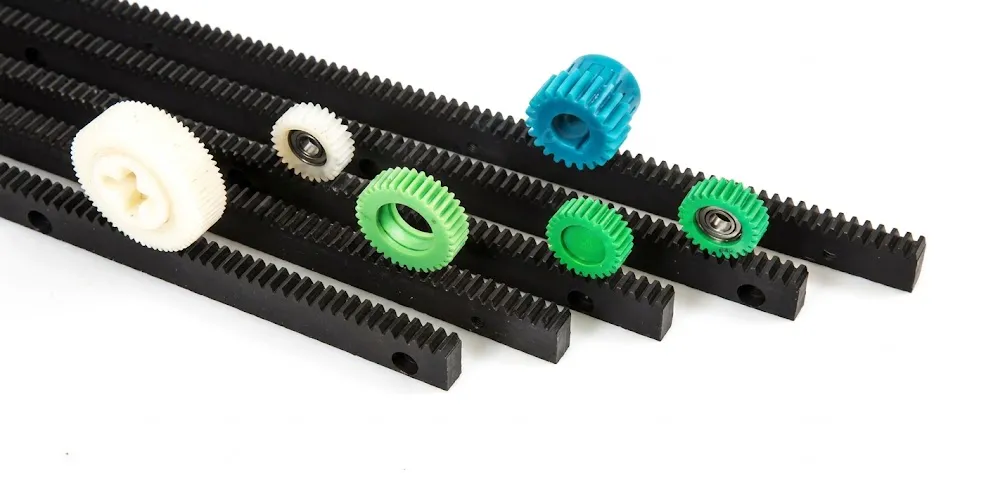
علبة تروس بلاستيكية
ملكنا plastic gear rack range provides an electrically non-conductive, corrosion-free alternative for applications where a steel gear rack would be over-specified or impractical. Produced from engineering-grade polymers with matched tooth geometry to our steel pinion offering, these racks drop into existing rack and pinion gear drive assemblies and deliver quieter operation in food-contact and clean-room environments. Same factory, same design standards — true one-stop supply.
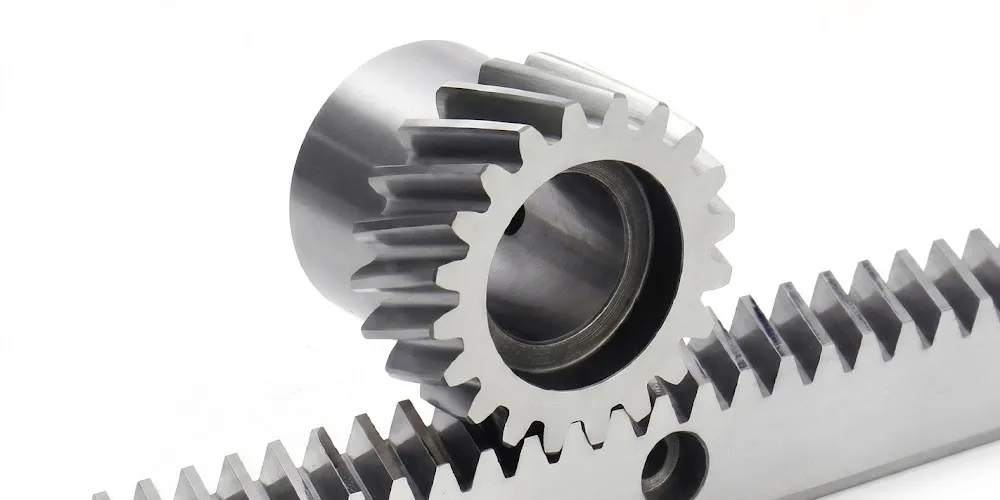
Helical Gear
The complete range of helical gears manufactured at the same facility pairs directly with this helical rack to form fully matched drivetrain assemblies. Because the angled tooth geometry is consistent between our helical pinion gears and the rack series here, designers of gearbox rack and pinion units avoid the tooth-mismatch problems that arise when sourcing components from separate suppliers. Combined procurement also simplifies quality traceability and logistics into a single purchase order.
الأسئلة الشائعة
المحرر: PXY