
Food & Beverage Industry — Meat Processing
A technical guide covering worm gear drive selection, hygienic construction standards, corrosion-resistant material systems, and maintenance considerations for high-throughput meat processing conveyor installations worldwide.
Meat packing and slaughterhouse operations present a combination of mechanical demands that few other food industry segments match. Overhead rail conveyors carrying carcass loads, floor-level gut and offal handling belts, high-speed deboning and trimming line conveyors, and chiller room product transfer systems all require drive components that can sustain continuous output under heavy loading conditions — while simultaneously surviving the aggressive washdown protocols, high-pressure water jets, steam cleaning cycles, and chemical sanitizer exposures that are mandated by food safety regulations in the US, EU, Australia, Canada, and most other major protein-producing markets.
Yang pengurang kelajuan tunggal is the drive component most directly responsible for controlling conveyor belt speed and maintaining output torque under variable product loads. In meat processing environments, the torque demands on conveyor drives fluctuate significantly as product density on the belt changes — a fully loaded portion of belt transitioning from a buffer accumulation zone to a processing station can see torque demands spike by 30–50% within a few seconds. A worm gear single speed worm reducer handles this transient loading without speed variation because its high-ratio output torque multiplication provides a large reserve capacity relative to steady-state running requirements.
This article covers why worm drive single stage speed reducers have become the preferred choice for meat processing facility engineers across North America, Europe, and Oceania, and how the WP series construction addresses the specific mechanical and hygiene requirements of slaughterhouse and meat packing conveyor applications.
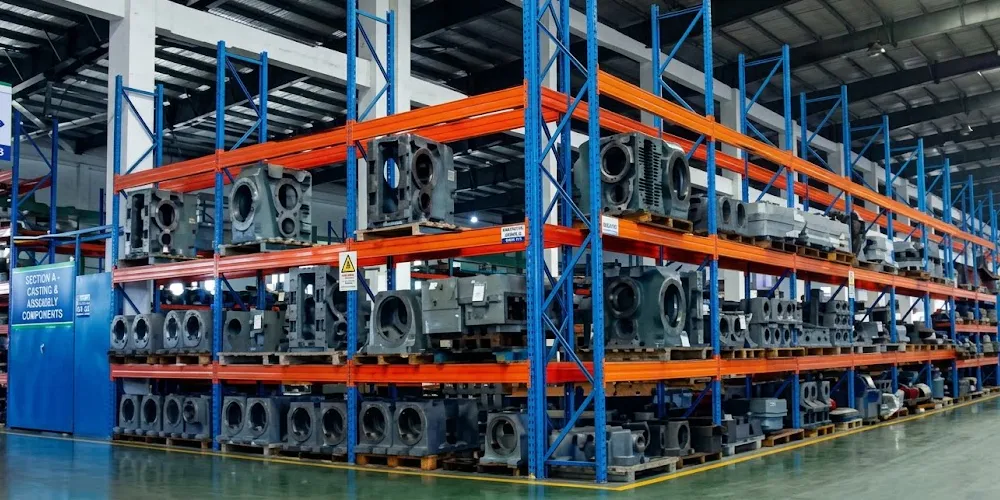
Why the Worm Gear Drive Architecture Suits Meat Processing Lines
The operating environment inside a meat packing facility places several constraints on drive equipment selection that are not present in general manufacturing. The combination of continuous water exposure, blood, fat, bone fragments, and aggressive cleaning chemicals creates a chemical attack scenario that eliminates many standard industrial reducer designs from consideration. Cast iron housings that are not properly sealed and finished corrode rapidly when exposed to sodium hydroxide or peracetic acid cleaning agents. Gearboxes with complex exterior profiles — recessed bolt heads, external fins with hidden pockets, exposed vent passages — accumulate organic debris that becomes a microbiological contamination hazard between cleaning cycles.
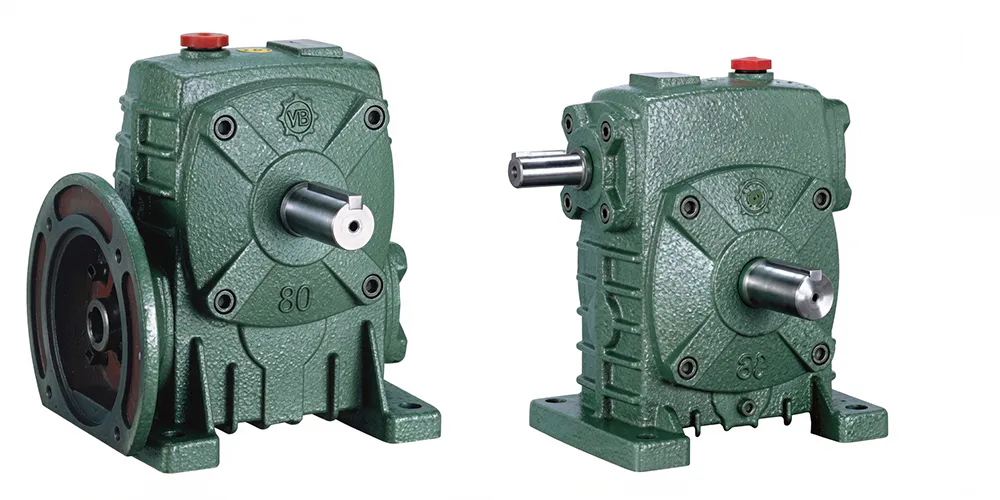
The worm gear pengurang kelajuan tunggal, particularly in the WP series housing configuration, avoids most of these failure modes. The compact, smooth-exterior cast iron housing presents minimal surface area for debris accumulation. All shaft exits are sealed with double-lip seals that prevent water ingress during high-pressure spray cleaning, which in most abattoir operations runs at 60–80 bar from handheld lances or automated CIP nozzles. The self-locking characteristic of the worm drive at ratios above approximately 1:20 also provides passive hold capacity on inclined overhead rail sections, preventing loaded carcass carriers from backsliding during brief drive interruptions or E-stop events.
From a throughput perspective, the smooth torque delivery of the worm gear pengurang gear kelajuan tunggal is particularly beneficial on evisceration and trimming conveyor lines where product dwell time at each work station must be precisely controlled. A drive that delivers consistent belt speed without micro-variations preserves the timing intervals between processing stations, allowing each operator to complete their cut or inspection within the allocated window. When belt speed varies — as it does with poorly sized or worn drive components — station timing shifts, quality consistency degrades, and line efficiency drops.
Produk Pilihan
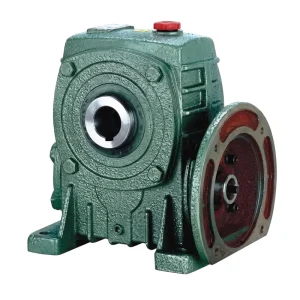
EP-WPDKA Single Speed Reducer (5–350 kg)
The EP-WPDKA is a dual-input, flange-mounted single-stage worm gear reducer with a hollow bore output, designed for installations where high torque output and compact mounting depth are both required. Its load capacity range of 5 to 350 kg and hollow bore output make it well suited for overhead rail conveyor drives and slaughterhouse trolley systems, where the drive must attach directly to the conveyor head shaft without extending the overall drive assembly beyond the available clearance zone.
| Model | EP-WPDKA |
| Load Range | 5 – 350 kg |
| Peringkat Gear | Pemacu cacing satu peringkat |
| Julat Nisbah | 1:10 hingga 1:60 |
| Output Type | Hollow bore (keyed) |
| Mounting | Flange (WPDKA dual-input variant) |
| Perumahan | Besi tuang HT200 |
| Piawaian Kualiti | ISO 9001:2015 certified |
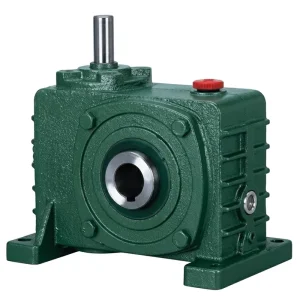
EP-WPKZ Single Speed Reducer (0.4–5.2 L Oil Capacity)
Meat processing facilities that operate on double or triple shift schedules — common in large-scale beef, pork, and poultry plants — require drive components that can sustain extended running intervals without scheduled oil change stoppages disrupting the shift pattern. The EP-WPKZ offers an extended oil sump from 0.4 to 5.2 liters combined with a flange-hollow-bore mounting configuration, providing the thermal mass advantage of the WPZ sump in a compact installation format suited to side-mounted conveyor drives. When filled with NSF H1-rated synthetic ISO VG 220 lubricant, the WPKZ achieves drain intervals of 4,000 hours or more, aligning oil service intervals with quarterly planned maintenance windows rather than monthly shutdowns.
Manufacturing Construction: Built for the Harshest Processing Environments
A worm gear pengurang kelajuan tunggal operating in a meat packing facility endures conditions that accelerate wear and corrosion on inadequately engineered components. Temperature swings from chiller rooms at 0–4°C to processing halls at 18–22°C cause condensation cycling on exterior surfaces. Blood and protein residue, if not removed completely during washdown, creates highly corrosive conditions on any exposed metal surface. High-pressure steam used in periodic sterilization cycles reaches temperatures that degrade standard elastomer shaft seals if FKM compounds are not specified. The construction details of the WP series worm gear single speed reducer address each of these failure mechanisms through deliberate component engineering rather than generic industrial design.
20CrMnTi alloy steel, carburized and case-hardened to 58–62 HRC, profile-ground to DIN tolerance class. The hardened thread surface withstands sustained high-torque sliding contact without developing scoring grooves that would accelerate bronze wheel wear.
Centrifugally cast phosphor bronze or tin-bronze alloy, providing a conformable wear surface that polishes against the steel worm during break-in. Nonferrous construction means wear debris is not magnetic — relevant in facilities operating inline magnetic metal detection on conveyor lines downstream of drive positions.
Gray cast iron HT200, ribbed for structural rigidity and passive heat dissipation. Exterior surfaces are machined and finished without exposed through-holes, blind pockets, or recessed cavities — the profile that auditors from USDA FSIS, EC Regulation 853/2004, and SQF certification programs identify as high-risk for debris accumulation in equipment hygiene assessments.
Double-lip rotary shaft seals, with FKM elastomer specified for meat processing installations where peracetic acid, lactic acid, and hot water exposure (up to 80°C) occurs during CIP and steam sterilization. FKM maintains seal integrity across a broader chemical and temperature range than standard NBR compounds.
45# medium-carbon steel, induction hardened and ground. ISO 773 keyway dimensions allow the use of stainless steel conveyor drive sprockets and couplings, which are commonly specified in wet meat processing zones to comply with EU and USDA stainless steel component requirements for equipment in direct product zones.
Mesh-filtered pressure equalization breather, designed to exclude high-pressure washdown spray from entering the housing during cleaning operations. In steam sterilization applications, the vent plug is temporarily removed and replaced with a solid plug to prevent steam-pressure-induced seal displacement.
Material System: Corrosion Resistance and Hygiene Compliance
Material compliance for drive equipment in meat processing facilities is evaluated against a more demanding set of criteria than general food processing, because the combination of organic acids, blood serum proteins, fat emulsification from cleaning detergents, and steam exposure creates multi-vector attack conditions on component materials. The material system of the WP single speed reducer series is structured to address these conditions across every component in the assembly, from the gear contact zone to the external housing surface.
| Komponen | Material / Grade | Meat Processing Compliance Factor | Performance Benefit |
|---|---|---|---|
| Aci cacing | 20CrMnTi, 58–62 HRC | No surface coating or plating that could flake into the production environment | Sustained wear resistance under high-torque, low-speed slaughterline operating conditions |
| Roda cacing | Phosphor bronze / tin-bronze | Non-magnetic wear debris — does not trigger inline magnetic separators on adjacent product conveyors | Progressive wear polishes the worm surface, extending worm shaft service life beyond typical helical gear set benchmarks |
| Perumahan | Besi tuang HT200 | Accepts food-safe epoxy coating or zinc primer for corrosion protection in wet zones | Vibration-damping mass reduces acoustic signature in operator-adjacent drive positions |
| Pengedap aci | FKM elastomer | Resists peracetic acid, lactic acid, quaternary ammonium sanitizers, and hot water to 150°C | Maintains effective sealing lip contact through repeated thermal cycling from chiller to sterilization temperatures |
| Pelincir | NSF H1 synthetic ISO VG 220 | NSF/ANSI H1 registered for incidental food contact zones | Extended drain intervals reduce planned stoppages on continuous multi-shift production lines |
| External finish | Painted or zinc-primed cast iron | Smooth exterior profile eliminates debris-trapping recesses identified in HACCP equipment audits | Reduces washdown time per unit and supports facility compliance with FSSC 22000 and BRC Food standards |
For overhead rail conveyor applications in beef and pork slaughter lines — where the reducer is positioned directly above the process floor and subject to direct spray exposure — the combination of FKM seals, NSF H1 lubricant fill, and a smooth-profile cast iron housing provides the three-layer contamination protection approach that HACCP plan writers typically require for drive equipment in zone 1 and zone 2 production areas.
How Consistent Speed Directly Increases Processing Line Throughput
Throughput improvement in meat processing is not solely a function of running conveyors faster. Speed beyond operator processing capability simply creates product accumulation and quality failures. The actual throughput gains from properly specified pengurang kelajuan tunggal come from eliminating two sources of throughput loss: unplanned drive failures that force complete line shutdowns, and belt speed inconsistency that disrupts the timed work-station intervals on processing lines.
Unplanned drive failures in meat processing facilities carry particularly high consequences compared to other food sectors. When a conveyor stops unexpectedly during slaughter operations, the regulatory protocols in most jurisdictions require that all product currently in the processing chain be assessed and potentially condemned — a cost that far exceeds the replacement value of any individual drive component. Predictable, reliable drive systems that fail only at known wear-out intervals (detectable through scheduled oil analysis and vibration monitoring) allow plant engineers to schedule replacement during planned maintenance windows rather than reacting to emergency shutdowns.
Carcass rail conveyors require steady, shock-free drive engagement at ratios typically between 1:30 and 1:60 to match rail speed to operator processing pace. The EP-WPDKA hollow bore configuration mounts directly to the rail drive shaft without intermediate coupling hardware, reducing the number of aligned components and therefore the number of potential failure points in the overhead drive assembly.
Deboning conveyor belt speed directly controls portion throughput rate per hour. A single speed worm gear reducer at a fixed ratio maintains this speed regardless of belt loading variation, without the voltage fluctuation-sensitivity of direct-drive systems. Ratio selection in the range of 1:15 to 1:25 suits most deboning line belt speeds when paired with standard 4-pole, 50 or 60 Hz motors.
Cold room conveyor drives operate at 0–4°C ambient, where standard mineral oil lubricants thicken significantly and can cause high-torque startup conditions that stress seals and bearings. NSF H1 synthetic lubricants in WP reducers maintain stable viscosity at chiller temperatures, allowing clean startup without the torque spike that characterizes cold-mineral-oil fill scenarios.
Floor-level gut conveyors carry some of the highest contamination exposure loads in the facility. Drives positioned close to the floor require the most robust sealing, as pressure-washing often targets these areas with the highest-impact spray angles. Double-lip FKM seals and a sealed housing design are the minimum specification for drives in these positions.
Explore the full WP series pengurang kelajuan tunggal range — including models suited for overhead rail, chiller room, and heavy-duty meat processing conveyor drives.
Selecting the Right Ratio for Each Meat Processing Conveyor Zone
Ratio selection for a pengurang kelajuan peringkat tunggal in a meat processing facility follows the same fundamental calculation approach as in other food industry applications — required output shaft speed derived from belt surface speed and pulley diameter — but the specific ratio requirements differ significantly across the various conveyor zones within the same plant. A plant engineer specifying drives for a complete new installation will typically need three or four different ratio values within the WP series standard range to cover all conveyor types in the facility.
| Conveyor Zone | Typical Belt Speed | Julat Nisbah | Recommended WP Model |
|---|---|---|---|
| Overhead carcass rail | 3–8 m/min | 1:40 to 1:60 | EP-WPDKA (lubang berongga) |
| Evisceration conveyor | 6–12 m/min | 1:25 to 1:40 | WPKS or WPKA |
| Deboning / portioning line | 10–20 m/min | 1:15 to 1:25 | WPA atau WPKA |
| Chiller room transfer belt | 8–15 m/min | 1:20 to 1:30 | WPKZ (extended oil sump) |
| Gut / offal floor belt | 5–10 m/min | 1:30 to 1:50 | WPA atau WPDS |
| Packaging / tray loading | 12–25 m/min | 1:10 to 1:20 | WPA atau WPKA |
When specifying drives across multiple conveyor zones in the same facility, standardizing on a consistent WP series housing size where load conditions permit — rather than selecting a different size for every application — simplifies spare parts stocking and reduces the number of different oil specifications, seal sizes, and coupling dimensions that the maintenance team must manage. Where load requirements vary significantly between zones, maintaining two housing sizes (e.g., WP60 and WP80) typically covers a full meat processing facility drive requirement without over-specifying any single installation.
Maintenance Considerations Specific to Meat Processing Environments
Standard industrial reducer maintenance schedules are rarely adequate in meat processing environments because the frequency and chemical intensity of external cleaning is far higher than in most industrial applications. A maintenance program for WP series pengurang kelajuan tunggal in a slaughterhouse or meat packing facility must account for the interaction between the cleaning regime and the reducer seals, lubricant, and external surface integrity.
In facilities running daily high-pressure washdowns, seal lip wear should be inspected at 1,000-hour intervals rather than the 2,000-hour schedule typical in dry manufacturing environments. FKM seals in aggressive CIP zones should be considered a wear consumable with a planned replacement cycle of 12–18 months regardless of visual condition.
In wet environments, water contamination of the gear oil is a risk specific to meat processing drives. Quarterly oil samples should be tested for water content (target below 0.1%) in addition to particle count and viscosity grade verification. Water contamination above 0.1% increases corrosion risk inside the housing and accelerates worm wheel wear rate.
Cast iron housings in permanent wet zones should be inspected for paint or primer adhesion failure at each planned maintenance stop. Re-coating with food-safe epoxy paint before bare metal is exposed prevents progressive corrosion that could require full housing replacement. Specify a paint system compatible with alkaline CIP chemistry rather than standard industrial coatings.
Establishing a vibration baseline reading on each reducer at commissioning allows maintenance teams to detect bearing deterioration trends before they reach failure. In meat processing facilities where unexpected downtime carries high contamination-risk and product-condemnation costs, vibration trending is a high-ROI monitoring tool relative to its implementation cost.
Related Drive Components for Complete System Supply
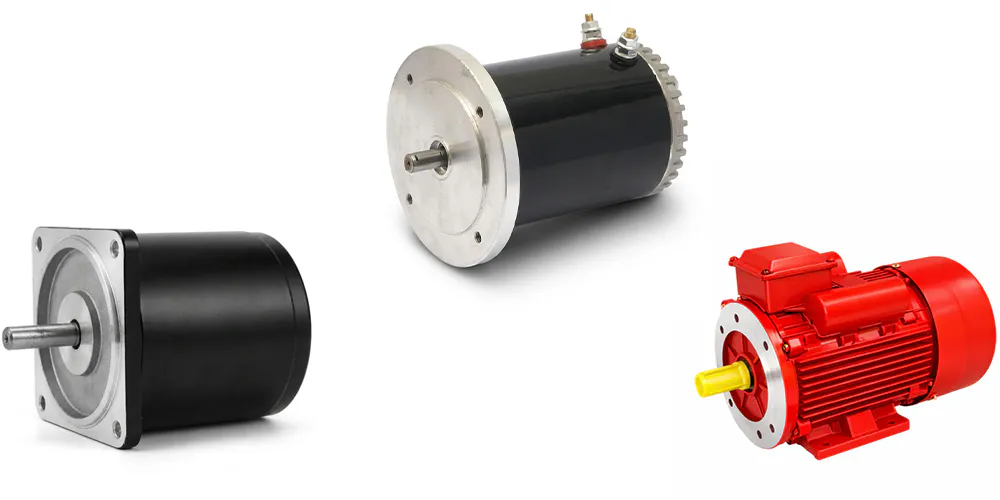
Drive system reliability in meat processing depends on correct matching between the pengurang kelajuan tunggal and the motor, coupling, and downstream drive elements. The following complementary product lines are available for complete conveyor drive train procurement:
Mengenai Pengilang
The production facility supplying the WP single speed reducer series operates under ISO 9001:2015 quality management certification with a product scope spanning agricultural gearboxes, worm gear reducers, planetary gear drives, power take-off shafts, hydraulic cylinders, gears, chains, and motors. This integrated manufacturing base supports complete drive system supply — from input motor to output coupling hardware — for plant engineers who prefer consolidated procurement over managing multiple vendor qualifications across drive system components.
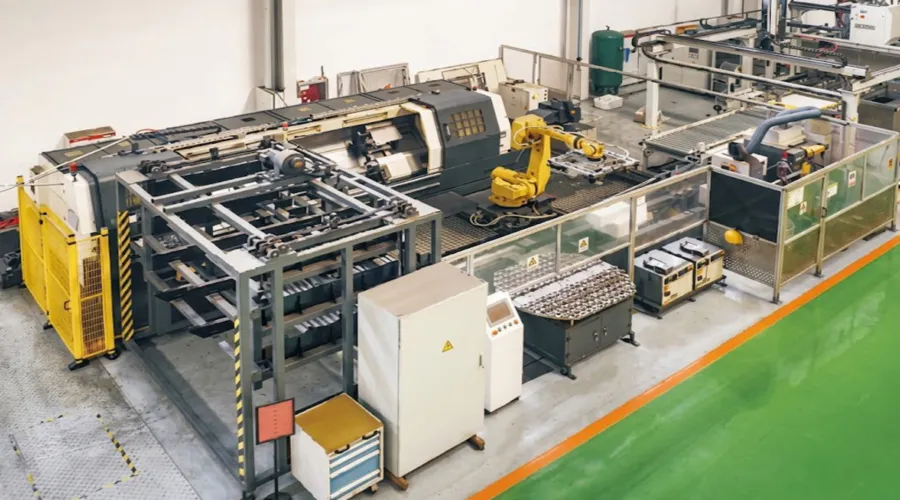
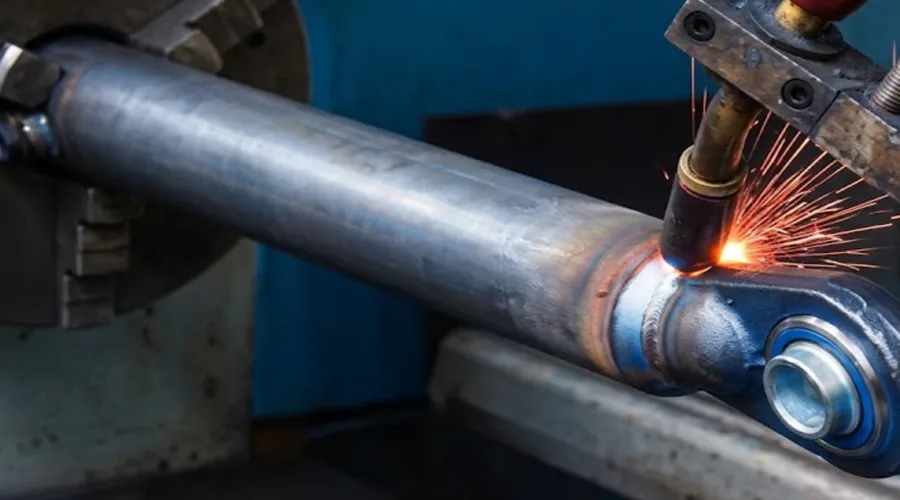
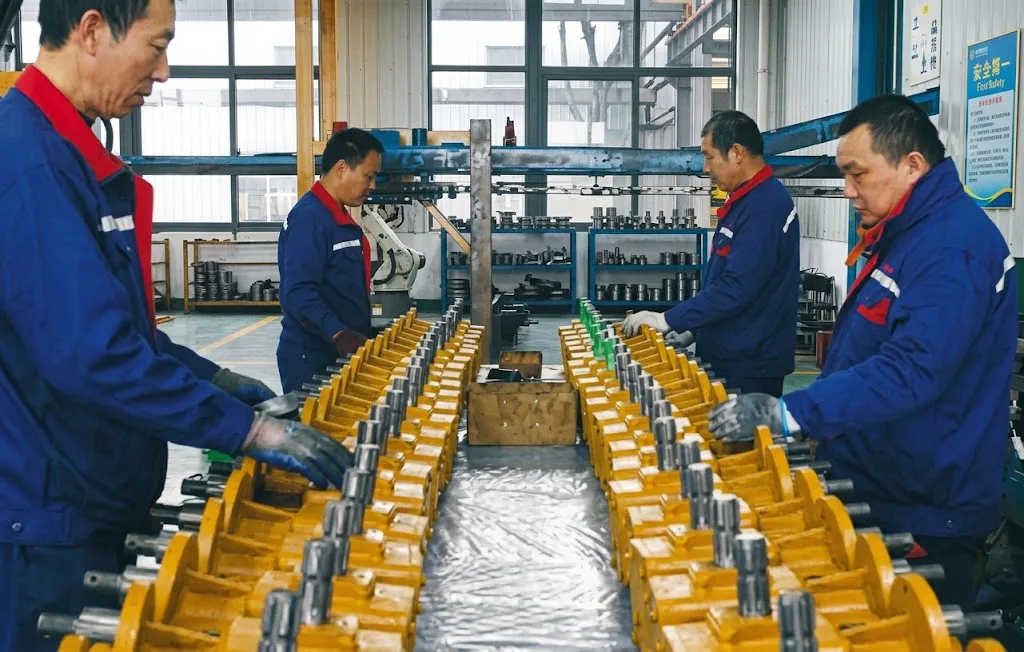
In-house capabilities include CNC gear hobbing, precision bore machining on dedicated machining centers, heat treatment, assembly, and factory acceptance testing of completed reducer assemblies. Material range extends across ductile iron, cast iron, cast steel, precision cast steel, and cast aluminum — supporting both catalog-standard WP series products and non-standard assemblies for OEM meat processing equipment builders who require specific output shaft geometries, custom bore diameters, or ratio steps outside the standard product range.
Kedai Kerja
Soalan Lazim
What single speed reducer seal specification should I use for a slaughterhouse conveyor drive in a US USDA-inspected facility? ▼
Which single stage speed reducer ratio works best for an overhead carcass rail conveyor in a European beef processing plant? ▼
Where can I find a reliable single speed reducer supplier for meat packing conveyor upgrades in Australia and New Zealand? ▼
How do I get a quote for a customized single speed reducer for a non-standard poultry processing conveyor in Canada? ▼
Editor: PXY