
Алюминиевая коробка передач
Алюминиевый редуктор — это механический узел передачи мощности, внешний корпус которого отлит из литого под давлением или прецизионно отлитого алюминиевого сплава. Внутри этого легкого корпуса набор прецизионно обработанных стальных конических шестерен, валов и подшипников качения передает вращательную мощность от источника привода — обычно от вала отбора мощности (ВОМ) трактора — к рабочему оборудованию, перенаправляя крутящий момент под прямым углом и, при необходимости, изменяя скорость вращения выходного вала с помощью заданного передаточного отношения.
По сравнению с чугунными аналогами, алюминиевый корпус редуктора имеет примерно на 60–651 тонн меньшую плотность. Эта экономия веса особенно важна для навесного оборудования с трехточечной навеской, которое часто устанавливается и снимается между задачами, а также для более легкого оборудования, где подвешенный вес в задней части трактора влияет на управляемость и сцепление передних колес с дорогой. В то же время, теплопроводность алюминия — примерно в четыре раза выше, чем у серого чугуна — помогает корпусу быстрее рассеивать тепло от трения в зубчатых передачах, поддерживая более низкую температуру масла при длительной работе в теплом климате.
Типы алюминиевых коробок передач
-
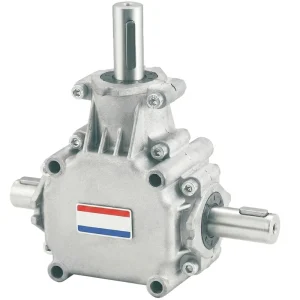
Алюминиевый редуктор EP 15/13/15/3 л.с., 450 об/мин.
-
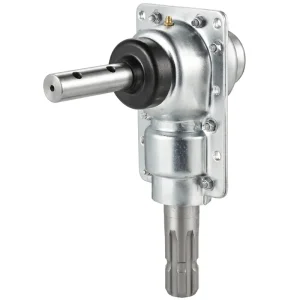
EP-1:1,35 Передаточное число 540 об/мин Алюминиевый редуктор
-
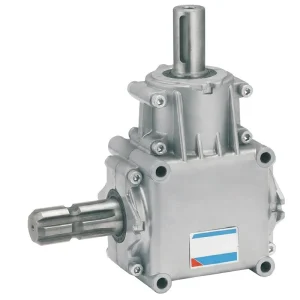
EP 15 л.с. 540 об/мин Алюминиевый редуктор
-
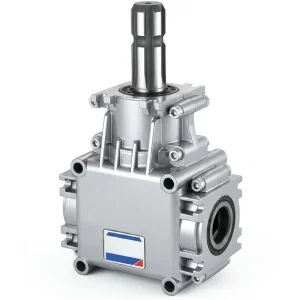
EP-1.46:1 Передаточное число 23 л.с. 540 об/мин Алюминиевый редуктор
-
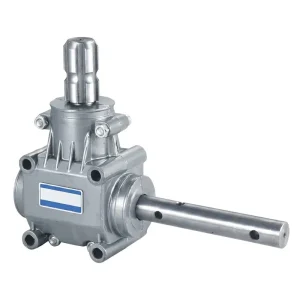
EP-1:1 Передаточное число 10 л.с. 540 об/мин Алюминиевый редуктор
-
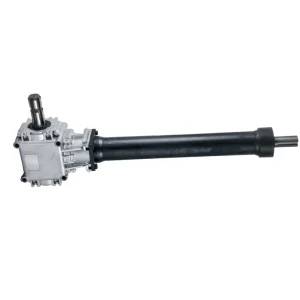
EP-1:2,91 Передаточное число 13 л.с. 540 об/мин Алюминиевый редуктор
Выбор правильного передаточного отношения для вашей алюминиевой коробки передач
Передаточное число — это наиболее важная характеристика при выборе автомобиля. алюминиевая коробка передачОн определяет как скорость вращения выходного вала (и, следовательно, скорость вращения кончика лопасти, скорость вращения шнека или скорость вращения разбрасывающего диска), так и коэффициент умножения крутящего момента. Используйте это руководство для подбора передаточного отношения к типу навесного оборудования.
| Соотношение | Выходная мощность при 540 об/мин | Коэффициент крутящего момента | Типичное применение навесного оборудования |
|---|---|---|---|
| 1:1 | 540 об/мин | 1× (прямой) | Роторные разбрасыватели, приводы водяных насосов от ВОМ, валы дозирования сеялок |
| 1:1.35 | ~400 об/мин | 1,35× | Компактные дисковые культиваторы, легкие смесительные машины, специализированное садовое оборудование. |
| 1.46:1 | ~370 об/мин | 0,68× (пошаговое увеличение) | Высокоскоростные разбрасывающие диски, приводы для впрыска химикатов, приводы вакуумных вентиляторов, требующие скорости вращения выше частоты отбора мощности. |
| 1:2.91 | ~185 об/мин | 2,91× | Тяжелые разбрасыватели удобрений, компактные шнековые приводы, низкоскоростные конвейерные головки, требующие высокого крутящего момента от небольшого трактора. |
Готовы указать характеристики?
Подберите подходящий алюминиевый редуктор для вашего навесного оборудования.
Наша инженерная команда может подобрать правильное передаточное число, номинальную мощность и конфигурацию вала для вашего конкретного навесного оборудования, включая изготовление выходного вала нестандартных размеров и нестандартных схем крепления для OEM-производителей.
Сертифицированное производство
Пользовательские настройки
Стандартный интерфейс сплайна
Мировые поставки
Обслуживание алюминиевого редуктора
Ан алюминиевая коробка передач Это компонент, не требующий частого обслуживания, но те немногие необходимые работы по его техническому обслуживанию оказывают значительное влияние на срок его службы. Пренебрежение заменой трансмиссионного масла является наиболее распространенной причиной преждевременного износа подшипников и шестерен. Со временем масло разрушается под воздействием тепла и накапливает металлические частицы в зацеплении шестерен; загрязненное масло ускоряет износ, а не предотвращает его. Вот как выглядит простой график технического обслуживания на практике.
Слейте и замените трансмиссионное масло, чтобы удалить металлические частицы из зацепления новых шестерен. Эта единственная процедура обслуживания значительно продлевает срок службы шестерен и подшипников на протяжении сотен последующих часов работы.
Слейте масло, осмотрите детали и залейте свежее минеральное трансмиссионное масло GL-5 80W-90 (или синтетическое 75W-90 для условий холодного климата, таких как Канада и Северная Европа). Одновременно проверьте оба сальника вала из NBR на наличие утечек.
Сальниковые уплотнения из NBR обычно служат от трех до пяти сезонов. Заменяйте их при первых признаках подтекания масла вокруг выходного отверстия вала — попадание грязи и влаги через изношенное уплотнение приведет к гораздо более быстрому износу шестерен и подшипников, чем это обойдется своевременной заменой уплотнения.
Перед длительным хранением долейте масло, чтобы исключить образование воздушных зазоров и снизить риск внутренней конденсационной коррозии стальных поверхностей шестерен. Очистите внешние загрязнения с ребер корпуса, чтобы сохранить эффективность пассивного теплоотвода в следующем сезоне.
Алюминиевый редуктор против чугунного редуктора: ключевые различия
| Свойство | Алюминиевая коробка передач | Чугунная коробка передач |
|---|---|---|
| Плотность застройки | ~2,7 г/см³ — значительно легче | ~7,2 г/см³ — тяжелее |
| Теплопроводность | ~150–160 Вт/(м·К) — рассеивает тепло быстрее | ~40–50 Вт/(м·К) — дольше сохраняет тепло. |
| Коррозионная стойкость | Обладает высокой устойчивостью к окислению; образует защитный оксидный слой. | Требуется покраска или покрытие; ржавеет при повреждении поверхности. |
| Ударопрочность | Подходит для номинальных нагрузок; подвержен растрескиванию при сильных ударах. | Повышенная ударопрочность; предпочтительно для применений с очень высокими ударными нагрузками. |
| Типичный вес (одинаковый размер) | 4–8 кг для легких агрегатов | 10–20+ кг для аналогичной рамы |
| Наиболее подходит для | Легкая и средняя нагрузка, частая смена навесного оборудования, теплый климат. | Приводы навесного оборудования, рассчитанные на длительную работу в тяжелых условиях и обладающие высокой ударопрочностью. |