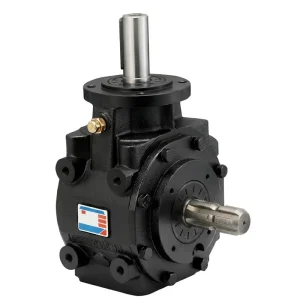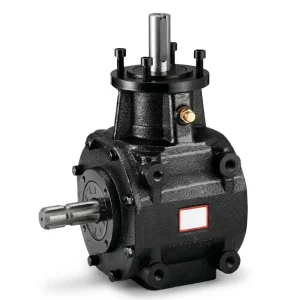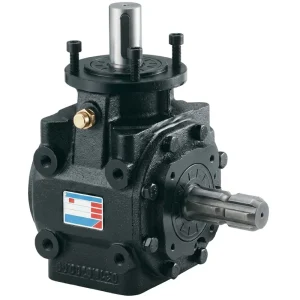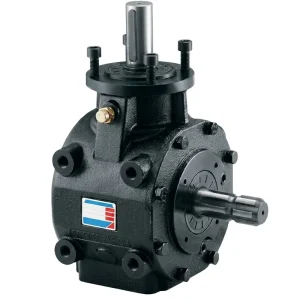
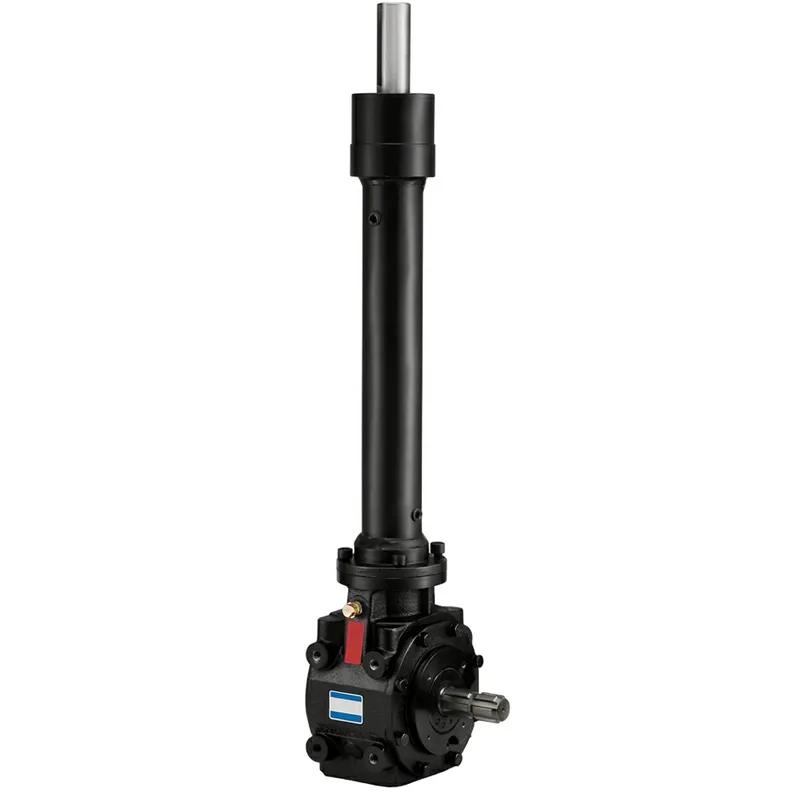
ईपी 1:3 अनुपात 50एचपी 540 आरपीएम रोटरी कल्टीवेटर गियरबॉक्स
The EP-HC-9.311-JCG is a purpose-built rotary cultivator gearbox rated at 50 HP with a 1:3 speed reduction ratio, designed for use on medium to large tractor-mounted and trailed rotary tillers operating from a 540 rpm PTO source. This makes it suitable for driving wide-working rotary cultivators, centrally driven multi-gang tiller frames, and implements where the gearbox housing sits offset from the rotor centre, requiring additional shaft reach to span the distance without additional coupling stages. The result is a leaner, lighter drivetrain with fewer joints and lower parasitic losses than a solution using an intermediate shaft extension.
With a module of 4.35 and a 36/12 tooth arrangement on the spiral bevel gear pair, the unit transmits up to 50 HP of continuous input power while maintaining the kind of tooth load distribution that prevents premature flank fatigue — a persistent failure mode in agricultural gearbox applications where shock loading from buried debris is unavoidable. At 21 kg net weight, the unit balances power density with implement weight management, keeping the rear-axle load on smaller tractors within workable limits even when mounted on wide-frame implements.
Rotary Cultivator Gearbox Series
ईपी 1:3 अनुपात 50एचपी 540 आरपीएम रोटरी कल्टीवेटर गियरबॉक्स
A high-capacity, extended-length agricultural rotary cultivator gearbox engineered for large-format PTO-driven tillage — delivering consistent spiral bevel performance across heavy soils, wide working widths, and demanding continuous-duty cultivation schedules worldwide.
रोटरी कल्टीवेटर गियरबॉक्स की तकनीकी विशिष्टताएँ
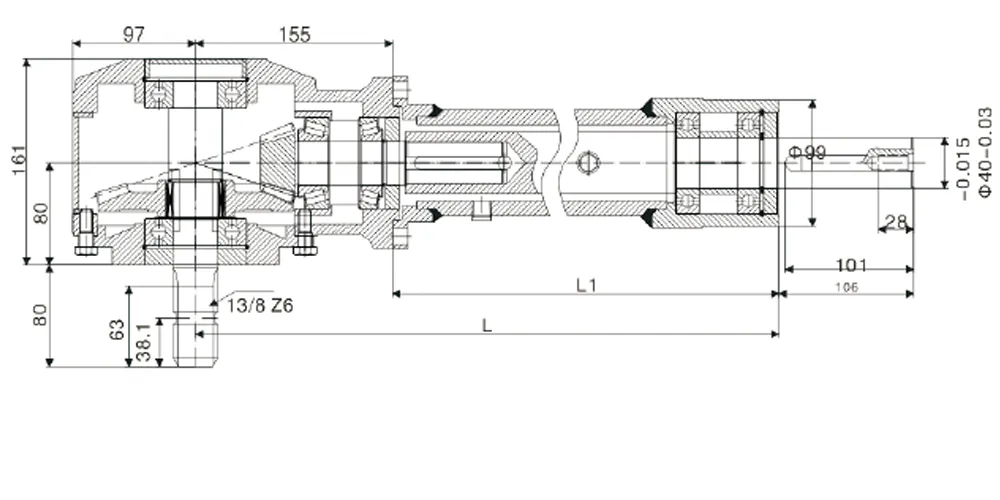
The parameter table below covers the core specification for this agricultural rotary cultivator gearbox. Dimensional values are in millimetres unless stated otherwise. The series length table immediately following gives the full L and L1 dimension set across all fourteen length variants — use this to match the gearbox to your implement's shaft reach requirement before ordering.
| रोटरी कल्टीवेटर गियरबॉक्स पैरामीटर | रोटरी कल्टीवेटर गियरबॉक्स विनिर्देश |
|---|---|
| आइटम / मॉडल | EP-HC-9.311-JCG Rotary Cultivator Gearbox |
| गियर अनुपात | 1:3 |
| Teeth (Gear / Pinion) | 36 / 12 |
| मॉड्यूल | 4.35 |
| मूल्यांकित शक्ति | 50 एचपी |
| रेटेड इनपुट स्पीड | 540 आरपीएम |
| Input / Output Description | 1 3/8 Z6 / Optic axis / Optic axis |
| शुद्ध वजन | 21 किलो |
| आउटपुट शाफ्ट व्यास | Ø 40 mm (tolerance: -0.015 / -0.03) |
| Housing Width | 161 mm |
| Input Shaft Bore | 38.1 mm (1 3/8" Z6 spline) |
| गियर प्रकार | Spiral bevel gear (90 degree right angle) |
| Lubrication Method | Splash (EP 90 gear oil) |
| सील | डबल-लिप एनबीआर ऑयल सील, सभी शाफ्ट निकास |
Series Length Variants — L and L1 Dimensions (mm)
Select the series suffix (-1 through -14) to specify the total shaft length (L) and the body-to-end distance (L1) required for your implement frame. All other parameters remain identical across the series.
| शृंखला | -1 | -2 | -3 | -4 | -5 | -6 | -7 | -8 | -9 | -10 | -11 | -12 | -13 | -14 |
|---|---|---|---|---|---|---|---|---|---|---|---|---|---|---|
| L (mm) | 375 | 500 | 615 | 670 | 700 | 780 | 810 | 950 | 1060 | 1140 | 1200 | 1250 | 1350 | 1500 |
| L1 (mm) | 220 | 345 | 460 | 515 | 545 | 625 | 655 | 795 | 905 | 985 | 1045 | 1095 | 1195 | 1345 |
Working Principle of Rotary Cultivator Gearbox
Tractor PTO power enters the gearbox through the 1 3/8" 6-spline (Z6) input interface at the top of the housing, which is the universal connection standard for 540 rpm PTO systems across Category I and Category II three-point linkage tractors used worldwide. The input shaft carries a spiral bevel pinion with 12 teeth. This pinion is precisely aligned at 90 degrees to the output bevel gear wheel, which carries 36 teeth — generating the 1:3 step-down ratio. At a 540 rpm PTO input, the output shaft revolves at 180 rpm, a speed range well matched to the peripheral velocity requirements of standard rotary tine assemblies for effective soil fragmentation without excessive turbulence or clod throw.
What distinguishes the JCG design from standard compact cultivator gearboxes is the extended output shaft arrangement. The single gearbox housing drives a long optic-axis output that spans the cultivator frame without the need for an intermediate shaft coupling. The output shaft runs in a close-fitting journal and bearing arrangement machined to Ø 40 mm (-0.015 / -0.03 mm tolerance), maintaining precise concentricity along the full shaft length regardless of which series variant is selected. The spiral bevel tooth form ensures gradual, progressive tooth engagement through the mesh cycle, keeping noise and vibration to a minimum even under the shock loads that occur when tines contact embedded stones or hardpan layers common in Australian dryland cropping and North American prairie cultivation.
रोटरी कल्टीवेटर गियरबॉक्स के पांच प्रमुख उत्पाद लाभ
01 — 14-Variant Length Series
यह रोटरी कल्टीवेटर गियरबॉक्स covers output shaft lengths from 375 mm to 1500 mm within one part family. This makes the JCG series the practical choice for implement manufacturers and agricultural equipment assemblers who need one qualified gearbox platform to cover a wide range of cultivator frame widths without requalifying a different unit for each width variant — significantly reducing engineering overhead on new implement development programmes.
02 — 50 HP Continuous Power Handling
Rated at 50 HP on a 540 rpm input, this unit handles the power output of tractors from 40 hp compact machines through to 65 hp mid-range utility tractors without operating near its thermal limit. Running with margin means the gear oil stays cooler, seal life extends, and tooth flank wear rates remain low — all factors that determine real-world service life of an agricultural rotary cultivator gearbox in continuous daily field use.
03 — Precision Shaft Tolerancing
The Ø 40 mm output shaft is finished to a -0.015 / -0.03 mm bilateral tolerance. This tight band ensures that tine hub fitment is consistent across every unit leaving the production line, eliminating the hub creep and fretting corrosion that occur when shaft-to-hub clearance is excessive — a common and progressive source of shaft damage in lower-spec gearbox alternatives used in intensive seasonal tillage schedules.
04 — Module 4.35 Spiral Bevel Mesh
The 4.35 module bevel gear set is proportioned to carry 50 HP loads with a conservative safety factor, leaving capacity in hand for the peak torque spikes generated when tines strike obstructions. The spiral tooth overlap ratio keeps each tooth pair in contact longer per revolution, distributing instantaneous shock across the gear face rather than concentrating it at a single tooth root — the fundamental mechanism by which spiral bevel gears outperform straight-cut alternatives in shock-loaded agricultural drives.
05 — Direct OEM and Replacement Fit
The 1 3/8" Z6 input spline, standard mounting face geometry, and Ø 40 mm output shaft dimensions are specified to the same interfaces used by major European and North American cultivator frame manufacturers. This makes the JCG series a viable rotary cultivator gearbox replacement for worn or damaged units on existing implements, reducing the total cost of ownership for operators running established implement fleets in commercial cultivation operations.
Need the full catalogue? Our agricultural gearbox range covers right angle, worm, and planetary configurations across all power ratings.
Materials and Build Quality of Rotary Cultivator Gearbox
Gearbox Housing
Ductile cast iron (GGG-50 grade equivalent), finish-machined on all functional surfaces. The material's combination of high tensile strength and controlled elongation allows it to absorb torsional shock without brittle fracture — a critical property when operating in stony field conditions common across UK, Australian, and South American cultivation zones.
Spiral Bevel Gears
Alloy steel billets, carburised and case-hardened, then profile-ground to achieve a tooth surface finish consistent with DIN quality class requirements. The hardened case resists abrasive wear from lubricant contamination; the tough core beneath resists subsurface fatigue crack propagation under the cyclic bending stress experienced in continuous tiller operation across multiple shifts.
आउटपुट शॉफ़्ट
Precision-turned and ground alloy steel shaft finished to Ø 40 mm (-0.015 / -0.03 mm). The tight tolerance maintains consistent hub fit across the entire length series (-1 to -14), preventing the cumulative clearance that builds up in rotary tine hubs over a cultivation season and causes shaft-to-hub fretting damage in high-frequency tillage applications.
बीयरिंग
Tapered roller bearings at both input and output shaft positions, pre-loaded to eliminate shaft end-play and maintain precise gear mesh geometry for quiet, efficient spiral bevel operation. Bearing selection is sized for the combined radial and thrust loads at the 50 HP input rating, with a static load margin appropriate for intermittent shock loading conditions encountered in field use.
Seals and Surface Protection
NBR double-lip oil seals at all shaft penetrations, with anaerobic sealant on the housing parting face. External surfaces are shot-blasted and coated in agricultural equipment enamel — providing corrosion resistance in the high-humidity and fertiliser-exposure environments typical of rotary tiller field operation throughout the full growing season.
रोटरी कल्टीवेटर गियरबॉक्स के अनुप्रयोग परिदृश्य
The extended shaft range and 50 HP power rating make this Rotary Cultivator Gearbox unit the right choice across a wider spectrum of agricultural operations than standard compact gearboxes permit. The following scenarios reflect how operators and implement builders worldwide are deploying this model in active field programmes.
Wide-Working Rotary Tiller Drives (1.5 m to 3.0 m)
Large-format rotary tillers used in arable crop production across the US Midwest, Northern France, and the Ukrainian black-soil belt often require output shaft reach of 800 mm or more to span the full cultivator frame width from a centrally mounted gearbox. The -8 through -14 series variants cover this range directly, without additional intermediate shaft adaption stages that add weight, joints, and potential failure points to the driveline assembly.
Market Garden and Intensive Horticulture
Precision-cultivation implements used in vegetable production in the Netherlands, Belgium, and South Korea operate on tight working widths with high-frequency tine passes. The shorter series variants (-1 to -4) suit these compact, high-rotation-speed applications, where consistent soil tilth across the full bed width is more important than raw tilling depth, and where equipment downtime during the growing season carries significant commercial impact.
Sugarcane Inter-Row Cultivation
Inter-row tillage in sugarcane plantations requires lateral offset of the tine rotor from the centre gearbox mounting point — precisely the application the long-shaft JCG series addresses. Plantation operators in Brazil and Colombia have adopted centrally-driven, offset-tine cultivators requiring 900 to 1200 mm shaft reach, matching the -9 to -12 series range of this agricultural rotary cultivator gearbox.
Compost and Green Manure Incorporation
Incorporating surface-spread organic materials into the topsoil profile requires sustained high-torque tine rotation through material that varies widely in density and moisture content. The 50 HP rating and spiral bevel tooth design handle fluctuating resistance without the thermal overload issues that affect under-rated gearboxes used in this application across organic farming operations in Germany, Canada, and Australia.
OEM Implement Manufacturing
Rotary tiller and cultivator OEMs across Europe and Asia source the JCG series as a platform component because the 14-variant length series allows one qualified supply chain to cover an entire product range. This simplifies procurement, reduces safety stock requirements, and allows specification engineers to fine-tune implement frame dimensions around a pre-validated gearbox platform rather than re-engineering gearbox selection for each new machine width variant.
Regional Regulations and Compliance
Agricultural PTO driveline equipment and rotary tiller assemblies are governed by a range of regional safety and machinery standards. The frameworks below are relevant to operators, importers, and OEM manufacturers deploying this rotary tiller cultivator gearbox for agricultural use across international markets.
EU — Machinery Regulation 2023/1230/EU
Supersedes Directive 2006/42/EC from January 2027. PTO-driven rotary implements must carry CE marking, with conformity assessed against EN ISO 4254-1 and EN 609 for rotary cultivator guarding. The new Regulation places heightened emphasis on digital conformity assessment records — relevant for OEMs building JCG-equipped implements for distribution across EU member states.
United Kingdom — PUWER 1998 and HSE AIS8
UK operators remain bound by PUWER 1998. The HSE agricultural information sheet AIS8 specifically addresses PTO-driven rotary cultivators, requiring complete shaft guarding, implement bystander exclusion zones, and pre-season inspection records. Compliance documentation requirements apply equally to replacement gearbox installations, not just new equipment first placements.
United States — ASABE S318.16 and OSHA 1928
ASABE S318.16 defines performance and safety requirements for rotary tillers sold in the US market, covering guarding, PTO interface specification, and operating depth control requirements. OSHA 29 CFR Part 1928 applies to commercial agricultural operations. State-level equipment certification requirements in California and New York may add additional documentation obligations for commercial operators.
Australia — AS 2902 and State WHS Acts
AS 2902 governs PTO-driven equipment guarding across Australia. State Work Health and Safety Acts require that any PTO-driven equipment placed in service on a commercial operation is guarded, inspected, and maintained to the standard's requirements. Guarding compliance is routinely checked during on-farm audits under Freshcare and SQF food safety certification schemes.
Brazil — ABNT NBR 14702 and MAPA
Brazil requires MAPA approval for agricultural equipment imported for commercial distribution. ABNT NBR 14702 sets the core safety framework for PTO-driven implements. Gearbox-level compliance documentation supporting the JCG series is available upon request to assist Brazilian importers with the MAPA registration and customs clearance process.
South Korea — KS B 6241 and MAF Certification
Korean Standards (KS) and Ministry of Agriculture, Food and Rural Affairs (MAF) certification govern the import and sale of agricultural machinery in South Korea. KS B 6241 defines relevant interface and safety requirements for PTO driveline components. ISO 9001:2015 certification of the manufacturing facility is recognised as a supporting qualification for Korean market import documentation packages.
Compatible Products and System Integration
ए रोटरी कल्टीवेटर गियरबॉक्स performs at its best when the surrounding drivetrain components are matched to the same specification. We manufacture and supply the adjacent components needed to complete a properly integrated PTO cultivation system — simplifying procurement and ensuring dimensional compatibility across every interface in the driveline assembly.
पीटीओ शाफ्ट
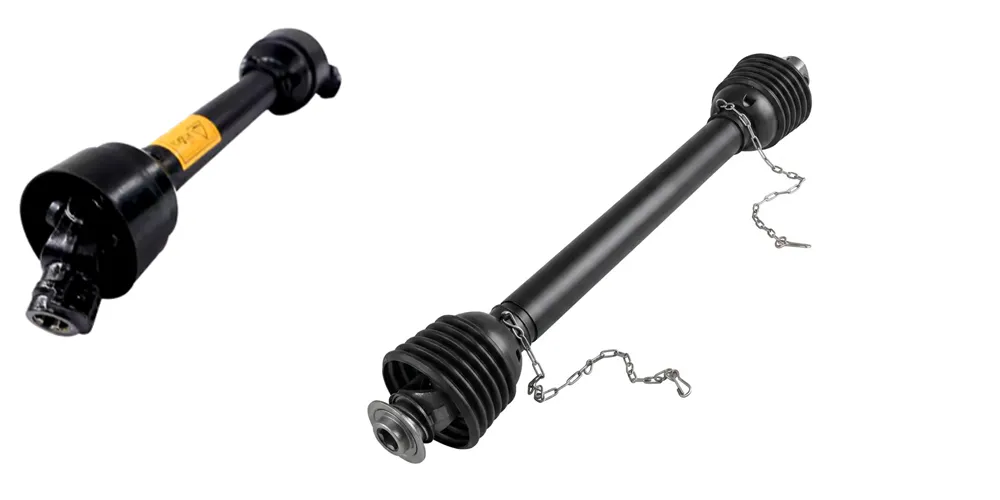
The 1 3/8" Z6 input specification on this gearbox is designed around the output interface of standard 540 rpm tractor PTO shafts. Our shafts are available in matched lengths with compliant guarding, overrun clutches, and cross-and-journal universal joints rated for the 50 HP torque envelope of this unit. A correctly rated and guarded पीटीओ शाफ्ट is also a regulatory requirement across all compliance frameworks applicable to rotary cultivator gearbox replacement or new installation work.
EP Rotary Cultivator
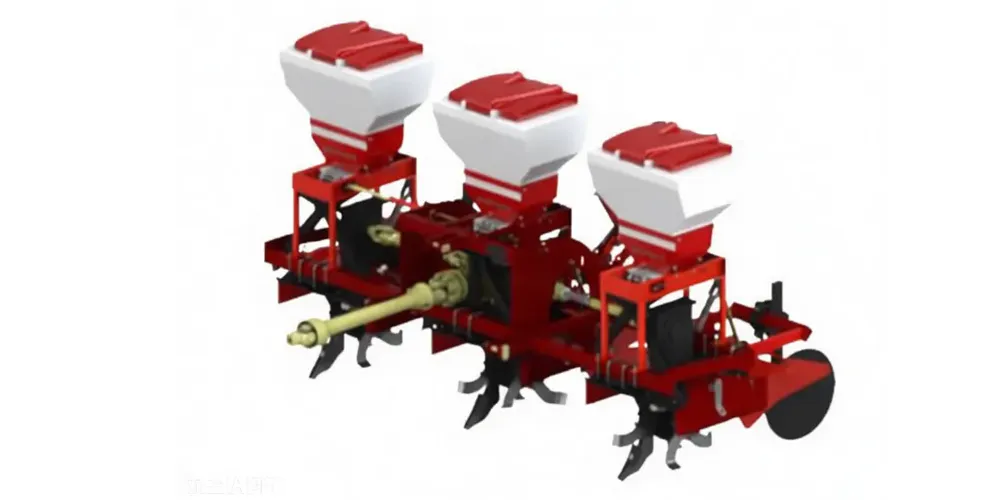
Our EP series rotary cultivators are engineered with frame dimensions and tine hub bores dimensioned to accept the JCG gearbox series directly. Frame widths in the EP range correspond to the standard shaft length variants in this series, allowing the cultivator frame and gearbox to be specified as a matched system. This eliminates the adaption machining and trial-and-error fitting that occurs when sourcing gearbox and frame from separate supply chains with differing dimensional conventions.
हमारी विनिर्माण प्रक्रिया के बारे में
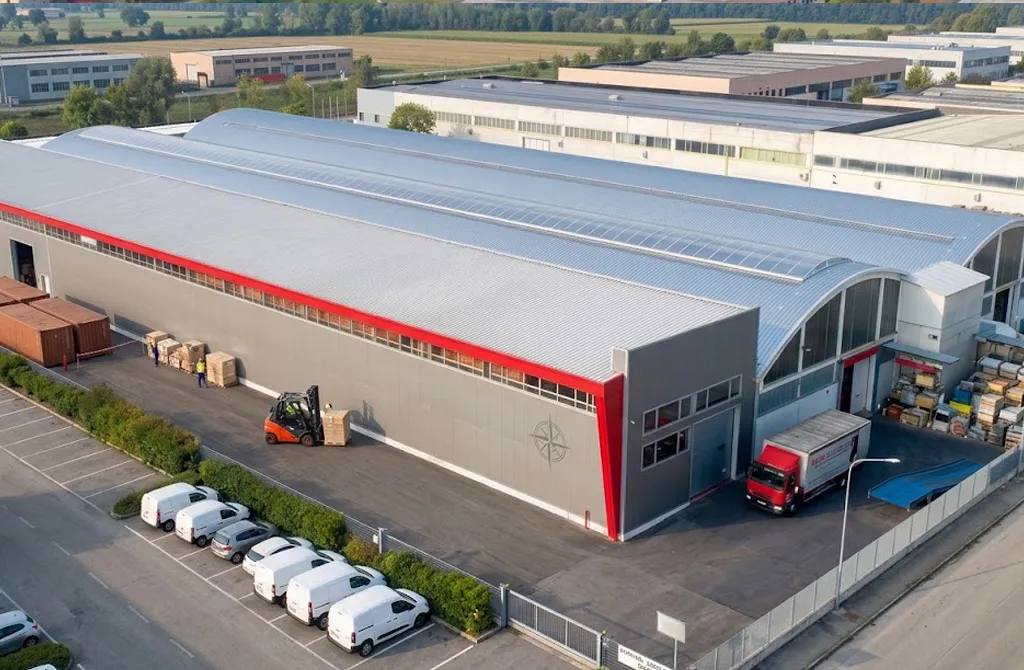
With over a decade of hands-on experience in precision mechanical power transmission, our production facility manufactures a comprehensive range of drivetrain components for both agricultural and industrial applications. Our standard product scope includes agricultural gearboxes, worm gear reducers, planetary gear drives, PTO shafts, hydraulic cylinders, precision-cut gears, roller chains, sprockets, pulleys, and electric motors — spanning both catalogue-standard designs and fully engineered custom assemblies for OEM customers requiring bespoke interface specifications or non-standard gear ratios.
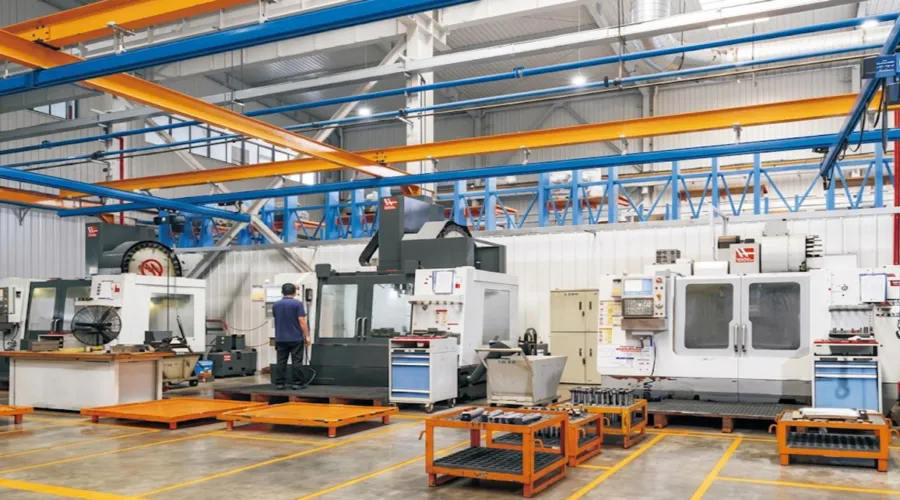
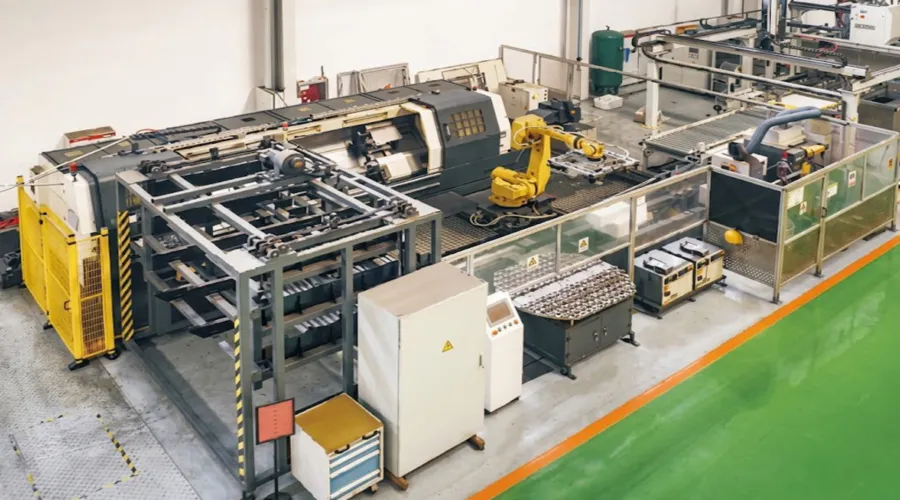
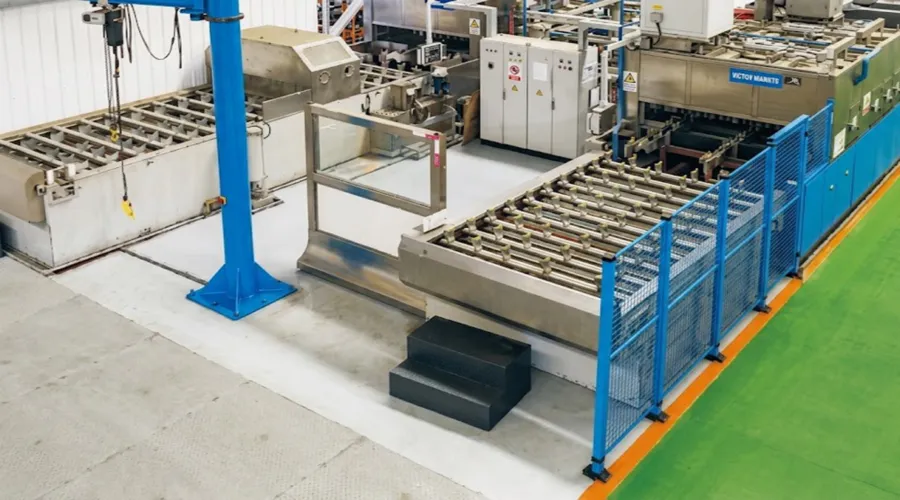
Manufacturing operations are conducted under an ISO 9001:2015 certified quality management framework, with documented process controls applied from raw material receipt through to pre-dispatch functional testing. Housing and gear materials across our range include ductile iron, grey cast iron, cast steel, precision investment cast steel, and cast aluminium, selected based on load, thermal, and environmental requirements for each application. In-house machining capabilities encompass gear hobbing, profile grinding, CNC turning, milling, boring, and surface grinding — giving us the process control depth needed to hold the tight dimensional tolerances required in precision agricultural rotary cultivator gearbox manufacture.
कार्यशाला
अक्सर पूछे जाने वाले प्रश्नों
Q1. What is the correct gearbox for a rotary tiller driven by a 50 HP tractor PTO on mixed arable land in Northern Europe?
Q2. How do I select the right series length when sourcing rotary cultivator gearbox parts for a wide-frame tiller used in Australian broadacre farming?
Q3. What is the function of a rotary cultivator gearbox and why does the gear ratio matter for soil preparation quality in Brazilian sugarcane cultivation?
Q4. Which agricultural rotary cultivator gearbox parts should I inspect first when diagnosing unusual vibration on a rotary tiller used in Canadian prairie field conditions?
Q5. When is a rotary cultivator gearbox replacement the right decision versus rebuilding the existing unit for a Dutch market garden running multiple seasonal tiller passes?
Q6. Where can a South Korean agricultural importer find rotary tiller gearbox options for small tractors that comply with KS standards and MAF import certification requirements?
संपादक: पीएक्सवाई