
Food & Beverage Industry
A practical guide to worm gear speed reducer selection, structural considerations, and maintenance realities for high-demand bakery production environments worldwide.
Why Drive Selection Matters in Bakery Production
Commercial bakery operations run on tight tolerances. Dough consistency depends on predictable, repeatable torque delivery across every batch — whether you are producing artisan sourdough loaves, industrial sandwich bread, or high-hydration pizza bases. A single speed reducer sits at the mechanical heart of any spiral mixer, planetary mixer, or continuous dough mixing line. It converts motor speed into the slower, higher-torque rotation that mixing hooks, spiral arms, and paddle assemblies demand. Get the reducer selection wrong and you face uneven mixing cycles, premature shaft wear, unexpected shutdowns during peak production windows, and the kind of costly downtime that plant managers in North America, Europe, and Asia-Pacific work hard to avoid.
This guide covers the structural and material fundamentals of worm gear single speed reducers, the specific performance criteria that matter for bakery environments, and how to evaluate models for long-term fit in a production facility that values hygiene, durability, and consistent output.
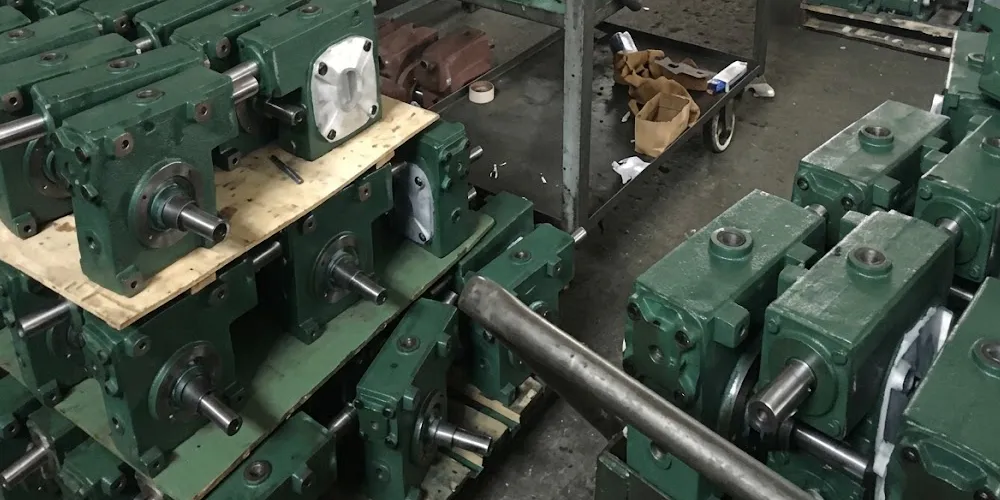
Manufacturing Structure of WP Series Single Speed Reducers
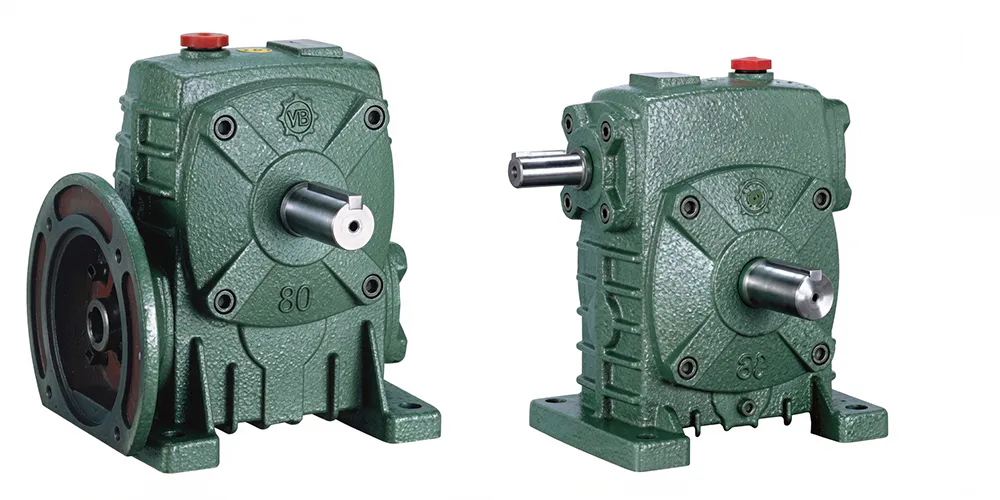
The WP series single speed reducer follows a coaxial worm-gear layout, where the input worm shaft drives a bronze or phosphor-bronze worm wheel mounted on the output shaft. This arrangement delivers a single reduction stage in a compact, self-contained housing — making it one of the most straightforward and reliable architectures for fixed-ratio torque conversion in food processing machinery.
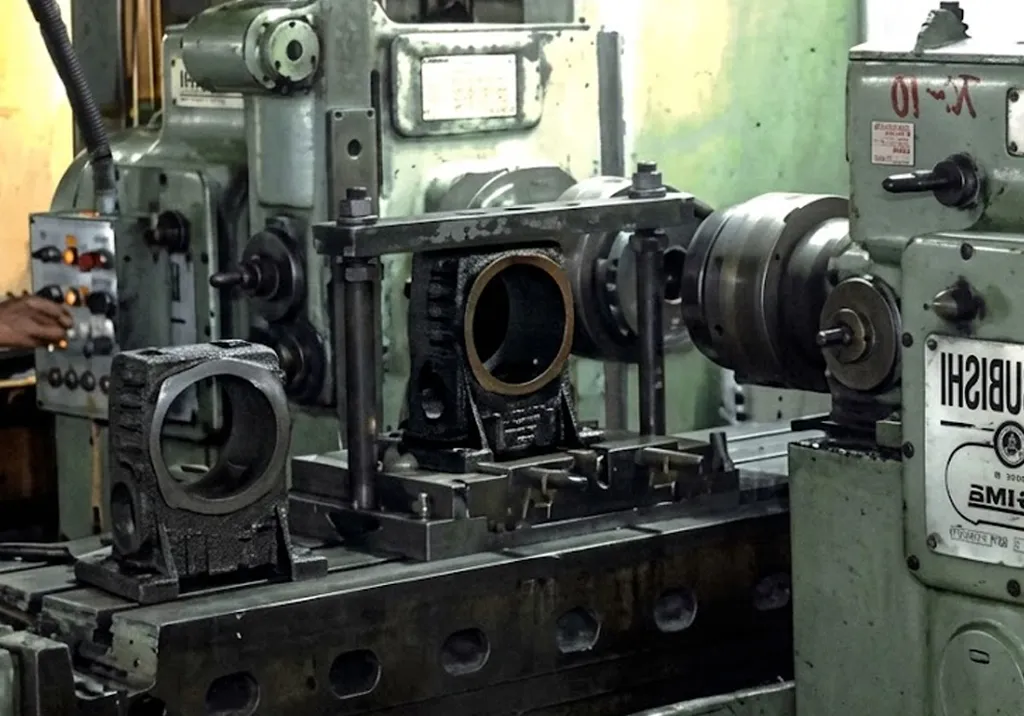
Housing castings are machined with precise bore tolerances to minimize shaft deflection. Input and output shaft diameters are matched to standard motor frame sizes, reducing installation complexity. The gear meshing geometry relies on a crossed-axis configuration, which produces sliding contact between the worm thread and the wheel tooth. While this sliding action lowers peak efficiency compared to helical stages, it generates a smooth, vibration-dampened output — a genuine asset when mixing sensitive dough formulations where impact loading would cause gluten damage. The self-locking behavior inherent to certain worm gear ratios also provides a passive holding function when the mixer is stationary, removing the need for a separate braking mechanism in many installations.
Konut
Cast iron or cast aluminum precision-machined body with sealed bearing seats and drain/fill ports positioned for upright or horizontal mounting.
Sonsuz Mil
Hardened alloy steel, thread-ground to close tolerances. Supported by tapered roller or angular-contact bearings to handle combined axial and radial loads.
Sonsuz Dişli Çark
Bronze or tin-bronze alloy wheel keyed to a carbon or alloy steel hub, combining wear resistance with the low friction coefficient needed for continuous duty.
Sızdırmazlık
Double-lip oil seals on input and output shafts. Expansion-vented filler cap prevents pressure buildup during thermal cycling — relevant in bakeries where ambient temperatures fluctuate during oven-adjacent operation.
Material System: What the Specifications Actually Mean
Choosing between cast iron and cast aluminum housings is often the first decision point for procurement engineers specifying a single speed reducer for a bakery line. Cast iron offers superior rigidity and vibration damping — useful when a mixer operates at high torque near its rated capacity for extended periods. Cast aluminum housings save weight and offer improved thermal dissipation, making them preferred in compact or portable mixer configurations where heat management during long production runs matters.
The worm wheel material is arguably the most operationally significant component. Tin-bronze (CuSn) alloys are the standard for food processing duty because they combine good load capacity with low sliding friction against hardened steel worms. This pairing keeps oil temperatures manageable during the multi-hour continuous mixing cycles common in large commercial bakeries. Some specifications call for phosphor-bronze wheels in high-duty applications where intermittent shock loading occurs — for example, when mixing very stiff doughs such as bagel or pretzel formulations that place asymmetric loads on the mixing arm.
| Component | Standard Material | Key Property | Bakery Relevance |
|---|---|---|---|
| Konut | Cast iron / Cast aluminum | Rigidity, thermal mass | Absorbs vibration from heavy dough loads |
| Worm shaft | Alloy steel, case-hardened | Surface hardness HRC 45–55 | Resists wear over multi-shift operation |
| Worm wheel | Tin-bronze / Phosphor-bronze | Low friction coefficient | Keeps oil temperature stable during long runs |
| Rulmanlar | Tapered / angular-contact steel | Combined load capacity | Handles axial thrust from spiral mixing arms |
| Shaft seals | NBR / FKM elastomer | Oil retention, contamination exclusion | Prevents lubricant migration into food zones |
| Lubricant | ISO VG 220–460 mineral or synthetic | Film strength, thermal stability | Food-grade H1 oil options available where required |
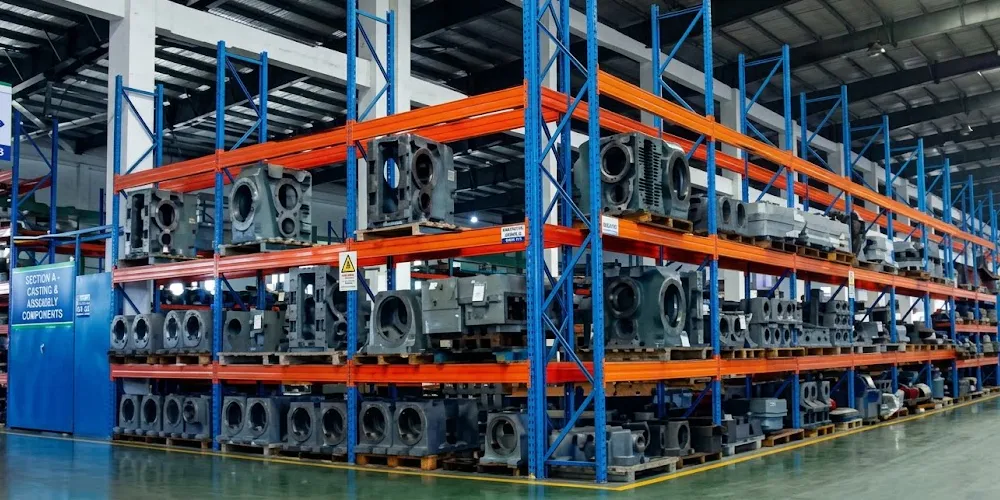
Key Performance Parameters for Bakery Dough Mixing Duty
Dough mixing equipment imposes a distinct load profile on any single speed reducer used in the drivetrain. Unlike conveyor or pump applications where loading is broadly uniform, a planetary or spiral mixer generates cyclically varying torque as the dough builds gluten structure and stiffens through the mixing cycle. This means the reducer must handle peak torques that can be 2–3 times the nominal running torque during the first few minutes of mixing a cold, stiff batch.
Key parameters to evaluate include output torque rating (Nm), thermal power rating under sustained duty, gear ratio, and output shaft diameter matched to the mixer bowl drive coupling. For single speed worm gear reducers serving dough mixers in the 20–200 litre bowl capacity range, gear ratios typically fall between 10:1 and 60:1, balancing motor speed with the 60–100 RPM output speeds that most mixing tools require. A worm gear speed reducer with a ratio of 20:1 to 40:1 covers the majority of commercial bakery planetary mixer applications when paired with a standard 4-pole induction motor running at 1,400–1,500 RPM.
Output Torque
Rated Nm must exceed peak batch torque with an appropriate service factor (SF 1.5–2.0 for heavy dough duty).
Thermal Rating
Continuous thermal power capacity (kW) must support multi-hour mixing runs without exceeding oil sump temperature limits.
Dişli Oranı
For bakery mixers: 10:1 to 60:1 single reduction. Match to target output RPM and motor synchronous speed.
Mounting Options
Foot-mount, flange-mount, or hollow shaft configurations allow integration with OEM mixer frames without custom adapter plates.
Recommended Model for Bakery Dough Mixing: EP-WPDS Series
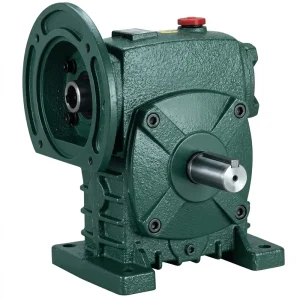
EP-WPDS — 0.12 to 15 kW Input Power Single Speed Reducer
The EP-WPDS is a foot-and-flange-compatible single stage right-angle worm gear speed reducer well suited to the torque demands of commercial bakery dough mixing equipment. With input power coverage from 0.12 kW through 15 kW, the series spans the motor sizes found in most planetary and spiral mixers — from compact countertop units through 200-litre floor-standing production mixers used in industrial bakery plants in North America, Europe, and Southeast Asia.
The WPDS configuration combines a dual-side output shaft arrangement with a flange-mount face, giving equipment engineers flexibility when integrating the reducer into mixer head assemblies where shaft-to-tool alignment is critical. The hardened tooth surface on the worm shaft and bronze worm wheel delivers the long service life that bakery plants operating two or three shifts per day depend on.
Hygiene and Food Safety Considerations in Bakery Environments
Bakery production environments present a specific set of challenges that distinguish them from general industrial applications. Flour dust is airborne and combustible at certain concentrations, demanding sealed reducer housings with no open ventilation points near the gear chamber. Condensation from steam injectors and wash-down operations accelerates external corrosion on housing surfaces, so powder-coated or epoxy-finished housings are standard in professional bakery installations.
Lubricant selection takes on added significance close to food processing zones. While the worm gear mechanism itself is enclosed, any shaft seal failure creates a risk of mineral oil contamination reaching dough contact surfaces. Many plant managers in regulated markets specify H1-rated food-grade synthetic gear oils as a precautionary measure when using a single speed reducer on a mixer positioned above an open product stream. FKM (Viton) shaft seals offer better resistance to washdown detergents than standard NBR seals — a worthwhile upgrade for facilities that perform frequent CIP (clean-in-place) or scheduled washdowns.
External housing surfaces benefit from smooth, crevice-free profiles. The cast iron housings common in WP series worm speed reducers meet this requirement well: their tight-grained surface can be sealed with food-compatible paint systems, and the absence of exposed fins or deep ribs means cleaning crews can wipe down equipment surfaces without residue accumulation points.
Gear Ratio Selection for Different Mixer Types
Plant managers working across multiple mixer platforms — planetary bowl mixers, spiral mixers, and continuous mixing lines — encounter a range of output speed requirements that a properly specified single speed gear reducer must accommodate. The relationship between motor synchronous speed, worm gear reduction ratio, and required tool speed defines which model series applies to each machine type.
| Mixer Type | Typical Tool Speed (RPM) | Motor Speed (RPM) | Required Reduction Ratio | Applicable WP Model |
|---|---|---|---|---|
| Planetary bowl mixer (hook) | 30–60 | 1,400 | 23:1 – 47:1 | WPDS / WPKA |
| Spiral dough mixer | 80–120 | 1,400 | 12:1 – 18:1 | WPKS / WPDS |
| Continuous dough mixer | 40–80 | 1,500 | 19:1 – 38:1 | WPKA / WPDKA |
| High-speed batter mixer | 100–200 | 1,500 | 8:1 – 15:1 | WPZ / WPKZ |
Installation Guidance and Preventive Maintenance
Correct installation of a worm gear single speed reducer on a dough mixer directly determines service life. The input shaft coupling must be aligned within manufacturer-specified tolerances — typically 0.05 mm radial runout maximum — to prevent bearing overload from transmitted misalignment forces. Many bakery maintenance teams underestimate the importance of correct oil fill level: the worm gear mechanism requires the oil to reach a specific level relative to the worm wheel center to maintain adequate lubrication film during the sliding contact cycle. Overfilling causes churning losses and heat generation; underfilling accelerates bronze wheel wear.
Preventive maintenance schedules for worm gear speed reducers in bakery duty typically involve oil analysis or replacement at 4,000–6,000 operating hours, seal inspections at 8,000 hours, and bearing replacement assessments at 15,000–20,000 hours depending on operating temperature history. Plants running two or three shifts per day reach these intervals in 18–36 months. Keeping a small inventory of output shaft seals and input shaft bearings on-site eliminates the lead times that can extend unplanned downtime from hours to days.
Initial Fill & Vent
Fill to the correct oil level for the mounting orientation before first start. Open the breather cap to relieve transit seal pressure.
First 200 Hours
Change break-in oil after the first 200 operating hours to remove bronze wear particles generated during the running-in phase.
Seal Checks
Inspect shaft seals for weeping oil at each quarterly PM. Early replacement prevents contamination events in food zones below the mixer head.
Temperature Monitoring
Housing surface temperature above 80°C during normal operation signals inadequate lubrication, oil degradation, or overloading — investigate before continuing production.
Belirtmeye hazır mısınız?
Find the Right Single Speed Reducer for Your Mixer Configuration
The complete range covers input power from 0.12 kW to 15 kW, multiple mounting styles, and gear ratios matched to the full spectrum of commercial bakery mixing equipment.
Customized Single Speed Reducer Solutions for OEM Bakery Equipment Builders
Original equipment manufacturers designing commercial bakery mixers often need a customized single speed reducer that departs from catalogue dimensions. Common OEM requirements include non-standard shaft diameters and lengths to suit proprietary coupling systems, modified mounting hole patterns to match existing frame castings, special surface treatments such as stainless steel shaft extensions for enhanced corrosion resistance, and non-catalogue gear ratios for niche output speed requirements. WP series worm gear reducers accommodate these modifications through casting changes and precision machining on the input/output shaft ends, while retaining the proven worm-wheel gear mesh geometry.
For bakery equipment builders operating across multiple geographic markets — European CE-mark environments, North American UL/CSA installations, or Asian markets with local standard requirements — the ability to source a worm gear reducer manufacturer capable of documentation packages including dimensional drawings, material certifications, and quality management system records simplifies the type approval process considerably. ISO 9001:2015 certification at the manufacturing level provides the quality management foundation that procurement teams in regulated food industries require.
Single Reduction vs. Multi-Stage Drives: Making the Right Call for Bakery Lines
Plant managers evaluating drivetrain options sometimes compare single reduction worm reducers against two-stage helical or helical-worm combinations. The answer depends on the specific operating point. Single speed worm gear reducers offer a simpler mechanical package, lower upfront hardware cost, quieter operation due to the inherent damping of the worm mesh, and self-locking capability at certain ratios. These advantages weigh heavily in bakery settings where noise reduction near operator stations, installation simplicity, and reduced parts inventory complexity all matter.
Multi-stage helical drives typically offer higher mechanical efficiency — relevant when motor energy consumption across a large fleet of mixers running 16–24 hours per day is a significant operating cost factor. For production bakeries with 20 or more mixing stations, the cumulative energy saving from higher-efficiency drives can offset the higher capital cost. For facilities with fewer machines or intermittent mixing schedules, the efficiency difference between a single stage worm drive and a multi-stage helical becomes less meaningful, and the operational simplicity of the single speed reducer becomes the dominant selection criterion.
| Criteria | Single Reduction Worm | Multi-Stage Helical |
|---|---|---|
| Mechanical efficiency | 65–85% (ratio dependent) | 92–97% |
| Noise level | Low (sliding mesh) | Moderate to low |
| Self-locking | Yes (high ratios) | No |
| Capital cost | Lower | Higher |
| Maintenance complexity | Low | Moderate |
| Best fit | Small–medium bakery fleets, intermittent duty, noise-sensitive plants | Large fleets, continuous 24-hr duty, energy cost focus |
Related Products: Complete Drivetrain Solutions
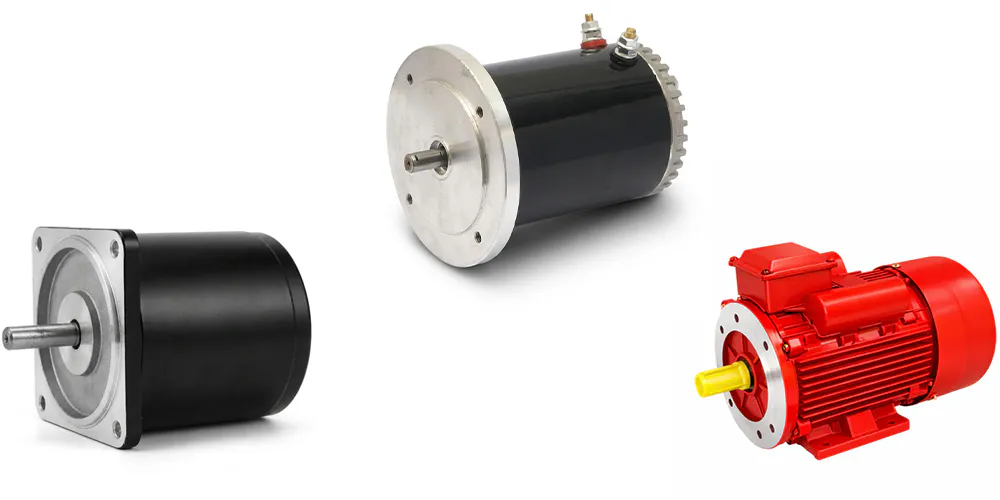
A single speed reducer functions best as part of an integrated drivetrain. Sourcing the motor, reducer, and ancillary components from a single supplier simplifies engineering documentation, ensures dimensional compatibility, and provides a unified warranty structure. The following product categories complement WP series single speed worm reducers in bakery mixer applications.
Hakkımızda
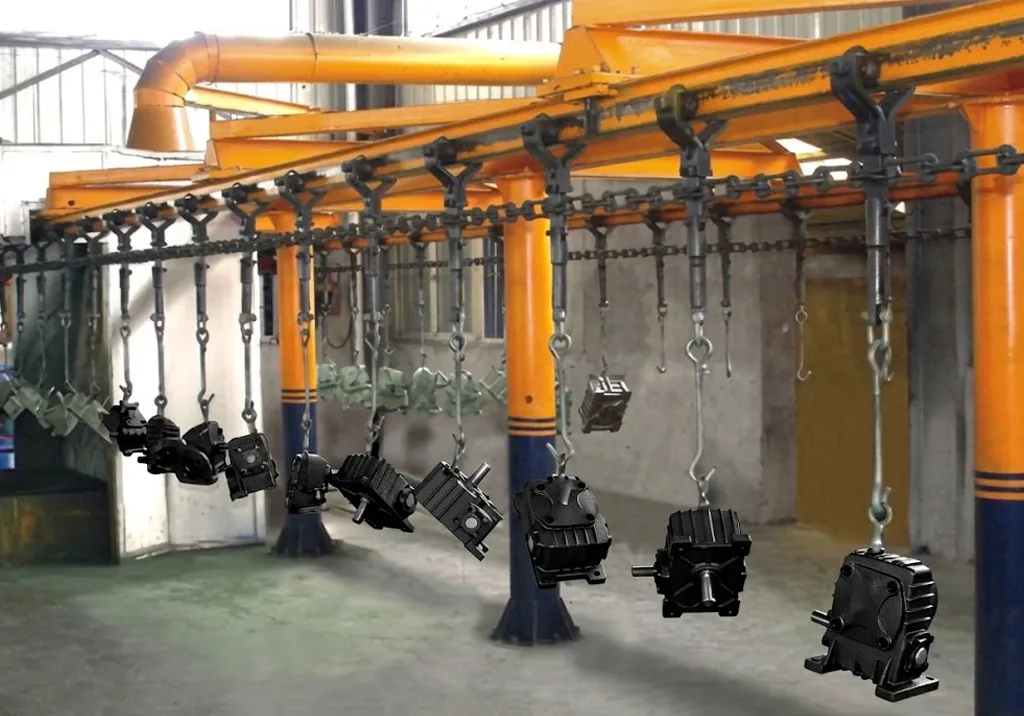
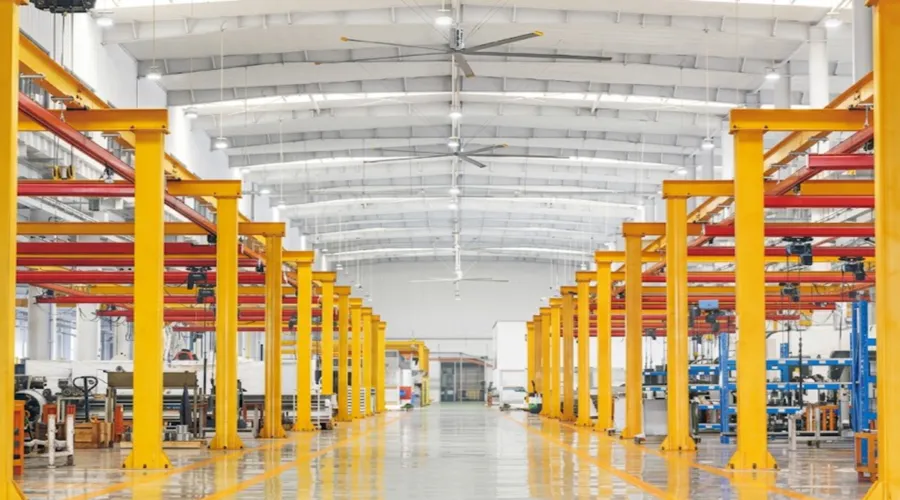
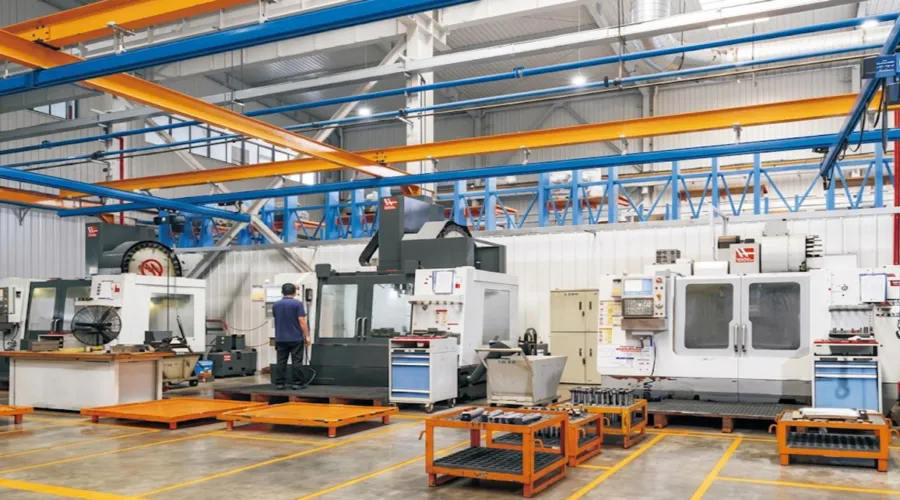
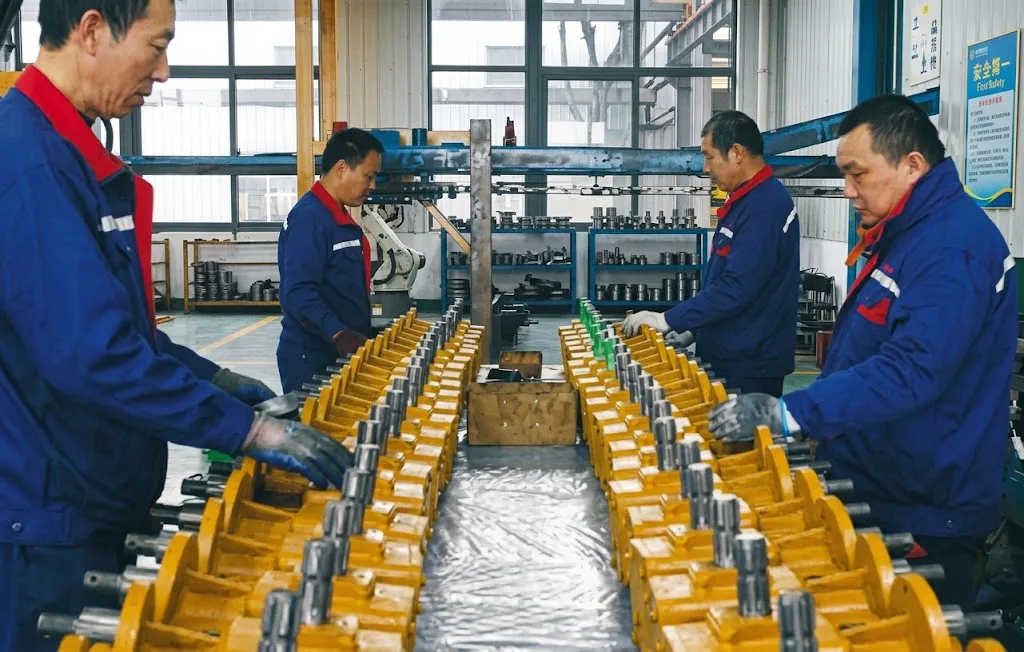
Our product portfolio spans agricultural gearboxes, worm gear reducers, planetary gear drives, power take-off shafts, hydraulic cylinders, gears, chains, and motors. Manufacturing operates under an ISO 9001:2015 certified quality management system. The engineering and production program includes a broad range of industrial and agricultural gearboxes and assemblies produced in ductile iron, cast iron, cast steel, precision cast steel, and cast aluminum, alongside gears, sprockets, worm gears, pulleys, worms, shafts, and both standard and non-standard mechanical parts. This depth of in-house manufacturing capability supports OEM customers requiring tailored solutions alongside distributors serving replacement markets worldwide.
Çalıştay
Sıkça Sorulan Sorular
What gear ratio should I specify for a single speed reducer used in a commercial spiral dough mixer in a North American bakery plant?
For a spiral dough mixer targeting 80–120 RPM at the spiral arm, paired with a standard 4-pole motor at 1,400–1,500 RPM, a single reduction ratio between 12:1 and 18:1 is appropriate. Models in the WPKS or WPDS range cover this requirement. Always apply a service factor of at least 1.5 to account for stiff-dough peak torque events. Consult the full single speed reducer selection tables for precise torque ratings at the target ratio.
How do I find a reliable worm gear single speed reducer supplier who can provide food-grade certified oil options for bakery equipment in Europe?
Look for a single speed reducer manufacturer with an ISO 9001:2015 certified quality management system who explicitly lists H1 food-grade lubricant availability in their product documentation. Request material certifications for the worm wheel bronze alloy and confirm that shaft seal materials (FKM recommended for washdown resistance) are specified for your installation. European distributors typically require CE-compatible documentation and dimensional drawings in metric units.
What are the disadvantages of using a single reduction worm gear reducer instead of a two-stage helical drive on a high-volume bakery production line running 24 hours per day?
The primary drawback is lower mechanical efficiency. A single stage worm gear reducer typically operates at 65–85% efficiency depending on ratio and sliding velocity, compared to 92–97% for a two-stage helical. Over a 24-hour production schedule, this translates to measurable additional motor energy consumption. For large bakery fleets with many mixing stations, the cumulative energy cost difference warrants financial analysis against capital cost savings. Worm speed reducers also generate more heat per kW transmitted, requiring adequate thermal management at high-duty cycle.
When should I consider a customized single speed reducer rather than a catalogue model for my OEM dough mixing equipment design?
Customized single speed reducer configurations make sense when your mixer frame requires a non-standard shaft diameter, a modified mounting hole pattern, a special output shaft length, or a gear ratio outside the catalogue range. OEM bakery equipment builders targeting specific output speeds for proprietary tool geometries frequently request non-catalogue ratios. Custom stainless steel shaft extensions are another common request for mixers operating in high-humidity environments. Ask your reducer manufacturer about minimum order quantities for engineered-to-order variants.
Where can I get a quote for a heavy-duty worm gear single speed reducer for industrial bread production equipment serving Southeast Asian markets?
Submit your mixer specification — required output torque, gear ratio, motor frame size, and mounting orientation — through the product inquiry form on the single speed reducer category page. For heavy-duty worm drive applications serving industrial bread production in Southeast Asia, include your ambient temperature range and duty cycle to allow an appropriate thermal rating check. Export documentation, packing for sea freight, and technical drawings in metric dimensions are standard for international orders.
Editör: PXY