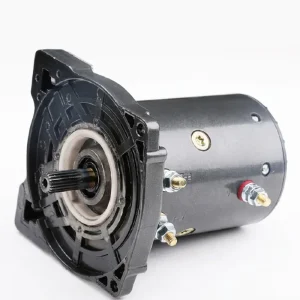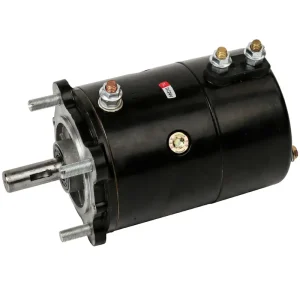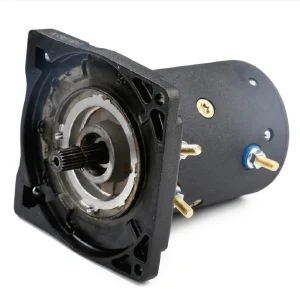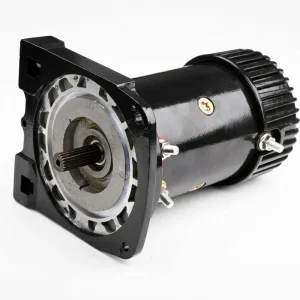
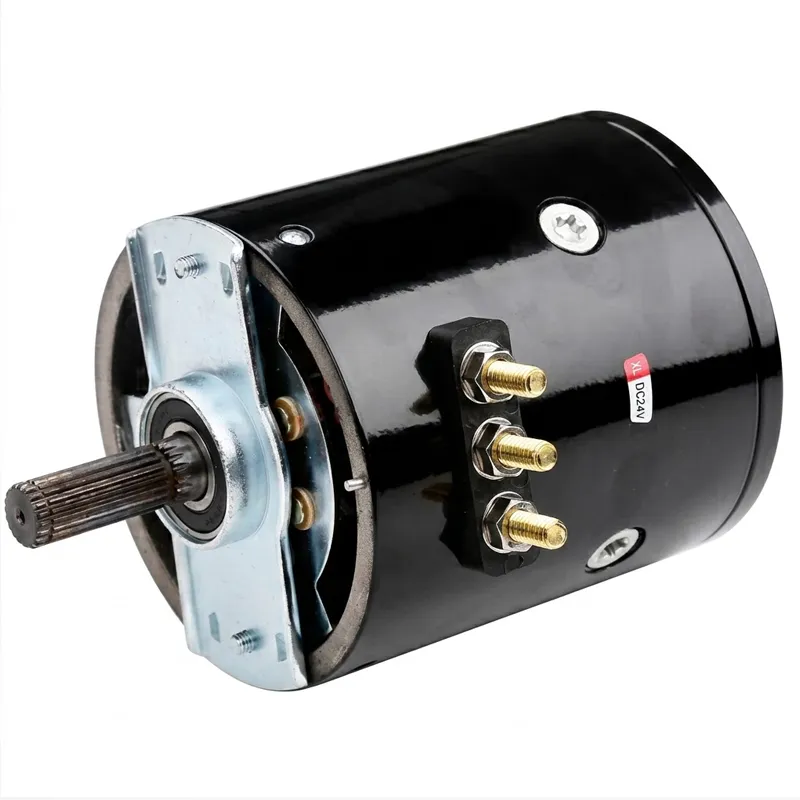
Motor Winch EP-2100W 24V 9 N·m
The EP-2100W winch motor operates on the established permanent magnet dc motor architecture — reliable, field-serviceable, and directly controllable through standard 24V solenoid relay systems without requiring an electronic motor controller. The 20-tooth drive pinion interfaces with the planetary ring gear carriers used across the most widely deployed commercial winch drum housings in this torque class, making the S103363 a practical replacement option for operators managing fleets of commercial tow trucks, offshore supply vessel deck winches, and heavy equipment recovery rigs across global markets.
Running at 24V rather than 12V delivers a meaningful system advantage: at 2100W and ≤180A, the current demand is approximately 40% lower than an equivalent 12V motor of the same power output.
High-Power 24V Commercial Winch Drive
Motor Winch EP-2100W 24V 9 N·m
Model S103363 — a 2100W, 24V motor win elektrik producing 9 N·m of rated torque, 20-tooth planetary drive interface, bidirectional rotation, and IP54 protection across a 197.36 mm frame engineered for heavy commercial winch platforms and industrial pulling systems worldwide.
Technical Specifications — Model S103363 Winch Motor
All parameters are measured at rated operating conditions under Class F insulation classification. Dimensional data is extracted from the S103363 motor outline drawing.
| Parameter Motor Winch | Nilai | Nota |
|---|---|---|
| Model Motor | S103363 | 24V Heavy-Duty Winch Motor |
| Voltan Dinilai | 24 V DC | Electric winch motor 24V |
| Kuasa Dinilai | 2100 W | Kuasa input elektrik puncak |
| Arus Terkadar | ≤180 A | Maximum rated load current |
| Tork Dinilai | 9 N·m | Tork output berterusan |
| Kitaran Tugas | S2 2min – 9% ED | Short-time intermittent duty |
| Kelas Penebat | Kelas F | Suhu penggulungan maksimum 155°C |
| Penarafan Perlindungan | IP54 | Dust-protected, splash-resistant |
| Bilangan Gigi | 20 | Pinion pemacu planet |
| Arah Putaran | Bidirectional (双向) | CW dan CCW melalui pembalikan kekutuban |
| Permohonan | Win | Commercial, industrial, marine |
| Body Outer Diameter | Ø100 mm / Ø125 mm | Inner / outer housing diameter |
| Flange Outer Diameter | Ø125 mm | Mounting flange diameter |
| Drive End Spigot | Ø109 mm | Drive-end register diameter |
| Panjang Keseluruhan | 197.36 mm | Panjang paksi penuh |
| Panjang Badan | 149.36 mm | Motor body (excl. drive end) |
| Drive End Length | 65 mm | Drive-end protrusion |
| Terminal / Mounting Ref. | 36 mm / 40 mm | Terminal block / flange depth refs |
| Bolt Circle / Spacing | 58.75 mm | Mounting bolt circle diameter |
| Sambungan Terminal | A1, D2 (+ belitan medan) | Four-terminal bidirectional layout |
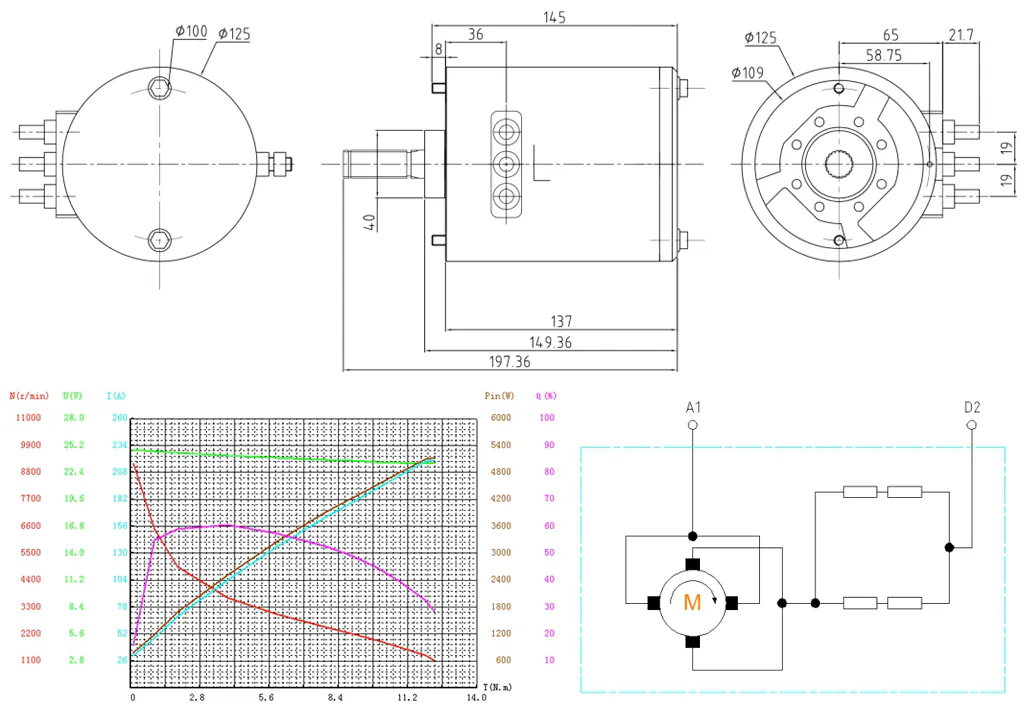
How the S103363 Winch Motor Works
The S103363 is a series-wound permanent magnet DC motor applying the established prinsip kerja motor dc to the specific demand profile of heavy commercial winch service. When the operator activates the winch control, 24V current from the vehicle's battery flows through the solenoid relay to the motor's A1 and D2 terminals, energising both the field coils and the armature winding simultaneously. The resulting electromagnetic interaction between the energised armature and the stator permanent magnets produces rotational torque at the output shaft — and through the 20-tooth planetary pinion engaged with the winch drum's ring gear, this torque becomes the line tension that pulls the rope under load.
A defining characteristic of this motor type is its speed-torque relationship. As a series-wound pemacu motor dc, the motor inherently slows as load torque increases — a property that provides strong pulling force at low rope speeds and makes the winch self-limiting under stall conditions. At no load the motor runs at peak speed; as rope tension climbs toward the rated 9 N·m, motor speed drops and current rises toward the 180A rated limit. This natural current limiting behaviour offers some protection against sustained stall — though the S2 2min–9%ED duty cycle rating remains the operative constraint that operators must respect to maintain winding temperature within Class F limits.
Bidirectional operation is achieved through the four-terminal wiring diagram — standard across commercial winch solenoid control boxes. Reversing the polarity at A1 and D2 reverses the armature current direction and therefore the shaft rotation, allowing the winch drum to spool in either direction from the same motor. The 20-tooth drive pinion is the same tooth count used across the dominant commercial winch drum architectures in the 15000–20000 lb line-pull category, making the S103363 a direct-fit penggantian motor winch across these platforms without requiring gear set changes.
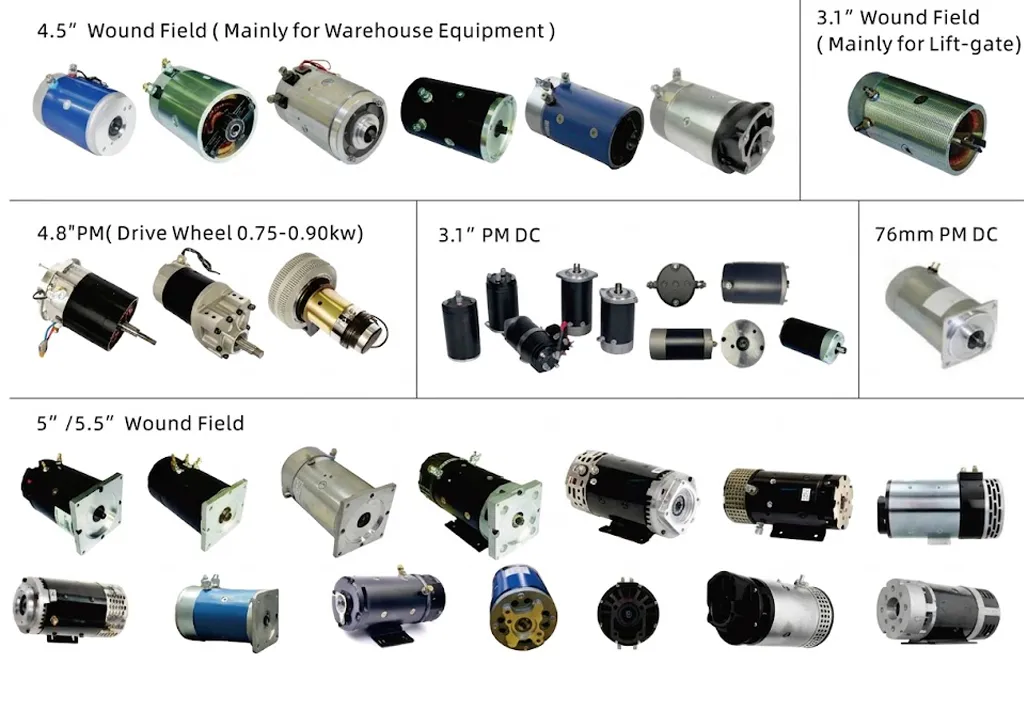
Five Strengths of the S103363 Winch Motor
① 9 N·m at 24V — The Highest Torque in the Series
At 9 N·m continuous output, the S103363 sits above both the 6 N·m and 8 N·m configurations in this product family, covering winch platforms rated in the 15000–20000 lb class. This is the torque range that separates genuine commercial heavy recovery from recreational off-road winching — where the load being recovered may be a fully laden semi-trailer, a piece of heavy construction equipment, or a large vessel on a commercial boat ramp. The 2100W power input supports this torque level at 24V without requiring the extreme current levels that 12V designs demand at the same output.
② 20-Tooth Pinion — Standard Commercial Winch Fitment
The 20-tooth output pinion matches the planetary ring gear specification of the most widely installed commercial winch drum housings in the 15000 lb and above category. For workshops and fleet operators sourcing a penggantian motor winch, this means the S103363 installs as a direct swap — the pinion engages the existing drum carrier, the mounting flange registers in the existing housing bore, and the four-terminal wiring reconnects to the existing solenoid box without modification. Reduced downtime on working vehicles is a concrete operational benefit of maintaining this dimensional compatibility.
③ Extended 9%ED Duty Cycle — More Pulls Per Rest Interval
The S103363 carries an S2 2min–9%ED duty cycle rating — slightly more generous than the 7%ED of the 6 N·m and 8 N·m models in this range. At 9%ED, the motor can sustain a marginally higher proportion of on-time within each duty period, which reduces enforced cooling intervals during multi-pull recovery operations. For commercial breakdown operators who frequently need to make several repositioning pulls in sequence, this extended duty cycle translates directly into faster job completion without the risk of tripping thermal protection mid-recovery.
④ Ø125 mm Flange — Wide Drum Compatibility
The Ø125 mm mounting flange and Ø109 mm drive-end spigot dimensions reflect the larger housing format used by commercial winch drum assemblies in the 15000 lb-plus category — physically wider and more rigidly mounted than recreational winch architectures. This larger flange diameter distributes the motor's own weight and the dynamic loads from cable tension across a greater bolt pattern radius, reducing stress on individual mounting points and extending the fatigue life of the motor mounting arrangement under repeated heavy-use cycles.
⑤ Class F Insulation — Sustained Performance in Hot Climates
Class F winding insulation rated to 155°C provides genuine thermal headroom for operations in high-ambient-temperature regions — Middle Eastern construction recovery, South African mining roads, Australian outback trucking routes — where summer ambient temperatures regularly exceed 40°C and the motor housing absorbs radiated heat from the vehicle structure between pulls. Lower insulation class motors in these conditions progressively degrade winding integrity, leading to insulation breakdown within one or two seasons of heavy use. Class F extends this service life by providing a meaningful safety margin above actual operating temperatures.
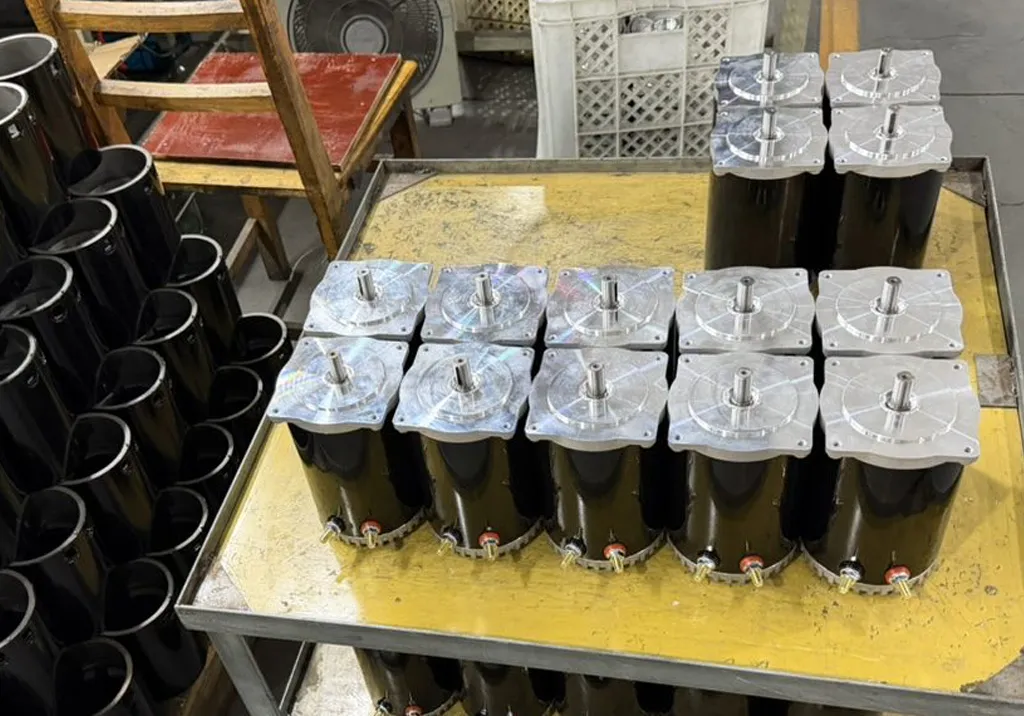
Winch Motor Materials & Build Quality
The S103363 Winch Motor is constructed from materials specified for the mechanical reality of heavy commercial winch service — not the controlled conditions of a test bench, but the actual combination of high peak torque, intermittent duty, outdoor exposure, and vehicle vibration that commercial breakdown and recovery equipment endures across a working year. The motor housing is precision die-cast from high-strength aluminium alloy, dimensioned to provide structural rigidity under the combined weight of the drum assembly and the cable tension loads that transmit reaction force back through the mounting flange during a recovery pull.
The stator lamination stack uses cold-rolled silicon steel, cut and stacked under controlled pressure to maintain consistent magnetic gap geometry through the full operating temperature range. The permanent magnets are sintered neodymium-iron-boron (NdFeB) grade, selected for high energy density over the ferrite alternatives used in lower-output motors — enabling the full 9 N·m torque output from a housing that remains compatible with standard commercial winch drum architectures. NdFeB maintains its magnetic flux properties reliably across the temperature cycling that outdoor motor service generates — warm soaking during summer operation, cold starts in winter — without the progressive demagnetisation that lower-grade magnets exhibit when driven hard near their operating temperature limits.
The armature winding uses Class F rated enamelled copper wire, applied with precision CNC winding equipment to maintain balanced pole resistance across all armature positions. The commutator is oxygen-free copper, ground concentric to the shaft and dynamically balanced with the completed rotor to minimise bearing loads at the high no-load speeds the motor achieves during light pulls. Electrographite brushes with controlled spring pressure maintain reliable, low-resistance contact at the commutator surface across the motor's full current range — from 20A at light load to 180A at full rated torque — without the commutator erosion that high-current arcing causes when brush spring pressure is incorrectly set.
Every motor passes outgoing inspection covering insulation resistance, no-load current and speed, brush seating verification, and dimensional check of the drive pinion and mounting flange before release. All production is conducted under ISO 9001:2015 certified quality management with documented batch traceability — the standard of process control that motor elektrik tork tinggi applications in commercial and industrial environments depend on for consistent performance between individual units and across supply batches.
Winch Motor Application Scenarios
The S103363 targets the upper end of the electric motor winch performance envelope — applications where the load to be recovered or moved is heavier than a standard 4WD recovery winch can handle, but where the simplicity and 24V compatibility of a motor winch dc remains preferable to a hydraulic drive system. Here are the primary use environments where this motor's torque, duty cycle, and dimensional specification align with genuine working requirements:
Commercial Breakdown & Heavy Recovery
Tow trucks and heavy breakdown vehicles recovering loaded trucks, buses, and construction plant need a motor winch system rated above the recreational and light commercial category. The S103363's 9 N·m output and 2100W power band cover recoveries in the 15000–20000 lb winch class — the range used across the major commercial tow truck platforms deployed in the UK, Australia, Germany, and North America. The 24V supply is standard on heavy commercial vehicles in all these markets, requiring no voltage conversion.
Commercial Marine & Large Vessel Winches
Larger commercial vessels — fishing trawlers, coastal freighters, pilot boats — carry deck winch systems for mooring line handling, dinghy davit winches, and cargo securing equipment. The S103363's 24V compatibility aligns with commercial vessel auxiliary systems, and its IP54 rated housing handles the spray and wash-down exposure of deck-mounted installations. For maritime operators across New Zealand, Norway, and the Netherlands, an electric winch motor 24v at this torque level offers a practical alternative to hydraulic drive on vessels where the hydraulic circuit is not routed to the deck winch location.
Mining & Quarry Haulage Equipment
Underground mine and surface quarry operations use electric winch drives for ore skip hoisting, conveyor tensioning, and equipment positioning on steep haulage grades. The S103363's high torque output and extended 9%ED duty cycle — slightly more generous than comparable products — make it suitable for moderate-intensity hoisting cycles where the motor needs to run a higher proportion of each operating period. South African gold mining, Australian coal and iron ore operations, and Canadian base-metal mines all use 24V battery or converter-fed winch drives where this motor fits the specification.
Offshore Energy & Infrastructure Maintenance
Wind turbine installation vessels, offshore platform supply boats, and subsea cable-laying ships use 24V deck winch systems for equipment positioning, cable pulls, and rigging work. The S103363's 20-tooth planetary interface is common across the commercial winch drum platforms specified for these vessels. Its IP54 housing handles the operational deck spray environment during normal operations, and the Class F insulation tolerates the combination of solar heat loading on a deck-mounted housing and electrical self-heating during sustained pull cycles in summer months.
Crane Auxiliary Winch & Industrial Hoist Drives
Small-to-medium crane auxiliary hooks and industrial jib hoist drives require 24V DC motors in the 2000W-plus range when the crane is battery or generator powered rather than connected to three-phase mains. The S103363's 9 N·m output covers load ratings in the 500–900 kg capacity range at typical drum reduction ratios, making it a viable drive motor for portable and semi-permanent crane applications on construction sites, in warehouses, and at vehicle loading docks across the Brazilian and Colombian markets where off-grid power supply is routine.
Data Prestasi Motor Winch
The S103363 performance curve presents speed N (r/min), voltage U (V), and current I (A) plotted against output torque T (N·m) and output power P (W). At no load, the motor runs at approximately 10000–11000 RPM drawing around 20–25A idle current from the 24V supply. As winch line tension builds from light to rated load, current climbs toward 180A while motor speed falls to approximately 2500–3500 RPM — a characteristic motor dc berkelajuan tinggi to torque curve profile that provides naturally smooth speed control through the drum reduction gear. The peak efficiency band lies between 4–7 N·m, where the motor delivers maximum mechanical output relative to electrical input losses. This efficiency range corresponds to moderate-tension pulling — positioning operations, slope-angle recoveries, and lighter loads — rather than the maximum-tension stall-adjacent pulls that consume full current and generate the most winding heat.
Understanding the performance curve helps operators manage motor winch service life effectively. Running consistently at or near 9 N·m rated load for the full 2-minute duty period represents the thermal boundary of the S2 rating. Lighter pulls — at 4–6 N·m — run the motor cooler, extend each permissible on-period, and reduce commutator surface temperature, which directly extends brush service life. The best maintenance practice for commercial breakdown operators is to use the winch at the minimum pull needed to move the load, rather than applying full tension immediately — both to protect the motor and to reduce rope fatigue at the snatch block.
| Titik Operasi | Kelajuan (RPM) | Semasa (A) | Tork (N·m) | Kuasa (W) |
|---|---|---|---|---|
| Tiada Beban | ~10500 | ~22 | 0 | ~530 |
| Light Load (3 N·m) | ~7700 | ~60 | 3.0 | ~2410 |
| Mid Load (6 N·m) | ~5500 | ~110 | 6.0 | ~3450 |
| Rated Load (9 N·m) | ~3300 | ≤180 | 9.0 | ~3110 |
Mengenai Kemudahan Pengeluaran Kami
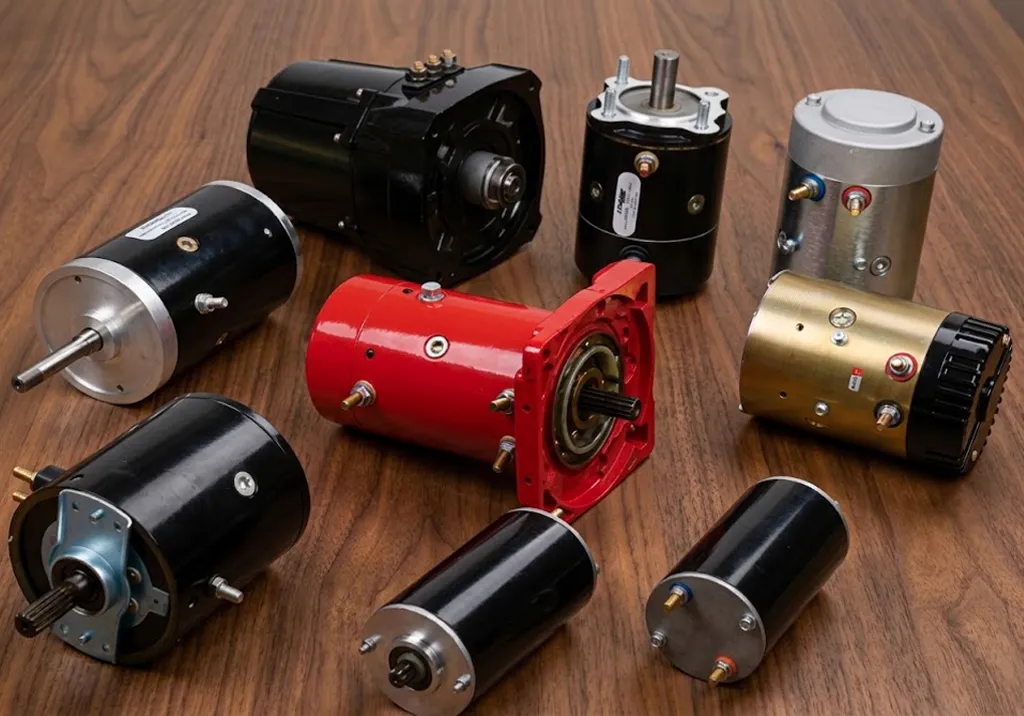
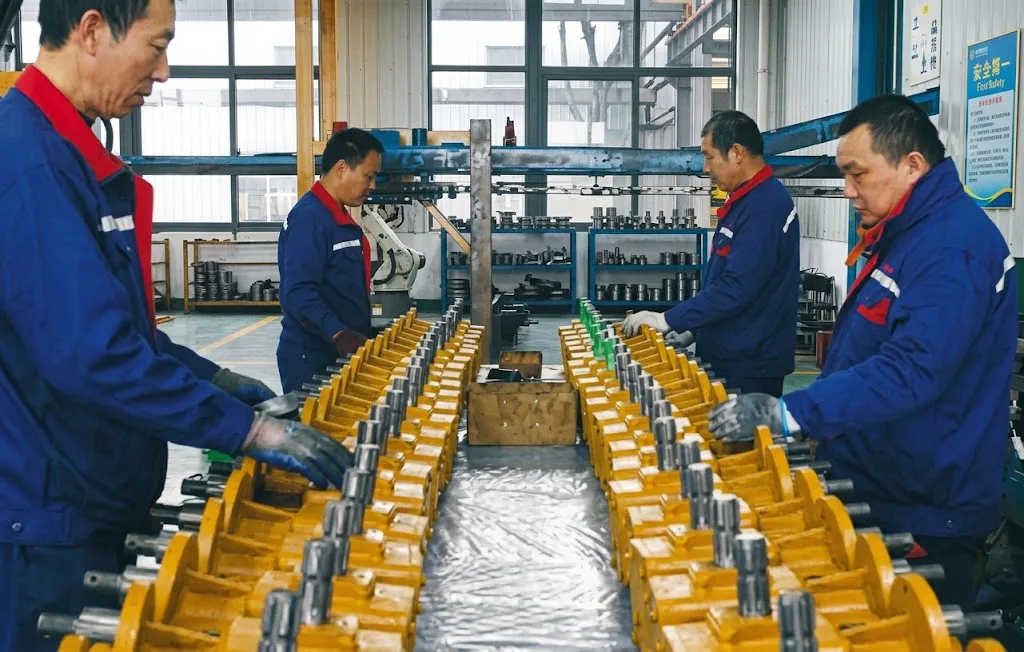
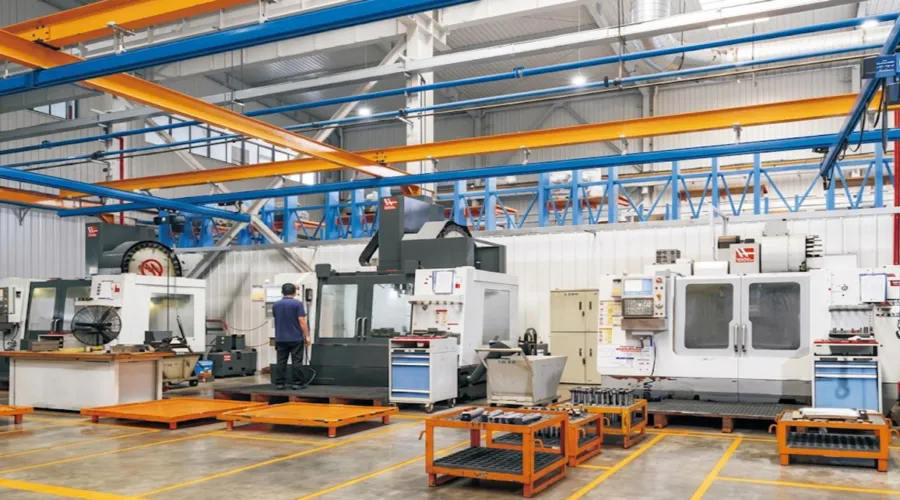
With more than ten years of accumulated engineering depth in mechanical power transmission, our facility produces a comprehensive range of drive components serving industrial, agricultural, and commercial vehicle markets worldwide. Our catalogue covers agricultural gearboxes, worm gear reducers, planetary gear drives, PTO shafts, hydraulic cylinders, precision gears, roller chains, and DC electric motors — the complete mechanical drivetrain that surrounds every motor we manufacture, which directly informs how we engineer motors for application-specific demands rather than generic performance targets.
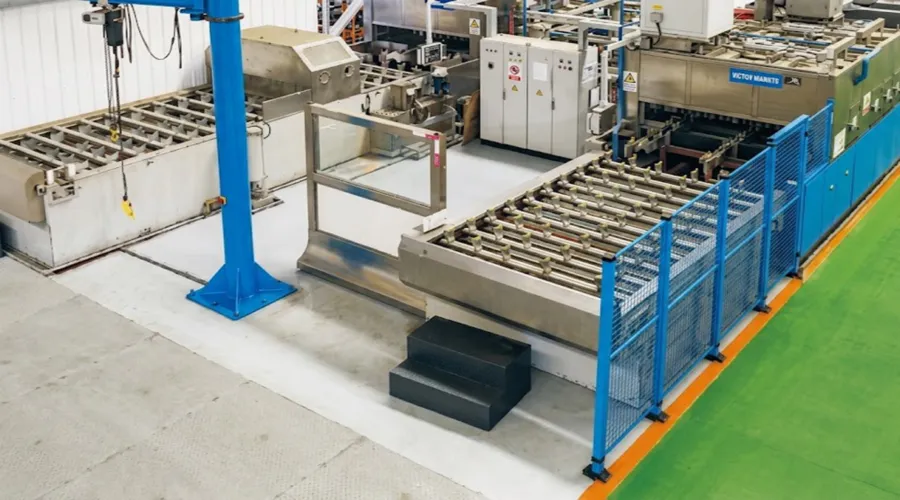
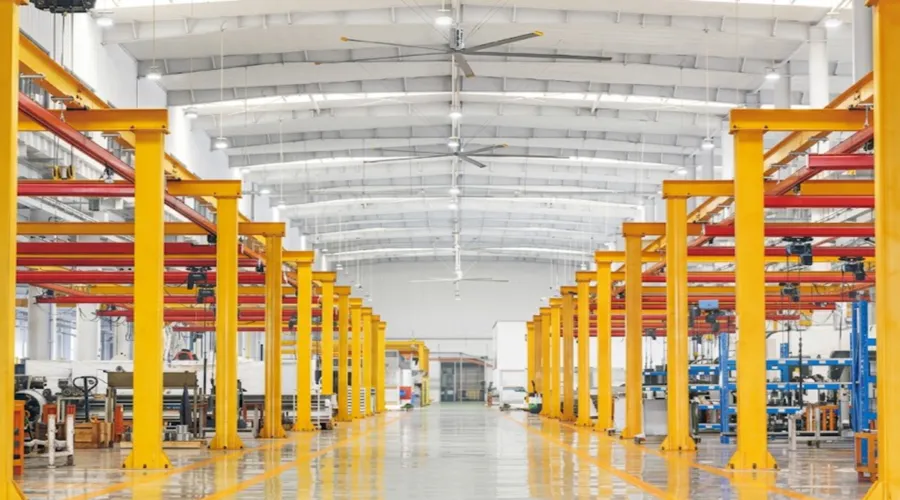
All production operates under ISO 9001:2015 certification, with process controls across motor winding, commutator machining, CNC turning and milling, gear cutting, heat treatment, and instrumented final test. We manufacture custom gearboxes and mechanical assemblies in ductile iron, cast iron, cast steel, precision investment cast steel, and cast aluminium for customers requiring non-standard dimensions or performance specifications beyond the catalogue range. Engineering documentation is provided in English for OEM and aftermarket customers, including dimensional drawings, material certifications, and performance data sheets.
Our export operations reach Australia, the UK, Germany, Canada, New Zealand, Norway, the Netherlands, South Africa, Brazil, South Korea, and Colombia, with full logistics and documentation handling for standard commercial terms. The S103363 and the broader motor win elektrik range we produce are developed against the torque, voltage, duty cycle, and mounting interface requirements of actual commercial winch platforms — not adapted from smaller consumer products — which is how we maintain the dimensional and performance compatibility that fleet procurement teams and workshop operators depend on when specifying a penggantian motor winch for working vehicles.
Bengkel
Related Products — Full Drive System Supply
Beyond the winch motor itself, we produce the full range of mechanical and electrical drive components that integrate alongside it in a complete winch system. Sourcing motor, gearbox, and related components from the same ISO-certified facility means matched dimensional interfaces, consistent quality documentation, and a single point of contact for after-sales technical support — the one-stop supply advantage that integrators and fleet procurement teams increasingly specify as a supplier requirement.
Motor Elektrik
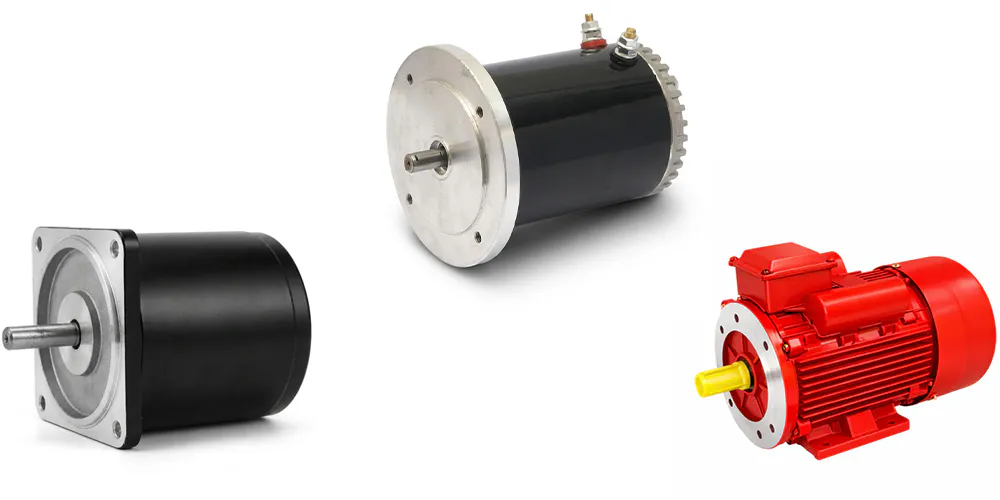
Penuh kami motor elektrik dc range covers configurations from compact motor dc kecil units for auxiliary applications through to motor dc tork tinggi builds for primary drive duties. Both brushed permanent magnet types and motor dc tanpa berus variants are available, with mounting interface dimensions consistent across voltage and power classes to simplify system design when the application calls for multiple motor types in the same equipment build.
Kotak Gear Cacing
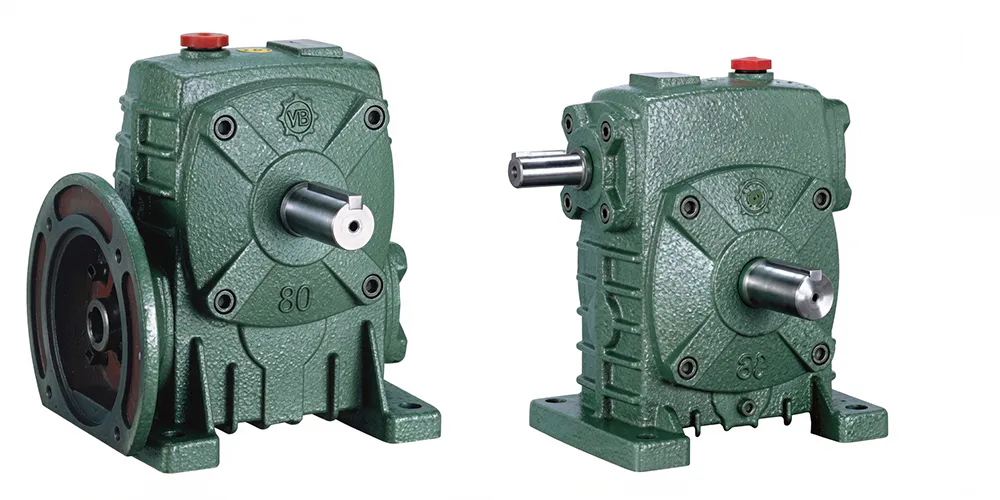
For winch builds requiring additional speed reduction beyond the planetary drum — to achieve slower, higher-force pulls for specific load handling tasks — our worm gearbox range provides catalogue ratios and input flanges compatible with the S103363 output geometry. The inherent self-locking characteristic of worm gearing also provides passive load-holding without motor energisation in vertical-lift configurations, eliminating the need for a separate mechanical brake in applications where the load must remain stationary between lifts.
Soalan Lazim
What makes a 24V 9 N·m winch motor the right choice for heavy commercial breakdown recovery operations in the UK and European road haulage sector?
Commercial breakdown recovery in the UK and Europe typically involves recovering loaded articulated lorries, double-deck coaches, and heavy plant — loads that exceed the rated capacity of 12V recreational winches by a wide margin. The S103363 at 9 N·m output covers the planetary drum winch systems used on the major commercial tow truck platforms deployed in this sector. Operating at 24V reduces current demand compared to 12V equivalents, which aligns with the 24V standard electrical systems on heavy commercial vehicles and keeps wiring, terminals, and solenoid contacts within their designed operating envelopes during sustained recovery pulls on motorway incidents.
How does the duty cycle rating on a heavy duty electric winch motor affect operations during multi-stage vehicle recovery on Australian outback roads?
The S2 2min–9%ED duty cycle means the motor is rated for up to 2 minutes at full load within a duty period where on-time represents 9% of the cycle. In multi-stage recovery — winching to an anchor point, re-rigging for a second angle, winching again — the rigging and repositioning time between pulls naturally provides the cooling interval the motor needs. In the high ambient temperatures of Australian outback conditions, allowing slightly longer rest periods between hard pulls than the minimum 9%ED requires is good practice, as the motor housing absorbs radiated heat from surrounding surfaces and ambient temperature reduces the cooling rate between pulls compared to moderate-climate conditions.
Which winch motor specification is most suitable for large commercial vessel mooring winches operating in New Zealand coastal commercial fishing fleets?
For large commercial fishing vessels in New Zealand, a 24V motor in the 2000W-plus range — such as the S103363 — covers mooring line and auxiliary deck winch duties at the torque levels typical of coastal trawler and longline vessel equipment. IP54 protection handles the spray and wash-down environment of deck-mounted installations during normal fishing operations. The 20-tooth planetary pinion matches the drum housings most commonly specified on commercial vessel deck winch equipment in this power bracket. For vessels operating in particularly exposed coastal conditions or where the motor may be directly submerged during dock flooding, upgrading to an IP67 specification variant should be discussed with the equipment supplier.
When should a mining operation in South Africa consider replacing a hydraulic winch drive with an electric winch motor 24V configuration for underground hoist applications?
The business case for switching from hydraulic to electric winch drive in a South African underground mining context typically centres on three factors: hydraulic fluid fire risk in confined underground spaces (electric drive eliminates this), energy efficiency (electric pemacu motor dc systems have lower parasitic losses than hydraulic circuits that run a pump continuously), and maintenance complexity (electric motors have fewer consumable components than hydraulic pumps, valves, and hoses in a dusty underground environment). The S103363's 24V compatibility, Class F insulation, and IP54 dust protection make it a practical electric drive candidate for underground ore skip and equipment positioning winches where these factors are the decision drivers.
How do I verify that a replacement winch motor will fit my existing commercial drum housing when sourcing parts for a breakdown truck fleet in Germany?
To confirm fitment compatibility, you need four dimensions from your existing motor: the mounting flange outer diameter (should be Ø125 mm for S103363 Winch Motor compatibility), the drive-end spigot diameter (Ø109 mm), the output pinion tooth count (20 teeth), and the terminal block position relative to the flange face. Compare these against the S103363 outline drawing, which our engineering team can provide in PDF format on request. For German commercial vehicle fleet managers maintaining standardised winch equipment across a mixed truck fleet, we can provide a dimensional compatibility confirmation against your existing winch OEM specifications before procurement — reducing the risk of a fitment issue on a working vehicle.
Editor: PXY