
Paper, Pulp & Printing
A technical reference for paper mill mechanical engineers and drive system specifiers evaluating worm gear speed reducers for wet end forming section applications — covering breast roll drive design, wire table drive requirements, moisture-resistant materials, and selection criteria for paper mills across North America, Europe, Scandinavia, Brazil, and Asia-Pacific.
Wet End Drive Systems — Why the Single Speed Reducer Is Central to Forming Section Performance
The wet end of a paper machine is the most mechanically demanding section of the entire production line. Diluted furnish — a suspension of fibers, fillers, and water at 0.5% to 1% consistency — is delivered from the headbox onto a moving Fourdrinier wire or twin-wire forming fabric at speeds ranging from 200 m/min on smaller board machines to over 1,800 m/min on modern newsprint machines. Every roll in the forming section must be driven or tensioned with a precision that keeps the wire fabric flat, the drainage uniform, and the fiber distribution consistent across the full machine width.
The breast roll, positioned at the leading edge of the forming section immediately downstream of the headbox, sets the reference speed for the entire wire drive system. Its peripheral velocity determines the jet-to-wire speed ratio — one of the most consequential forming parameters in papermaking, governing fiber orientation, formation uniformity, and two-sidedness of the finished sheet. Any instability in the breast roll drive train — torsional vibration, speed ripple, or drive compliance that allows velocity hunting — propagates through the wire and appears directly in the sheet’s formation index, a quality defect that affects the paper’s printability and folding characteristics.
The single speed reducer addresses this drive chain requirement by delivering a stable, low-vibration torque output from the electric motor to the breast roll and wire drive rolls. The worm gear mesh geometry of the WP-series single speed gear reducer naturally damps torsional excitation through its high contact ratio and sliding-contact load distribution — properties that paper mill drive engineers in Finland, Sweden, Germany, Canada, Brazil, and Indonesia have relied on for decades when specifying auxiliary and trim rolls in the forming section where compact, reliable right-angle drive geometry is needed.
Manufacturing Structure
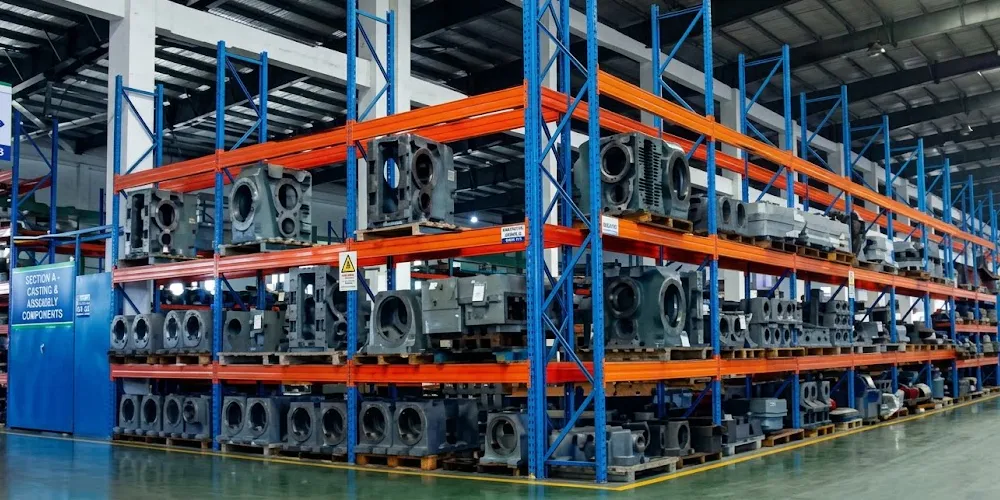
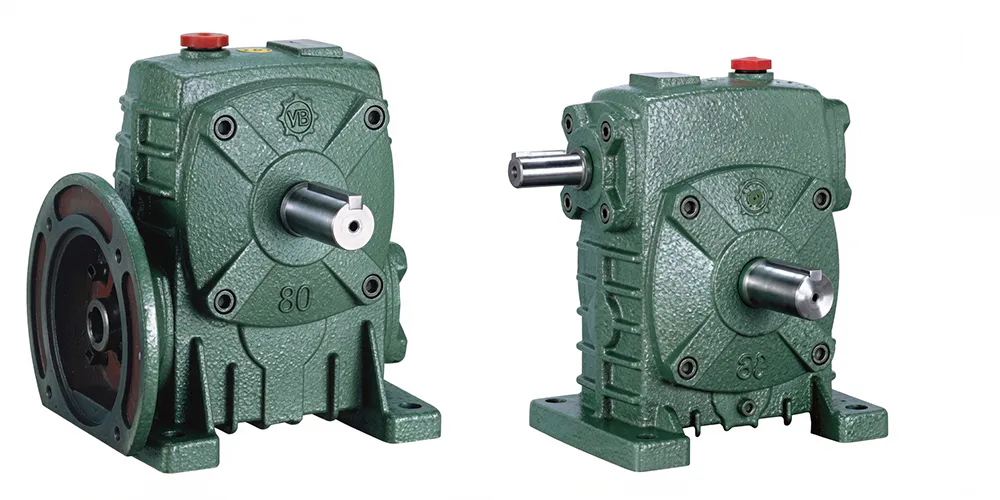
The WP-series single speed reducer used in paper mill forming section drives is built on a matched worm shaft and worm wheel assembly enclosed in a precision-machined cast housing. The worm shaft — manufactured from case-hardened alloy steel ground to close lead tolerance — meshes with a phosphor-bronze worm wheel whose alloy composition is selected to tolerate the boundary lubrication conditions that can develop during the slow-turning, high-torque periods that occur during machine start-up, threading, and draw adjustments in the forming section.
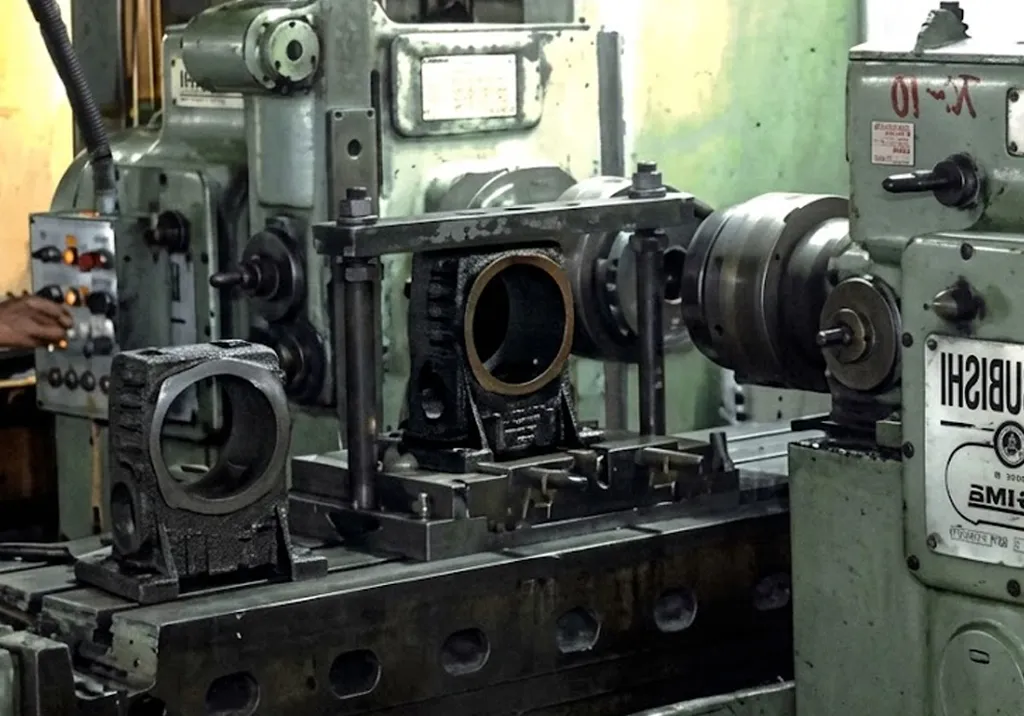
The housing is a matched-bore casting: both bearing housings are bored in a single machining setup to guarantee the worm-to-wheel center distance remains within the design tolerance band through the thermal expansion that the wet end environment generates. Paper machine basement levels — where drive system components are typically mounted below the machine floor — experience temperature gradients between the cold water-laden atmosphere near the wire pit and the warm motor and drive enclosures, and housing bore accuracy is what prevents these gradients from producing progressive shaft misalignment in the breast roll drive.
Foot and flange mounting faces are machined to ISO and DIN reference dimensions, enabling direct mounting to standard IEC motor flanges and to the breast roll or guide roll bearing housings without custom adapters. The multiple output shaft face options in the WP series — with output pointing toward any of the four housing faces — accommodate the space constraints of a forming section drive arrangement where the motor axis may be perpendicular, parallel, or inclined relative to the roll axis depending on the machine layout and available maintenance access space.
20CrMnTi, surface-ground to lead precision. Handles sustained low-speed high-torque demands during machine startup, threading, and forming section draw adjustments.
ZCuSn10Pb1 phosphor-bronze ring on cast-iron hub. Tolerates boundary lubrication at low forming section speeds; inherent lubricity reduces mesh heat in continuous paper machine drives.
Both bearing bores machined in single setup. Maintains center-distance accuracy through the temperature gradients in paper machine basement drive environments.
Four selectable output shaft faces accommodate forming section drive layouts where motor-to-roll axis geometry varies with machine architecture and basement space constraints.
Material System for Paper Mill Wet End Environments
The wet end of a paper machine is one of the most corrosively aggressive environments in industrial manufacturing. Forming section roll drives are exposed to a continuous mist of white water — process water containing dissolved pulp chemicals including alum, sodium aluminate, retention aids, biocides, and in some processes, bleaching agents. This mist penetrates every gap in drive enclosures, condenses on cold metal surfaces in the forming section basement, and attacks iron and steel components through a combination of chloride pitting and general surface oxidation.
Shaft seals on the single speed reducer in wet end service must exclude fine water mist rather than liquid water alone — a more demanding sealing requirement than most other industrial applications, because mist droplets penetrate lip seal interfaces through capillary action when the shaft is stationary during machine stops. Double-lip seal arrangements with a grease-packed intermediate cavity are commonly specified for breast roll and wire drive reducers in Scandinavian, North American, and Asian paper mills where white water chemistry is aggressive and machine runs are long between planned maintenance stops.
| Komponen | Standard Material | Wet End Alternative | Selection Driver |
|---|---|---|---|
| Perumahan | Gray cast iron | Ductile iron / Cast aluminum | Aluminum resists white water chloride attack; epoxy-coated ductile iron for drives subject to mechanical impact during wire change operations |
| Surface Coating | Alkyd enamel | Epoxy primer + polyurethane topcoat | Epoxy systems resist continuous white water mist and high-pressure wash-down during wire change and roll maintenance procedures |
| Aci Cacing | 20CrMnTi alloy steel | SUS316 stainless steel | 316-grade prevents crevice corrosion at the shaft seal interface in mills using bleached chemical pulp furnish with residual chlorine compounds |
| Pengedap Aci | NBR single-lip seal | Double-lip FKM with grease cavity | Double-lip arrangement with grease-packed intermediate cavity excludes white water mist that penetrates single-lip seals by capillary action during machine stops |
| Bearing | GCr15 steel ball bearings | Taper roller + stainless steel retainer | Taper rollers handle combined radial-axial loading from wire tension reactions; stainless retainer resists white water contamination of bearing internal surfaces |
| Pelincir | ISO VG 220 mineral gear oil | Synthetic PAG, ISO VG 220 | PAG resists water contamination better than mineral oil — a relevant property in wet end drives where housing water ingress is a recurring maintenance concern |
Recommended for Paper Mill Wet End Drive Service
EP-WPKA Single Speed Reducer (5–260 kg)
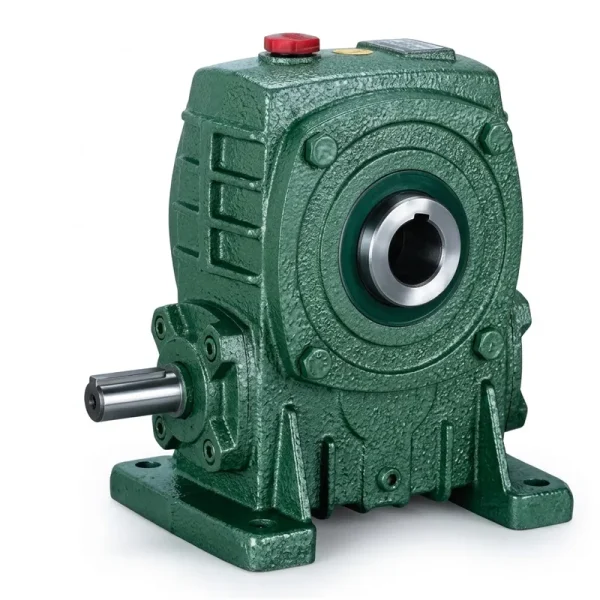
The EP-WPKA is a foot-and-flange-mounted single speed gear reducer covering a load range of 5 to 260 kg. Its right-angle output geometry positions the motor axis perpendicular to the driven roll — a highly practical configuration in paper machine forming section basements where roll shafts run across the machine width and motor mounting space is constrained to the longitudinal drive side of the forming section frame. This geometry eliminates the need for bevel gear intermediary stages that other right-angle drive configurations require, keeping the forming section drive arrangement compact and the alignment point count low.
Available with reduction ratios from 1:10 to 1:60, the EP-WPKA covers the full speed range of wire guide rolls, breast rolls on smaller board and specialty paper machines, and couch roll trim drive applications where precise speed matching to the wire section master drive is the governing performance requirement. Double-lip FKM seal and cast aluminum housing options address the white water mist and chemical exposure conditions of wet end forming section environments.
- Load range: 5–260 kg — covers wire guide rolls through medium breast roll drives
- Right-angle output — positions motor perpendicular to roll axis in forming section basement
- Ratios 1:10 to 1:60 — single unit covers wire guide speeds to slow-running suction roll trim drives
- Double-lip FKM seal option for white water mist exclusion
- ISO mounting dimensions — direct compatibility with IEC motor flanges used globally in paper mills
Breast Roll and Wire Drive Performance Requirements
The breast roll drive in a Fourdrinier paper machine operates under a specific set of constraints that differ from most other industrial rotating equipment drives. The roll must maintain a peripheral velocity that is precisely controlled relative to the headbox jet velocity — the jet-to-wire speed ratio, typically set between 0.97 and 1.02 depending on the paper grade and furnish type. Any variation in this ratio, even at the sub-percent level, shifts fiber orientation and alters the formation pattern in the sheet, producing visible defects in high-quality printing and writing grades.
The worm gear mesh in the single speed reducer contributes to speed stability through its high contact ratio — at any instant, multiple worm thread turns are simultaneously engaged with the worm wheel teeth, distributing the transmitted load and reducing the torque ripple at the output shaft to a level below the excitation threshold of the roll-and-wire system. This characteristic makes the single speed worm gear reducer more suitable for wire drive applications than a spur-gear single reduction stage of equivalent ratio, where contact ratio is lower and torque ripple at the roll shaft is higher.
Wire tension management in the forming section also benefits from the worm mesh’s inherent damping. Wire tables on modern Fourdrinier machines experience dynamic tension variations as the forming fabric passes over drainage elements — foils, vacuum boxes, and table rolls — each of which generates a periodic tension pulse in the wire. These tension pulses transmit through the wire to the breast roll and drive rolls as torsional disturbances. The sliding-contact damping in the worm mesh absorbs a portion of these disturbances before they reach the motor shaft, reducing the demand on the motor’s speed regulation system and extending the service life of couplings between the motor, reducer, and roll.
High worm contact ratio reduces output torque ripple below the threshold that affects jet-to-wire speed ratio and fiber orientation uniformity.
Sliding-contact worm mesh absorbs torsional disturbances from wire-foil interaction before they reach the motor — reduces coupling fatigue and motor regulation demand.
Motor axis perpendicular to roll shaft eliminates bevel gear intermediary stages — fewer alignment points, smaller drive train footprint in congested forming section basements.
Self-locking at ratios 40:1+ prevents breast roll drift during machine stops and threading — removes requirement for a separate roll position brake in many forming section configurations.
Selection Parameters for Wet End Single Speed Reducer Drives
The table below outlines the primary selection parameters for WP-series single speed gear reducers in paper mill wet end drive service — applicable to breast roll drives, wire guide roll drives, couch roll trim drives, and wire tension roll drives on Fourdrinier, gap former, and hybrid former paper machines worldwide.
| Parameter | Typical Range (WP Series) | Notes for Wet End Drive Selection |
|---|---|---|
| Reduction Ratio | 1:10 to 1:60 (single stage) | Wire guide rolls: 5–15:1; breast rolls on board machines: 20–40:1; slow-turning suction couch roll trim drives: 40–60:1 with self-locking |
| Load Rating | 5–365 kg (WPKA to WPKS) | Accounts for roll shaft weight plus wire tension reaction force at the breast roll bearing — verify against full tension loading, not just roll mass alone |
| IP Sealing | IP54 standard; IP65 optional | IP65 mandatory for drives directly below wire table where white water drainage falls; IP54 may be acceptable for enclosed drive-side alcove locations with drainage protection |
| Shaft Seal Arrangement | Single NBR lip seal standard | Double-lip FKM with grease cavity specified for all wet end rolls exposed to white water mist — prevents capillary ingress during machine stops and slow-speed threading |
| Bahan Perumahan | Gray cast iron standard | Aluminum or epoxy-coated ductile iron for forming section drives below wire table; standard iron with epoxy coating acceptable for enclosed drive-side locations |
| Mengunci Diri | Active at ratios 35:1 and above | Prevents breast roll drift on motor stop during sheet breaks or threading — eliminates need for a separate roll brake on drives at ratios above 40:1 |
| Oil Capacity | 0.4–5.2 L (WPZ/WPKZ variants) | Extended reservoir suits forming section drives where access for oil changes requires shut down of wire washing systems and confined-space entry below the wire table |
Global Paper Industry Application Contexts
Paper mills across different world regions specify forming section drive equipment to different engineering standards and operational priorities. In Scandinavia — Finland and Sweden, where the world’s largest printing and writing paper machines operate — forming section drive specifications invoke TAPPI and Valmet or Voith OEM dimensional standards, and wet end drives are typically part of a complete electrical and mechanical package from the machine builder. WP-series single speed reducers serving as auxiliary and trim roll drives in these environments must conform to the machine builder’s dimensional data sheets and be submitted with test certificates confirming gear mesh quality and bearing running clearance.
In North America — particularly at integrated pulp and paper mills in the US South (Georgia, Alabama, Mississippi) and Pacific Northwest (Oregon, Washington, British Columbia) — forming section drives are often specified independently by the mill’s engineering team during rebuilds and section upgrades, allowing direct selection from WP-series catalog units with ASTM-traceable material certification. These rebuild projects represent the dominant procurement pathway for WP-series wet end drive reducers in North American paper mills, as complete machine replacements are rare and forming section modernization is the standard approach to improving paper quality and machine efficiency.
In Brazil — the world’s largest eucalyptus pulp producer, with major integrated paper mills in São Paulo, Minas Gerais, and Mato Grosso do Sul states — forming section drive ambient temperatures regularly exceed 35°C, making synthetic PAG lubricant a standard specification rather than a premium option for any single speed reducer in wet end service. Indonesian and Malaysian tissue and packaging paper mills, operating in tropical ambient conditions year-round, face the same thermal lubricant challenge combined with high atmospheric humidity that accelerates surface corrosion on iron housings — making cast aluminum housing variants the default specification for any single speed reducer exposed to the mill’s internal atmosphere rather than an enclosed drive enclosure.
Installation and Maintenance in Paper Mill Wet End Service
Installing a single speed gear reducer in a paper mill forming section drive requires attention to one challenge that is specific to this environment: the drive train must remain aligned and functional through wire changes, during which the entire forming fabric is replaced over a period of four to eight hours with high-pressure water washing of the wire pit, the foil blades, and the machine structural frame. Water from this washing process reaches every accessible surface in the forming section basement, including the reducer housing exterior and the coupling guard.
Drive train alignment on the breast roll and wire drive should be verified using a laser alignment system before and after the first wire change following a new installation, since the mechanical disturbance of the wire change operation — which involves running forming rolls at slow speed under varying tension conditions — can shift the base-mounted motor-reducer assembly relative to the roll bearing housings. Soft-foot correction at the reducer mounting base is equally important in wet end service because the forming section frame experiences thermal and structural deflections as the machine heats up from cold startup, and any soft-foot condition becomes a cyclic bending load on the housing that accelerates seal and bearing wear.
Planned maintenance intervals for wet end forming section single speed reducers should align with the wire change schedule — typically every 60 to 90 days on high-speed paper machines. This alignment allows oil sampling, seal inspection, and housing drain checks to be performed during the planned wire change window without requiring additional machine stops. Wear-metal content in the gear oil sample provides trending data that detects worm wheel tooth face deterioration well before it reaches a stage that causes speed instability at the breast roll or wire drive.
Related Products for Paper Mill Drive Systems
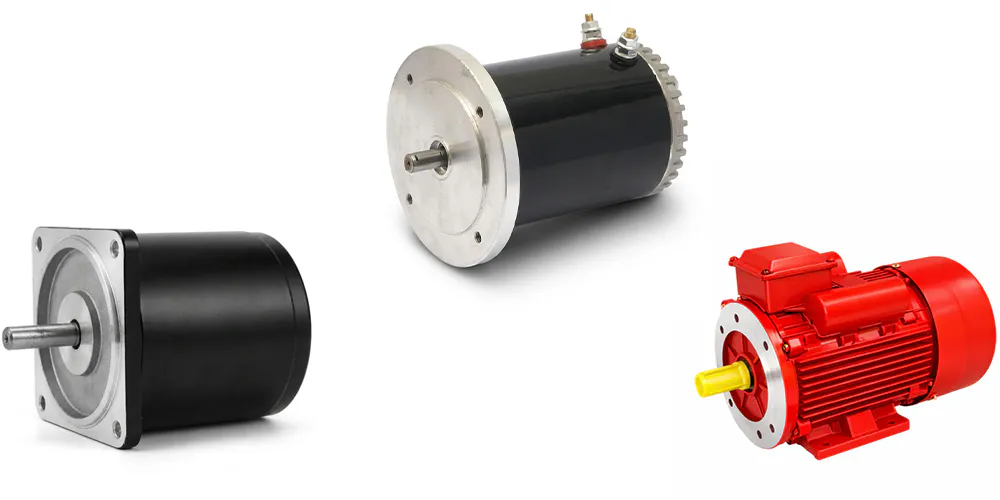
Forming section drive packages that source the reducer, motor, and associated components from a single supplier reduce the engineering effort required to verify dimensional compatibility across the drive train and simplify the documentation submitted to paper machine OEM engineering review. The products below are regularly paired with the single speed reducer in wet end drive applications.
Tentang Kami
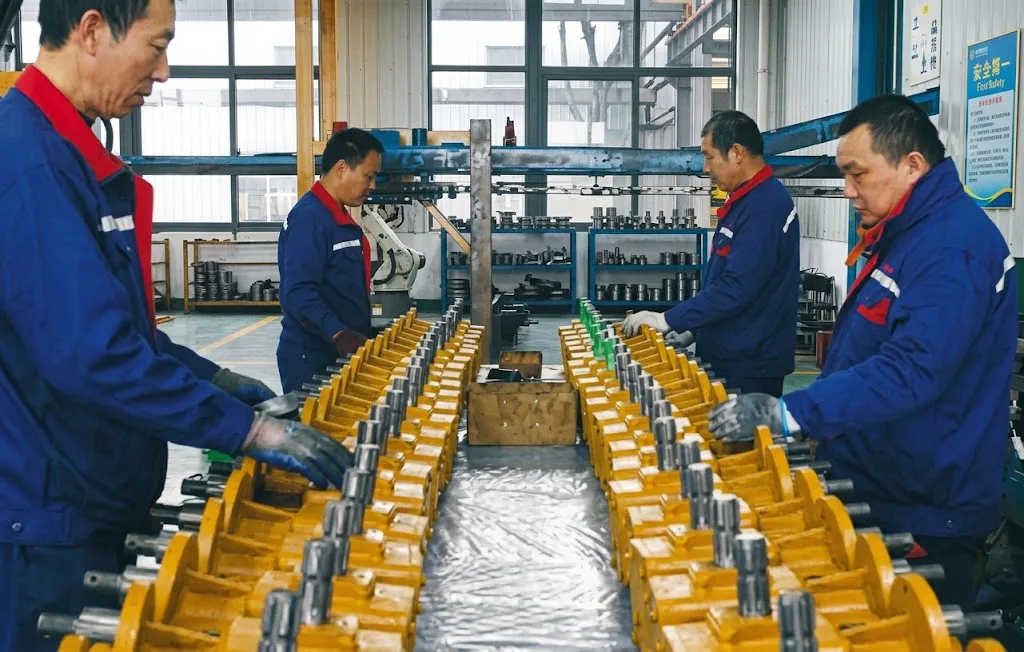
The manufacturing portfolio encompasses agricultural gearboxes, worm gear reducers, planetary gear drives, power take-off shafts, hydraulic cylinders, gears, chains, and motors — all produced within an ISO 9001:2015 certified facility. Engineering capability covers catalog-standard products and application-specific configurations including wet end paper mill material packages with specialist seals, aluminum housing, and enhanced coating systems.
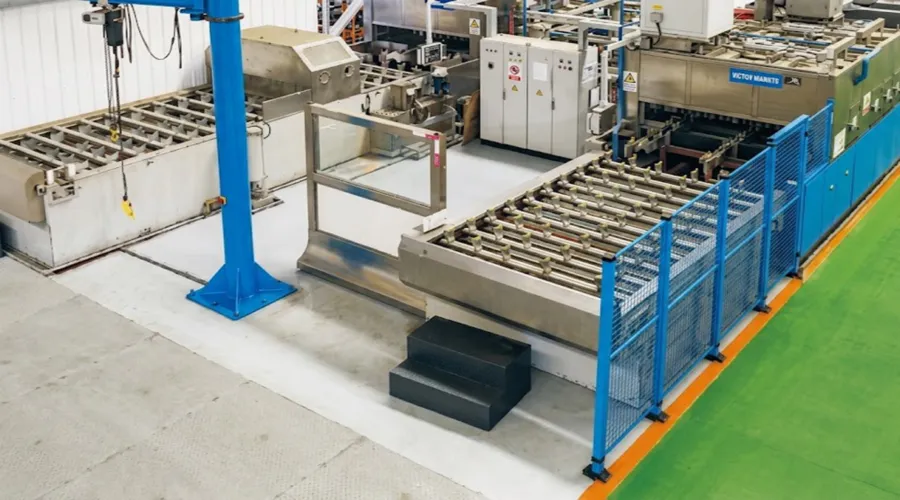
Production scope includes housing castings in ductile iron, cast iron, cast steel, precision cast steel, and cast aluminum. Component manufacturing covers precision gears, roller chain sprockets, worm wheels, worm shafts, pulleys, and an extensive portfolio of standard and non-standard mechanical parts for OEM and paper industry maintenance clients worldwide. Paper mill engineering teams can consolidate reducer, motor, and mechanical drive components from a single supplier, reducing vendor qualification effort during forming section rebuild and modernization projects.
Kedai Kerja
Soalan Lazim
Editor: PXY