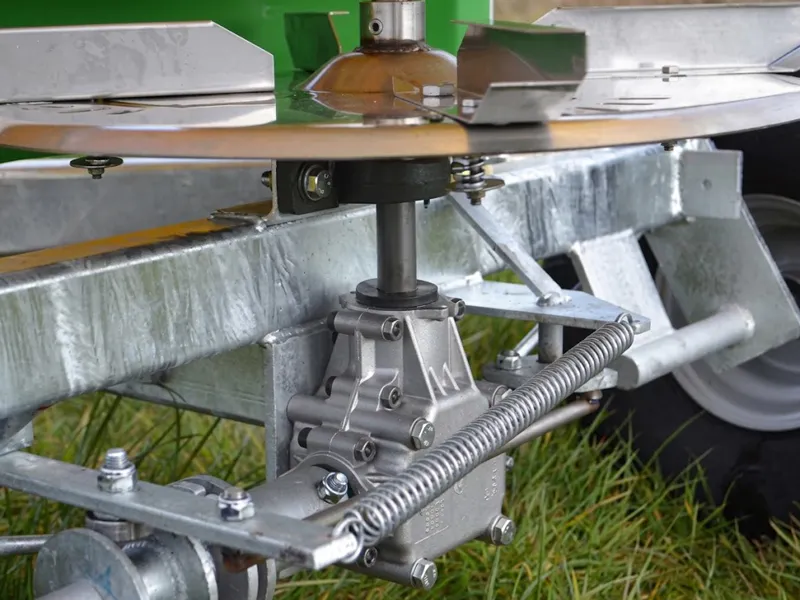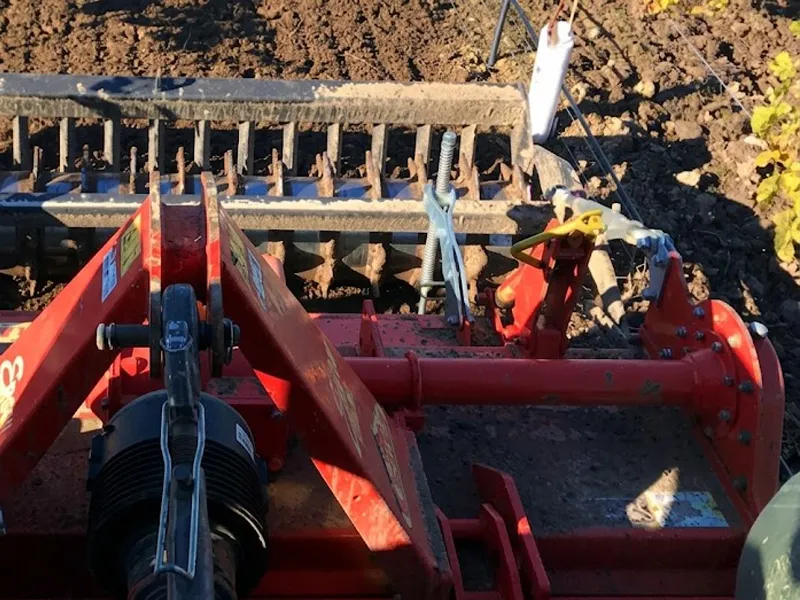
Caixa de Engrenagens Agrícolas
Desde implementos agrícolas acionados por tomada de força até máquinas de colheita pesada, esta unidade de acionamento essencial converte a potência do trator em resultados precisos e confiáveis em todas as estações do ano e tipos de solo.
Introdução
O que é uma caixa de câmbio agrícola?
Uma caixa de engrenagens agrícola é um dispositivo mecânico de transmissão de potência projetado especificamente para uso em máquinas agrícolas, convertendo a rotação gerada pela tomada de força (TDF) ou pelo motor do trator no torque, velocidade e direção precisos exigidos por um implemento ou acessório específico. Todas as máquinas agrícolas tracionadas por trator — desde uma simples roçadeira rotativa até uma plataforma de colheitadeira de múltiplas linhas — dependem dessa unidade de transmissão para traduzir a potência bruta do motor em trabalho mecânico controlado e específico para o implemento.
Ao contrário das caixas de engrenagens industriais de uso geral, esta classe de unidades de acionamento é projetada para suportar as condições operacionais exclusivas do uso em campo: impactos repentinos da lâmina ao contato com pedras enterradas, ampla variação térmica desde partidas a frio pela manhã até o corte em plena carga no verão, exposição constante a poeira, umidade, restos de colheita e contato com fertilizantes químicos. Essas unidades devem oferecer desempenho confiável em todas essas condições, sem exigir manutenção complexa em oficina entre as revisões sazonais.
Em todas as operações agrícolas modernas — desde os cinturões de grãos da América do Norte e Austrália até as fazendas mistas de cultivo e pecuária da Europa Ocidental — a caixa de engrenagens agrícola é um componente fundamental. Selecionar o tipo correto de caixa de engrenagens, a potência nominal e a relação de transmissão para a aplicação determina se um implemento terá o desempenho ideal ou se tornará uma fonte constante de manutenção durante toda a safra.
Tipos de caixas de câmbio agrícolas
Nossa linha de produtos abrange todas as principais categorias de implementos e classes de potência, desde segadoras compactas para pomares até plataformas de colheitadeira de alta potência e colhedoras de forragem.
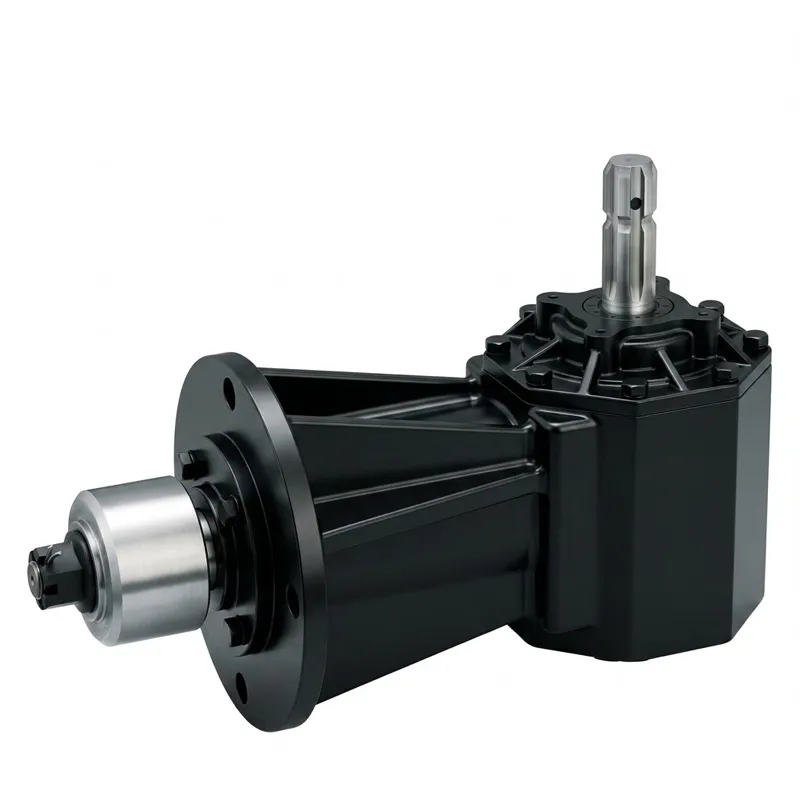
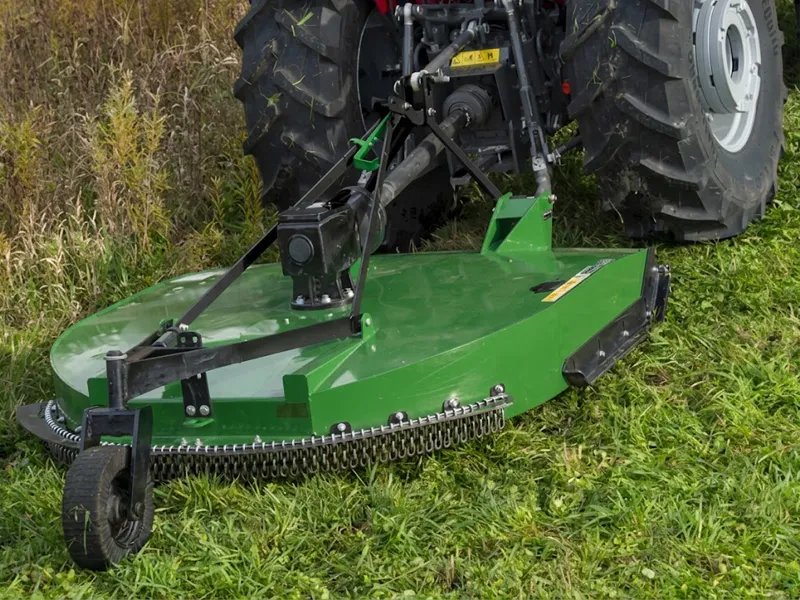
Caixa de engrenagens do cortador de grama
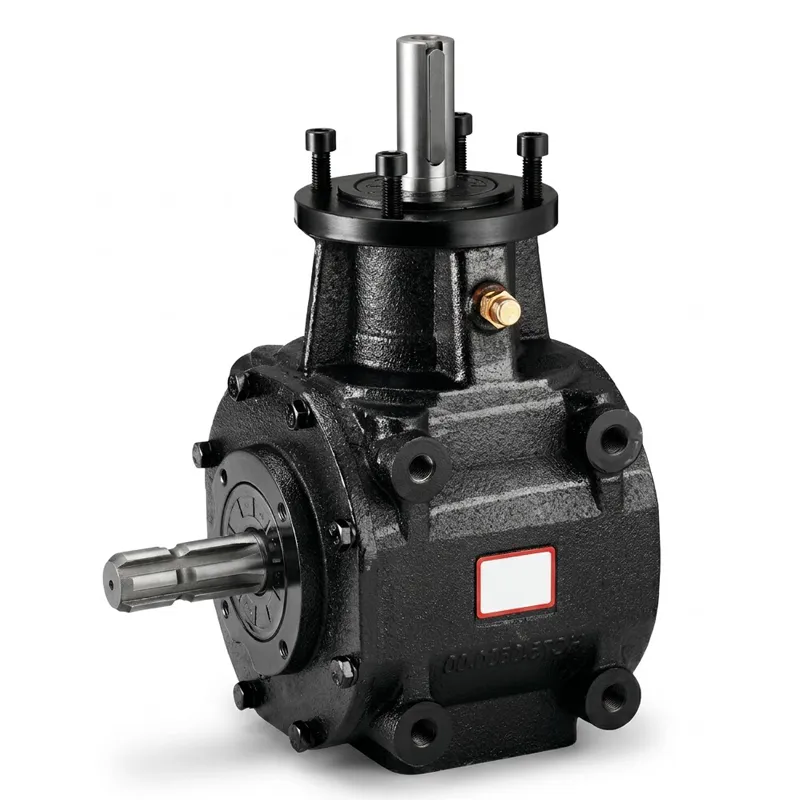
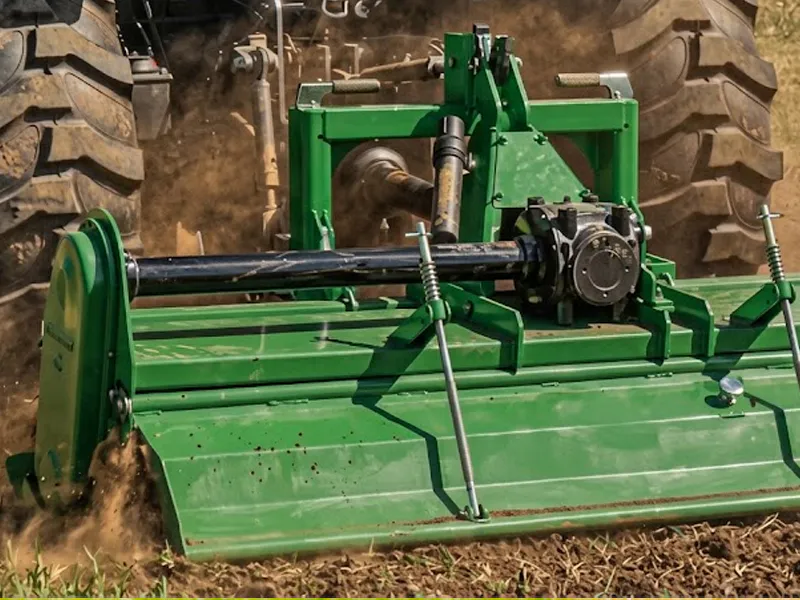
Caixa de engrenagens do cultivador rotativo
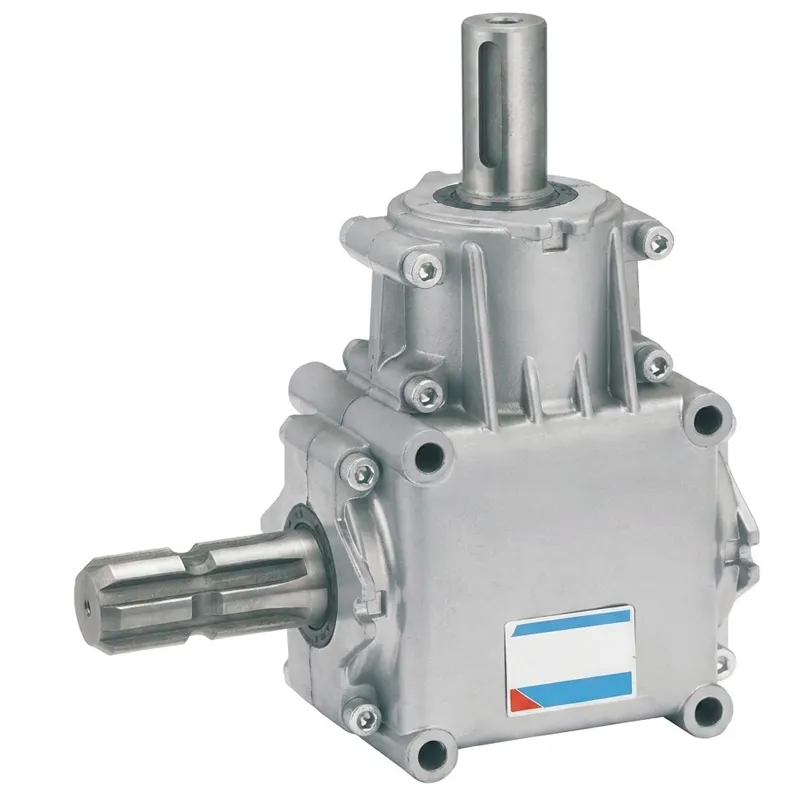
Caixa de engrenagens de alumínio
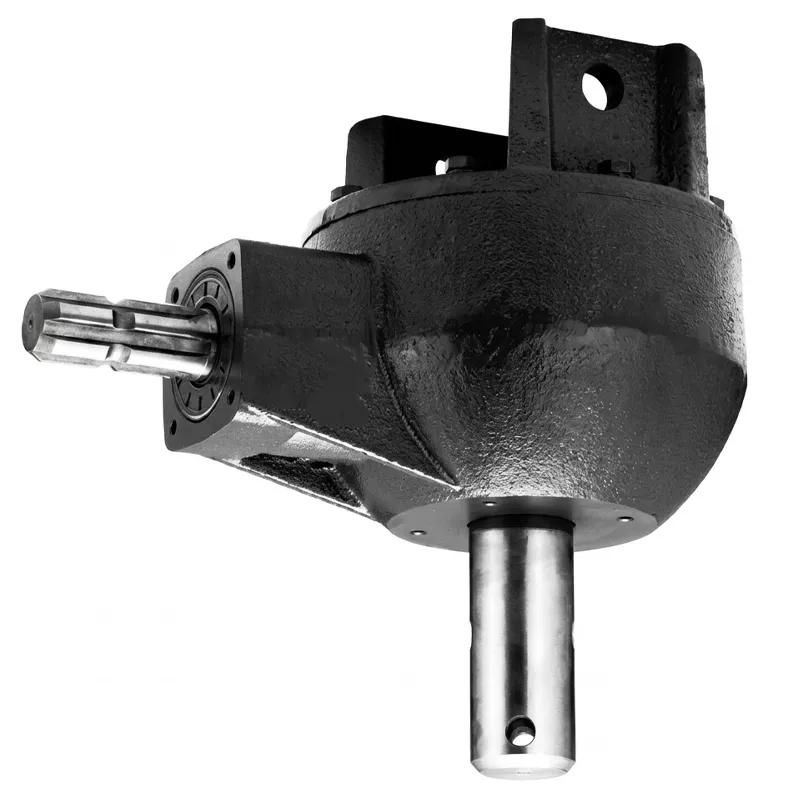
Caixa de engrenagens de alumínio
PRINCÍPIO DE FUNCIONAMENTO
Como funciona uma caixa de câmbio agrícola?
O princípio fundamental é o mesmo em todos os projetos: o engrenamento controlado converte a energia rotacional de um eixo na velocidade e no torque de outro eixo em uma proporção definida. Compreender os cinco estágios desse processo esclarece como essa unidade de transmissão adapta a potência do trator à demanda do implemento.
Entrada de energia da tomada de força (PTO)
O eixo da tomada de força (TDF) do trator transmite a potência rotacional — normalmente a 540 rpm ou 1.000 rpm — através de um eixo de transmissão telescópico da TDF até o encaixe de entrada da caixa de engrenagens. A estria do eixo de entrada (comumente 1 3/8 Z6 ou 1 3/4 Z20) transfere o torque sem folga.
Engrenagem cônica
Dentro da carcaça de ferro fundido ou ferro fundido nodular, a engrenagem cônica de entrada engata na engrenagem cônica de saída. A relação entre os dentes da engrenagem — por exemplo, 15 dentes acionando 29 dentes — determina o aumento ou a redução da velocidade no eixo de saída.
Mudança de direção
Em configurações de ângulo reto, o engrenamento cônico de 90 graus redireciona a potência da linha de transmissão horizontal da tomada de força (TDF) para um eixo de saída vertical, que aciona o cubo da lâmina, o rotor ou o elemento de trabalho do implemento diretamente abaixo.
Lubrificação por banho de óleo
Todas as engrenagens e mancais do eixo funcionam submersos ou lubrificados por imersão em óleo de engrenagem GL-4 ou GL-5. O banho de óleo selado mantém uma película lubrificante consistente em todas as superfícies de contato dos dentes durante todo o turno de trabalho.
Implementar saída de acionamento
O eixo de saída — com furo liso, estriado ou com estrias cônicas — aciona o cubo da lâmina da segadora, o rotor da enxada rotativa, o volante da enfardadeira ou outro componente de trabalho na rotação e torque projetados. Retentores de óleo de lábio duplo evitam a perda de lubrificante e a entrada de contaminantes.
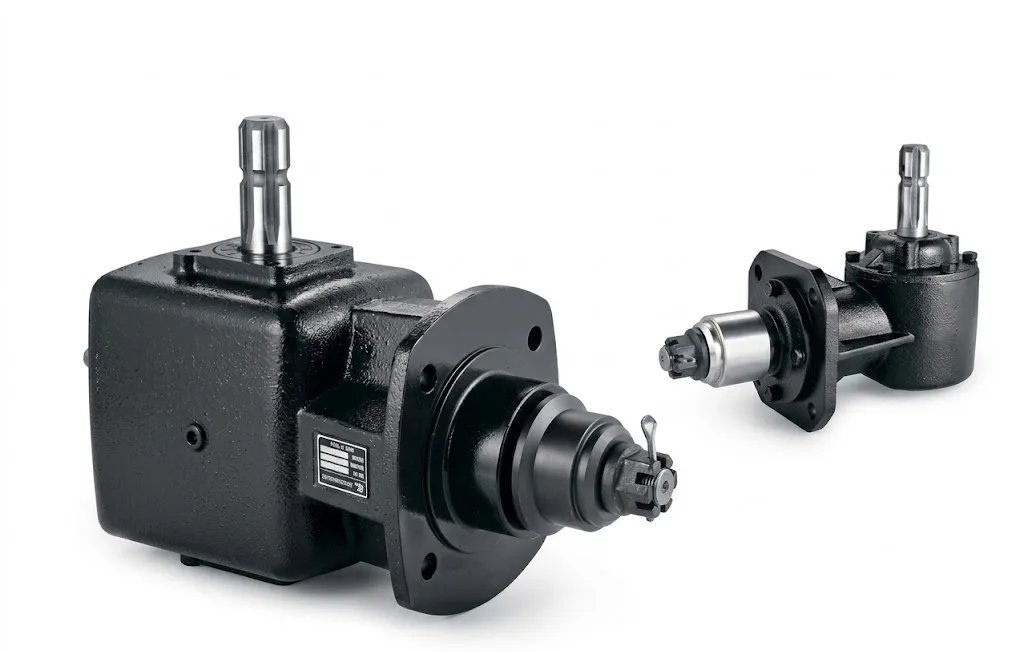
Aplicações dos cilindros hidráulicos para empilhadeiras
Este componente de transmissão está presente em praticamente todas as categorias de equipamentos agrícolas tracionados por tratores. Os cenários a seguir representam os contextos de implantação mais comuns em operações agrícolas e de gestão de terras em todo o mundo.