
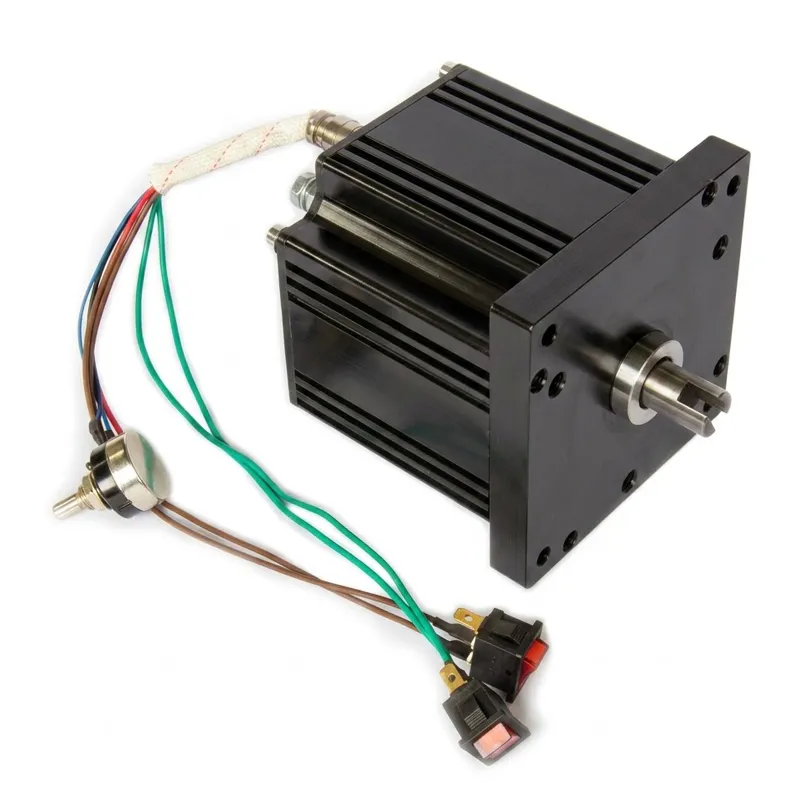
EP-600W 24V 1.7 N·m Brushless Motor
The EP-600W XL2406PG-HY is a 24V brushless DC motor — a BLDC motor — engineered for applications where the longer service life, lower acoustic noise, and higher efficiency of electronic commutation justify the system design investment over a comparable brushed permanent magnet motor. Rated at 600W with a torque output of 1.7 N·m and a rated current of 34A, this brushless motor occupies the light-industrial end of the brushless DC electric motor spectrum: compact enough for integration into equipment where space is constrained, powerful enough to drive meaningful mechanical loads in conveyor drives, fan systems, pump actuators, and small tarpaulin or auxiliary winch applications. The CW rotation, 2-tooth output gear, and multi-voltage configuration options — 12V, 48V, 60V, and 72V available alongside the standard 24V — make it adaptable across a wide range of drive system architectures.
What distinguishes a brushless motor from a brushed DC alternative is the elimination of physical commutator-brush contact. In a brushed motor, current switching through the armature is achieved by mechanical contact between carbon brushes and a rotating copper commutator — a contact point that generates friction, heat, and electrical arcing that gradually wears both surfaces.
DC Motor Series — Others / Model XL2406PG-HY
EP-600W 24V 1.7 N·m Brushless Motor
A compact 24V brushless motor rated at 600W with 1.7 N·m torque output — IP54 sealed, Class F insulated, CW rotation, and electronically commutated for longer service life, lower maintenance, and quieter operation across industrial and commercial drive applications worldwide.
Technical Specifications — Model XL2406PG-HY
All parameters verified at rated operating conditions. Swipe horizontally on mobile to view the full table without compression.
| Motor Modeli | Nominal Gerilim (V) | Güç (W) | Nominal Akım (A) | Nominal Tork (N·m) | Görev Döngüsü | Yalıtım Sınıfı | IP Derecelendirmesi | Tooth Number | Dönme | Optional Config | Motor Tipi |
|---|---|---|---|---|---|---|---|---|---|---|---|
| XL2406PG-HY | 24 | 600 | 34 | 1.7 | 1min-8%ED (S2min-S3%) | F | IP54 | 2 | CW | 12V / 48V / 60V / 72V | Brushless DC (BLDC) |
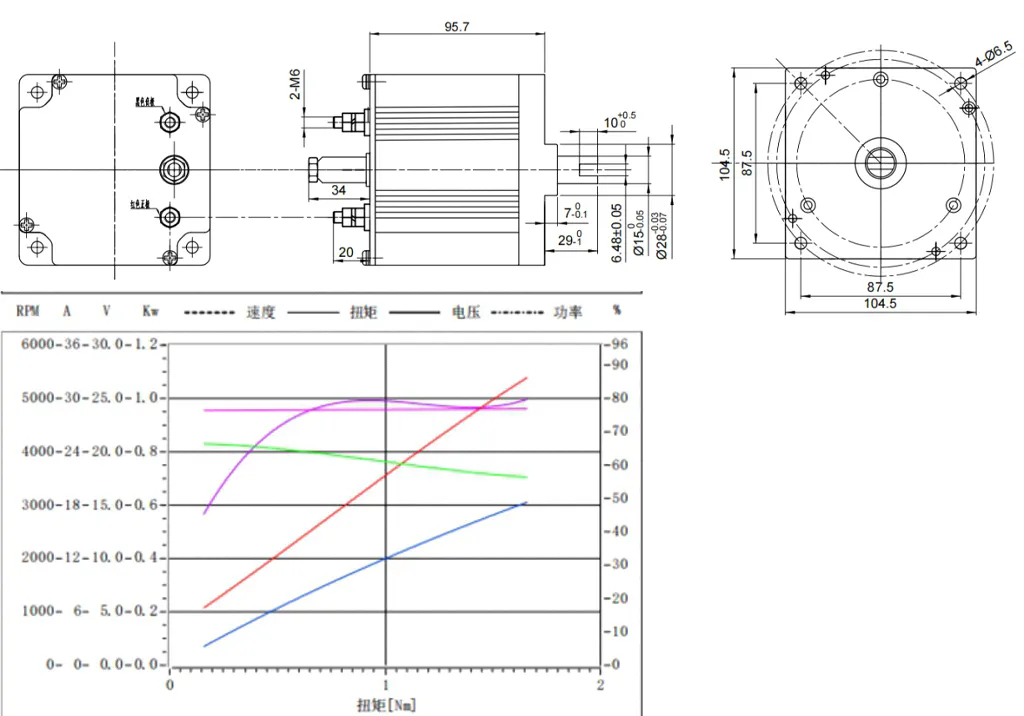
| Outline Dimensions | Overall Length: 95.7 mm | Mounting Face Width: 34 mm | Body Depth: 29.1 mm | Output Shaft Ø: 15 +0.5/-0 mm | Flange OD: Ø28.3 +0.03/-0 mm | Bolt Pattern: 2×M8 | Register Bore: 6.48 −0.05 mm | Front Face OD: Ø104.5 mm / Ø87.5 mm | Bolt Holes: 4×Ø6.5 on Ø87.5 | ||||||||||
| Wiring / Connector | 6-pin connector with defined pin functions: (1) Speed signal output, (2) Enable signal input, (7) Brake signal input, (3) Forward Hall signal, (4) Reverse Hall signal, (5) Forward phase output, (6) Reverse phase output — requires external brushless motor controller for operation | ||||||||||
| Performance Range | Speed: 0–6000 RPM | Torque: 0–2 N·m | Input power: 0–1200W across operating range | Efficiency: peak approx. 80–96% at rated operating point | ||||||||||
What Is a Brushless Motor and How Does It Work?
The definition of a brushless motor begins with the key architectural difference from a brushed motor: in a BLDC motor, the permanent magnets are on the rotor and the wound coils are in the stator. Commutation — the process of switching current between windings to sustain rotation — is handled electronically by the brushless DC motor controller rather than by mechanical brush contact on a rotating commutator. The controller reads the rotor position through the Hall effect sensors embedded in the stator (accessible via the 6-pin wiring connector), then switches the appropriate stator phase windings in sequence to maintain continuous rotation in the commanded direction. This is the dc motor working principle updated for the electronic age: the electromagnetic torque-generating physics are the same as in a brushed motor, but the switching mechanism is semiconductor-based rather than carbon-on-copper.
The six-pin connector on the XL2406PG-HY carries both power-side signals (phase outputs for forward and reverse) and control-side signals (speed feedback, enable input, and brake input) — a wiring architecture that allows the brushless motor controller to implement closed-loop speed regulation, soft-start ramp control, and active braking from a single connector interface. The rated operating range of 0 to 6000 RPM, with torque from 0 to 2 N·m, gives drive systems a wide modulation window for applications that need smooth speed variation rather than the simpler on/off switching used with brushed tarpaulin and winch motor designs. At 34A rated current — relatively modest for a 600W motor — the 24V BLDC motor is also well within the current handling capacity of compact brushless motor controller modules commonly used in light industrial and commercial equipment builds.
Compared to a brushed motor vs brushless motor analysis: the brushless motors win on efficiency (typically 85–95% vs 75–85% for brushed), service life (no brush or commutator wear), acoustic noise (no brush contact arcing), and suitability for speed-controlled applications. The brushed motor retains advantages in simplicity, lower controller cost, and direct reversing through polarity switching. For applications that require long unattended service intervals, precise speed regulation, or low vibration — such as automated conveyor systems, HVAC fan drives, and precision positioning actuators — the brushless DC electric motor is the appropriate technology choice, and the XL2406PG-HY is sized for exactly these application categories.
Five Engineering Advantages of the EP-600W Brushless Motor
Why engineers specify the XL2406PG-HY BLDC motor over brushed alternatives in applications where performance, longevity, and control precision all matter:
① No Brush Wear — Extended Maintenance Intervals
The most immediate operational advantage of a brushless motor over a brushed DC alternative is the elimination of brush and commutator wear. In a brushed motor, the carbon brush wears against the copper commutator at every operating moment, generating carbon dust, causing electrical noise, and eventually requiring brush replacement and commutator resurfacing at regular service intervals. The XL2406PG-HY has none of these wear surfaces — the only moving part is the rotor on its sealed bearings. In applications where the motor runs for thousands of hours annually in equipment that is expensive to shut down for servicing — automated conveyor systems, building HVAC drives, irrigation pump actuators — this maintenance elimination translates directly to lower life-cycle cost.
② Higher Efficiency Across the Operating Range
The performance curve of the XL2406PG-HY shows efficiency rising toward 96% at the rated operating point — a figure that brushed motors in the same power class typically cannot match. The efficiency advantage of a BLDC motor comes from the absence of brush contact resistance loss and the tighter control of winding current switching that electronic commutation permits. In continuous-duty applications where the motor runs at near-rated load for extended periods — pump drives, conveyor belts, fan systems — the efficiency gap between brushed and brushless motors translates into measurable energy savings over a year of operation. For operators in Australia, Canada, and Northern Europe where industrial energy costs are significant, this is a real financial consideration alongside the purchase decision.
③ Precise Speed Control via BLDC Motor Controller
The 6-pin connector interface of the XL2406PG-HY provides the brushless motor controller with direct access to Hall effect position feedback, a speed signal output, enable/disable input, and active brake control — everything needed to implement closed-loop speed regulation from a compact controller module. This level of speed control precision is not achievable with brushed motor alternatives without adding separate tachometer feedback hardware. For applications like conveyor speed matching, tension control in winding systems, and multi-axis actuator coordination, the native Hall sensor feedback of the BLDC motor is an engineering enabler rather than an added complexity — it is already built into the motor by design.
④ Multi-Voltage Flexibility: 12V to 72V
The XL2406PG-HY is available in five voltage configurations — 12V, 24V, 48V, 60V, and 72V — making it adaptable across virtually every DC power architecture used in modern industrial, commercial, and vehicle-integrated equipment. The 48V and 72V variants are particularly relevant for electric vehicle auxiliary systems, battery-backed industrial drives, and the growing category of 48V building automation equipment where higher voltage operation reduces cable gauge requirements. The 24V standard configuration suits the broadest range of general industrial equipment power supplies. This voltage flexibility means the same motor family can be specified across an equipment manufacturer's product line without redesigning the drive system for each voltage variant.
⑤ Compact 95.7mm Body for Tight Integration
At 95.7mm overall length and with a 34mm mounting face, the XL2406PG-HY is a genuinely small brushless motor — small enough to integrate into panel-mounted drive systems, compact pump assemblies, and equipment where motor length is a hard constraint on the overall product design. The front face diameter of Ø104.5mm with a 4×Ø6.5 bolt hole pattern on Ø87.5mm bolt circle provides a stable, centred mounting interface that resists vibration-induced loosening in mobile and industrial equipment environments. The 2×M8 shaft mounting gives an additional shaft load path separate from the front face, allowing the motor to handle radial loads from gear or pulley drives without transmitting those loads entirely through the front face flange.
Materials & Build Specification
The XL2406PG-HY housing is precision cast and machined from aluminum alloy — the standard material for brushless DC electric motor housings in this power class, selected for its thermal conductivity, low mass, and corrosion resistance. Unlike brushed motors where significant heat is generated at the commutator-brush interface, the primary heat source in a BLDC motor is I²R loss in the stator windings. The aluminum housing conducts this heat from the stator lamination stack to the external housing surface efficiently, aided by the machined external profile that maximises surface area for convective cooling in natural or forced-air environments. At 34A rated current, the motor's thermal load is modest, and the IP54 sealed housing manages it without requiring supplementary cooling in most applications within the rated duty cycle.
The stator uses silicon steel laminations with high-grade winding copper wire enameled to Class F insulation standard (155°C continuous rating). The rotor carries high-energy rare-earth permanent magnets — the same magnet grade used in high torque brushless motor designs in this power class — providing the strong, consistent field that the electronic commutation relies on for efficient torque generation. Hall effect position sensors are embedded in the stator assembly at the 120° spacing standard for three-phase BLDC commutation, with their outputs routed through the 6-pin connector to the external brushless DC motor controller. Sensor leads are routed and secured within the motor body to prevent vibration-induced fatigue over the motor's service life.
The output shaft is supported on sealed pre-lubricated ball bearings at both ends, sized for the combined radial and axial loads of the 2-tooth output gear engagement in the applications this motor is designed for. The IP54 housing seal uses moulded elastomeric gaskets at all face joints, and the cable entry point for the 6-pin connector is moulded and sealed to the same IP54 standard as the housing body — protecting against the dust ingress and water spray that this motor may encounter in light industrial outdoor or factory-floor environments. All external hardware is zinc-passivated for corrosion resistance in humid industrial atmospheres.
Uygulama Senaryoları
The XL2406PG-HY BLDC motor is suited to applications where continuous duty, speed control precision, and low maintenance are operational priorities — the characteristics where brushless motors outperform brushed alternatives most clearly.
Industrial Conveyor & Material Handling Drives
Light conveyor systems in packaging, food processing, and electronics manufacturing facilities in the UK, Netherlands, South Korea, and Canada run for extended shifts with minimal maintenance access. The brushless motor's elimination of brush replacement intervals — a common downtime cause on brushed conveyor drives — combined with the speed regulation capability of the BLDC motor controller makes the XL2406PG-HY a direct fit for these applications. At 600W and 1.7 N·m, it covers the drive power range of belt conveyors in the 0.5 to 3 metre width class at typical conveying speeds.
HVAC Fan & Blower Motor Drives
Building HVAC systems, industrial process ventilation fans, and air handling units across commercial and industrial facilities increasingly use brushless DC electric motor drives in the 200W to 1000W range for their efficiency advantage over brushed and induction motor alternatives at variable speed. The XL2406PG-HY's 0 to 6000 RPM operating range — controlled smoothly by the brushless motor controller via PWM speed input — allows precise airflow regulation without the stepwise speed changes of multi-tap induction motors. In European building automation applications in the Netherlands and Germany where energy labelling requirements drive motor efficiency specifications, the BLDC motor's efficiency advantage over brushed alternatives is a compliance-relevant factor.
Agricultural Equipment Auxiliary Drives
Modern precision agriculture equipment — seeder metering units, spray boom positioning systems, and harvester feeder drives — increasingly uses brushless motors for their combination of compact size, multi-voltage compatibility, and electronic speed control. The XL2406PG-HY's availability in 12V, 24V, 48V, and 72V configurations covers the range of DC power systems found across agricultural machinery platforms in Brazil, Australia, and Canada, from legacy 12V tractor auxiliary systems to newer 48V precision equipment architectures. The dc motor high speed capability of up to 6000 RPM also suits seed metering and spreader drive applications where output speed range matters alongside torque.
Pump & Fluid Transfer Drives
Centrifugal and gear pump drives in chemical processing, water treatment, and hydraulic actuation systems benefit from the brushless motor's ability to run continuously at variable speed without the brush wear and associated maintenance that brushed motors accumulate in sustained-run pump applications. The IP54 sealed housing of the XL2406PG-HY protects against the spray and condensation that pump installations commonly involve, and the active brake input on the 6-pin connector allows the controller to apply regenerative or dynamic braking to stop the pump rapidly when required — a safety-relevant feature in pressurised fluid systems where motor coast-down time is unacceptable. Water treatment facilities in Australia and irrigation system operators in Colombia and Brazil are among the markets where this capability matters.
EV Auxiliary Systems & Light Vehicle Drives
Electric vehicles and hybrid platforms use brushless motors for auxiliary systems — power steering, cooling fan drives, compressor drives, and seat actuators — where the long service life and high efficiency of the BLDC motor justify the controller cost. The XL2406PG-HY's 48V and 72V configuration options align with the auxiliary bus voltages used on electric light commercial vehicles, golf carts, and logistics AGV platforms across South Korea, the Netherlands, and the UK. The compact 95.7mm body length and front-face mounting interface suit the packaging constraints of vehicle-integrated auxiliary drive positions where larger motor bodies would require design compromises in the vehicle platform layout.
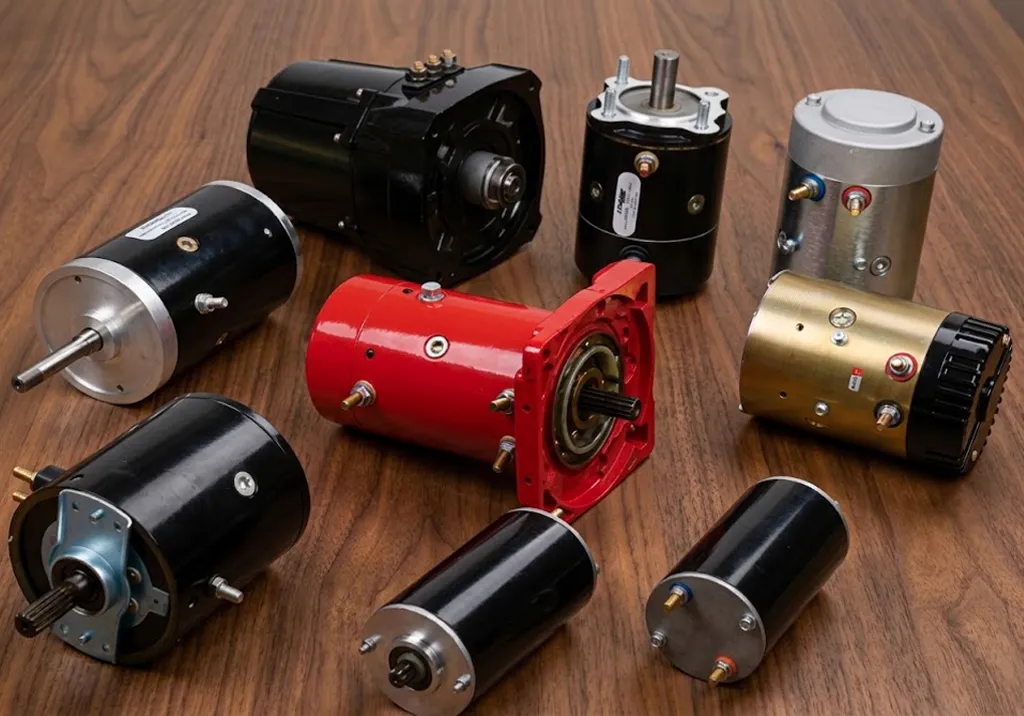
Üretici Hakkında
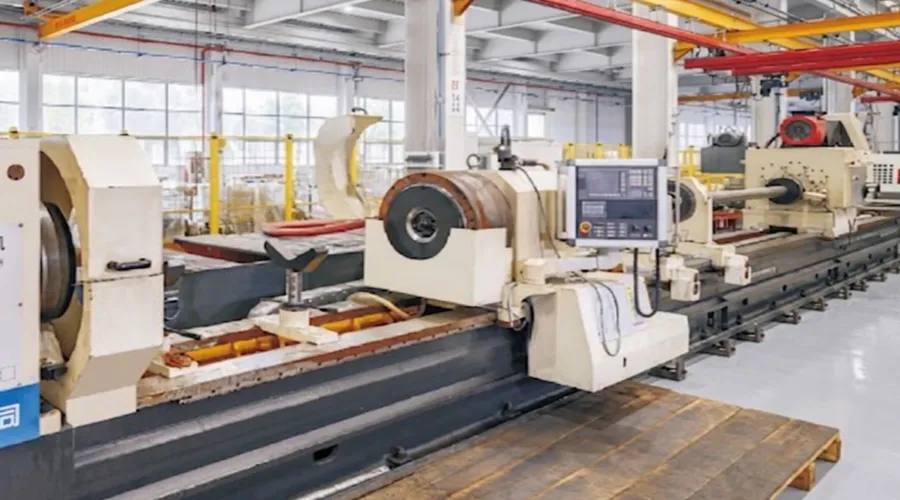
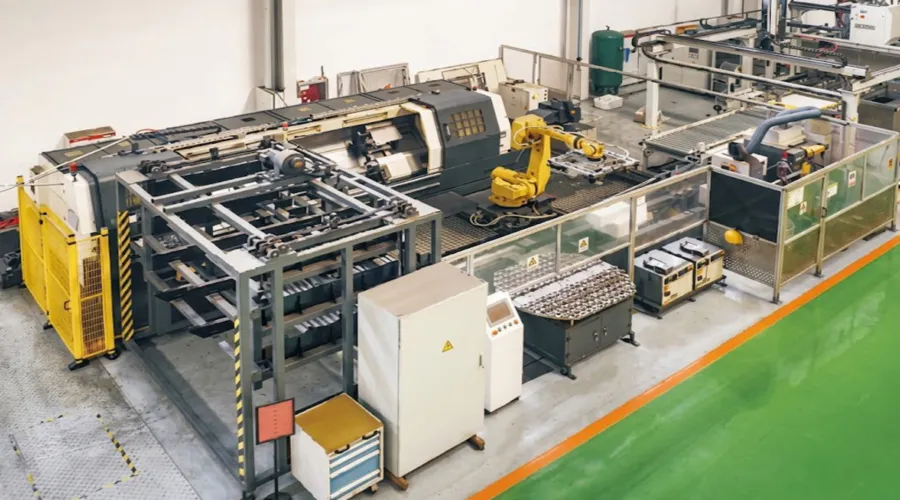
With over a decade of engineering and manufacturing experience in industrial mechanical power transmission, our production team designs and builds drive system components for agricultural, industrial, marine, and automation markets worldwide. Our facility is ISO 9001:2015 certified, with quality management procedures that govern material sourcing, in-process dimensional control, and individual motor testing — including electrical performance verification against rated specifications — before any unit is dispatched. The XL2406PG-HY undergoes electrical testing covering no-load speed, rated-load current draw, Hall sensor function, and IP54 seal integrity checks as standard pre-delivery procedure.
Our manufacturing product portfolio spans agricultural gearboxes, worm gear reducers, planetary gear drives, PTO drive shafts, hydraulic cylinders, precision gear sets, industrial chains, and a full DC motor series that includes brushed permanent magnet motors, tarpaulin motors, winch motors, and — in the XL2406PG-HY — brushless DC motors. Structural components are cast in-house from ductile iron, cast iron, cast steel, precision cast steel, and cast aluminum, with the alloy grade matched to the mechanical demands of each product. We also manufacture gears, sprockets, worm gears, pulleys, worm shafts, and custom mechanical parts to OEM dimensional specifications.
Çalıştay


Compatible Drive System Products
The EP-600W brushless motor is part of a broader drive system. We manufacture dc electric motors and worm gear reducers from the same facility — coordinated in voltage ratings, shaft dimensions, and quality standards for seamless system integration alongside the XL2406PG-HY.
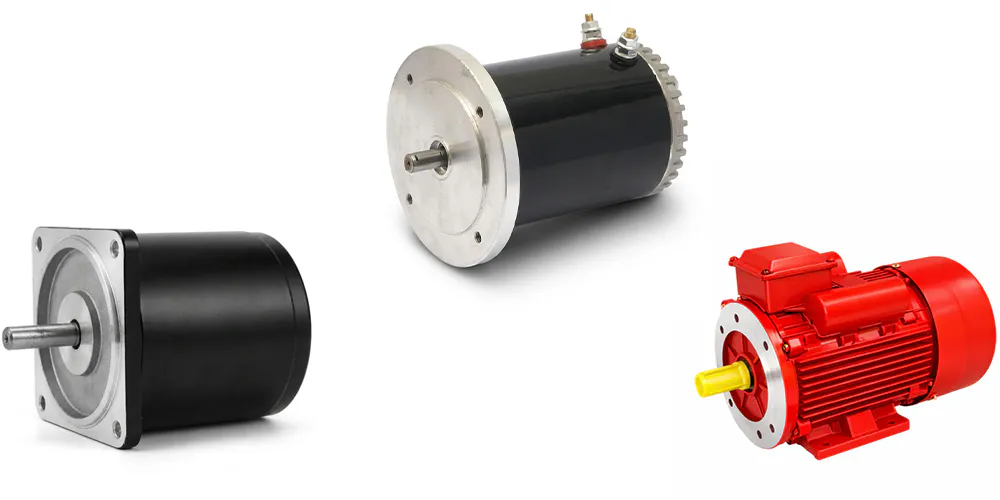
Our dc electric motors range spans the full spectrum from small dc motor units for auxiliary and control roles through to high torque dc motor configurations for primary industrial drives. If your application calls for a permanent magnet dc motor with direct switching, a dc servo motor for positioning, or a high torque electric motor for a winch or conveyor primary drive, we manufacture across all these categories. For system builders integrating the XL2406PG-HY alongside other motor types in a multi-axis or multi-function drive system, sourcing brushless and brushed motor variants from the same production facility ensures consistent dimensional interfaces, voltage ratings, and quality documentation across all motor types in the build.
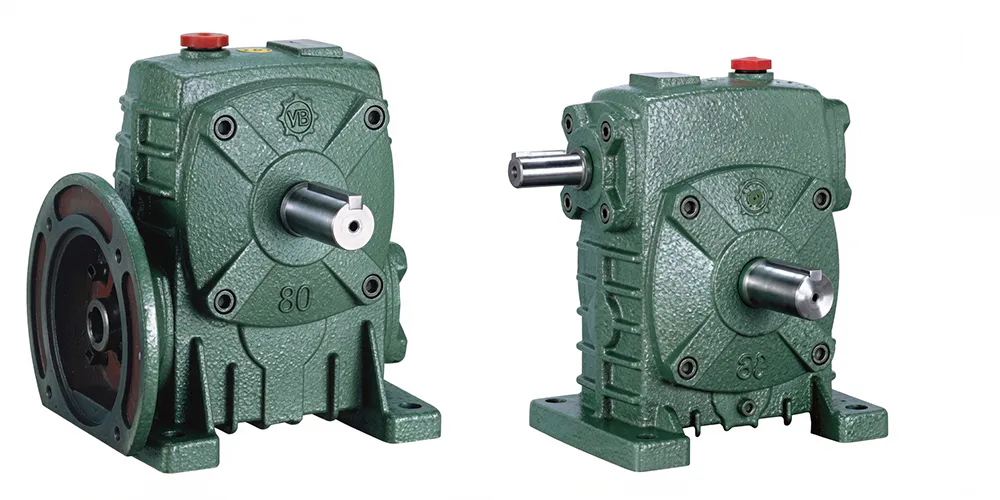
Pairing the XL2406PG-HY brushless motor with a worm gear reducer extends the torque output and reduces shaft speed to suit conveyor, pump, and actuator applications that need higher output torque than the motor's direct 1.7 N·m provides. Worm gear reducers also add inherent self-locking under static load — the motor can be de-energized and the load stays stationary without a separate brake. Our dc motor drive input flanges on the gearbox range are dimensionally coordinated with the XL2406PG-HY output shaft and front-face bolt circle, allowing direct shaft coupling without intermediate adapter hardware. This coordination reduces system BOM complexity and shortens integration time for OEM equipment manufacturers.
Sıkça Sorulan Sorular
Editör: PXY