
SQUARE BALER DRIVELINE TROUBLESHOOTING GUIDE
A small square baler can look modest beside a high-capacity large baler, but its driveline still works through repeated load changes every time crop enters the pickup, the feeder moves material forward, and the plunger compresses a charge. That cycling makes the Square Baler PTO Shaft sensitive to wear that may begin as a small vibration, a dry universal joint, a sticky telescoping section, or a worn tractor-side locking connection. If these symptoms are ignored, the driveline can become noisy, run hot, damage guards, develop spline movement, or transmit abnormal loads into the baler input. A Square Baler PTO Shaft should therefore be inspected as a complete assembly rather than treated as one replaceable tube. The condition of the yokes, cross-and-bearing kits, sliding profiles, safety guard, locking mechanism, clutch or shear device, and mating gearbox all influence service life. This guide focuses on common faults found during seasonal maintenance and field troubleshooting, explains what each symptom can mean, and shows how to decide whether a Square Baler PTO Shaft needs lubrication, adjustment, component repair, or full replacement. Always follow the baler manual for machine-specific limits.
Manufacturing Structure and Where Problems Usually Start
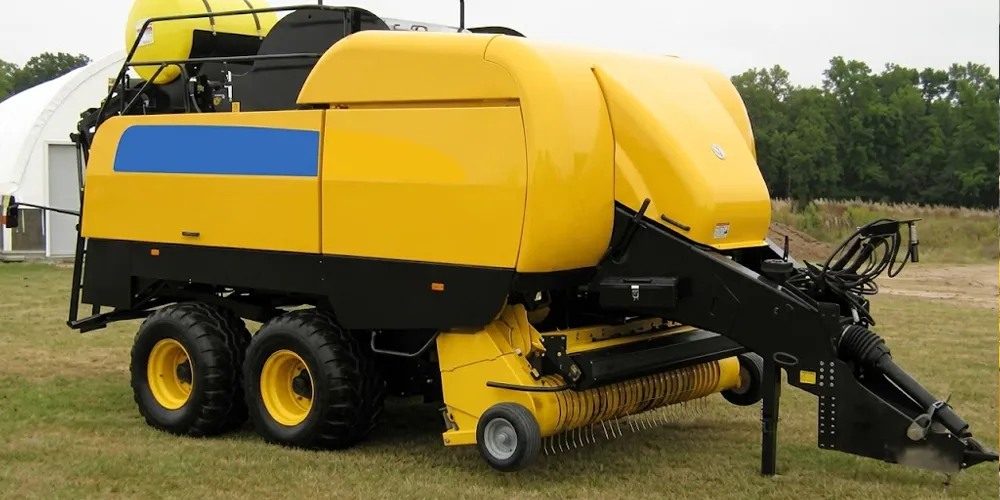
The working structure of a Square Baler PTO Shaft is simple to recognize but mechanically demanding. The tractor-side yoke connects to the PTO stub and transfers torque through a cross-and-bearing kit into the telescoping profile. A second joint transfers that torque into the baler input, while a clutch, shear device, or other approved overload component may sit at the implement end. Protective tubes and cones cover the rotating parts without carrying drive torque. Each interface creates a possible wear point. Universal joints depend on accurate bearing fits and lubrication. Telescoping profiles need enough engagement to carry torque but must also slide freely as hitch distance changes. Yokes need correct spline fit so they do not hammer against the tractor stub or baler shaft. Guards must remain intact and clear of the drawbar, tires, and baler structure. On a small baler, repeated plunger cycles can expose looseness that might be less obvious on a lightly loaded implement. A Square Baler PTO Shaft that has been shortened incorrectly, assembled out of phase, or run dry can develop several symptoms at once. Good troubleshooting starts by understanding which component carries torque, which permits movement, and which provides protection.
Material System and the Wear Surfaces That Need Attention
A Square Baler PTO Shaft combines materials selected for different jobs. Yokes and other heavily loaded drive parts are typically made from strong steel because they see torsion, shock, and repeated bending around the universal joint. Cross journals and bearing races require hardened contact surfaces, while needle rollers depend on clean grease films to control wear. Telescoping profiles are steel members shaped to transmit torque while sliding axially, so rust, dirt, burrs, or dry surfaces can make the Square Baler PTO Shaft difficult to compress and extend. Guard tubes are polymer components designed to isolate rotating parts from people and crop residue rather than transmit torque. Overload devices may add friction materials, springs, steel plates, or sacrificial fasteners depending on the baler. A failure does not always mean the base material was weak. Lack of lubrication can damage a good bearing; contamination can turn a sound profile into a high-friction sliding pair; an incorrect length can force strong yokes to absorb axial load. When a Square Baler PTO Shaft shows unusual wear, inspect surface condition, lubrication, fit, alignment, and geometry before assuming that a higher-strength replacement alone will solve the problem.
Common Symptoms and Their Likely Causes
Most Square Baler PTO Shaft problems give some warning before a complete failure. A regular click that changes with shaft speed often points toward a universal joint or yoke problem. Vibration that increases on turns can indicate excessive joint angle, incorrect phasing, or wear in a cross-and-bearing kit. A shaft that is hard to telescope may have dry profiles, corrosion, deformation, or contamination packed between the sliding members. Repeated guard cracking can indicate interference with the drawbar, baler frame, or another component rather than a guard-material problem. Spline fretting or red-brown debris around a connection can signal movement between mating parts. A clutch that slips repeatedly may be responding to a blockage, restricted baler mechanism, contamination, or incorrect adjustment. A shear device that fails repeatedly should prompt inspection of the baler before another fastener is installed. The Square Baler PTO Shaft is often the first part where the operator notices a problem, but the root cause can be farther downstream. Use the symptom as a direction for inspection rather than replacing the most visible component immediately. Do not ignore recurring vibration.
| Symptom | Possible Cause | First Check |
|---|---|---|
| Clicking or knock | Joint wear or loose yoke | Cross kit and spline fit |
| Turn-related vibration | Angle, phasing, worn joint | Hitch geometry and yoke alignment |
| Hard telescoping | Dry, rusty, or distorted profiles | Sliding surfaces and lubrication |
| Repeated guard damage | Interference or wrong length | Clearance through hitch movement |
| Frequent clutch or shear event | Baler overload or driveline binding | Machine rotation and blockage |
Universal-Joint Wear, Vibration, and Phasing Errors
Universal-joint trouble is one of the most common Square Baler PTO Shaft complaints because the bearings move continuously while carrying a pulsating agricultural load. Early wear can appear as a faint click, small radial play, grease leakage, or a dry bearing cap. As clearance grows, the Square Baler PTO Shaft may vibrate and the yoke ears can experience higher impact loading. Lack of grease is a frequent contributor, especially when a baler works in dust and dry crop residue for long days. Phasing matters as well. If a two-joint driveline is assembled with its yokes in the wrong relationship, rotational speed variation from the first joint is not correctly compensated by the second. Excessive operating angle adds another source of cyclic load. Inspect the joints with the tractor shut down and all motion stopped. Look for looseness, binding, rust-colored dust, damaged seals, and dry or rough caps. Lubricate according to the driveline instructions, because grease cannot repair a damaged bearing. If the Square Baler PTO Shaft has joint play or rough movement, identify and correct the underlying alignment, angle, or maintenance issue before installing a replacement cross kit.
Telescoping Problems, Wrong Length, and Bottoming Out
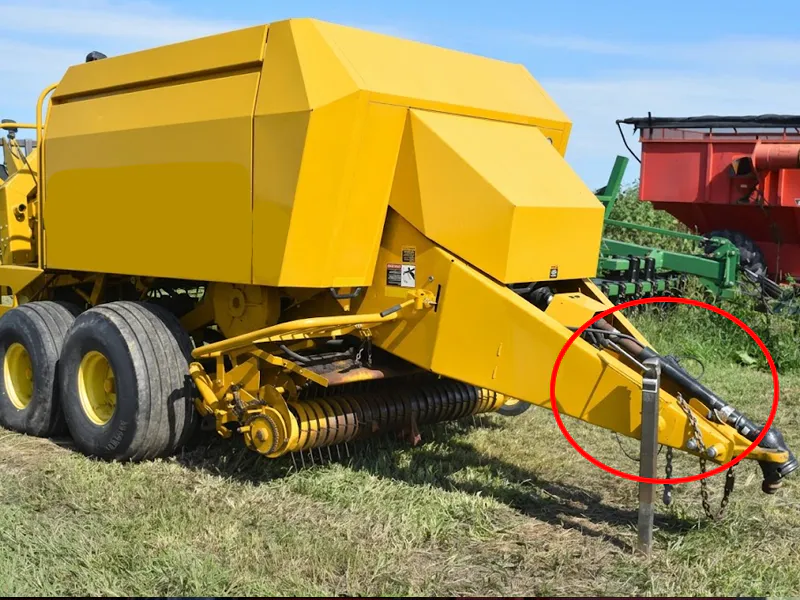
A telescoping Square Baler PTO Shaft needs to slide freely because the distance between tractor PTO and baler input changes during turns and over uneven ground. When the profiles are dry, rusty, dented, or packed with dirt, they can resist movement and transfer axial force into the tractor or baler instead. Operators may notice that the Square Baler PTO Shaft is difficult to connect, does not shorten smoothly, or leaves polished marks on one side of the profile. Shaft length can create the same problem. If the assembly is too long, it may approach full compression as the tractor turns or crosses a depression, damaging yokes, guards, bearings, or the implement input. If it is too short, profile engagement can become inadequate at maximum extension. Shortening should never be based on appearance. Measure the shortest and longest operating positions, identify the manufacturer’s reference points, and follow the prescribed cutting procedure for profiles and guards. A replacement Square Baler PTO Shaft should preserve safe telescoping engagement throughout the hitch range while retaining compression clearance. Sticky movement should be corrected before the baler returns to service because repeated axial loading can make an otherwise sound driveline fail prematurely.
A Practical Troubleshooting Sequence Before Ordering Parts
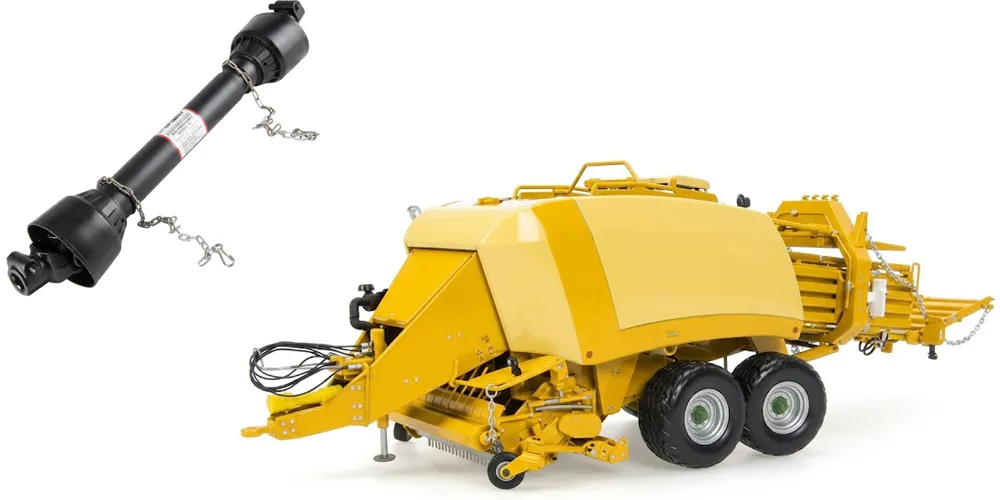
A structured inspection prevents unnecessary parts replacement. Begin with the tractor shut down, key removed, baler secured, and every rotating part completely stopped. Clean the Square Baler PTO Shaft so grease loss, rust, cracks, and impact marks are visible. Confirm that both yokes are fully engaged and locked. Check each universal joint for play and smooth articulation, then inspect the Square Baler PTO Shaft phasing if the assembly has been separated. Move the telescoping profiles through their available travel and note any rough or tight sections. Inspect the guard for complete coverage and check for contact with the drawbar, baler frame, tire, or hoses at representative steering positions. Verify the clutch or shear device condition without changing its specified protection setting. Turn the baler input by the approved service method and look for abnormal resistance before blaming the shaft for repeated overload. Record PTO speed, spline size, closed length, working length, protection type, and legible part numbers before ordering. If the existing Square Baler PTO Shaft has been modified, shortened, welded, or assembled from mixed components, use measurements and machine documentation rather than assuming the old assembly is correct.
Product-Family References for Replacement Identification
The product links below are useful as Square Baler PTO Shaft family references when a workshop needs to compare yoke style, guarded assemblies, or replacement configuration. They should not be treated as automatic small-square-baler interchange without model and driveline verification. The Poros PTO Baler EP-Square untuk Model New Holland 900 represents one model-specific square-baler driveline family, while the EP-Square Baler PTO Shaft for John Deere covers another set of Square Baler PTO Shaft replacement arrangements. For any small baler, confirm the exact baler model, tractor PTO speed, spline size, shaft length, joint configuration, and overload device before using a larger-baler product reference as a cross-check. A Square Baler PTO Shaft that looks similar can still differ in series, working length, yoke, guarding, or clutch arrangement. The safest replacement process is to match machine documentation and actual measured geometry rather than appearance alone. Product-family pages are useful for identifying construction patterns and available driveline arrangements, while the final Square Baler PTO Shaft choice should always be verified against the specific small-baler application. Document confirmed dimensions before selecting any replacement driveline assembly.
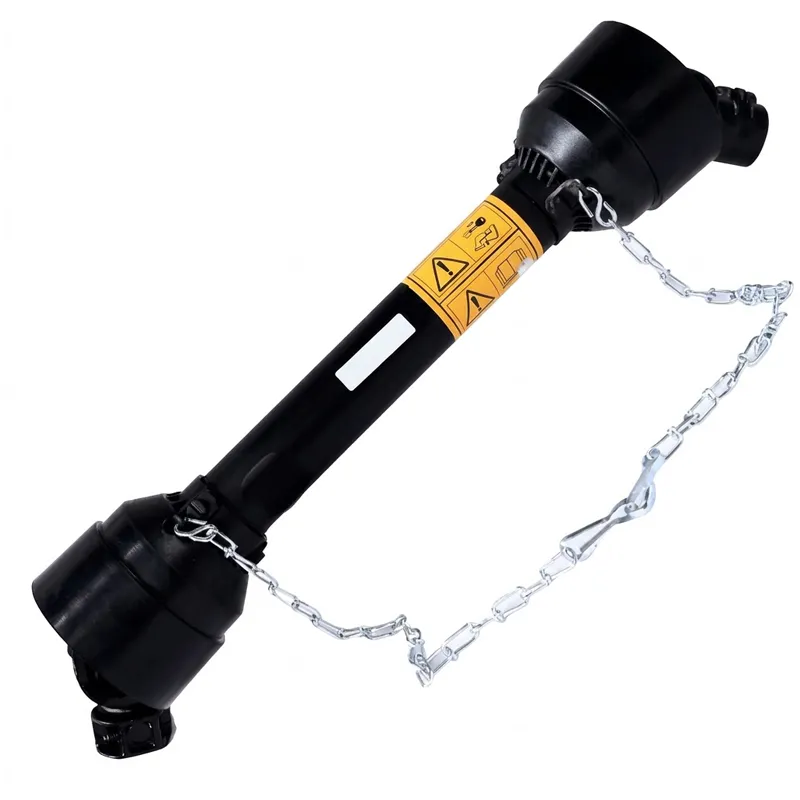
New Holland 900 Model ReferenceUse this Square Baler PTO Shaft page as a family reference only. |
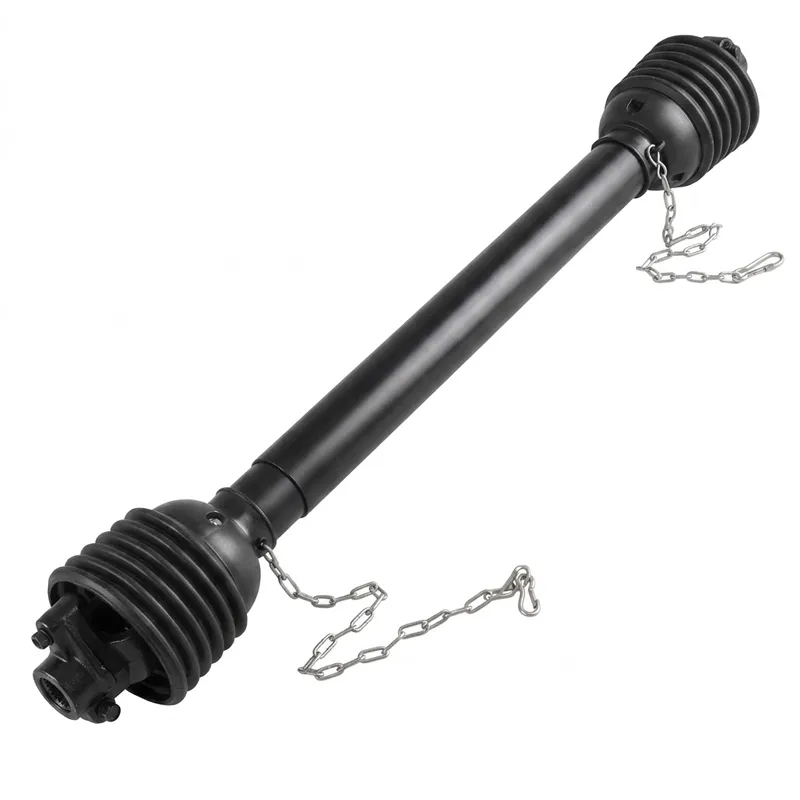
John Deere Model ReferenceVerify the exact Square Baler PTO Shaft requirement before comparison. |
Manufacturing and Mechanical Component Support
Our production scope covers agricultural gearboxes, worm gear reducers, planetary gear drives, PTO drivelines, hydraulic cylinders, gears, chains, motors, and related transmission components. Manufacturing is managed under an ISO 9001:2015 quality system with process controls through machining, assembly, and inspection. Gearbox housings and structural assemblies can use ductile iron, cast iron, cast steel, precision cast steel, and cast aluminum according to component design. Machining capability also includes gears, sprockets, worm gears, pulleys, worms, shafts, and standard or non-standard mechanical parts. This broader manufacturing background matters when a Square Baler PTO Shaft problem involves the parts connected to it. A worn gearbox input, damaged shaft support, altered hitch, or poorly matched coupling can create symptoms that look like a driveline defect. Evaluating the Square Baler PTO Shaft together with the baler input and tractor connection helps identify whether the problem is wear, geometry, lubrication, overload, or component mismatch. That system-level approach is useful for older machines whose repair history is incomplete and supports more consistent Square Baler PTO Shaft replacement because mating interfaces and operating conditions can be reviewed before the next baling season.
Related Driveline Products
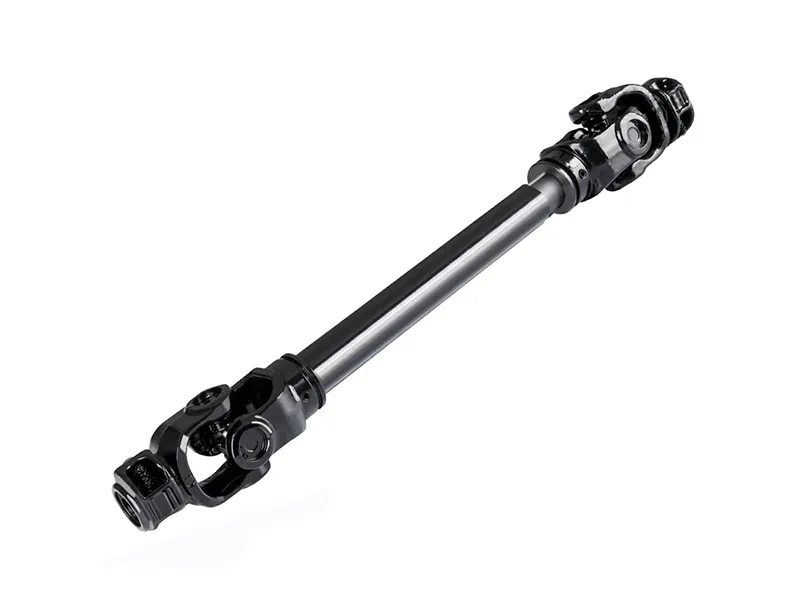
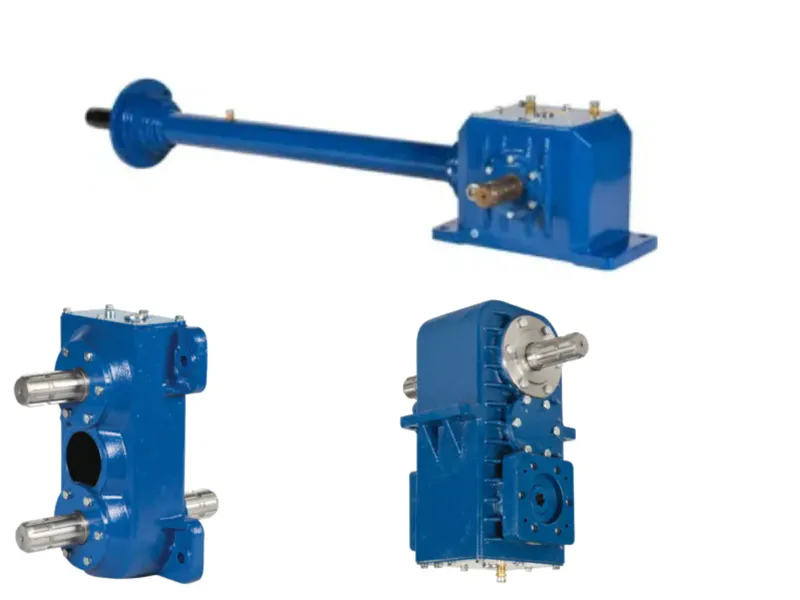
The Square Baler PTO Shaft works as part of a larger transmission path, so connected components should be checked when failures repeat. A Poros Penggerak PTO Universal can support other agricultural machines when its spline, series, length, guarding, and joint arrangement match the implement. On the baler side, a compatible Square Baler Gearbox should be inspected if vibration, spline wear, heat, or input play appears together with driveline trouble. Worm gearbox families are also available for other transmission duties where a different reduction and mounting arrangement is required. Coordinated sourcing is useful when the Square Baler PTO Shaft is not the only worn component, because replacing the shaft without checking the mating input can leave the original problem in place. For mixed fleets, documenting the exact Square Baler PTO Shaft configuration, tractor spline, working length, overload protection, and related gearbox interface reduces the chance of installing a visually similar but incompatible assembly during a busy baling period. It also makes later diagnosis easier because workshop staff can compare the present failure with the machine’s verified configuration instead of reconstructing driveline history from worn parts alone.
Poros Penggerak PTO Universal
|
Square Baler Gearbox
|
Editor: PXY