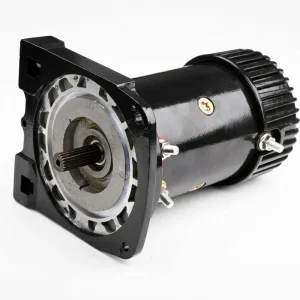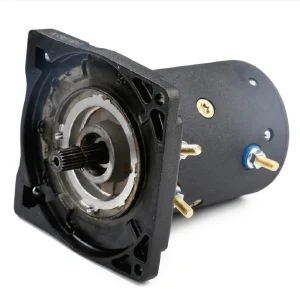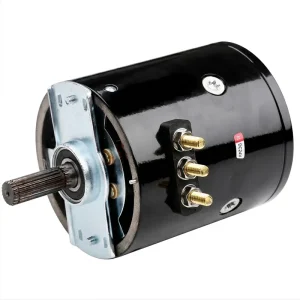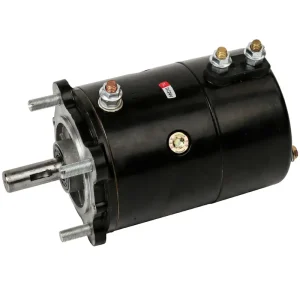
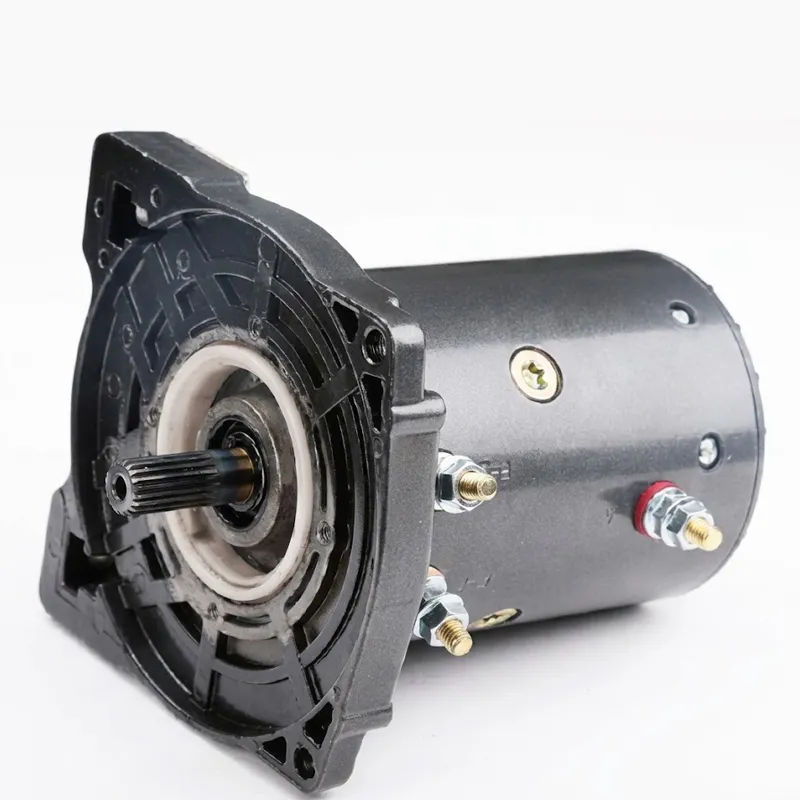
Motor Winch EP-1750W 12V 6 N·m
Itu EP-1750W 12V Winch Motor (Model XL12000ZH) is a high-performance DC motor engineered specifically for winch applications. Operating at a rated voltage of 12V, it delivers a powerful 1750W output with a rated torque of 6 N·m and a maximum current draw of ≤240A. Designed for demanding lifting tasks, it features a 20-tooth gear configuration and supports bidirectional rotation for versatile operation. The motor is built with Class F insulation and an IP54 waterproof rating, ensuring durability in harsh environments. With a compact outline length of 156mm and a specialized mounting flange, it offers reliable power and efficient thermal management (2min-7% ED duty cycle) for heavy-duty winching systems.
Winch Motor Series — Model XL12000ZH
Motor Winch EP-1750W 12V 6 N·m
A high-output 12V motor derek rated at 1750W with 6 N·m torque — IP54 sealed, Class F insulated, bidirectional, and built for demanding winch and pulling applications across automotive recovery, marine, and industrial sectors worldwide.
EP-1750W 12V Winch Motor: Maximum Pull in a 12V System
The EP-1750W addresses a specific engineering challenge: extracting the maximum practical pulling force from a 12V electrical system without exceeding the cable gauge and contactor ratings that are standard in the vehicle recovery and light marine sectors. At 1750W and a rated current of up to 240A, the XL12000ZH delivers 6 N·m of output torque — 50% more than the 4 N·m of comparable 24V winch motor designs — through a 20-tooth bidirectional gear output. This is the motor that gets specified when a 12 volt winch motor replacement is needed and the operator wants the highest available performance within the 12V class rather than re-wiring for 24V operation.
The dc winch motor architecture is a brushed permanent magnet design: the same technology used in the 24V XL6000R, adapted here for 12V supply with correspondingly higher armature current. Understanding what is a winch used for helps frame why this specification matters — winch systems are deployed in vehicle self-recovery, loading dock pull operations, agricultural implement positioning, and marine mooring. Each of these requires high starting torque at zero speed, reliable bidirectional control, and the ability to survive the environment the truck or vessel actually operates in. The IP54 housing, Class F insulation, and 2min-7%ED duty cycle of the XL12000ZH are calibrated to these real conditions, not laboratory ideals.
Technical Specifications — Model XL12000ZH
All performance data recorded at rated operating conditions. Swipe horizontally on mobile to view the complete table.
| Model Motor | Tegangan Terukur
(V) |
Daya (W) | Arus Terukur
(A) |
Torsi Terukur
(N·m) |
Siklus Kerja | Kelas Isolasi | Peringkat IP | Nomor Gigi | Rotasi | Aplikasi |
|---|---|---|---|---|---|---|---|---|---|---|
| XL12000ZH | 12 | 1750 | ≤240 | 6 | 2min-7%ED
(S2min-S3%) |
F | IP54 | 20 | Dua arah | Derek |
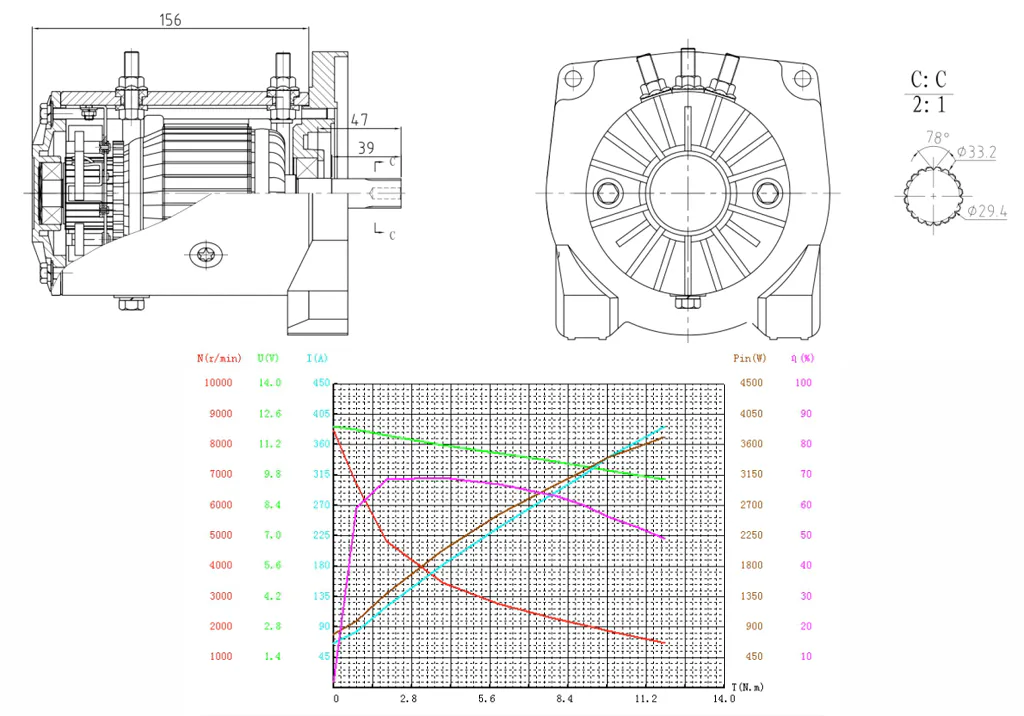
| Dimensi Garis Luar | Overall Length: 156 mm | Body Depth: 47 mm | Inner Depth: 39 mm | Output Shaft Ø: 33.2 mm (outer) / 29.4 mm (inner) | Section C:C ratio 2:1 | Angle: 78° | |||||||||
| Pengkabelan | Three-terminal (A1, M, D2); compatible with standard 12V reversing contactor panels for bidirectional winch motor system control | |||||||||
| Rentang Kinerja | Speed: 1000–10000 RPM | Torque: 0–14 N·m | Input power: 450–4500W across speed range | Peak efficiency: approx. 90–100% at rated operating point | |||||||||
How Does a Winch Motor Work? Inside the XL12000ZH
The dc motor working principle that drives the XL12000ZH is straightforward but highly effective for winch use: when 12V DC current flows through the armature winding, the resulting electromagnetic torque acts against the fixed permanent magnet stator field, rotating the armature and delivering mechanical output through the 20-tooth drive gear to the winch drum. Reversing the current direction — by switching polarity through the reversing contactor — reverses the armature rotation immediately, giving the operator bidirectional cable control from the same motor without any mechanical clutch or freewheel mechanism. This is exactly how does a winch motor work in its simplest and most reliable form.
At 1750W from a 12V supply, the armature current reaches up to 240A at peak load — roughly double the current draw of a 24V motor producing equivalent power. This is the fundamental physics of what is the difference between a 12V and a 24V winch: power equals voltage multiplied by current, so a 12V system requires twice the current to achieve the same wattage. The XL12000ZH manages this through heavy-duty armature windings with lower resistance, a high-density carbon-copper brush assembly rated for sustained high-current contact, and an enlarged commutator surface area that distributes the thermal load across a larger contact zone. The result is a dc winch motor that performs consistently across its rated duty cycle rather than throttling back under thermal load.
The performance curve confirms the operating range: speed runs from 1000 RPM at maximum torque up to 10000 RPM at light load, with the 6 N·m rated output point typically occurring in the 4000 to 6000 RPM range where the motor operates most efficiently. The 2min-7%ED duty cycle matches the actual use pattern of a winch — a sustained pull sequence of up to two minutes at rated torque, followed by a rest while the operator repositions the hook or adjusts rigging. Operating within this window keeps winding temperatures within the Class F insulation ceiling of 155°C and maximises motor service life.
Five Reasons the EP-1750W Stands Apart
What makes this 12 volt winch motor the right specification for high-demand recovery, marine, and industrial winch applications:
① 6 N·m Rated Torque — Class-Leading for 12V
With 6 N·m at the output shaft, the XL12000ZH delivers the highest torque in its 12V class without requiring a voltage system upgrade. For operators whose truck or vessel is wired at 12V and who need maximum pulling capacity from existing battery and cabling infrastructure, this motor closes the performance gap versus 24V alternatives. The torque advantage is felt most acutely at low drum speeds during the initial pull phase — exactly when a stuck vehicle or heavy load requires the most force to break free. Vehicle recovery operators in Australia, South Africa, and the Canadian wilderness know this requirement well.
② True Bidirectional Drive, No Clutch Required
Bidirectional rotation is built into the XL12000ZH's permanent magnet motor design — not added through a mechanical freewheeling clutch. Polarity reversal through the three-terminal (A1, M, D2) wiring drives the armature in either direction under full motor torque. This means both cable-in and cable-out operations benefit from powered control, which matters in winch applications where free-spool pays out cable but powered reverse is needed to tension the cable or reposition the hook against gravity or load resistance. The wiring is compatible with all standard reversing contactor panels used in 12V motor winch system installations.
③ Compact 156mm Body for Tight Mounting Spaces
The XL12000ZH measures just 156mm in overall body length — shorter than many motors in the 1750W class. This compact form factor matters for vehicle-mounted winch installations where the motor must fit inside a dedicated tube housing on a bull bar or under-body mounting rail with minimal overhang. It also suits portable winch frames and marine anchor winch pods where deep motor bodies create clearance problems with deck fittings and fairleads. Despite this reduced length, the output shaft dimensions — 33.2mm outer and 29.4mm inner diameter — match the standard drive interfaces used across mainstream winch housing designs.
④ IP54 Sealed for Outdoor Field Use
The IP54 rating covers both partial dust protection and multi-directional water spray resistance — conditions that vehicle-mounted winch motors face during river crossings, wet-weather recoveries, and high-pressure wash-downs. The terminal junction at A1, M, and D2 is sealed to the same IP54 standard as the motor body, preventing the moisture ingress at connection points that is a common cause of premature failure in outdoor winch motor applications. For operators in the UK, New Zealand, and tropical regions of South America where wet conditions are the norm rather than the exception, this sealing standard is a minimum functional requirement, not a premium feature.
⑤ Direct-Fit Winch Motor Replacement
The 20-tooth output gear and 33.2mm output shaft dimensions of the XL12000ZH are dimensionally consistent with the drive interfaces used in the mainstream 12V electric winch motor market. This makes it a practical winch motor replacement for a broad range of existing winch housings without requiring drive adapter fabrication or mounting bracket modification. The three-terminal wiring is also backward-compatible with the reversing contactor circuits already installed in most winch motor system builds, reducing installation time and eliminating the need for control panel modifications during a motor exchange.
Bahan & Kualitas Konstruksi
The motor housing is precision cast from aluminum alloy — selected for its strength-to-weight ratio, natural thermal conductivity, and corrosion resistance in outdoor environments. At 1750W input with peak currents of 240A, the motor generates substantial heat during rated pull sequences. The cast housing geometry includes integrated external cooling ribs that increase surface area for passive heat dissipation, allowing the motor to sustain its 2-minute duty cycle without requiring forced cooling. Mounting faces are precision-machined to maintain accurate alignment with winch drum housings and prevent torque-induced deflection under high-load pulls.
The armature uses silicon steel laminations chosen for low magnetic loss, maintaining high energy conversion efficiency across the 1000 to 10000 RPM operating range. To handle the 240A peak current demands of 12V high torque electric motor operation, the commutator is constructed with enlarged contact segments and a hardened surface finish that sustains electrical contact quality through the high-current brush interface. Brush material is a heavy-duty carbon-copper composite specifically selected for sustained high-current operation — a critical material decision that separates motors rated for genuine field recovery use from lighter-duty alternatives that overheat under similar demand.
Output shaft bearings are sealed heavy-duty ball bearings rated for the combined radial and axial loads generated by winch drum engagement at peak pull. The 20-tooth output gear is hardened steel with a tooth profile matched to standard winch drum pinion geometry. All winding wire is Class F enameled copper, and terminal hardware is corrosion-resistant copper alloy with IP54-rated molded seals at the motor body junction. Every assembled motor undergoes individual electrical testing against its performance specification before dispatch — current draw, no-load speed, and insulation resistance are all verified and recorded.
Skenario Aplikasi
The XL12000ZH is specified where 12V system architecture is fixed, torque requirements are high, and the operating environment demands genuine IP protection and duty cycle endurance.
4WD & Overland Vehicle Recovery
The most common application for this class of electric winch motor is vehicle self-recovery on 4WD platforms. Bull-bar mounted winches on Land Rovers in the UK, Jeeps in North America, and Toyota Land Cruisers in Australia all depend on 12V winch motor systems drawing directly from the vehicle's primary battery. The 6 N·m torque and 1750W output of the XL12000ZH support winch line pulls in the 5000 to 8000 kg range when matched to appropriate drum gear ratios — covering the weight class of most loaded expedition vehicles. The IP54 sealing handles the river crossings and bog recoveries that make this torque necessary in the first place.
Light Commercial Truck Loading Assist
Delivery trucks and light commercial vehicles increasingly use rear-mounted winch motor systems to assist with loading heavy goods — pallets, equipment, construction materials — without requiring a loading dock. A 12V dc winch motor drawing from the truck's existing battery system avoids the cost and wiring complexity of a secondary power source. The XL12000ZH's short 156mm body length fits the compact mounting positions available behind truck tail-gates and under tray-body overhang sections, making it a practical motor winch solution for fleets operating in the UK, Netherlands, and Canadian urban freight sectors.
Small Craft & Tender Marine Winches
Tenders, RIBs, and small fishing vessels carry their own 12V battery systems and use electric winch motors for anchor retrieval, mooring line management, and trailer boat launching. The XL12000ZH's 12V operation is a direct match to the single-battery electrical systems common on vessels under 8 meters. The IP54 sealing handles the deck spray and handling conditions of small craft use without requiring the premium IP67 protection level of larger offshore equipment. For boat operators along the Colombian coast, across New Zealand's harbours, and in the Dutch Wadden Sea region, this motor covers the realistic winch demands of their working environment.
Trailer Boat & Plant Equipment Retrieval
Boat trailer winches and plant trailer recovery winches operate in environments that combine water exposure, load weights in the 2000 to 5000 kg range, and repeated short-cycle actuation at boat ramps and equipment yards. The 2min-7%ED duty cycle of the XL12000ZH accommodates these repeated short pulls — a winch that launches a trailer boat, waits while the trailer is repositioned, then retrieves the vessel cycles through exactly this pattern many times per session. The high torque dc motor output handles boats and plant machinery at the upper end of the tow rating for single-axle trailers.
Agricultural & Forestry Pulling Winches
Skidder winches, log arch cable systems, and farm machinery retrieval rigs in Canadian and Brazilian forestry and agricultural sectors frequently operate from 12V tractor or ATV battery systems. The XL12000ZH delivers the torque density needed to haul logs, pull stuck machinery, and operate cable-assisted terrain traversal equipment. As a small winch motor by physical dimensions — 156mm body — it suits compact ATV-mounted winch frames without compromising the 6 N·m torque output that field forestry and agriculture operations demand. The bidirectional operation is equally critical here for both cable pull and controlled cable release under tension.
Tentang Produsen
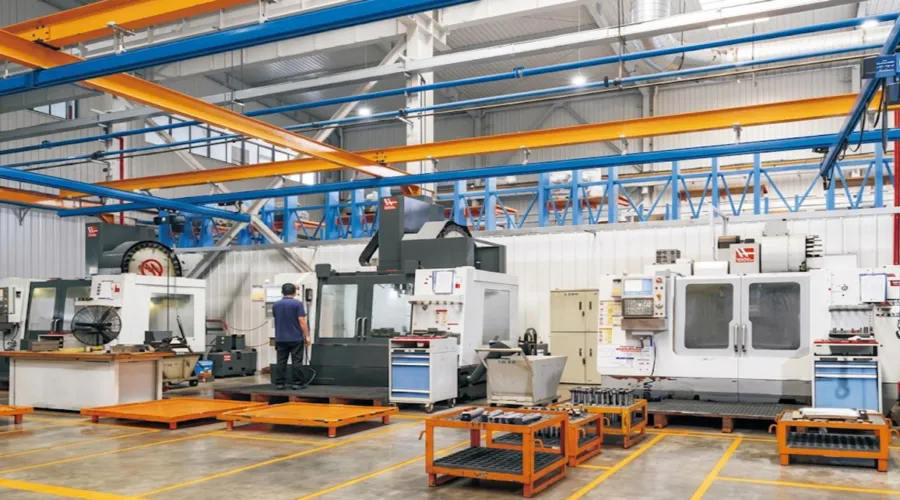
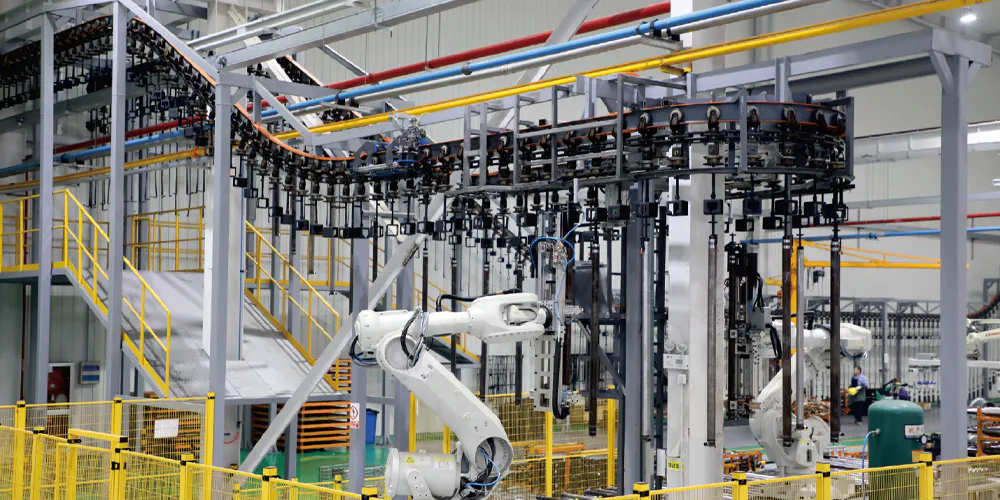
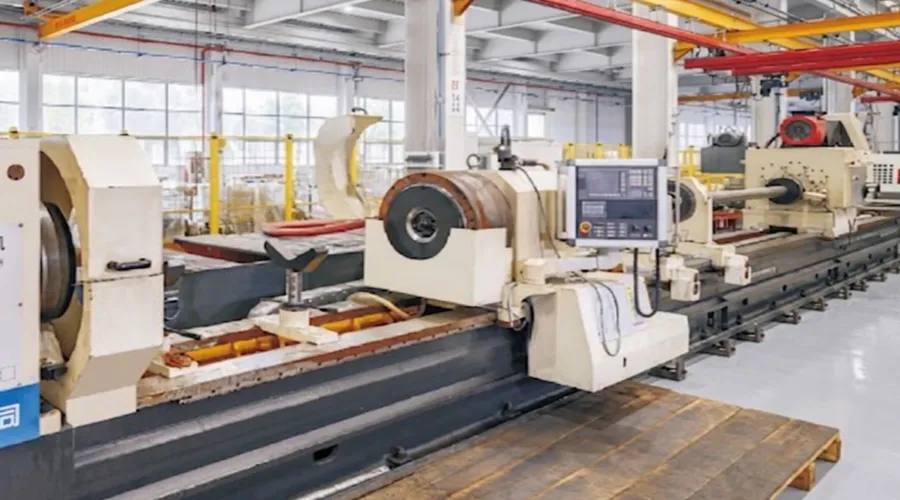
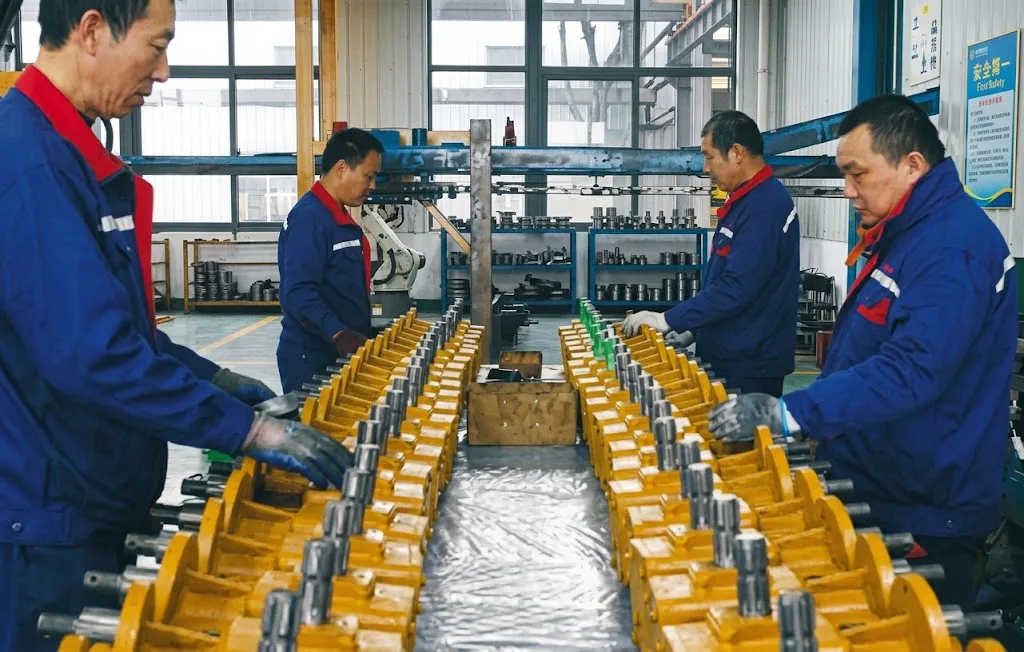
With more than a decade of hands-on experience in industrial mechanical power transmission, our engineering and production team designs and manufactures drive system components for agricultural, construction, marine, and industrial automation markets globally. Our production facility is ISO 9001:2015 certified, with quality management systems that cover every stage from incoming raw material inspection through to individual motor testing and dispatch. No winch motor leaves the facility without a verified test record against its rated specification.
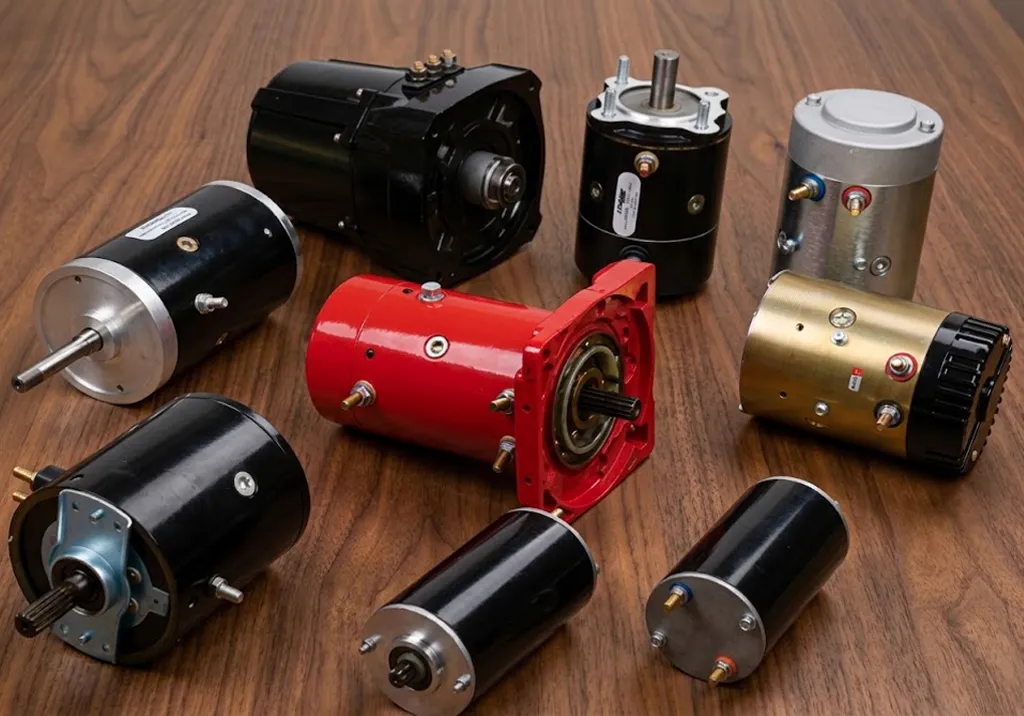
Our manufacturing range includes agricultural gearboxes, worm gear reducers, planetary gear drives, PTO drive shafts, hydraulic cylinders, precision gear sets, industrial chain assemblies, and the full DC motor series — including every variant in the winch motor and tarpaulin motor product families. Structural components are cast in-house from ductile iron, cast iron, cast steel, precision cast steel, and cast aluminum, matched to the specific mechanical and environmental demands of each application. We also produce gears, sprockets, worm gears, pulleys, worm shafts, and custom mechanical parts to OEM drawings and dimensional specifications.
Bengkel
Produk yang Kompatibel dengan Sistem
The EP-1750W winch motor works best as part of a complete, matched drivetrain. We manufacture dc electric motors and worm gear reducers from the same facility — coordinated in shaft dimensions, voltage ratings, and mounting interfaces with the XL12000ZH for straightforward system-level integration.
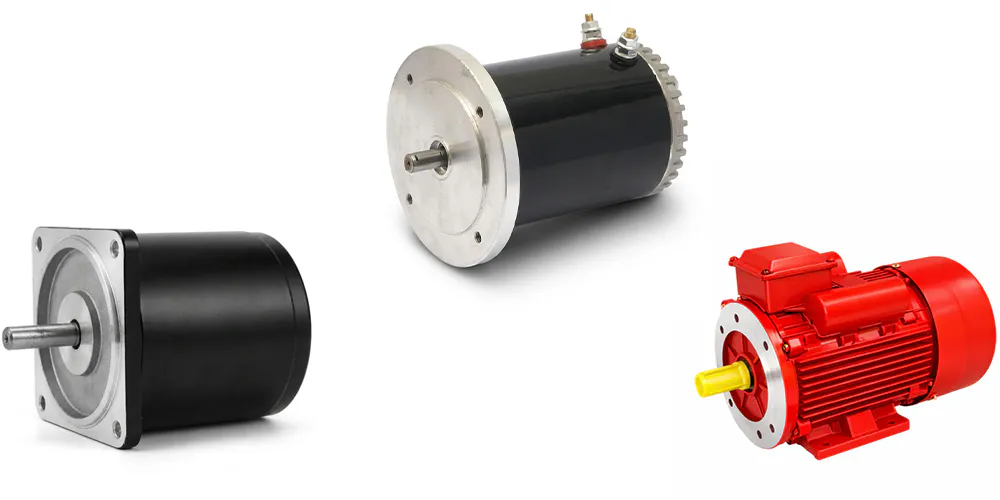
Our dc electric motors range spans the full spectrum from small dc motor variants for light auxiliary roles through to high torque electric motor designs for primary drive applications. If your winch application needs a dc servo motor for position-controlled cable deployment, a permanent magnet dc motor for a compact auxiliary pull, or a high torque dc motor configuration for a twin motor winch setup, we manufacture across all these categories. All models share consistent thermal ratings, voltage specifications, and quality standards with the EP-1750W, making cross-product fleet maintenance more manageable and spare parts sourcing simpler across your operations.
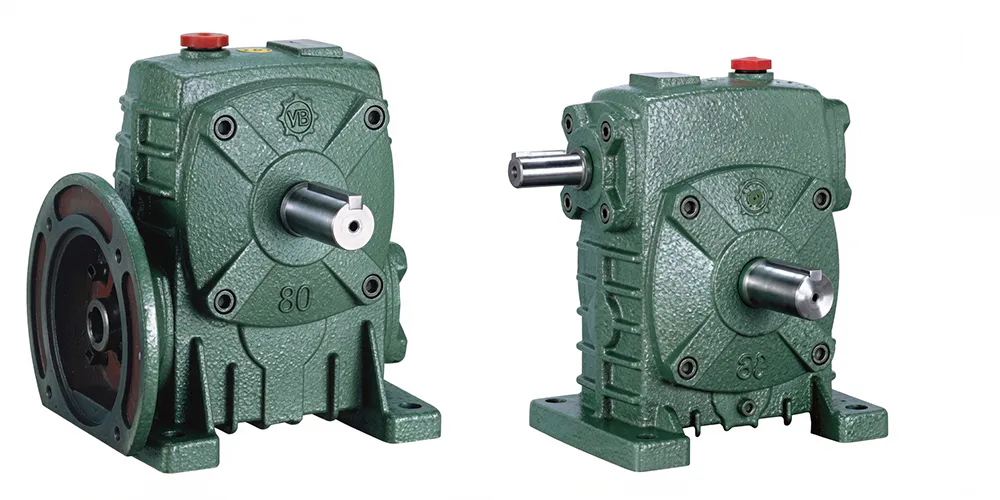
Pairing the XL12000ZH with a worm gear reducer gives a motor winch system the additional speed reduction and torque multiplication needed when the drum requires lower rotational speed than the motor's direct output delivers. Worm gear designs also provide inherent load-holding under static conditions — when the motor is de-energized, the gear self-locks and prevents back-driving under load. This is a useful characteristic for vertical hoisting applications where load must remain stationary between pull cycles. Our gearbox output shaft dimensions align directly with the XL12000ZH motor interface, and dc motor drive input flanges are available in the bolt-circle patterns used across common winch drum housing designs.
Pertanyaan yang Sering Diajukan
Editor: PXY