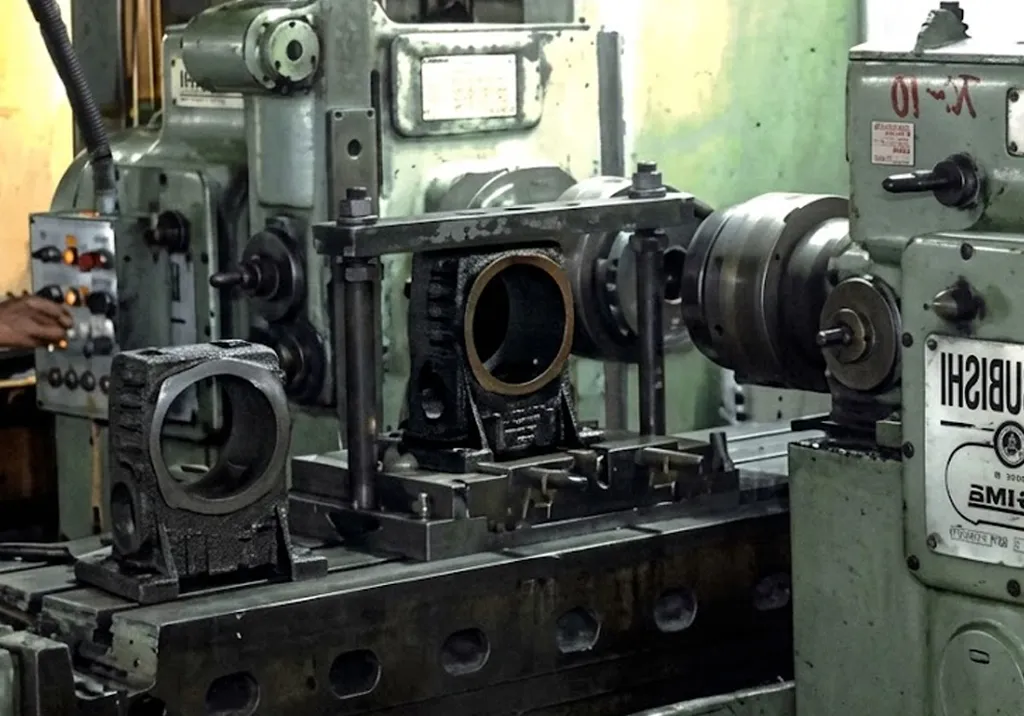
Pengurang Kecepatan Ganda
A Pengurang Kecepatan Ganda (juga dikenal sebagai gearbox reduksi ganda atau dua tahap) adalah perangkat transmisi daya mekanis yang sangat khusus yang dirancang untuk menghasilkan perkalian torsi ekstrem dan kecepatan keluaran yang sangat rendah. Tidak seperti reduktor satu tahap standar, peralatan yang tangguh ini mengintegrasikan dua mekanisme reduksi yang berbeda ke dalam satu unit yang sinkron.
Dengan menyalurkan energi kinetik berkecepatan tinggi dari motor listrik standar melalui rangkaian roda gigi utama, dan kemudian segera menyalurkan daya yang telah diperlambat dan diperkuat tersebut ke rangkaian roda gigi sekunder, reduktor kecepatan ganda mencapai rasio reduksi yang luar biasa (seringkali berkisar dari 1:100 hingga 1:3600 atau lebih). Hal ini menjadikannya tulang punggung yang tak terbantahkan untuk aplikasi tugas berat seperti konveyor pertambangan besar, mesin ekstrusi komersial, dan lift barang berat di mana gaya puntir yang tak terbendung dan kontrol gerakan lambat yang presisi sangat diperlukan.
Dirancang khusus untuk aplikasi industri dengan beban tinggi dan torsi tinggi. Reducer dua tahap ini memberikan rentang rasio gigi yang sangat lebar dan kapasitas menahan beban yang superior melalui transmisi gigi dua tahapnya. Menampilkan pengoperasian yang lancar, kebisingan rendah, dan ketahanan aus yang luar biasa, alat ini berfungsi sebagai pusat utama untuk pengurangan kecepatan dan transmisi daya yang presisi pada mesin berat, peralatan pertambangan, dan jalur produksi otomatis.
Jenis Reducer Kecepatan Ganda
-
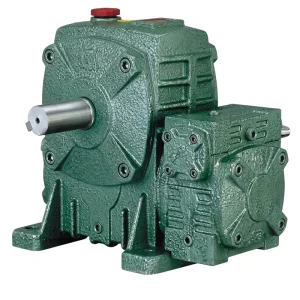
EP-WPEA 20-462Kg Reducer Kecepatan Ganda Tugas Berat
-
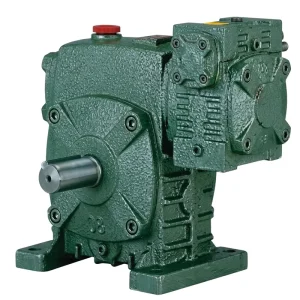
Reducer Kecepatan Ganda EP-WPES 20-462Kg
-
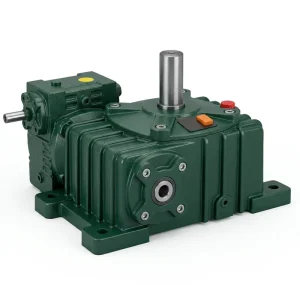
EP-WPEO-X 19-442Kg Reducer Kecepatan Ganda
-
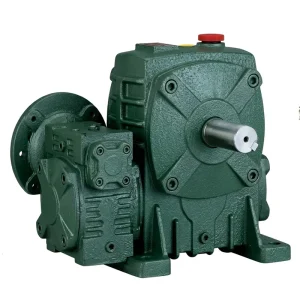
Reducer Cacing Kecepatan Ganda EP-WPEDA
-
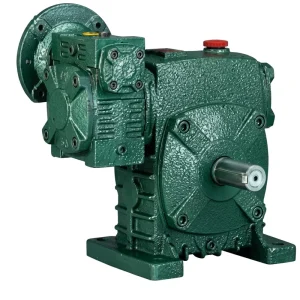
Reducer Kecepatan Ganda EP-WPEDS
-
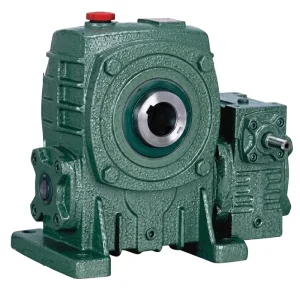
Reducer Kecepatan Ganda EP-WPEKA
-
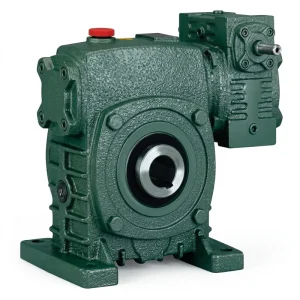
EP-20–462 kg WPEKS Peredam Kecepatan Ganda
-
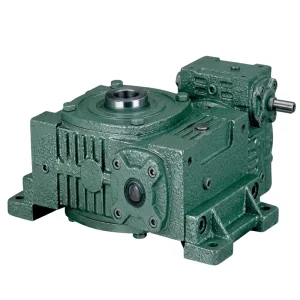
Reducer Kecepatan Ganda EP-WPEDX-O
-
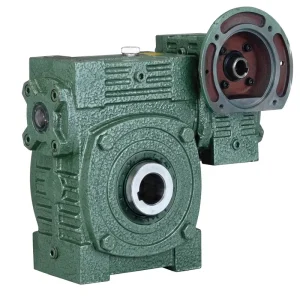
Reducer Kecepatan Ganda EP-WPWEDK
Komponen Inti dari Reducer Kecepatan Ganda

1. Tahap Reduksi Primer (Kecepatan Tinggi)
Titik masuk daya motor. Terdiri dari poros masukan baja paduan kecepatan tinggi dan roda perunggu yang sesuai. Komponen ini melakukan penurunan kecepatan awal, mengubah putaran RPM yang cepat menjadi energi kinetik yang mudah dikelola.

2. Tahap Reduksi Sekunder (Kecepatan Rendah)
Inti dari pengali torsi. Output dari tahap pertama menggerakkan rangkaian roda gigi sekunder yang besar ini. Dilengkapi dengan roda yang jauh lebih besar dan tahan lama, tahap ini menyelesaikan pengurangan kecepatan ekstrem dan memaksimalkan torsi output.

3. Casing Cor Tugas Berat
Biasanya ditempa dari besi cor ulet premium atau baja cor berkepadatan tinggi, rumah tersebut memastikan kekakuan struktural di bawah gaya puntir yang sangat besar. Rumah ini memiliki sirip pendingin yang dalam untuk pembuangan panas yang superior.

4. Bantalan & Segel Berkinerja Tinggi
Bantalan rol presisi menopang beban radial dan aksial yang sangat besar yang dihasilkan oleh dua tahap, sementara segel oli bermutu tinggi sepenuhnya mengunci pelumas sintetis dan mencegah masuknya kontaminan industri.
OEM / ODM
Bagaimana Cara Memilih Reducer Kecepatan Ganda yang Tepat?
Menentukan Persyaratan Aplikasi
Nilai torsi keluaran yang dibutuhkan, kecepatan putaran, dan jam operasi harian. Reducer dua tahap ideal untuk skenario yang membutuhkan rasio reduksi tinggi (misalnya, 200:1 hingga 900:1) dan keluaran torsi yang besar.
Periksa Opsi Pemasangan & Ruang
Pilih pemasangan flensa, pemasangan kaki, atau pemasangan poros berongga berdasarkan tata letak peralatan Anda. Pastikan dimensi fisik reduktor sesuai dengan ruang pemasangan yang tersedia.
Cocokkan Spesifikasi Motor
Pastikan daya input terukur reduktor sesuai dengan motor penggerak Anda (misalnya, motor asinkron tiga fasa, motor servo) baik dari segi daya terukur maupun ukuran flensa untuk mencegah pengoperasian beban berlebih.
Pertimbangkan Lingkungan & Pelumasan
Untuk lingkungan yang keras yang melibatkan debu, suhu tinggi, atau kelembapan, pilihlah versi penyegelan khusus atau pelumas sintetis untuk menjamin pengoperasian jangka panjang tanpa perawatan.