
Food & Beverage Industry — Cold Storage & Freezer Logistics
A technical reference for cold chain engineers and procurement specialists selecting worm gear single speed reducers for conveyor, spiral freezer, and pallet shuttle systems operating at sub-zero temperatures worldwide.
Home › Food & Beverage › Cold Storage › Single Speed Reducer Selection Guide
Why Freezer-Temperature Operation Changes Everything for a Gear Reducer
Cold storage and blast freezing facilities impose operating stresses on mechanical drive components that differ fundamentally from ambient-temperature industrial environments. When a single speed reducer drives a conveyor inside a freezer tunnel at -25°C, or operates a spiral belt system in a blast cell cycling between -35°C and -40°C, the lubricant inside the gear chamber behaves very differently from its behaviour at room temperature. Standard mineral gear oils thicken dramatically at sub-zero temperatures — ISO VG 220 mineral oil, the most common viscosity grade for worm gear reducers, can reach gel-like consistency below -15°C, generating start-up friction that stresses worm wheel bronze and input shaft bearings far beyond their rated loads during the first minutes of operation after an extended cold shutdown.
Beyond lubrication, thermal contraction affects housing bore dimensions, bearing preload, and seal lip geometry. A cast iron housing contracts measurably between +20°C and -30°C, and the dimensional change at shaft seal seats can either increase seal lip contact pressure — accelerating wear — or create a temporary gap that allows moisture-laden freezer air to enter the gear chamber during warm-to-cold thermal cycling. Moisture contamination of the gear oil is one of the leading causes of worm wheel bronze corrosion in cold storage installations, and it develops silently inside a sealed housing without visible warning until bearing noise or seal weeping signals a problem that has already been progressing for weeks. Selecting a single speed reducer with the right lubricant specification, seal material, and housing design for sub-zero duty is therefore not a minor adjustment to a standard industrial specification — it is a qualitatively different engineering task.
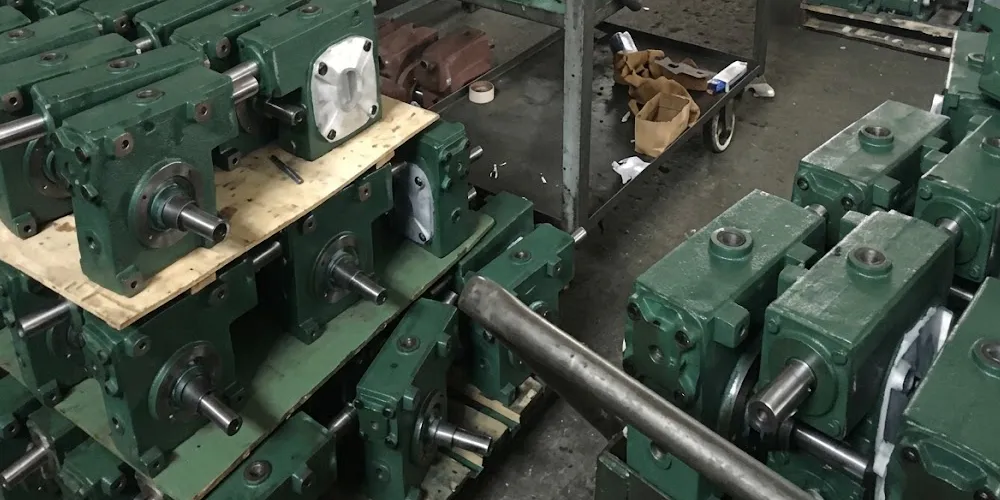
Manufacturing Structure: Construction Features That Matter in Freezer Environments
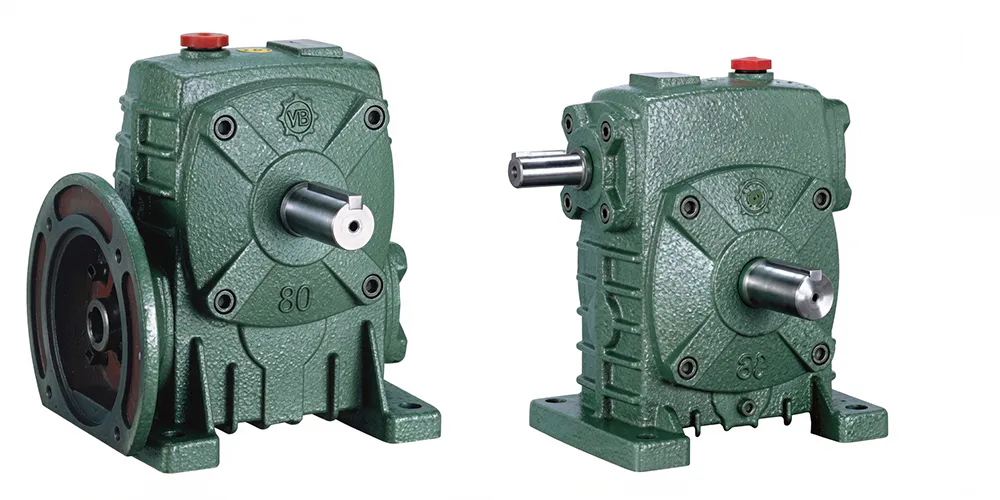
The WP series single speed reducer uses a single-stage right-angle worm gear arrangement in a sealed cast housing. The worm shaft — supported by tapered roller or angular-contact bearings — drives a bronze worm wheel on the output shaft, with the gear mesh running in a pressurized oil bath retained by lip seals on each shaft exit. This is a well-established architecture with low parts count and straightforward maintenance access, which is particularly valuable in cold storage installations where maintenance personnel work in conditions that make complex disassembly difficult and time-consuming.
For freezer-temperature service, several manufacturing details move from desirable to essential. Bearing clearances must be set to account for thermal contraction of both the housing and the bearing outer ring at the lowest operating temperature, so that bearing preload remains within the acceptable range throughout the full temperature cycle rather than increasing to damaging levels at minimum temperature. The oil fill level must be set to the mounting-orientation specification with care, because low-viscosity synthetic oil used in cold duty flows more freely than mineral oil and will drain away from inadequately filled gear chambers more readily during extended standstill periods at cold temperatures. Housing surface preparation and the adhesion of any paint or coating system are also more demanding for cold storage service than for ambient installations, because repeated thermal cycling between deep cold and warm maintenance or defrost temperatures stresses the bond between coating and substrate in ways that ambient-temperature specifications do not require.
Hus
Grey cast iron or cast aluminum. Precision-machined bore seats maintain dimensional control across -40°C to +40°C thermal cycling range found in blast freeze and cold chain operations.
Maskaxel
Case-hardened alloy steel (HRC 45–55), thread-ground. Tapered roller or angular-contact bearings set to account for cold-temperature contraction and maintain adequate running clearance.
Snäckhjul
Tin-bronze CuSn alloy keyed to steel hub. Bronze maintains adequate ductility at sub-zero temperatures and does not embrittle in the -40°C range that blast freezer operations reach.
Axeltätningar
FKM (Viton) or PTFE-lipped seals. Both materials retain adequate lip flexibility and sealing force at deep sub-zero temperatures where standard NBR elastomers harden and lose contact pressure.
Material System: Cold-Duty Specifications That Determine Field Performance
The most consequential material choice for a cold storage single speed reducer is the lubricant. Standard mineral gear oils are formulated for ambient temperature service and are not suitable for freezer-temperature duty without careful viscosity grade selection or direct substitution with a synthetic alternative. The practical benchmark is pour point: the lubricant used in a worm speed reducer must have a pour point at least 10–15°C below the minimum operating temperature the gear chamber will experience. For a blast freezer running at -35°C, a lubricant pour point of -45°C or lower is the appropriate target — a specification that effectively rules out most mineral gear oils and points toward synthetic polyalphaolefin (PAO) or polyalkylene glycol (PAG) based gear lubricants.
PAO synthetic lubricants are the most widely specified choice for cold storage worm gear reducer applications because they maintain adequate viscosity index and film strength across the full temperature range from deep cold to the elevated oil temperatures that can develop during a long continuous run in a warmer room-temperature area. PAG synthetics offer marginally better film strength at high sliding speeds but have compatibility limitations with some seal elastomers and paint systems that need to be confirmed before specification. Both types are available in H1-registered formulations for facilities where the reducer is positioned above a product zone, which is a common configuration in spiral freezer installations where the drive unit sits atop the spiral structure above the belt carrying frozen food product.
| Component | Ambient Duty Spec | Cold Storage / Freezer Spec | Reason for Upgrade |
|---|---|---|---|
| Lubricant | ISO VG 220 mineral oil | PAO or PAG synthetic, pour point -45°C or below | Mineral oil gels below -15°C, causes cold-start bearing and wheel overload |
| Shaft seals | NBR double-lip | FKM or PTFE-lip seals | NBR hardens below -20°C, loses sealing contact and allows moisture ingress |
| Housing coating | Standard industrial enamel | Two-part epoxy, thermal-cycle rated | Standard enamel de-bonds during repeated -35°C to +20°C thermal cycling |
| Bearing grease (external) | Standard lithium grease | Low-temp polyurea or PTFE grease, rated to -50°C | Standard grease becomes rigid at freezer temperatures, starving bearing films |
| Worm wheel | Tin-bronze (CuSn) | Tin-bronze (CuSn) — no change needed | Bronze retains adequate ductility and toughness at -40°C without embrittlement |
Recommended Model: EP-WPKZ Single Speed Reducer for Cold Storage Conveyor Drives
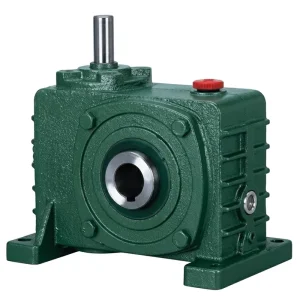
EP-WPKZ — 0.4 to 5.2 L Oil Capacity Single Speed Reducer
The EP-WPKZ covers oil capacities from 0.4 L through 5.2 L across its housing size range, which maps directly to the torque and mechanical load classes found in cold storage conveyor drive applications. The hollow shaft KZ configuration allows direct mounting onto conveyor drive shafts without flexible couplings, reducing drivetrain length at each drive station and eliminating a coupling element that would otherwise be exposed to the freezer environment and require its own cold-temperature material specification. The oil capacity range is particularly relevant in freezer-duty applications because a larger sump volume provides greater thermal buffering — a useful characteristic when the reducer starts cold after a weekend shutdown and the lubricant needs time to warm to full operating viscosity before the gear mesh reaches normal efficiency.
The KZ mounting arrangement supports foot-mount and torque-arm configurations, making it compatible with standard conveyor frame designs found in spiral freezer systems in North America, Europe, and Asia-Pacific. When specified with PAO synthetic lubricant and FKM shaft seals, the EP-WPKZ is ready for continuous cold storage operation down to the -35°C range that most industrial blast freezing and pull-through freezer systems operate within.
Operating Conditions Across Cold Chain Conveyor and Storage Applications
Cold chain facilities encompass a range of operating temperature zones, each placing different demands on the single speed reducer driving equipment within that zone. A distribution centre refrigerated room running at +2°C to +5°C for fresh produce storage imposes mild cold-temperature stress on gear reducer components — standard mineral oil may remain usable if the room never drops below -5°C, but synthetic lubricant remains the safer specification because room temperatures fluctuate during loading dock door cycles. A spiral freezer operating at -25°C for frozen poultry or seafood products, where the drive unit sits on top of the spiral frame and is technically outside the freezer chamber but exposed to conducted cold from the structure, requires full synthetic lubricant specification and FKM seals as standard. A blast freezer cycling to -40°C for rapid product freezing is the most demanding category: here, cold-start procedure, synthetic low-temperature lubricant with confirmed pour point, and PTFE-lipped seals are all mandatory specifications for reliable single stage speed reducer performance.
| Zone Type | Temperature Range | Lubricant Requirement | Seal Spec | Key Risk |
|---|---|---|---|---|
| Fresh produce cold room | +2°C to +8°C | PAO synthetic or high-VI mineral oil | FKM recommended | Moisture condensation from door cycling |
| Refrigerated distribution room | 0°C to +5°C | PAO synthetic, pour point -30°C or lower | FKM | Cold-start mineral oil gel on unheated weekend shutdown |
| Spiral freezer belt drive | -20°C to -28°C | PAO or PAG synthetic, pour point -45°C | FKM or PTFE-lip | Bronze wheel wear from cold-start high friction |
| Pull-through tunnel freezer | -25°C to -35°C | PAO synthetic, pour point -50°C or lower | PTFE-lip seals | Moisture ingress via NBR seal hardening |
| Blast freeze cell | -35°C to -45°C | Low-temp PAO synthetic, pour point -55°C | PTFE-lip seals, mandatory | Bearing overload from lubricant stiffness at cold start |
Cold Start Management: Protecting the Reducer After Freezer Shutdowns
Even a correctly specified single speed reducer with appropriate synthetic lubricant faces its highest risk of damage during cold start after an extended shutdown period. When a spiral freezer or blast cell conveyor has been stationary for 48 hours or more at operating temperature, the gear oil settles into the lowest point of the housing and the gear mesh surfaces are without a continuous oil film. At the moment of startup, the worm thread contacts the bronze wheel surface in a boundary lubrication condition — the oil that should separate the surfaces is too cold and viscous to flow into the contact zone before sliding begins.
Cold chain facility operators in Canada, Scandinavia, Russia, and other markets where freezer systems routinely shut down over weekends or extended holidays can reduce cold-start damage risk through two practical measures. The first is a graduated load startup: beginning the conveyor under no-load conditions and allowing several minutes of low-speed idling before bringing product onto the belt, which allows frictional heat from the worm mesh to warm the lubricant film progressively. The second is specifying an oil sump heater on the reducer housing for blast freeze applications — a small electric immersion heater that maintains the sump at a minimum temperature of -10°C during standstill prevents the gel-point issue entirely and eliminates the boundary lubrication cold start risk. For facilities where power cost during shutdown is a concern, a thermostat-controlled heater cycling around -10°C setpoint consumes very little energy while providing full lubricant protection.
Graduated Startup
Run conveyor at no load for 5–10 min after extended cold shutdown before loading product. Allows frictional heat to restore lubricant film in the gear mesh progressively.
Sump Heater
Thermostat-controlled immersion heater maintains sump at -10°C minimum during shutdown. Eliminates cold-start gel risk in blast freeze and sub -30°C environments.
Oil Analysis
Annual oil sampling detects moisture contamination and oxidation before they progress to bronze wheel or bearing damage. A key maintenance tool in cold storage single speed reducer management.
Seal Inspection Cycle
Inspect shaft seals every 6 months in freezer-duty installations. Thermal cycling accelerates FKM lip wear faster than in ambient conditions. Replace at first sign of oil tracking on shaft.
Gear Ratio and Speed Selection for Cold Storage Conveyor Systems
Cold storage and freezer conveyor systems span a wide range of output speeds depending on their function. Pallet shuttle systems moving product into racking lanes operate at relatively high conveyor speeds — 0.3 to 0.8 m/s — requiring output shaft speeds that may demand reduction ratios in the 10:1 to 25:1 range when paired with standard 4-pole motors. Spiral freezer belt drives run at much lower linear speeds — typically 0.05 to 0.2 m/s at the belt — with the large spiral diameter meaning the drive shaft RPM is even lower, often demanding ratios of 40:1 to 60:1 from the single speed worm gear reducer to reach those surface speeds from a standard motor input. The worm gear architecture excels in this application because it delivers these high ratios in a single, compact reduction stage without requiring multi-stage gear trains that would add length, weight, and additional maintenance access requirements in the confined space atop a spiral frame.
For cold chain engineers specifying single speed gear reducers across multiple conveyor positions in a new cold storage facility in the Netherlands, the United States, Japan, or Australia, a systematic approach to ratio selection — working from the required belt or chain speed, through sprocket geometry and shaft RPM, back to the motor and reducer combination — produces a matched set of drive configurations that can be standardized across similar drive positions to reduce spare parts inventory. Standardization of reducer models across a facility also simplifies training for maintenance personnel who work in cold and protective equipment that makes detailed component identification more difficult.
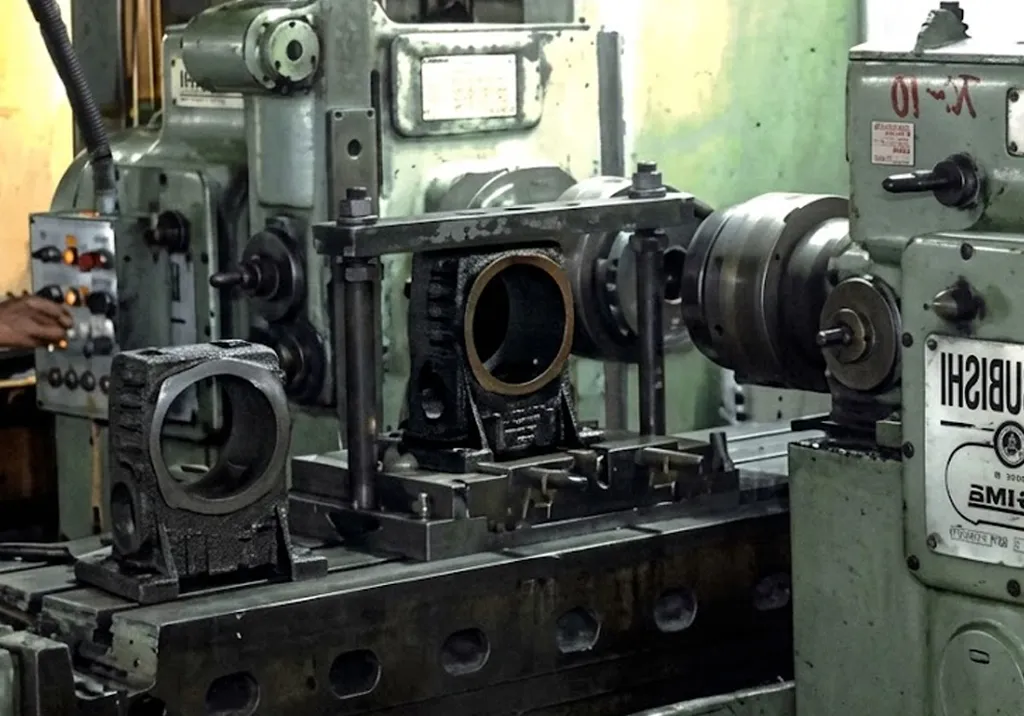
Customized Single Speed Reducer Configurations for Cold Chain Equipment OEMs
Spiral freezer manufacturers, cold store automated racking system builders, and tunnel freezer OEMs frequently require a customized single speed reducer that departs from standard catalogue dimensions. Hollow shaft bore diameters sized to proprietary conveyor head shaft profiles, mounting plate configurations that integrate with existing frame fabrications, and stainless steel shaft extensions for drive positions exposed to washdown water from automated CIP defrost cycles are all common OEM requests. Paint specifications compatible with the ammonia atmosphere of some refrigeration machine rooms — a consideration in large cold storage facilities using industrial ammonia refrigeration systems — are another modification type that catalogue-level specifications do not address.
Cold chain equipment OEMs supplying to markets across the European Union, North America, and Asia-Pacific benefit from working with a single speed reducer manufacturer capable of providing CE Declaration of Incorporation, material test certificates, dimensional drawings in both metric and imperial formats, and H1 lubricant documentation in a single documentation package. This completeness of supply reduces the engineering effort required to compile machine technical files for regulatory submissions and simplifies the procurement process for facilities operating under ISO 22000 or similar food safety management system standards that require documented control of all equipment in proximity to food products.
Specify for Cold Duty
Find Your Single Speed Reducer for Freezer and Cold Storage Applications
The WP series covers input power from 0.12 kW to 15 kW, hollow and solid shaft configurations, and oil capacities from 0.4 L to 5.2 L — matched to the full range of cold chain conveyor drive requirements from refrigerated distribution rooms to blast freeze cells.
Related Products: Drivetrain Components for Cold Chain Systems
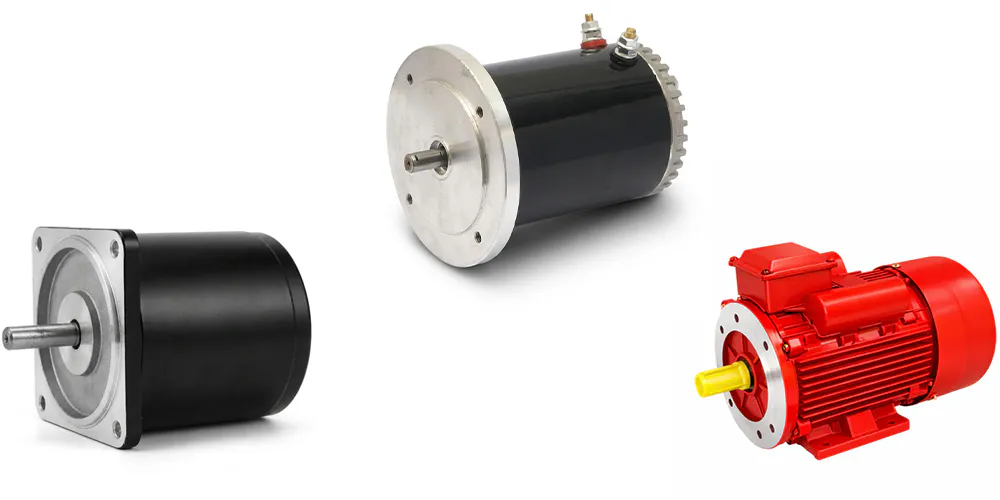
A worm gear single speed reducer performs at its best when paired with a correctly sized motor and sourced as part of a coordinated drivetrain from a supplier who can confirm compatibility across all components. For cold chain applications where the entire drivetrain is exposed to sub-zero conditions, ensuring that motor insulation class, reducer lubricant specification, and coupling material are all rated for the operating temperature range eliminates the risk of component mismatches that only emerge after installation.
Om oss
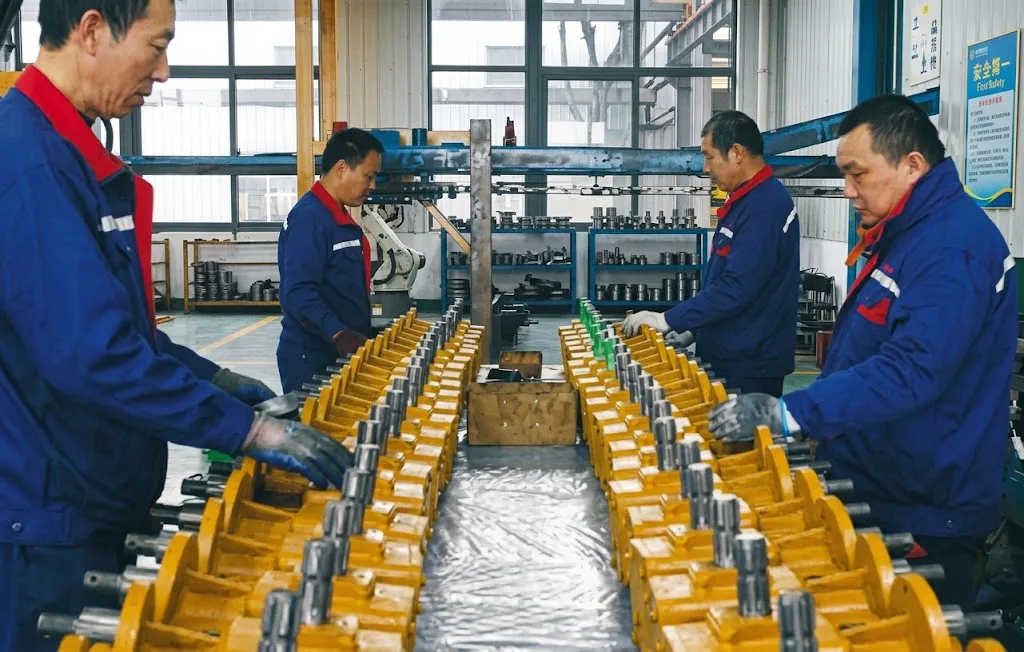
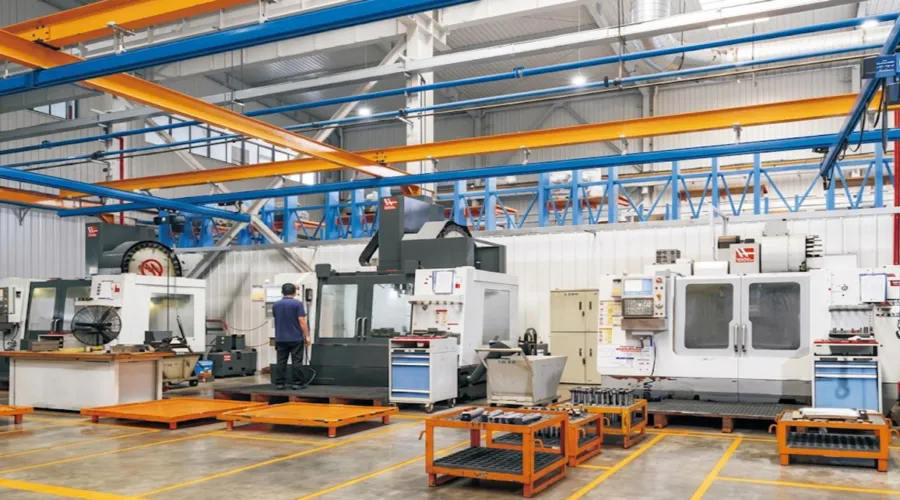
The engineering and manufacturing programme covers worm gear reducers, agricultural gearboxes, planetary gear drives, power take-off shafts, hydraulic cylinders, gears, chains, and motors. Production is carried out under an ISO 9001:2015 certified quality management system with manufacturing capabilities extending to industrial and agricultural gearboxes and assemblies in ductile iron, cast iron, cast steel, precision cast steel, and cast aluminum, together with gears, sprockets, worm gears, pulleys, worms, shafts, and a range of standard and non-standard mechanical parts. Export experience spans cold chain and food processing markets in North America, Europe, Asia-Pacific, South America, and the Middle East, with documentation packages available to support CE marking, USDA facility compliance, and ISO 22000 food safety management system requirements.
Verkstad
Vanliga frågor
What lubricant should I specify for a worm gear single speed reducer driving a spiral freezer belt system in a North American frozen food facility operating at -28°C?
Specify a PAO synthetic gear lubricant with a confirmed pour point of -45°C or lower and a viscosity grade equivalent to ISO VG 220 at 40°C. Standard mineral gear oil is not suitable — it thickens to a gel below -15°C and will cause damaging cold-start friction on the worm wheel bronze and input shaft bearings during early morning start-up after overnight shutdown. If the spiral freezer drive unit is positioned above an open belt carrying product, also confirm that the lubricant carries an H1 food-contact registration to comply with USDA and HACCP food safety requirements.
How do I find a reliable single speed reducer supplier for cold storage conveyor drives in Europe who can provide CE documentation and H1 lubricant certification?
Look for a single speed reducer manufacturer with an ISO 9001:2015 certified quality management system who can supply CE Declaration of Incorporation, dimensional drawings, material test certificates for the bronze worm wheel alloy, and H1 lubricant product datasheets in a single documentation package. European cold chain facility operators under EU food hygiene regulations and machinery directive requirements need these documents for regulatory compliance. Confirm that the supplier has established export experience to European markets and can produce documentation in formats compatible with EU regulatory submissions.
What are the disadvantages of a worm speed reducer compared to a helical gear reducer when used on a blast freeze cell conveyor running 24 hours per day in a Canadian cold storage facility?
The primary disadvantage of a single stage worm speed reducer in continuous blast freeze duty is lower mechanical efficiency — typically 65–85% at most reduction ratios — compared to 92–97% for a comparable helical arrangement. In a 24-hour Canadian cold storage operation with many drive stations, the cumulative energy cost difference is a meaningful financial consideration over a five-year asset life. Additionally, the heat generated by worm gear mesh inefficiency that would be beneficial in warming the lubricant in ambient conditions becomes less useful when the environment itself draws heat away rapidly. These factors are offset by the worm drive advantages of simpler construction, quieter operation, self-locking at high ratios, and lower capital cost — which explains why most spiral freezer and tunnel freezer manufacturers continue to specify worm gear single speed reducers for the majority of their drive positions despite the efficiency difference.
When should a cold chain equipment manufacturer in Japan or Australia consider ordering a customized single speed reducer rather than selecting from the standard catalogue for a refrigerated warehouse conveyor project?
Customized single speed reducer configurations are worth requesting when the conveyor head shaft diameter does not match standard hollow bore dimensions, when the racking system frame requires a non-standard mounting flange bolt pattern, when the installation is in an ammonia refrigeration machine room requiring special paint or seal compatibility with ammonia vapour, or when a specific gear ratio between standard catalogue steps is needed to achieve a precise belt speed. Cold chain OEMs in Japan and Australia supplying to facilities with local food safety regulatory requirements benefit from requesting complete documentation packages — including material certificates and dimensional drawings in both metric and imperial formats — when ordering customized variants to streamline project approval processes.
Where can I get a quote for a heavy-duty single speed gear reducer for a large-scale frozen seafood spiral freezer system being built for a facility in Scandinavia or the Middle East?
Submit your spiral freezer drive specification — required output torque, target belt speed and drive shaft RPM, motor power and frame size, operating temperature range, and H1 lubricant requirement — through the product enquiry page on the single speed reducer category page. For Scandinavian installations where blast freeze temperatures can reach -40°C, specify the minimum ambient temperature in your enquiry so the lubricant and seal recommendations can be confirmed against the operating range. For Middle East frozen seafood facilities, note any halal-compliant lubricant requirements and ambient temperature in the machine room area, which affects the thermal rating check for continuous duty.
Redaktör: PXY