
யுனிவர்சல் டிசி மோட்டார்
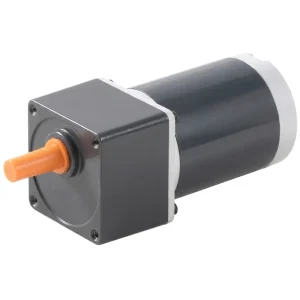
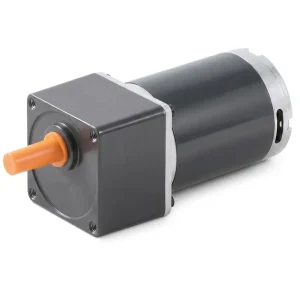
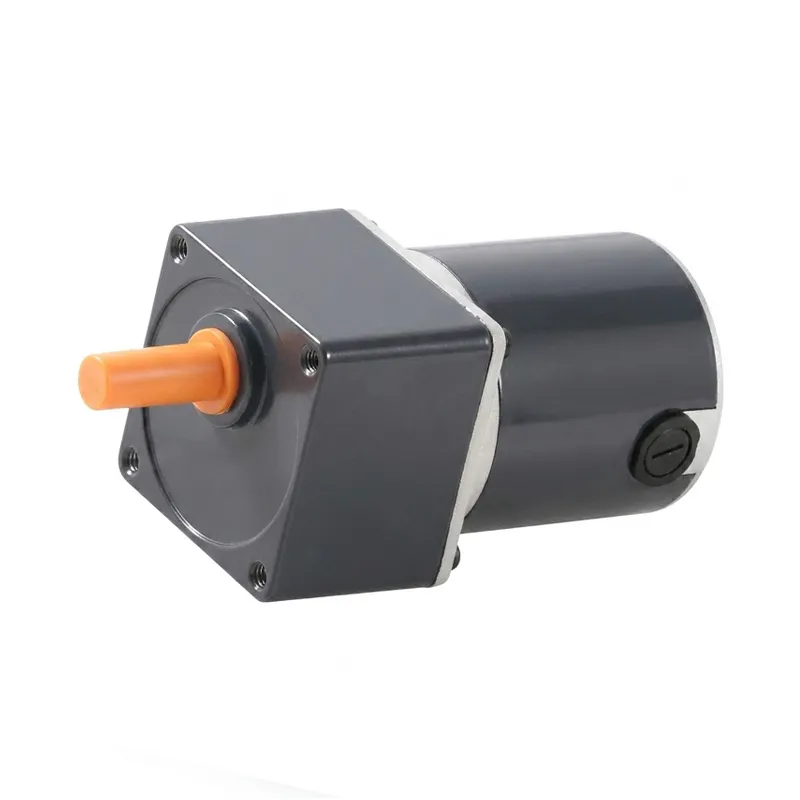
A Universal DC Motor is a versatile electric motor designed to operate efficiently on direct current (DC) power. Renowned for their high starting torque, compact size relative to their power output, and simple speed control capabilities, these motors are the driving force behind countless industrial and commercial applications. From precision machinery to robust power tools, they offer reliable performance across a wide range of operational demands.
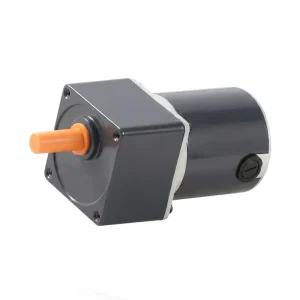
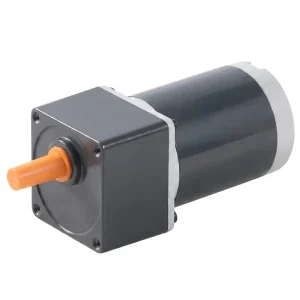
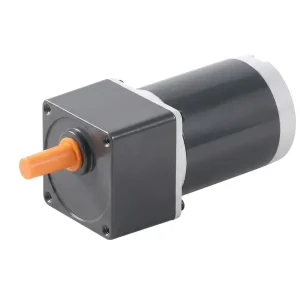
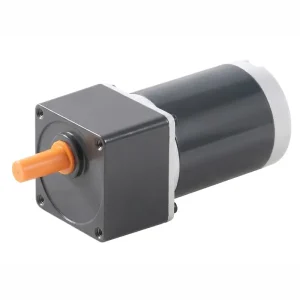
Universal DC Motor Types
How to Choose the Correct Universal DC Motor
- Define Voltage Requirements: Determine if your application uses 12V, 24V, or 90V. Selecting a யுனிவர்சல் டிசி மோட்டார் with the correct voltage rating is essential for safety and performance.
- Calculate Power & Torque: Identify the load characteristics. A யுனிவர்சல் டிசி மோட்டார் provides high starting torque, but you must ensure the continuous rating matches your operational needs.
- Assess Speed Control: யுனிவர்சல் டிசி மோட்டார் units are easily controlled via voltage variation. Determine if you need a fixed speed or a variable speed controller integrated with the யுனிவர்சல் டிசி மோட்டார்.
- Check Mounting Dimensions: Verify the frame size and shaft diameter. Our யுனிவர்சல் டிசி மோட்டார் series offers compact designs suitable for tight spaces.
- Consider Duty Cycle: Evaluate how long the யுனிவர்சல் டிசி மோட்டார் will run continuously. Proper thermal management extends the lifespan of the motor brushes and windings.
Anatomy of a Universal DC Motor
Understanding the core components is crucial to appreciating the efficiency and reliability of these motors.
ஸ்டேட்டர்
The stationary part of the motor. It houses the field coils or permanent magnets that generate the essential magnetic field needed to create torque.
Rotor (Armature)
The rotating component located inside the stator. It consists of wire coils wound around an iron core, which interact with the stator's magnetic field to produce rotation.
கம்யூடேட்டர்
A specialized cylinder on the rotor shaft consisting of copper segments. It acts as a rotary electrical switch, reversing current direction to maintain continuous rotation.
Brushes
Typically made of carbon, these stationary components maintain sliding electrical contact with the rotating commutator, delivering power to the armature.