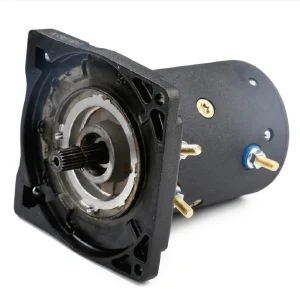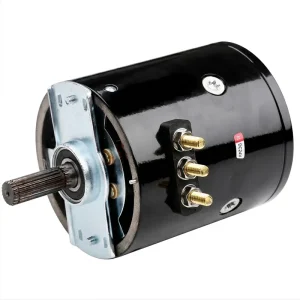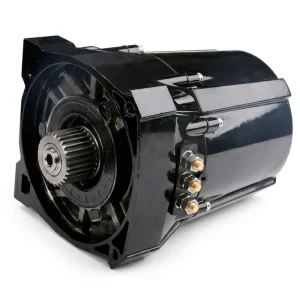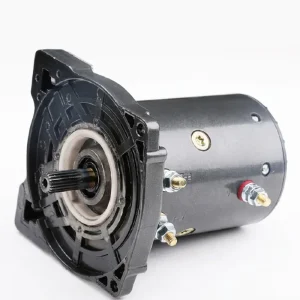
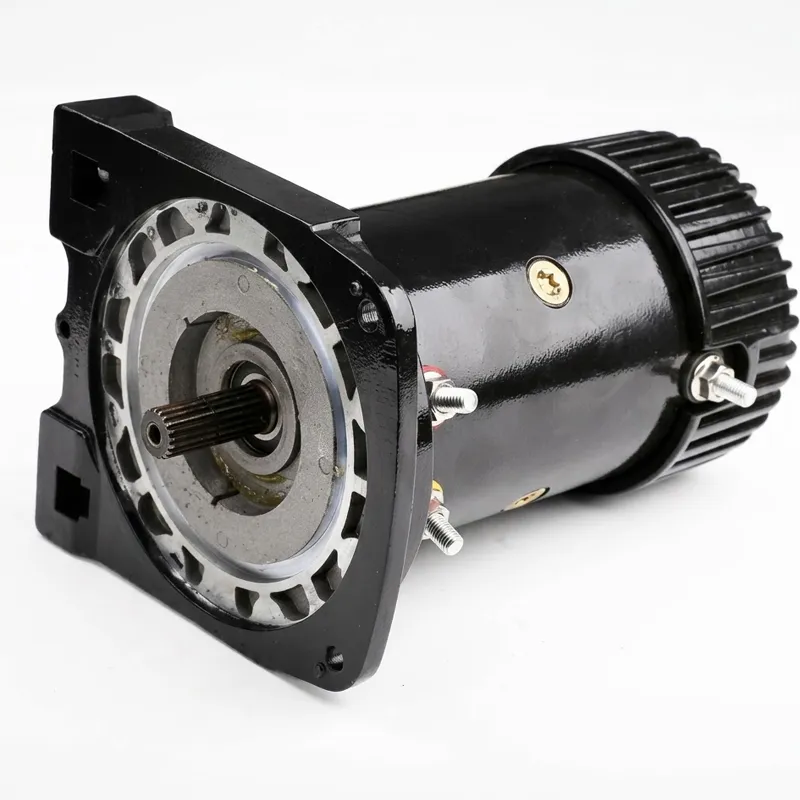
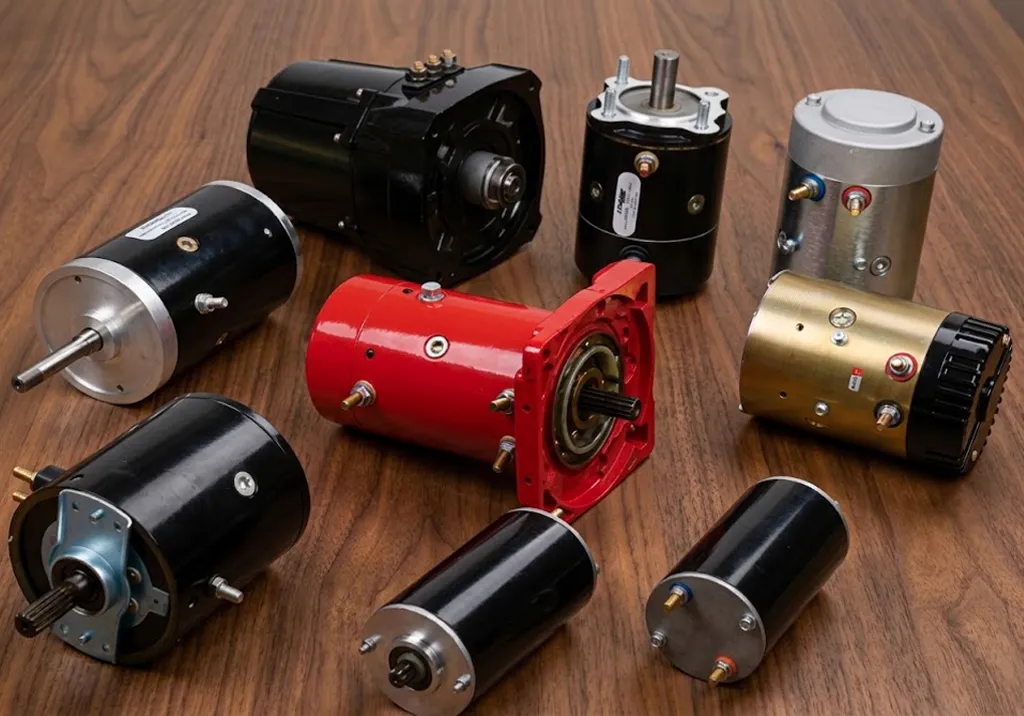
EP-2200W 12V 8 N·m வின்ச் மோட்டார்
When operators need to push the limits of what a 12V winch motor can deliver — both in power and protection — the MS1210 is the answer. At 2200W with a rated torque of 8 N·m and a peak current of up to 285A, this electric winch motor occupies the top position in the 12V class, delivering a torque output that opens up line pull ratings in the 7000 to 10000 kg range when matched to appropriate drum gear assemblies.
The dc winch motor architecture is a brushed permanent magnet design with a 20-tooth output gear — the same output gear tooth count as the XL12000ZH but producing twice the rated torque through an enlarged armature with higher-cross-section windings optimised for 285A operation. The bidirectional rotation configuration uses the standard three-terminal (A1, M, D2) wiring that is compatible with all reversing contactor panels common in 12V motor winch system installations. The 2min-7%ED duty cycle applies here as in the rest of the range — two minutes of sustained pull at full rated load, with a rest interval between sequences.
Winch Motor Series — Model MS1210
EP-2200W 12V 8 N·m வின்ச் மோட்டார்
The most powerful motor in this 12V வின்ச் மோட்டார் series — 2200W, 8 N·m rated torque, IP67 full submersion sealing, 20-tooth output, and bidirectional drive. Built for the heaviest recovery, marine, and industrial pulling applications where other motors reach their limits.
Technical Specifications — Model MS1210 Winch Motor
All parameters recorded at rated operating conditions. Use horizontal scroll on mobile to view all columns without compression.
| மோட்டார் மாடல் | மதிப்பிடப்பட்ட மின்னழுத்தம்
(V) |
சக்தி (வாட்) | மதிப்பிடப்பட்ட மின்னோட்டம்
(A) |
மதிப்பிடப்பட்ட முறுக்குவிசை
(N·m) |
பணி சுழற்சி | காப்பு வகுப்பு | IP Rating | Tooth Number | சுழற்சி | விண்ணப்பம் |
|---|---|---|---|---|---|---|---|---|---|---|
| MS1210 | 12 | 2200 | ≤285 | 8 | 2min-7%ED (S2min-S3%) | எஃப் | IP67 | 20 | இரு திசை | வின்ச்கள் |
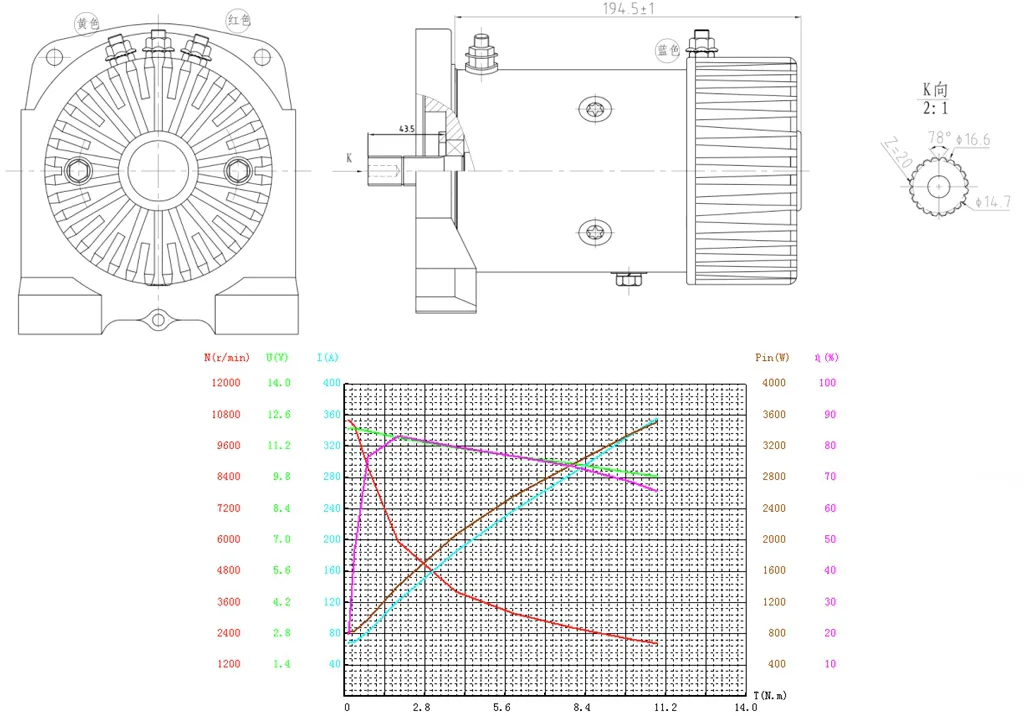
| Outline Dimensions | Overall Length: 194.5 ± 1 mm | Mounting Face Depth: 43.5 mm | Output Gear Ø: 14.7 mm | View Direction K: 2:1 ratio | Tooth spacing: 78° / 6 × 6.6 mm | Mounting: square flange with 4-corner bolt pattern | |||||||||
| Wiring | Three-terminal (A1, M, D2); compatible with all standard 12V reversing contactor winch control panels; IP67-rated terminal sealing at all connection points | |||||||||
| Performance Range | Speed: 1200–12000 RPM | Torque: 0–14 N·m | Input power: 400–4000W at corresponding operating points | Peak efficiency: approx. 80–100% across rated speed range | |||||||||
How Does a Winch Motor Work at 2200W? The MS1210 in Detail
Understanding how does a winch motor work at this power level starts with the dc motor working principle and then accounts for the engineering decisions needed to sustain 285A armature current reliably. In the MS1210, 12V direct current flows through the armature winding, generating a magnetic field that interacts with the fixed permanent magnet stator to produce rotational torque at the armature shaft. This torque transfers through the 20-tooth output gear to the winch drum pinion, creating the cable tension that constitutes the useful output of the motor winch system. Reversing current direction at the A1/D2 terminals — through the contactor panel — immediately reverses armature direction, providing the bidirectional pull-in and pay-out control that defines what is a winch used for across its full range of applications.
At 8 N·m rated shaft torque, the MS1210 operates at the upper end of what a brushed permanent magnet dc motor can deliver in the 12V class within a practical mounting envelope. The performance curve maps speed from 1200 RPM under maximum torque load through to 12000 RPM at no load, with the 8 N·m operating point falling in the mid-speed range where the motor achieves its best balance of torque output and thermal efficiency. The input power at the rated operating point is approximately 2200W — matched precisely to the 12V × 285A product — with efficiency at rated load pushing toward the 90% range that characterises well-designed permanent magnet dc motor designs of this class.
The 2min-7%ED rating governs how the motor is used, not how it is built. Within any two-minute activation window, the MS1210 delivers sustained rated torque; beyond that window, the duty cycle rest period is required to allow winding temperatures to recover before the next pull sequence. For operators running twin motor winch configurations — two MS1210 units sharing a single drum through a combiner gearbox — the effective line pull doubles while each motor individually stays within its rated current envelope. This twin motor winch arrangement is how operators achieve maximum line pull from 12V architecture without moving to a 24V or hydraulic winch motor platform.
Five Defining Advantages of the EP-2200W Winch Motor
What places the MS1210 at the top of the 12V electric winch motor class — in performance, protection, and system integration:
① 8 N·m — Highest Torque in the 12V Range
At 8 N·m rated shaft torque, the MS1210 produces 33% more torque than the 6 N·m rating of the XL12000PLT and XL12000ZH units in this series — a meaningful difference when the winch is pulling a heavily loaded vehicle, a large vessel mooring line, or a cable-tensioned structural load at the drum. For operators whose electrical system is fixed at 12V and who need the highest available pulling force without moving to a twin motor winch configuration, this motor is the direct answer. The wide performance curve — from 1200 RPM at peak torque to 12000 RPM at light load — also gives speed-controlled winch systems a broader operating window than lower-torque units in the same voltage class.
② IP67 at 2200W Output
Achieving IP67 full submersion protection on a 2200W motor requires engineering decisions that go beyond simply gasket-sealing a standard motor body. The MS1210 manages the thermal demands of 285A current draw while maintaining the hermetic sealing integrity needed for IEC 60529 IP67 certification — complete dust exclusion and 30-minute submersion at one metre depth. The terminal connections at A1, M, and D2 are sealed to the same IP67 standard using moulded connector bodies with hermetically sealed cable entry. For marine winch motor applications, flood rescue equipment, and coastal infrastructure where submersion is a real operational condition, this combination of power and protection is rare in the 12V class.
③ Square Flange Mounting for Maximum Stability
The MS1210 uses a square mounting flange with a four-corner bolt pattern rather than the round bolt-circle flange of smaller motors in this series. This mounting geometry distributes the torque reaction load across a larger footprint and resists the rotational moment that high-torque winch motors generate against their housings during peak pull sequences. The 43.5mm mounting face depth and 194.5mm overall length are matched to the motor housings used in heavy-duty winch assemblies in the 2000W and above class. For OEM winch builders integrating this motor into purpose-built winch housings, the square flange provides a stiffer, more predictable mounting interface than round-flange alternatives at equivalent torque ratings.
④ 20-Tooth Output for Standard Drum Interface
The 20-tooth, 14.7mm gear output of the MS1210 matches the drum pinion interface used across the mainstream heavy-duty winch sector — the same tooth count and pitch geometry used in the XL6000R and XL12000ZH motors, which means the MS1210 is a direct upgrade path for operators who need more torque in an existing winch housing. The output gear tooth spacing at 78° / 6×6.6mm is consistent with commercial winch drum pinion standards used by OEM winch builders across North America, Europe, and Australia. This direct interchangeability with existing drum assemblies removes the gear adaptation engineering that would otherwise accompany a motor upgrade to this power level.
⑤ Class F Insulation Under 285A Peak Current
The thermal challenge of 285A through a motor winding is significant: I²R heating at this current level is proportional to the square of the current, so a jump from 240A to 285A increases thermal load by approximately 41% for the same winding resistance. Class F insulation — rated for continuous winding temperatures up to 155°C — provides the ceiling that makes this current level sustainable within the 2-minute duty cycle rather than degrading winding enamel after a few pull sequences. This thermal tolerance is also what allows the MS1210 to function in high-ambient-temperature environments including equatorial marine locations, Middle Eastern oilfield sites, and Australian summer mine site operations without requiring derating of the output specification.
பொருட்கள் மற்றும் கட்டுமானம்
The MS1210 housing is cast from high-tensile aluminum alloy — not the die-cast alloy used in lighter-duty motors, but a higher-grade structural alloy selected for its ability to maintain dimensional stability under the sustained thermal cycling of 2200W operation combined with IP67 submersion cycling. The square-flange mounting face is precision-machined to flatness tolerances that ensure secure clamping across the four-corner bolt pattern under the full rotational moment the motor generates at 8 N·m torque. External cooling fin geometry is designed for natural convection cooling with the motor mounted in either horizontal or vertical orientation, as both orientations are common in the range of applications this motor serves.
The armature assembly uses silicon steel laminations at tight stacking tolerances, with high-cross-section copper windings in a low-resistance configuration to minimise I²R losses at 285A. The commutator is machined from a high-conductivity copper alloy with a hardened working surface, ground to tight concentricity tolerances to maintain uniform brush contact quality across the full commutator circumference at speeds up to 12000 RPM. Brush material is a heavy-duty carbon-copper composite selected for sustained high-current contact at elevated temperatures — a compound specification that is distinct from the brush grades used in lighter-duty dc winch motor designs and is critical to achieving the service life the MS1210 is rated for under its stated duty cycle conditions.
The IP67 sealing system uses multi-lip shaft seals at the output end and moulded elastomeric seals at all housing parting faces — mechanically retained rather than adhesive-bonded, maintaining integrity through thermal cycling and mechanical vibration. Terminal connections at A1, M, and D2 use IP67-rated moulded connector bodies with hermetically sealed cable glands, tested to the same submersion standard as the motor housing. Output gear hardening is through the full tooth depth to resist the concentrated contact stresses at the drum pinion interface under peak torque loading. All external fasteners are stainless steel or zinc-passivated, appropriate for the corrosive marine and coastal environments that IP67-rated equipment routinely serves. Each motor is individually tested for electrical performance and IP67 integrity before dispatch.
Need the highest-torque IP67 electric winch motor in the 12V class for a demanding application? View the complete winch motor range for full dimensional and configuration details.
Where the EP-2200W Gets the Work Done
The MS1210 is specified for applications where 6 N·m is not quite enough and IP54 sealing is not sufficient — the intersection of maximum 12V torque and full submersion protection that defines a distinct product position in the winch motor market.
Heavy Vehicle Recovery — High-Gross-Weight Platforms
4WD expedition vehicles, overlanding camper builds, and military light tactical vehicles routinely carry gross vehicle weights exceeding five tonnes — loaded tray bodies, auxiliary fuel tanks, roof loads, and expedition equipment pushing the vehicle weight class well above what standard 12V winch motor designs can extract from a bog or slope. The MS1210's 8 N·m shaft torque, matched to drum gear ratios in the heavy recovery class, delivers the single-line pull needed for these platforms without requiring a dual motor winch configuration. For recovery operators working remotely in outback Australia, the Yukon, or off-road regions of South Africa, a single high-torque motor that does not require winch housing modification simplifies both deployment and repair.
Offshore & Commercial Vessel Deck Winches
Commercial fishing vessels, dive support boats, and harbour service craft in the North Sea, Tasman Sea, and Pacific fishing grounds expose deck equipment to sustained wave impact, salt spray, and periodic flooding from green water across the bow or stern. For deck-mounted anchor windlasses, net hauling capstans, and mooring line winches on vessels in the 10 to 25 metre class, the combination of 2200W output and IP67 sealing makes the MS1210 a direct competitor to hydraulic motor for winch alternatives in this boat size range — without the hydraulic power unit infrastructure cost and complexity. Operators in the Netherlands, South Korea, New Zealand, and coastal Brazil specify this power class when their 12V vessel systems need reliable heavy-pull performance in genuinely exposed conditions.
Industrial Cable Pulling & Wire Tensioning
Power line installation, underground cable laying, and wire rope tensioning systems used by utilities and civil contractors in the UK, Canada, and Australia require high line pull with controlled, variable-speed operation. The MS1210's wide speed range — 1200 RPM at full torque to 12000 RPM at light load — gives dc motor drive speed-control systems a broad modulation range for smooth cable feed and tension management without the abrupt speed changes that can snap cable or upset rigging alignment. The IP67 sealed dc winch motor housing survives the open-trench and wet-weather site conditions that characterise cable-pulling operations on civil infrastructure projects year-round in these markets.
Search & Rescue and Emergency Response Platforms
Emergency response vehicles — flood rescue trucks, swift-water rescue RIBs, and disaster relief cargo handling platforms — operate in the environmental conditions that most electric winch motors cannot handle. Flood response by definition means water immersion, and the equipment must keep working in the water rather than after the water has passed. The MS1210's IP67 housing and terminal sealing allow the motor to function during submersion events, not just after them, which is precisely the operational requirement for flood rescue motor winch systems used by emergency services in the Netherlands, the UK, and Australian state emergency services. The 8 N·m torque also handles the higher forces involved in pulling submerged or partially submerged vehicles and equipment.
OEM Heavy-Duty Winch Manufacturing
Winch manufacturers building electric winch motors into purpose-designed recovery, marine, and industrial products at the 8000 to 10000 kg line pull rating need a motor that integrates cleanly into their housing, delivers reliable performance at the rated specification over the product's warranty period, and is available with consistent dimensional and electrical tolerances across production batches. The MS1210 addresses all three of these OEM supply requirements: the square flange and 20-tooth output gear profile are consistent across production runs, the IP67 seal is tested individually on each motor before dispatch, and we support OEM customers with dimensional drawings, test data, and technical liaison for integration into custom winch housing designs across all global markets.
உற்பத்தியாளரைப் பற்றி
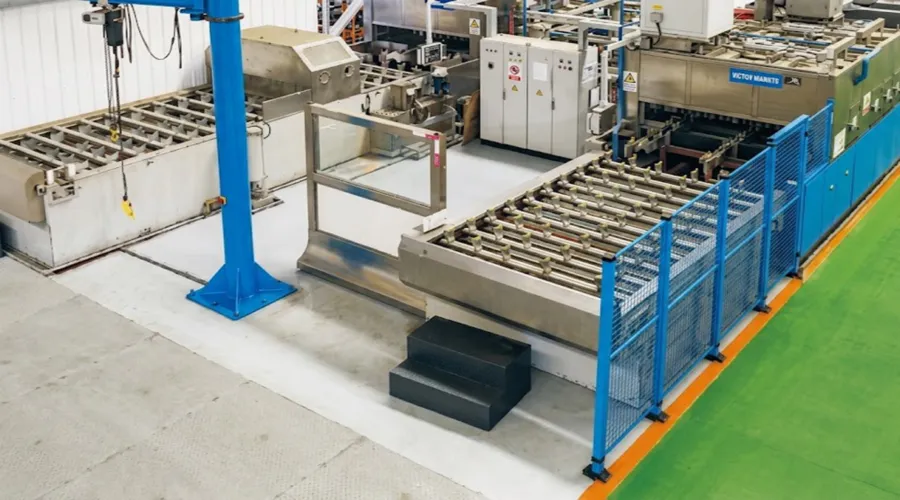
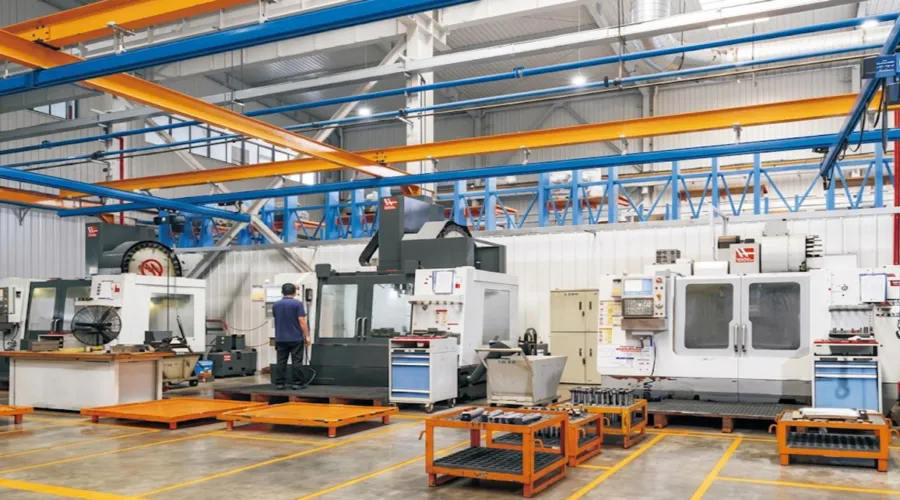
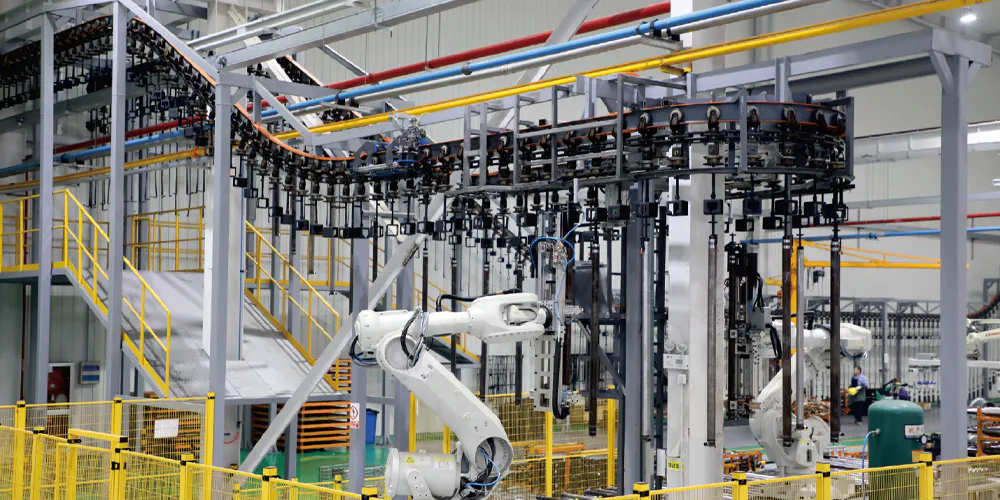
With more than ten years of continuous manufacturing experience in industrial mechanical power transmission, our engineering and production team has built a product range that serves agricultural, marine, construction, and industrial automation customers worldwide. Our production facility holds ISO 9001:2015 certification, with documented quality management procedures covering incoming material inspection, in-process dimensional control, individual motor electrical testing, and IP67 submersion verification before every unit is dispatched. No batch sampling — every MS1210 that ships has a test record.
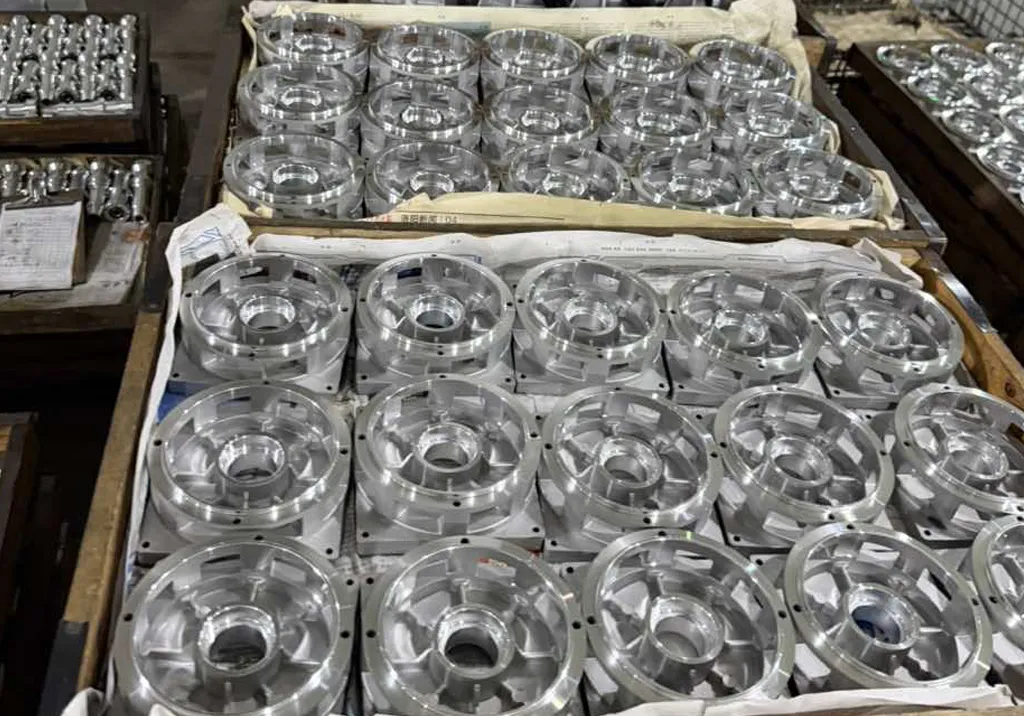
Our manufacturing scope spans agricultural gearboxes, worm gear reducers, planetary gear drives, PTO drive shafts, hydraulic cylinders, precision gear sets, industrial chain assemblies, and the full DC motor series — including tarpaulin motors and every model in the winch motor range. Structural castings are produced from ductile iron, cast iron, cast steel, precision cast steel, and cast aluminum in-house. We also manufacture gears, sprockets, worm gears, pulleys, worm shafts, and custom machined components to OEM dimensional specifications, supporting both catalogue part supply and application-specific component manufacturing.
OEM winch manufacturers, heavy equipment distributors, marine equipment suppliers, and fleet winch motor replacement programmes in Australia, the UK, the Netherlands, Canada, Brazil, Colombia, and South Korea deal directly with our engineering and export teams. We provide dimensional drawings, test documentation, IP67 certification records, and logistics coordination as standard components of every international order. For application-specific integration questions — mounting interface compatibility, contactor specification for 285A systems, or duty cycle verification for non-standard pull cycles — our engineering team responds directly.
பட்டறை
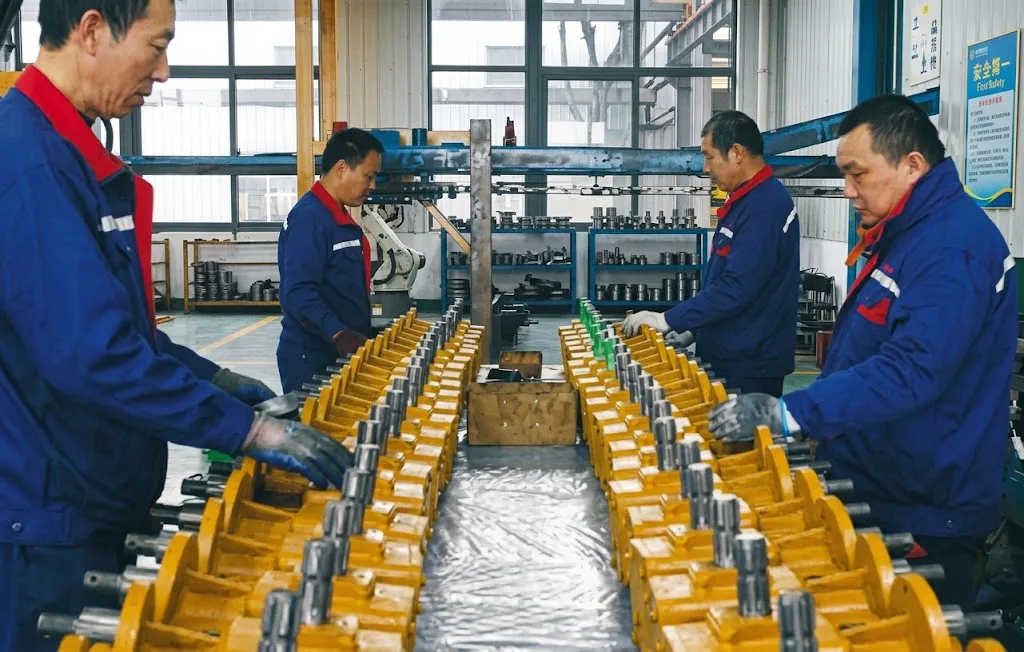
Drive System Products That Work Alongside the MS1210
The EP-2200W winch motor is part of a complete drive system ecosystem. We manufacture dc electric motors and worm gear reducers from the same facility — dimensionally and electrically coordinated with the MS1210 for direct system integration without third-party compatibility work.
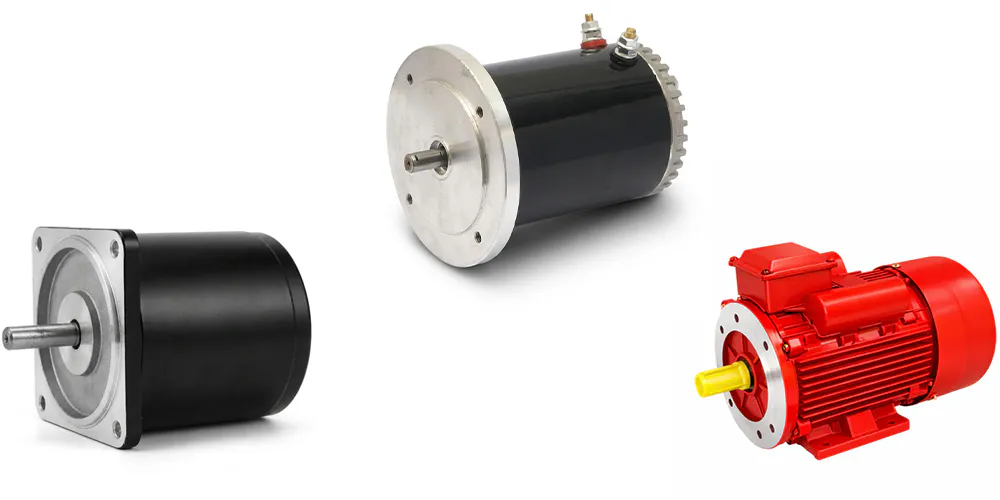
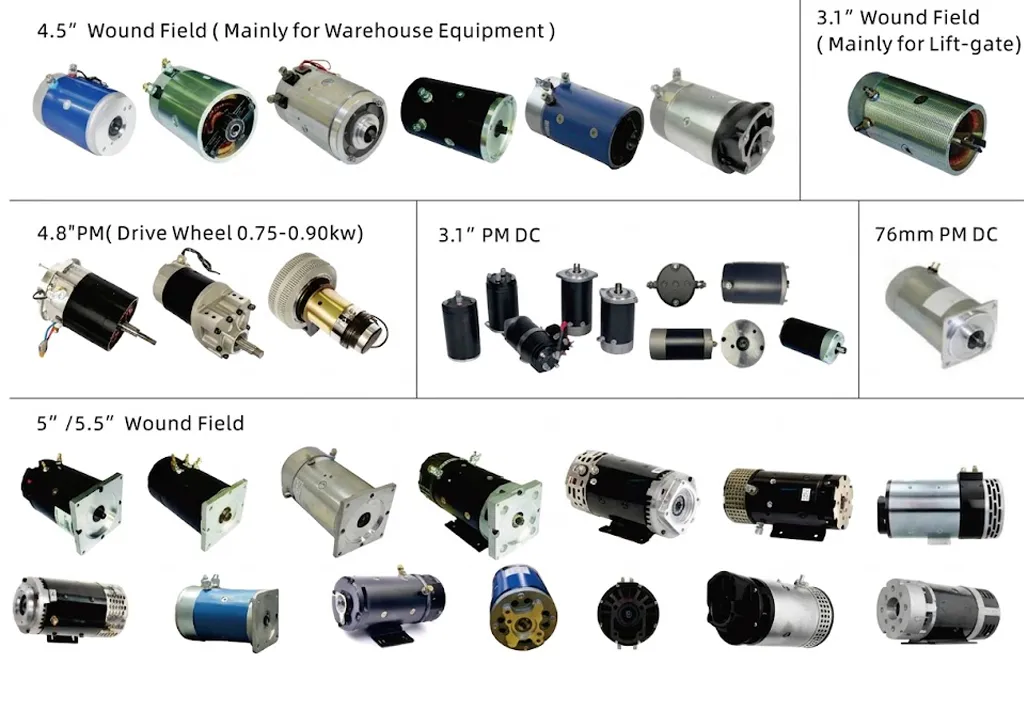
Our dc electric motors range covers the full scope from small dc motor configurations for auxiliary and control duties through to the high torque electric motor class that the MS1210 represents. For applications requiring a permanent magnet dc motor for a lighter auxiliary pull, a dc servo motor for position-controlled cable deployment, or a high torque dc motor for a twin motor winch build exceeding the MS1210's single-motor output, we manufacture across all configurations.
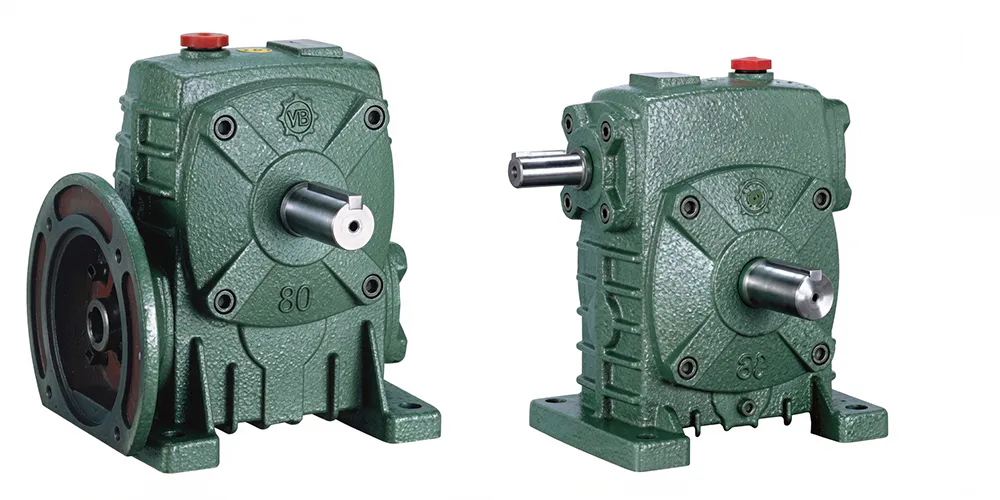
Pairing the MS1210 with a worm gear reducer extends the motor winch system to applications that need lower drum speed, higher line pull, or inherent self-locking under static load. Worm gear geometry prevents back-driving — when the motor is de-energized, the load remains stationary without requiring a separate brake mechanism. For vertical hoisting, cliff-face rescue winches, and load-positioning systems where load must hold position between pull cycles, this self-locking property is a critical safety characteristic.
அடிக்கடி கேட்கப்படும் கேள்விகள்
பதிப்பாசிரியர்: PXY