
வட்ட பேலர் கியர்பாக்ஸ்
Complete Engineering Guide — Specifications, Selection Criteria, Configurations & EP Series Product Overview for Global Agricultural Markets
How to Choose the Right Round Baler Gearbox
What Is a Round Baler Gearbox?
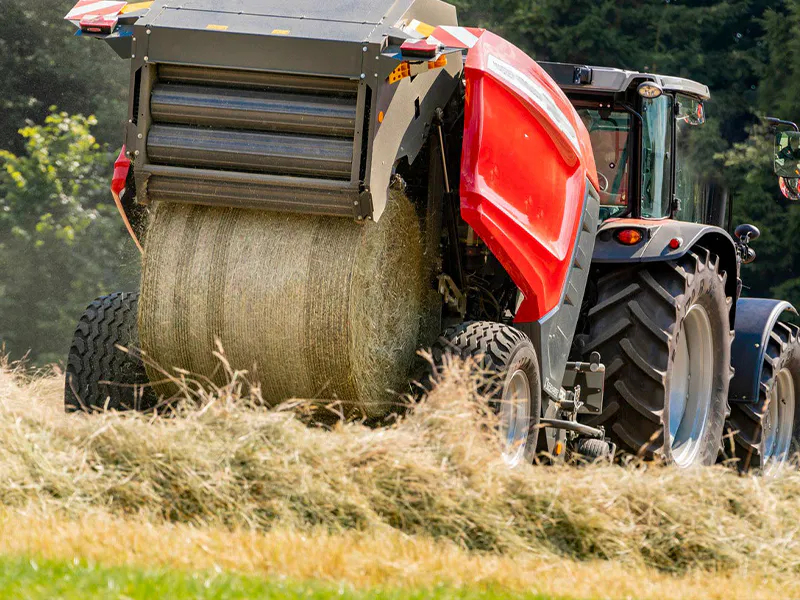
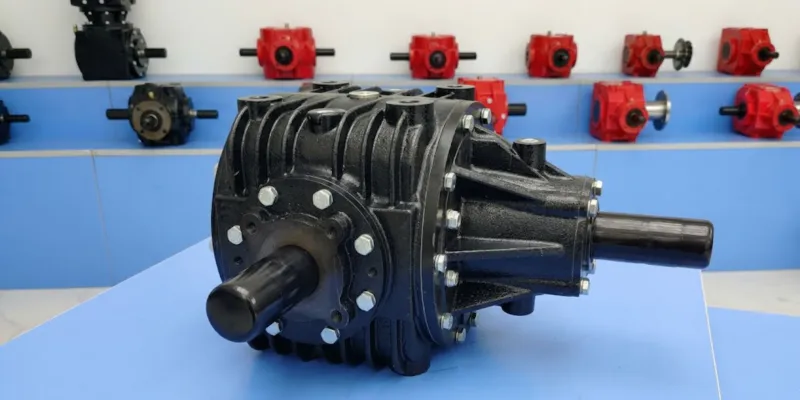
A round baler gearbox is the mechanical power distribution unit that transfers and converts rotational energy from the tractor’s Power Take-Off (PTO) shaft into the controlled, speed-reduced, high-torque output required to drive the baling chamber’s rollers, compression belts, pick-up mechanism, and wrapping system. Without it, none of the mechanical work that forms a cylindrical bale can take place.
The gearbox sits between the tractor PTO and the baler’s internal driveline. Its primary function is reduction: a standard agricultural PTO outputs at 540 r/min, while the bale chamber drive typically requires 250–290 r/min at substantially higher torque than the PTO shaft itself delivers. The gear set inside the housing performs that conversion while simultaneously managing the structural loads, shock events, and thermal demands of continuous field operation.
Modern round baler gearboxes range from compact single-housing units for 40–80 hp tractors to large integrated bilateral drive assemblies spanning over 1600 mm for 120+ hp commercial baling operations. Choosing the correct unit — by power class, structural architecture, shaft configuration, and installation geometry — determines whether the baling drivetrain reaches its rated performance and service life, or becomes the maintenance bottleneck that limits field productivity.

① PTO Input
Tractor PTO delivers 540 r/min at the driveshaft. The round baler gearbox input shaft receives this rotation through a matched PTO drive shaft with torque-limiter protection.
② Gear Reduction
Inside the housing, a Gleason Helical Teeth gear pair reduces speed at the chosen ratio (commonly 1.92:1 or 2.1:1), multiplying output torque proportionally while managing contact stress across the full tooth face width.
③ Power Distribution
The reduced-speed, higher-torque output drives the baler’s cam ring, compression rollers, and belt drives — either from a single output shaft or bilaterally through integrated cross-shaft arms on larger assembly types.
④ Bale Formation
The driven chamber components compress crop material into a tight cylindrical bale. Consistent output shaft speed from the gearbox is what produces uniform bale density and diameter across the full field run.
Round Baler Gearbox Types
Showing all 10 results
-
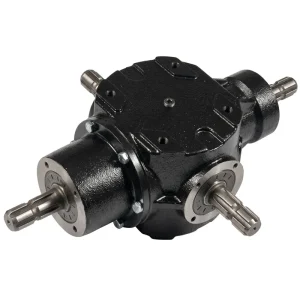
EP2100-T3-ரவுண்ட் பேலர் மற்றும் ஹார்வெஸ்டருக்கான கியர்பாக்ஸ்
-
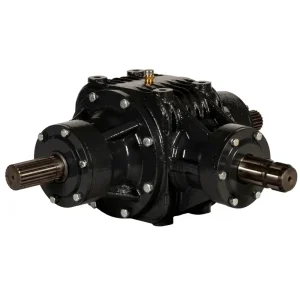
EP246-ரவுண்ட் பேலர் மற்றும் ஹார்வெஸ்டருக்கான ரவுண்ட் பேலர் கியர்பாக்ஸ்
-
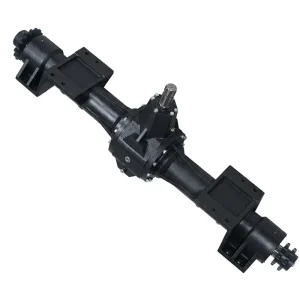
EP9.35-ரவுண்ட் பேலர் மற்றும் ஹார்வெஸ்டருக்கான ரவுண்ட் பேலர் கியர்பாக்ஸ்
-
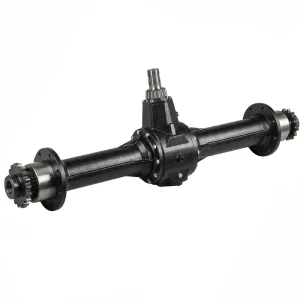
EP9.0-HL01-ரவுண்ட் பேலர் மற்றும் ஹார்வெஸ்டருக்கான ரவுண்ட் பேலர் கியர்பாக்ஸ்
-
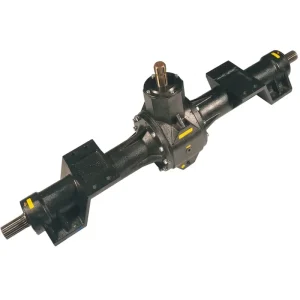
EP9-ரவுண்ட் பேலர் கியர்பாக்ஸ் (ரவுண்ட் பேலர் மற்றும் ஹார்வெஸ்டருக்கானது)
-
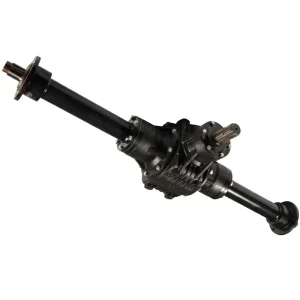
EP250-YJ-ரவுண்ட் பேலர் மற்றும் ஹார்வெஸ்டருக்கான கியர்பாக்ஸ்
-
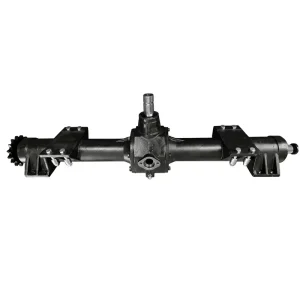
EP-T-292E வட்ட வடிவ பேலர் கியர்பாக்ஸ் மாற்று மூலை குறியீடு
-
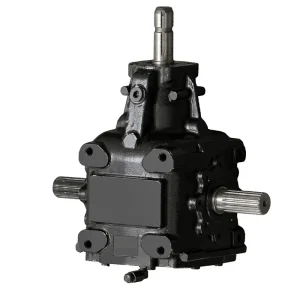
EP-T-290HD ரவுண்ட் பேலர் கியர்பாக்ஸ் மாற்று மூலை குறியீடு
-
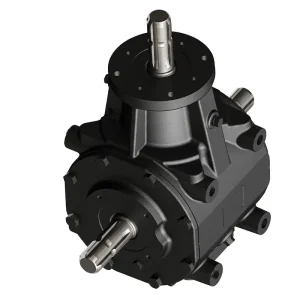
EP-TV290H வட்ட வடிவ பேலர் கியர்பாக்ஸ் மாற்று மூலை குறியீடு
-
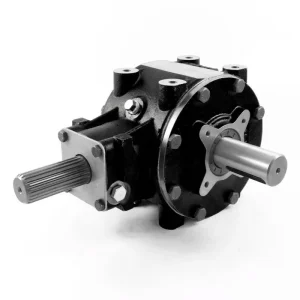
EP-1:3 விகிதம் T304A வட்ட பேலர் கியர்பாக்ஸ், கார்னர் கோட் மாற்று
Two Structural Types — Single Housing vs Integrated Assembly
The most fundamental decision when specifying a round baler gearbox is the structural type. The two categories differ in how power is delivered from the central gear set to the baler frame.
Single-Housing Gearbox
A self-contained unit with one housing, one or two output shafts, and standard mounting flanges. The installer connects the output to the baler's driveshaft on-site. This type is compact, lighter, and suited to mid-range power applications.
Best for: 40–100 hp tractors, standard baler platforms, replacement applications where a fixed-span integrated drive is not required.
Integrated Wide-Span Assembly
A factory-assembled unit combining the central reduction housing with bilateral cross-shaft modules that span the full baler frame width. Alignment is set at the factory — no site alignment required. Suited to high-power, wide-frame commercial balers.
Best for: 80–120+ hp tractors, large variable-chamber and fixed-chamber platforms, OEM integration, and applications where bilateral symmetric output is required to balance frame loading.
How to Select the Right Round Baler Gearbox
Step 1 — Tractor PTO Power
Identify the tractor’s rated PTO output in hp. This sets the gearbox nominal power class. Use the EP2100-T3 or EP250-YJ for 40–80 hp; EP246 for 80–100 hp; EP9-series for 100–120+ hp.
Step 2 — Baler Architecture
Does the baler require a single output shaft or bilateral bilateral simultaneous output? Single-housing models (EP2100-T3, EP246) serve single or dual-output needs; integrated assemblies (EP250-YJ, EP9-series) provide factory-aligned bilateral drive.
Step 3 — Frame Rail Spacing
For integrated assemblies, measure the baler frame rail-to-rail width at the cross-shaft mounting position. Match to: EP9.0 (~1473 mm), EP9.35 (~1353 mm), EP9.0-HL01 (~1672 mm), or specify L1/L2 for the EP250-YJ if none fit.
Step 4 — Shaft End Compatibility
For single-housing units, confirm the output shaft profile matches the baler’s cam shaft interface (ASAE S203.14 1-3/4 Z6, 1-3/8 Z6, rectangular spline, or keyed bore). For integrated assemblies, all models use 8×48×42×8 rectangular spline at the central output.
Step 5 — End Flange Interface
For flanged-end integrated assemblies, verify the end flange OD and bolt pattern: EP9.35 uses Ø210 mm; EP9.0-HL01 uses Ø260 mm (6-bolt, 40°/45°). EP9.0 uses gear-splined stub shafts — no flange. Confirm against the baler’s lateral drive socket specification.
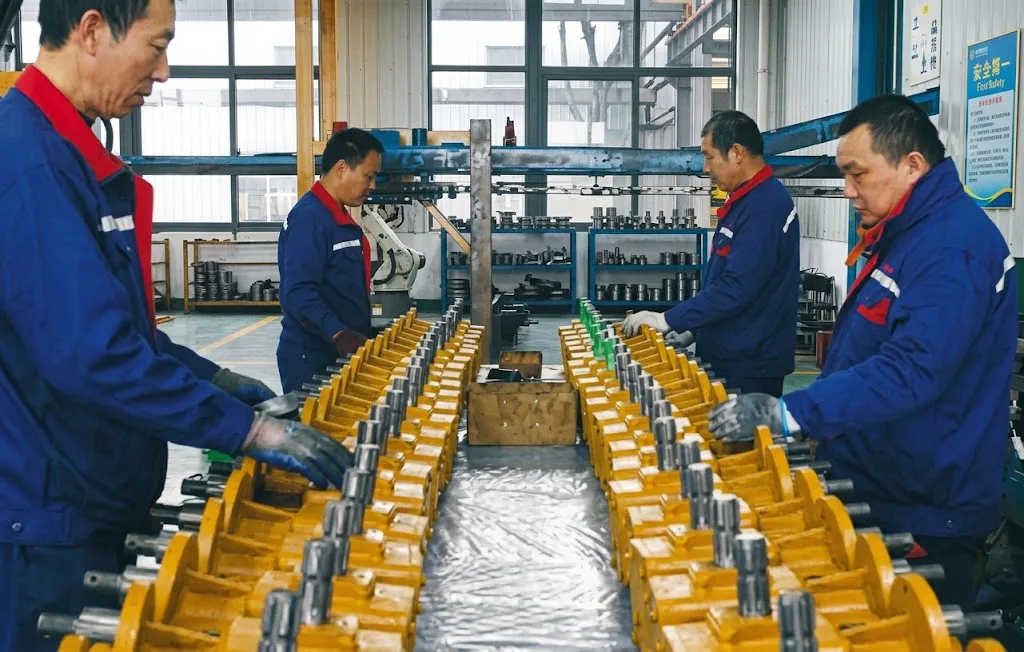
Ready to Specify Your Round Baler Gearbox?
Whether you need a compact single-housing unit, a high-torque bilateral integrated assembly, or a fully configurable custom-span drive — the EP series covers every power class from 80 to 120+ hp with ISO 9001:2015 certified quality and full technical documentation.
The Engineering Behind Every EP Model
Why Gleason Helical Teeth
Progressive Tooth Engagement
Helical contact lines enter and exit mesh gradually across the full tooth face width, spreading the load rather than delivering it as a single-point impulse. At 2000–3000 N·m output torque, this distribution is what keeps contact stress within the fatigue life envelope of the case-hardened alloy steel gear blank.
Shock Absorption
Round baling involves repetitive shock loads — slug ingestion, uneven windrow pick-up, cam ring inertia reversals. Helical tooth geometry absorbs these transients more effectively than straight-cut alternatives, reducing the peak-stress events that initiate tooth root fatigue cracks in lower-quality gear sets.
Lower Operating Noise
Multiple teeth in simultaneous contact produce smoother torque delivery and measurably lower vibration levels than single-tooth-contact straight-cut gears. For operators working 10+ hour baling days, lower driveline vibration reduces operator fatigue and reduces the dynamic loading on the baler frame welds over the machine’s life.