
SQUARE BALER DRIVELINE FAILURE GUIDE
When a Square Baler PTO Shaft breaks close to the baler gearbox, the visible fracture is often the final stage of a longer mechanical problem. The Square Baler PTO Shaft implement end sits directly in front of the gearbox input, so it receives plunger pulses, flywheel-related shock, universal-joint movement, clutch reactions, and any axial force created when the driveline becomes too long for the tractor-baler geometry. A crack near the yoke does not automatically mean the steel was weak. Worn gearbox splines, excessive joint angle, poor lubrication, incorrect phasing, a seized bearing, a binding telescoping section, or a clutch that no longer limits overload can all concentrate stress at this connection. A correctly specified Square Baler PTO Shaft is designed to transmit normal load while allowing angular and telescoping movement, but it cannot compensate indefinitely for a gearbox input running out of alignment or repeated bottoming during turns. This guide explains why failures often appear at the gearbox end, how the driveline is constructed, which material surfaces are affected, and how to inspect the complete baler transmission before installing another replacement shaft.
Why the Gearbox End Sees Concentrated Stress
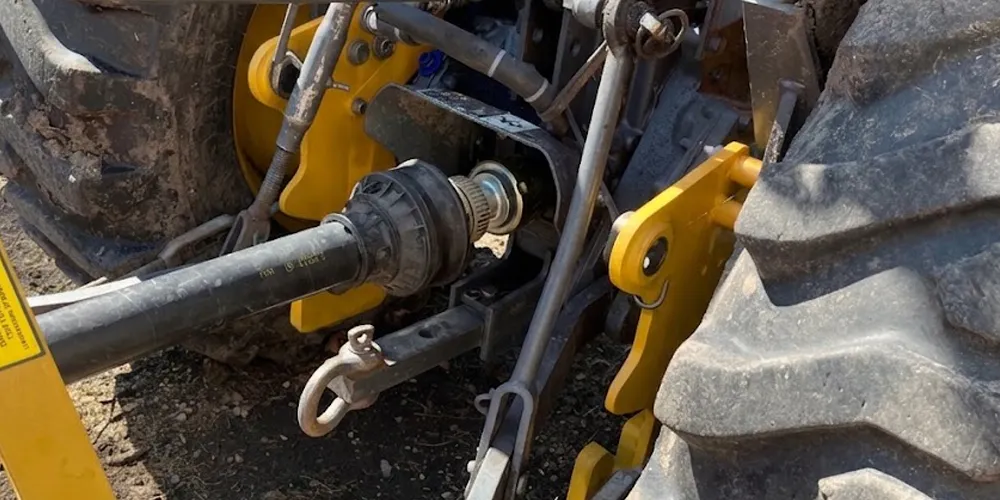
The gearbox end of a Square Baler PTO Shaft is where driveline torque enters the baler’s transmission, so it can experience twisting, bending, and axial load at the same time. The implement yoke changes angle as the tractor and baler move, while the gearbox input bearing controls the position of the mating shaft. If that bearing has radial play, the universal joint must articulate around a moving centerline. If the Square Baler PTO Shaft is too long, the profiles can approach full compression and push axial force into the Square Baler PTO Shaft yoke and gearbox bearings. If the clutch is seized or incorrectly adjusted, shock from a crop plug can pass directly into the connection instead of being limited at the intended protection point. Large square balers also create repeating load pulses as the flywheel and plunger mechanism work through each compression cycle. Those pulses are normal, but they accelerate fatigue when a yoke, spline, joint, or gearbox input is already loose. This is why a Square Baler PTO Shaft can fail in the same area again after replacement if the surrounding geometry or gearbox condition has not been corrected.
Manufacturing Structure at the Implement End
A Square Baler PTO Shaft is a chain of matched load-carrying components. At the tractor end, a spline yoke connects to the PTO stub. Universal or constant-velocity joints accommodate angular movement, while inner and outer profiles telescope as hitch distance changes. At the implement end, another yoke or clutch hub connects the Square Baler PTO Shaft to the baler input. This end may include a friction clutch, shear device, or another approved torque limiter depending on the machine. The Square Baler PTO Shaft cross-and-bearing kit transfers torque through the joint while allowing articulation, and the guard covers rotating parts without carrying drive torque. Manufacturing accuracy is especially important near the implement connection because spline fit, yoke concentricity, bearing-cap seating, and profile alignment all influence local stress. A loose spline can hammer under each plunger pulse, while worn bearing-cap bores can let the cross move away from its intended centerline. Shaft series also matters because yoke section, cross size, bearings, and telescoping profiles are engineered as a system. Replacing one component with a visually similar but different series can create a weak or poorly fitted gearbox-end interface.
Material System and Typical Fracture Locations
The gearbox end combines hardened contact surfaces with components designed to carry cyclic torque and articulation. Yokes are commonly made from forged or high-strength steel so the ears around the universal joint can withstand torsion and bending. Cross journals and bearing races use hardened surfaces because needle rollers carry concentrated contact loads. Telescoping profiles use strong steel sections that transmit torque while sliding axially, while splined yokes depend on accurate tooth contact with the gearbox input or clutch hub. Failure can appear as a cracked yoke ear, broken cross journal, stripped or fretted spline, twisted profile, or fatigue fracture. Heat treatment and material quality are important, but strong parts can still fail when load is concentrated abnormally. A dry universal joint can become stiff and force the Square Baler PTO Shaft to bend through the yoke rather than articulate smoothly. A worn spline reduces contact area and increases impact loading. A gearbox bearing with play can make the implement yoke run eccentrically. Before blaming material strength, inspect how the Square Baler PTO Shaft has been loaded, aligned, lubricated, and restrained through the operating range.
Common Gearbox-End Failure Patterns
The appearance of a damaged Square Baler PTO Shaft can narrow the inspection. A yoke ear broken beside a bearing cap may indicate a seized cross kit, excessive angle, or severe shock load. Reddish spline debris can indicate fretting between the yoke and gearbox input. A twisted profile points toward a high torque event, while repeated guard or cone damage can indicate contact or near-bottoming. A joint that runs hot with little visible free play may be binding internally because of damaged needle rollers or poor lubrication. Cracking that returns after replacement should raise suspicion about gearbox input bearings, shaft alignment, clutch condition, and hitch geometry. The table below is a diagnostic starting point rather than a substitute for the baler service procedure. Treat the Square Baler PTO Shaft and gearbox as one load path before another driveline is installed.
| Failure Sign | Possible Cause | Priority Check |
|---|---|---|
| Broken yoke ear | Joint seizure, angle, shock load | Cross kit, angle, overload device |
| Spline fretting | Loose or worn gearbox interface | Input spline and bearing play |
| Twisted profile | Severe torque overload | Clutch, blockage, shaft category |
| Repeated cone damage | Contact or bottoming | Working length and clearance |
Bottoming, Misalignment, and Gearbox Bearing Play
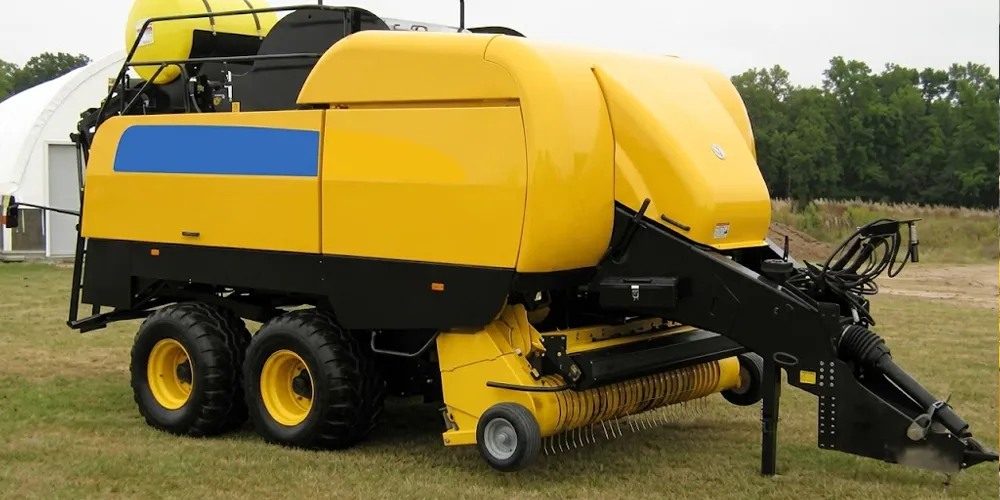
Two conditions deserve special attention when a Square Baler PTO Shaft repeatedly fails near the gearbox: bottoming and input-shaft misalignment. Bottoming occurs when the telescoping profiles run out of compression travel as the tractor and baler move closer together. Instead of sliding farther, the Square Baler PTO Shaft begins pushing along its axis, loading yokes, cross bearings, the gearbox input bearing, and potentially the tractor PTO support. A driveline can have acceptable length in straight travel yet approach full compression during a tight turn or while crossing uneven ground. Misalignment creates another stress path. If the gearbox input bearing is worn, the input shaft can move radially while the PTO driveline tries to rotate around a fixed centerline. The implement-end joint then works with a changing angle and may develop heat, vibration, or fatigue around one yoke. Check gearbox input play before fitting a new Square Baler PTO Shaft and inspect mounting bolts or housings for looseness. Verify minimum and maximum working length through representative hitch positions with the PTO disengaged. Correct geometry gives the driveline room to telescope and keeps the gearbox connection aligned.
Overload Protection and Shock Transfer into the Gearbox
A large square baler creates repeating torque peaks during normal operation, and crop plugs or mechanical blockages can create much larger transient loads. The overload device in a Square Baler PTO Shaft is intended to control those events before they damage the shaft or gearbox. A friction clutch limits transmitted torque by slipping, while a shear device interrupts the power path when its specified fastener breaks. Other approved systems may disconnect or limit torque differently. Problems develop when the protection device is seized, set above the machine requirement, assembled incorrectly, or replaced with a non-equivalent component. The gearbox-end yoke can then receive nearly the full shock from a stalled baler mechanism. Repeated impacts can damage cross bearings, splines, yoke ears, and input bearings even when the Square Baler PTO Shaft is correctly sized. A clutch that slips repeatedly should not simply be tightened until it stops. Investigate crop blockage, flywheel resistance, gearbox condition, and machine timing first. After a major overload, inspect the Square Baler PTO Shaft for twist, joint play, heat marks, and spline damage. The overload system and driveline should be treated as one protection package.
A Practical Diagnostic Sequence Before Replacing the Shaft
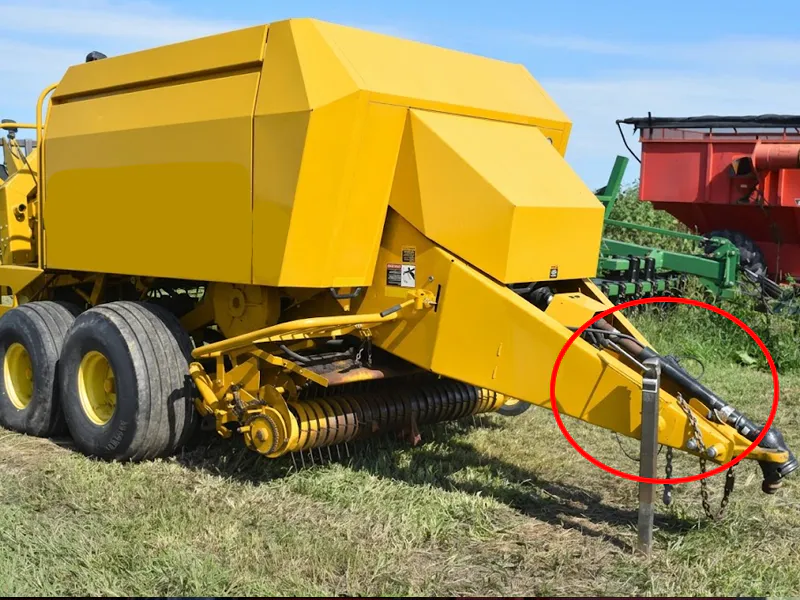
When the implement end has failed, begin with the tractor shut down, key removed, baler secured, and all stored motion stopped. Clean the damaged Square Baler PTO Shaft and photograph the fracture before separating components. Identify whether failure occurred in the yoke ear, cross, spline, profile, clutch hub, or guard area. Inspect the gearbox input for radial and axial play, rough rotation, oil leakage, and damaged splines. Examine the universal joint for dry caps, missing grease, discoloration, seizure, or bearing clearance. Check the telescoping profiles for twist and verify that they slide freely. Confirm yoke phasing and compare shaft length with the shortest and longest tractor-baler positions. Inspect the overload device by the machine procedure and look for signs that an earlier adjustment altered its protective setting. Rotate the baler input only by the approved service method and feel for unusual resistance farther into the machine. If the gearbox input is loose or the baler mechanism is binding, repair that condition before fitting another Square Baler PTO Shaft. Replacing the Square Baler PTO Shaft without finding the original load path is a common reason the same failure returns.
Product References for High-Load Square Baler Drivelines
The permitted product references show why gearbox-end diagnosis must consider the exact Square Baler PTO Shaft configuration. The EP-PTO-as voor New Holland BigBaler vierkante balenpersen 330 & 340 is listed as a CAT5 family with 540 rpm and 1000 rpm configurations and multiple tractor spline interfaces. Its double-cross-joint and telescoping arrangement reflects the changing length and shock loads of large square balers. The EP-Square Baler PTO Shaft for John Deere range includes CAT5 and CAT6 configurations plus CV options. These examples should not be mixed by appearance alone. Match baler model, PTO speed, spline, series, working length, joint layout, and overload protection, and inspect the gearbox input before selecting a replacement.
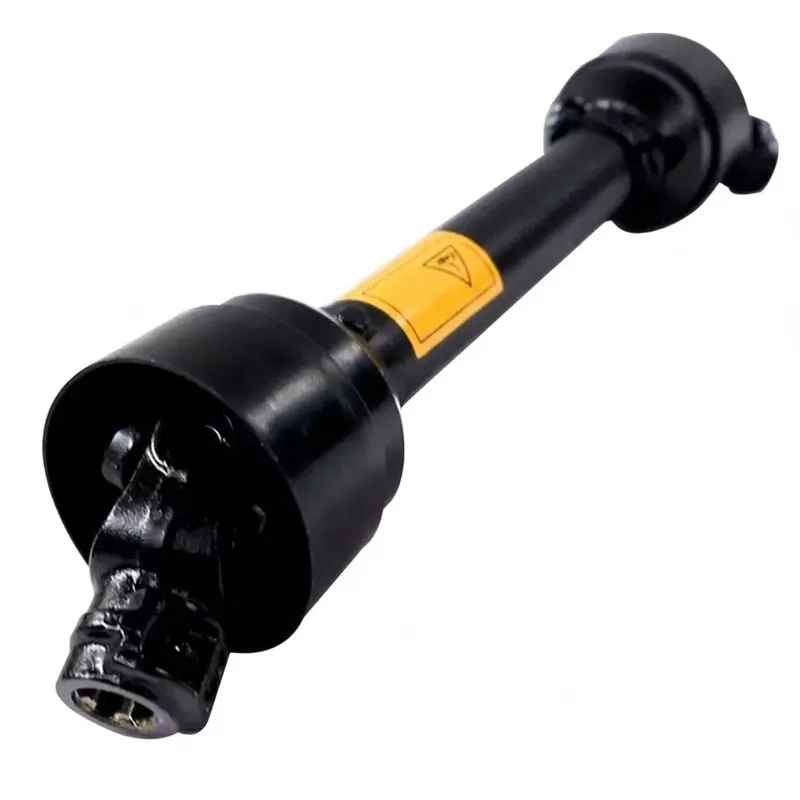
New Holland BigBaler 330 & 340CAT5 Square Baler PTO Shaft reference for 540 rpm and 1000 rpm configurations. |
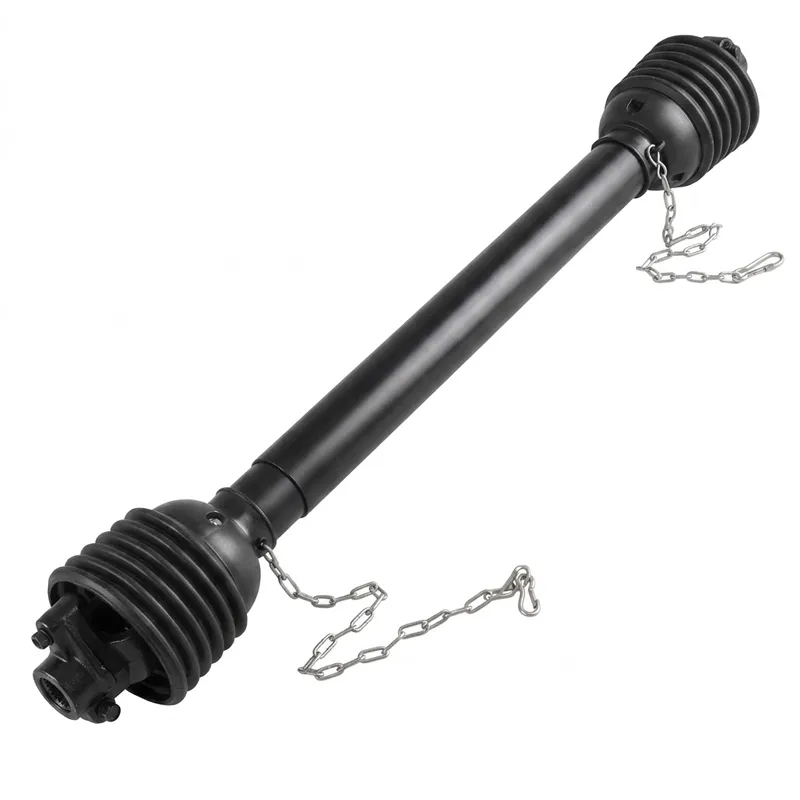
John Deere Square Baler RangeCAT5 and CAT6 Square Baler PTO Shaft references include CV assembly options. |
Manufacturing and Transmission Support
Our production scope includes agricultural gearboxes, worm gear reducers, planetary gear drives, PTO driveline assemblies, hydraulic cylinders, gears, chains, motors, and related transmission components. Manufacturing operates under an ISO 9001:2015 quality system covering machining, assembly, and inspection. Gearbox housings can use ductile iron, cast iron, cast steel, precision cast steel, and cast aluminum, while machining capabilities include gears, sprockets, worm gears, pulleys, worms, shafts, and non-standard parts. This background matters when a Square Baler PTO Shaft breaks at the gearbox end because the input bearing, spline, clutch, yoke, and shaft share one load path. Reviewing the Square Baler PTO Shaft and gearbox together helps determine whether repair should involve a cross kit, yoke, complete driveline, input-bearing repair, or correction of hitch geometry rather than replacing the visible failed part alone.
Related Driveline Products
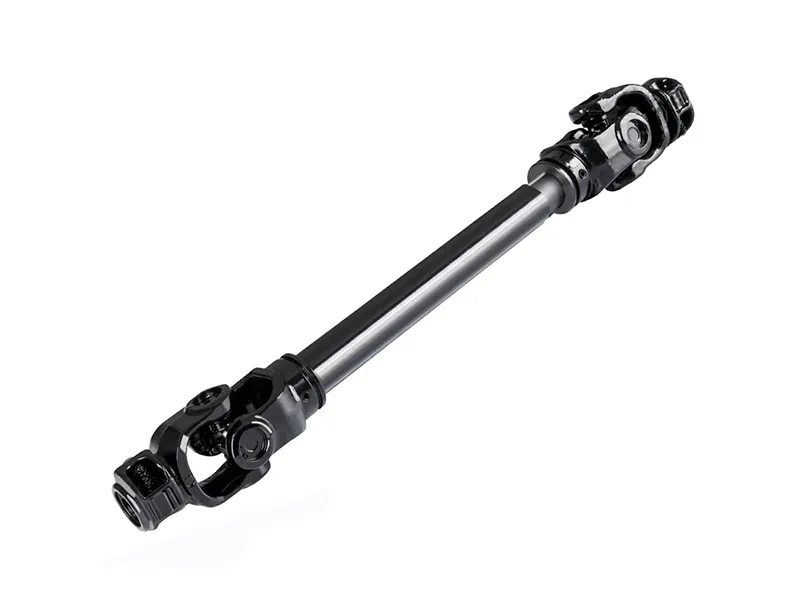
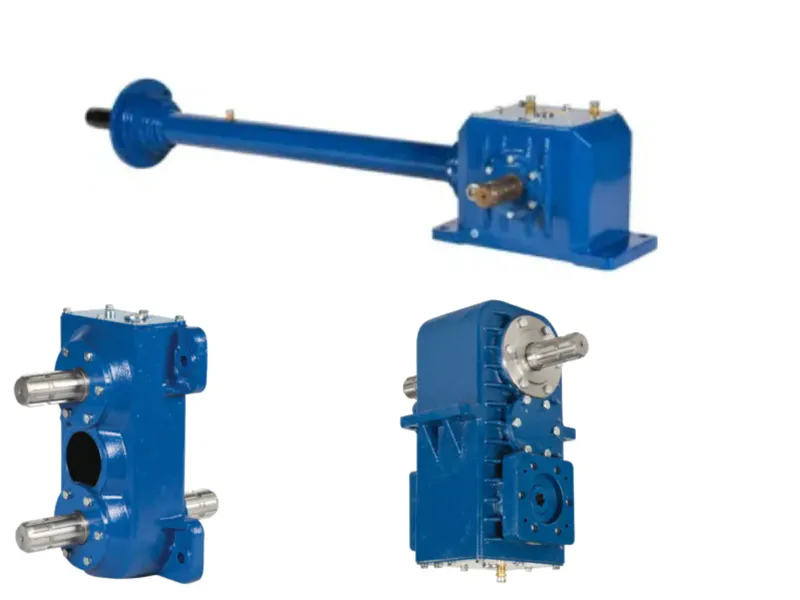
The components connected to a Square Baler PTO Shaft should be reviewed together when failure occurs near the gearbox. A Universele aftakas-aandrijfas can support other agricultural equipment when its series, spline, working length, guarding, and overload protection match the implement. A compatible Square Baler Gearbox belongs to the same power path and deserves inspection when the shaft fails at its input connection. Coordinated sourcing is useful when spline wear, bearing play, and yoke damage occur together because replacing only the driveline may leave the original fault untouched. Recording the confirmed Square Baler PTO Shaft series, PTO speed, spline, working length, clutch type, and gearbox interface helps workshops compare future wear against a known configuration. A properly matched Square Baler PTO Shaft and gearbox connection should operate as one controlled transmission system.
Universele aftakas-aandrijfas
|
Square Baler Gearbox
|
Redacteur: PXY