
ROUND BALER DRIVELINE KNOWLEDGE GUIDE
Overload protection is one of the most important functions built into a Round Baler PTO Shaft because baling loads are not perfectly steady. Crop density changes across a windrow, pickup components can encounter plugs, chamber resistance rises as the bale forms, and a sudden blockage can create a torque spike far above normal running load. A properly selected Round Baler PTO Shaft therefore does more than connect the tractor PTO to the baler input. It works with a friction clutch, cutout clutch, shear device, or another approved torque-limiting system so excessive load can be controlled before driveline parts, the baler gearbox, or tractor-side components absorb the full shock. The protection device must match the machine rather than being adjusted by guesswork. This guide explains how overload systems work, how the driveline is constructed, which materials are used, what warning signs matter in the field, and how operators can distinguish a protection event from an underlying mechanical fault. The discussion is intended for farms, contractors, workshops, and equipment service teams working with round balers in different crop and climate conditions around the world.
Why a Round Baler PTO Shaft Needs Torque Limiting
A Round Baler PTO Shaft can see very different torque conditions during one field pass. Normal pickup and bale formation create a repeating working load, but a heavy slug of damp hay, crop wrapped around a rotor, a stalled pickup, or a chamber mechanism that cannot move freely can raise resistance almost instantly. Without suitable overload protection, that short event can twist telescoping members, damage universal joints, overload splines, or pass a damaging shock into the baler input assembly. The protection device creates a controlled weak point or controlled slip point in the driveline. A friction clutch limits torque while allowing some power transmission during slip. A cutout clutch interrupts the power path when its calibrated threshold is exceeded and is designed to re-engage only under the specified conditions. A shear-bolt device disconnects drive by breaking a sacrificial fastener. These systems behave differently, so the protection fitted to a Round Baler PTO Shaft should follow the machine specification. Replacing a clutch with another type simply because it fits the spline can change how overload energy is handled and may move the failure point deeper into the baler.
Round Baler PTO Shaft Manufacturing Structure
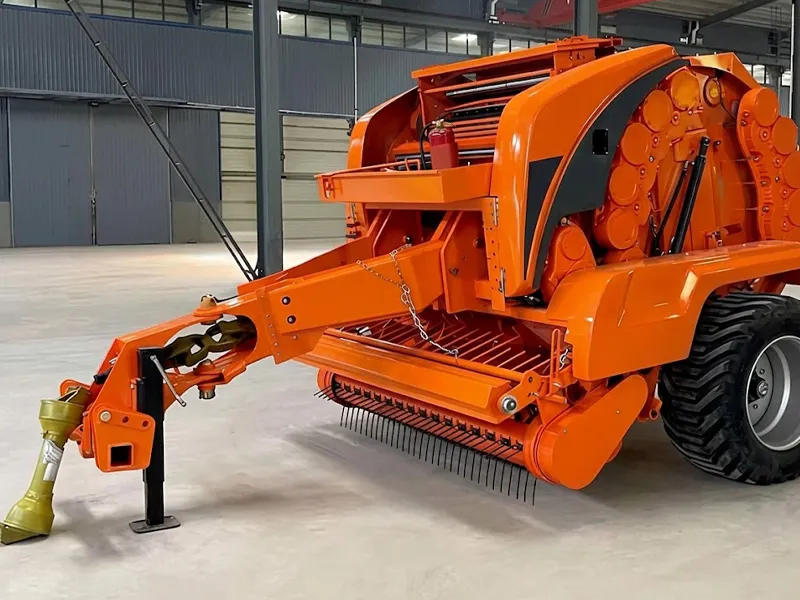
The structure of a Round Baler PTO Shaft combines several jobs in one assembly. A spline yoke connects to the tractor PTO, while universal joints or a constant-velocity joint accommodate the changing angle between tractor and baler. Inner and outer profile tubes telescope as hitch geometry changes, and guards cover the rotating members. At the implement end, the driveline may carry a friction clutch, cutout clutch, shear mechanism, or another specified protection unit before torque reaches the baler input. The clutch is not an independent accessory. Its setting must suit shaft category, spline interface, working speed, and machine load. Yoke alignment, tube engagement, cross-kit condition, bearing movement, shield clearance, and lubrication all influence how smoothly torque reaches the protection device. If a telescoping section binds or a joint runs at an excessive angle, abnormal resistance can appear before the baler itself is overloaded. Good Round Baler PTO Shaft manufacture therefore depends on accurate profiles, consistent spline fit, sound forged or welded transitions, correct joint assembly, and proper integration of the overload device with the complete driveline.
Round Baler PTO Shaft Materials and Wear Surfaces
The material system in a Round Baler PTO Shaft is chosen for torsional strength, fatigue resistance, wear control, and serviceability. Yokes and other highly loaded connection parts are commonly made from forged or high-strength steel because they experience repeated torque changes and bending around the universal joint. Telescoping profiles need sufficient strength to transmit working load while maintaining a controlled sliding fit. Cross kits use hardened bearing surfaces and needle rollers to support oscillating joint motion. Friction clutches introduce steel pressure members, friction linings, and springs that create a repeatable slip response during short overloads. Cutout mechanisms use hardened contact parts, springs, and shaped engagement surfaces so power can be interrupted at a defined load instead of relying on uncontrolled deformation. Guard tubes are polymer components because their role is separation rather than torque transmission. Material condition matters as much as material selection: rusted clutch faces, contaminated linings, weakened springs, worn splines, or dry joints can change how a Round Baler PTO Shaft behaves even when the assembly still appears complete from the outside.
Round Baler PTO Shaft Protection: Friction, Cutout, and Shear Systems
Different overload devices protect a Round Baler PTO Shaft in different ways, and the choice affects what the operator sees when a blockage occurs. A friction clutch begins to slip when transmitted torque exceeds its calibrated range. Power is reduced rather than instantly removed, and the slipping surfaces convert some of the excess energy into heat. That behavior can be useful for short torque peaks, but prolonged slip is not normal operating practice. A cutout clutch interrupts the power path once its set threshold is exceeded. Depending on design, drive is restored only after the PTO is disengaged or speed falls to the specified re-engagement condition. A shear-bolt device uses a fastener designed to fail before more expensive driveline components are overloaded. Once the bolt shears, power stops until the correct replacement bolt is installed. An overrunning clutch serves a different purpose: it allows rotating implement inertia to coast without driving back through the tractor, so it should not automatically be treated as the overload limiter for a Round Baler PTO Shaft. The machine manual and original driveline specification should determine which protection system belongs on a particular baler.
| Protection Type | Response to Overload | Operator Check |
|---|---|---|
| Friction clutch | Limits torque by controlled slip | Check friction condition, spring setting, heat signs, and service procedure |
| Cutout clutch | Interrupts power when set torque is exceeded | Clear the blockage and follow the specified re-engagement sequence |
| Shear device | Sacrificial fastener breaks and stops drive | Use only the specified bolt dimensions and strength grade |
| Overrunning clutch | Allows implement inertia to freewheel | Do not assume it replaces a torque limiter |
Round Baler PTO Shaft Overload Events in the Field
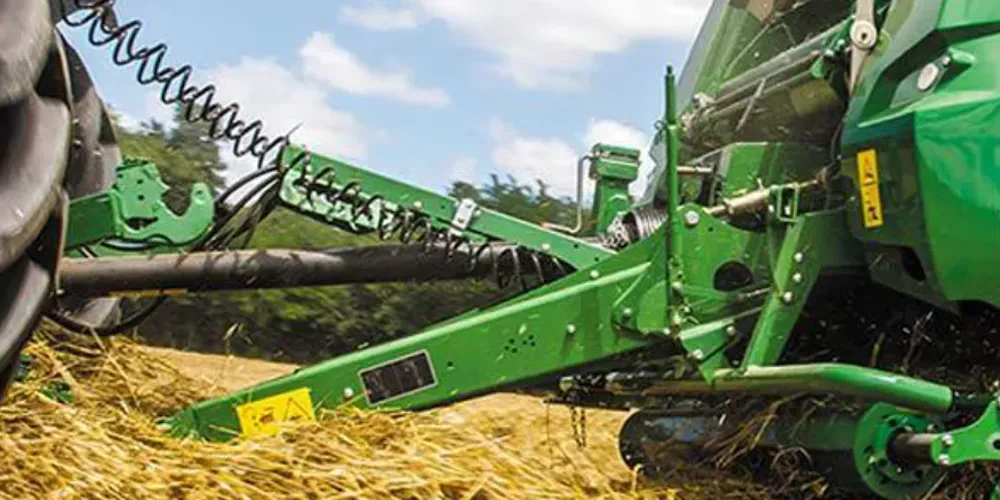
A protection event on a Round Baler PTO Shaft should be treated as information, not as a reason to increase the clutch setting until the machine keeps running. With a friction clutch, operators may notice a temporary loss of baler speed, the sound of slip, heat around the clutch area, or a brief smell from hot friction material. A cutout clutch may produce an audible disengagement and a sudden stop in power transmission. A shear device stops drive after its sacrificial fastener fails. The correct response is to disengage the PTO, shut the tractor down, wait for all motion to stop, and find the cause of the overload before restarting. Common causes include dense crop plugs, foreign material, wrapped crop, a seized bearing, a blocked rotor, restricted pickup movement, or a mechanical component that no longer turns freely. Repeated overload events on the same Round Baler PTO Shaft are especially important. If the baler is clear and the clutch still activates too often, the driveline angle, lubrication, clutch condition, shaft length, machine timing, gearbox condition, and crop operating setup should be checked rather than assuming the torque limiter itself is defective.
Round Baler PTO Shaft Inspection Before the Baling Season
Seasonal inspection helps overload protection work as intended instead of becoming a hidden failure point. Begin with the tractor shut down, the key removed, and the Round Baler PTO Shaft disconnected where the service procedure requires it. Check the clutch housing, yokes, spline interfaces, fasteners, universal joints, guard supports, and telescoping profiles for corrosion, distortion, looseness, or impact damage. A friction clutch that has been stored for a long period may need the manufacturer-specified release or run-in procedure because friction surfaces can stick together. Do not change spring compression simply to make the clutch stop slipping, because that changes the torque limit. For a shear device, keep the specified replacement bolt type available; installing a harder or larger bolt can move the failure point into the Round Baler PTO Shaft or baler gearbox. Lubricate the shaft at the points and intervals given for the particular driveline. Confirm that telescoping members move freely and maintain adequate engagement through hitch movement. Inspect the baler input for play or binding as well. Overload protection is reliable only when the clutch and the mechanical system around it are both in serviceable condition.
If the protection device activates repeatedly, stop and investigate the machine. Raising the torque setting without verified specifications can remove the intended protection from the Round Baler PTO Shaft.
Manufacturing and Component Support
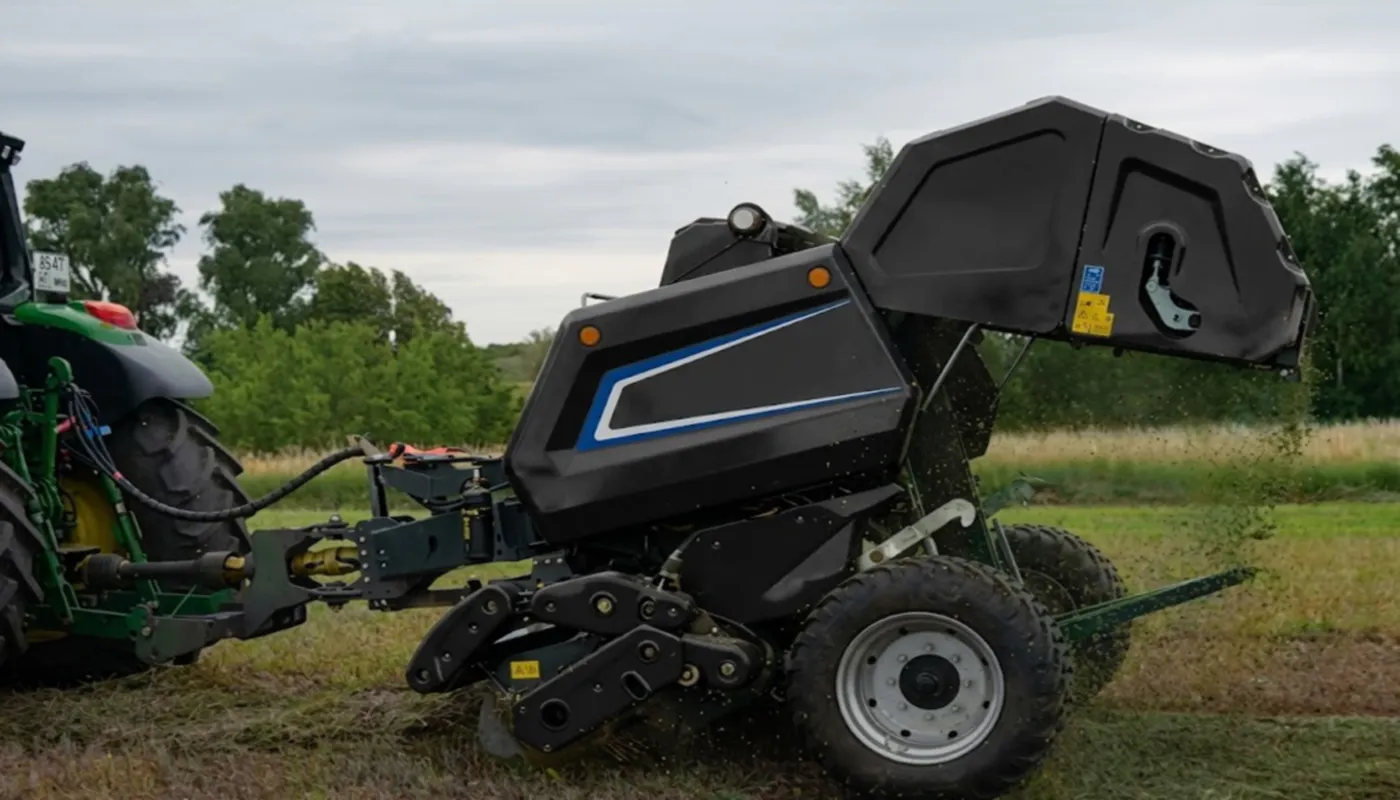
Our production range includes agricultural gearboxes, worm gear reducers, planetary gear drives, PTO drivelines, hydraulic cylinders, gears, chains, motors, and related transmission parts. Manufacturing is managed under an ISO 9001:2015 quality system, with dimensional and process checks through machining, assembly, and inspection. Gearbox housings and structural components can be produced from ductile iron, cast iron, cast steel, precision cast steel, and cast aluminum. Machining capability also covers gears, sprockets, worm gears, pulleys, worms, shafts, and standard or non-standard mechanical parts. This broader manufacturing scope is useful when a Round Baler PTO Shaft overload problem involves more than the shaft. A worn baler input, damaged gearbox interface, incorrect yoke, or poorly matched clutch can change the behavior of the entire driveline. Reviewing mating components together helps confirm that the Round Baler PTO Shaft, clutch, input shaft, and transmission parts operate as one controlled mechanical system instead of shifting overload stress from one component to another.
Vanliga frågor
Q1. How should Midwest hay contractors respond when a round baler clutch repeatedly slips?
A1. Stop the tractor and inspect for crop plugs, seized parts, or driveline binding. Do not increase clutch compression unless the specified Round Baler PTO Shaft procedure requires it.
Q2. What overload protection should European silage operators check before the harvest season?
A2. Check clutch type, friction or engagement parts, springs, spline fit, lubrication, and telescoping movement. The Round Baler PTO Shaft should retain the protection system specified for that baler.
Q3. Which clutch warning signs matter most for Australian round baler operators?
A3. Frequent slip, unusual heat, burnt friction smell, corrosion, or inconsistent engagement deserve inspection. Clean the Round Baler PTO Shaft clutch area before judging its condition.
Q4. Where should Canadian farm workshops look after a baler shear device activates?
A4. Inspect the pickup, rotor, chamber drive, gearbox input, joints, and telescoping sections for binding. Use only the specified fastener so Round Baler PTO Shaft protection remains effective.
Q5. When should South American contractors replace a complete overload-protected PTO driveline?
A5. Replace the assembly when clutch faults occur with bent profiles, worn splines, loose joints, severe corrosion, or incorrect length. A Round Baler PTO Shaft needs correct geometry and protection.
Redaktör: PXY