
DC-motorserien — Komplett guide
Presenningsmotor
Kontakta oss
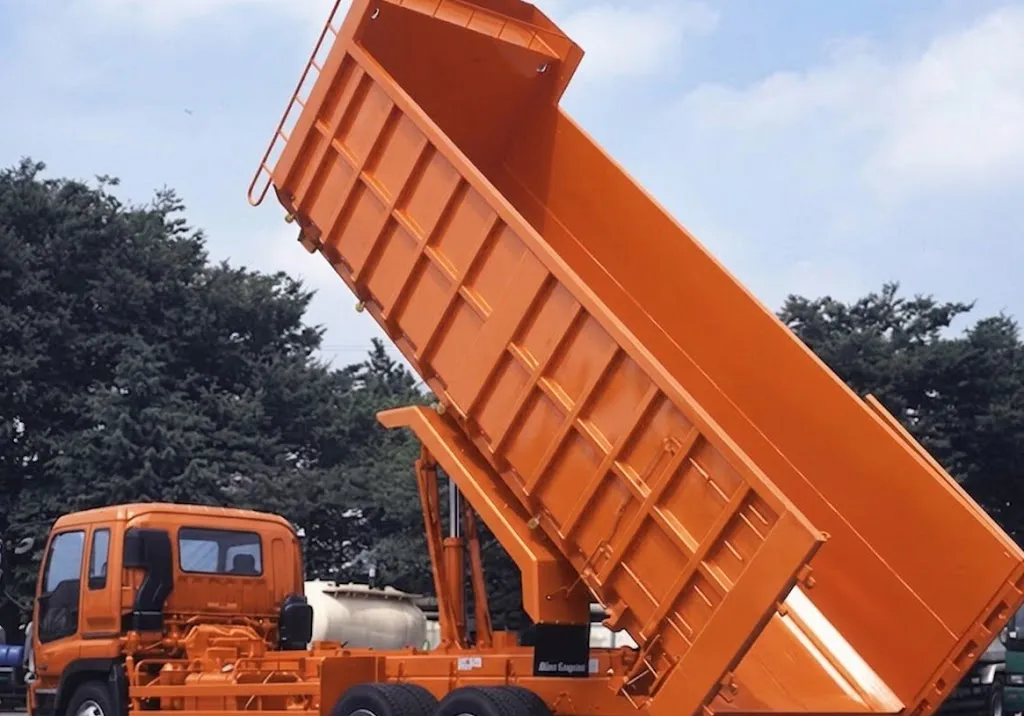
En presenningsmotor — ofta kallad presenningsmotor — är en specialbyggd likströmsmotor som är utformad för att driva de automatiserade presenningssystem som är monterade på dumprar, tippvagnar och bulktransportfordon. Istället för att manuellt fälla ut en tung duk eller syntetisk presenning över ett öppet lastflak, driver presenningsmotorn en mekanisk utrullnings- eller svängarmsmekanism från fordonshytten, som fäller ut eller in skyddet med en knapptryckning.
Det som skiljer en presenningsmotor från en universallikströmsmotor är dess tillämpningsspecifika konstruktion: den måste tolerera höga startmomentkrav, intermittenta driftscykler anpassade för att täcka aktiveringsmönster, skydd mot regn och damm utomhus, och i många fall multispänningskompatibilitet för att passa ett brett utbud av lastbilselsystem. Resultatet är en motor som ser bedrägligt enkel ut men är exakt inställd för den unika belastningsprofilen hos presenningssystem för kommersiella fordon.
På marknader som Australien, Storbritannien, Nordamerika, Nederländerna och Sydkorea kräver vägregler i allt högre grad täckta laster för transport av ballast, jord och rivningsavfall. Denna regleringspress – i kombination med förarens bekvämlighet och fördelar med lastskydd – har gjort den elektriska presenningsmotorn till standardutrustning på moderna kommersiella dumprar snarare än en valfri uppgradering.
Typer av presenningsmotorer
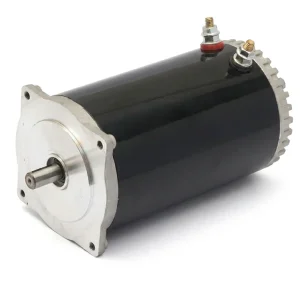
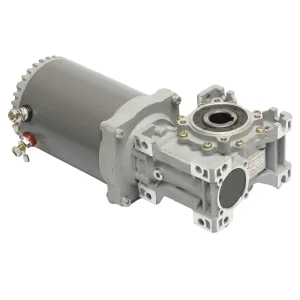
Jämförelse av kompletta specifikationer
Tabellen nedan visar en sida-vid-sida-vy av alla fyra presenningsmotorkonfigurationer, vilket gör det enkelt att identifiera rätt modell för din applikation baserat på effekt, vridmoment, arbetscykel och skyddsnivå.
| Parameter | 600W 24V | 900W 24V | 900W 24V + Reducerare | 1200W 24V |
|---|---|---|---|---|
| Nominell spänning | 24V | 24V | 24V | 24V |
| Nominell effekt | 600W | 900W | 900W | 1200W |
| Nominell ström | 30A | 45A | 45A | 50A |
| Nominellt vridmoment | 1,5 Nm | 4 Nm | 4 N·m (+ reduktion) | 5 Nm |
| Driftscykel | S2 1min–10%ED | S2 3min–30%ED | S2 3min–30%ED | S2 3min–30%ED |
| Isoleringsklass | Klass F | Klass F | Klass F | Klass F |
| IP-klassificering | IP54 | IP67 | IP67 | IP67 |
| Alternativa spänningar | 12V / 900W | 12V/48V/60V/72V | 12V | 12V/48V/60V/72V |
| Integrerad reducerare | Inga | Inga | Ja (masktyp) | Inga |
| Bäst för | Lätta fordon, korta omslag | Standarddumprar | Breda/tunga överdrag | Storkropp, kallt klimat |
① Strömingång
Likspänning från lastbilsbatteriet (12V, 24V, 48V eller högre) matas till motorterminalerna via en hyttmonterad brytare eller magnetreläbox.
② Elektromagnetisk omvandling
Strömmen genom ankarlindningen skapar ett roterande magnetfält. De permanenta statormagneterna utövar kraft på detta fält och roterar ankaraxeln.
③ Reduktionsväxel (om sådan finns)
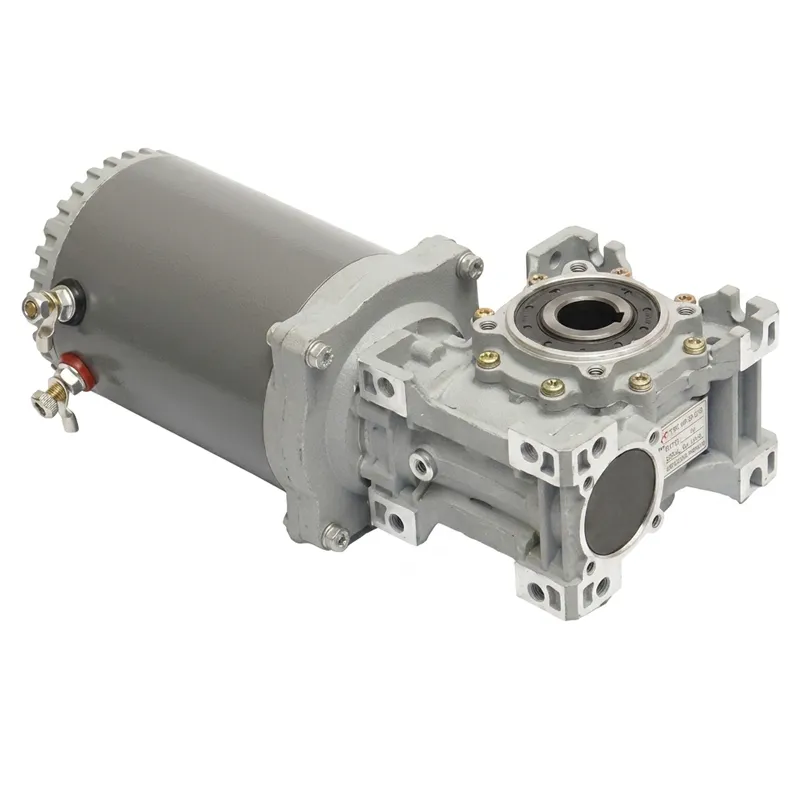
En integrerad snäckväxel som tillval multiplicerar utgångsmomentet och minskar axelhastigheten – viktigt för breda eller tunga presenningar som kräver mer dragkraft vid drivpunkten.
④ Presenningaktivering
Utgångsaxeln driver presenningsrullröret eller vevarmen, vilket förflyttar skyddet över lastkroppen. Omvänd strömpolaritet från hytten skickas skyddet tillbaka i motsatt riktning.
Hitta rätt presenningsmotor för ditt fordon
Oavsett om du byter ut en trasig enhet, uppgraderar ett befintligt presenningssystem eller specificerar motorer för en nybyggd flotta – kan vårt teknikteam hjälpa till att bekräfta rätt spänning, vridmoment och monteringskonfiguration för din applikation. Skicka oss dina fordonsuppgifter och presenningens dimensioner, så rekommenderar vi rätt modell från sortimentet.
Permanenta magneter (stator)
Sintrade neodym-järn-bor (NdFeB)-magneter fästa inuti statorhuset skapar det statiska magnetfält som ankaret roterar mot. NdFeB-kvalitet bibehåller flödestätheten över tiotusentals start-stopp-cykler utan mätbar avmagnetisering – en betydande fördel jämfört med ferritmagneter av lägre kvalitet som används i budgetalternativ.
Ankarlindning
Precisionslindade emaljerade koppartrådsspolar monterade på den roterande ankarkärnan. Trådkvaliteten – vanligtvis klass F för presenningsmotorer av hög kvalitet – definierar den maximala temperatur som lindningen kan tolerera (155 °C för klass F) innan risken för isoleringsbrott ökar.
Kommutator och borstar
Kommutatorn är en segmenterad kopparring på ankaraxeln. Kolborstar trycker mot den, transporterar ström in i det roterande ankaret och växlar vilken spole som tar emot ström när axeln roterar. Borstarnas skick är den primära underhållsåtgärden i en borstad DC-presenningsmotor – regelbunden inspektion och utbyte vid slitage förlänger motorns livslängd avsevärt.
Motorhus (skal)
Pressgjuten aluminiumlegering i de flesta presenningsmotorer av hög kvalitet – vald för sin styrka, korrosionsbeständighet och värmeledningsförmåga. Höljet har IP-klassning (IP54 eller IP67 beroende på modell), vilket är en praktisk indikator på hur väl motorn är skyddad från vatten och damm som kontinuerligt genereras i dumprar.
Utgående axel och lager
En axel av medelstarkt kolstål, härdad och slipad till exakta dimensionstoleranser, överför vridmoment till presenningsdrivmekanismen. Spårkullager i varje ände av axeln bär kombinerade radiella och axiella belastningar, tätade mot inträngning av kontaminering.
Viktiga komponenter i en presenningsmotor
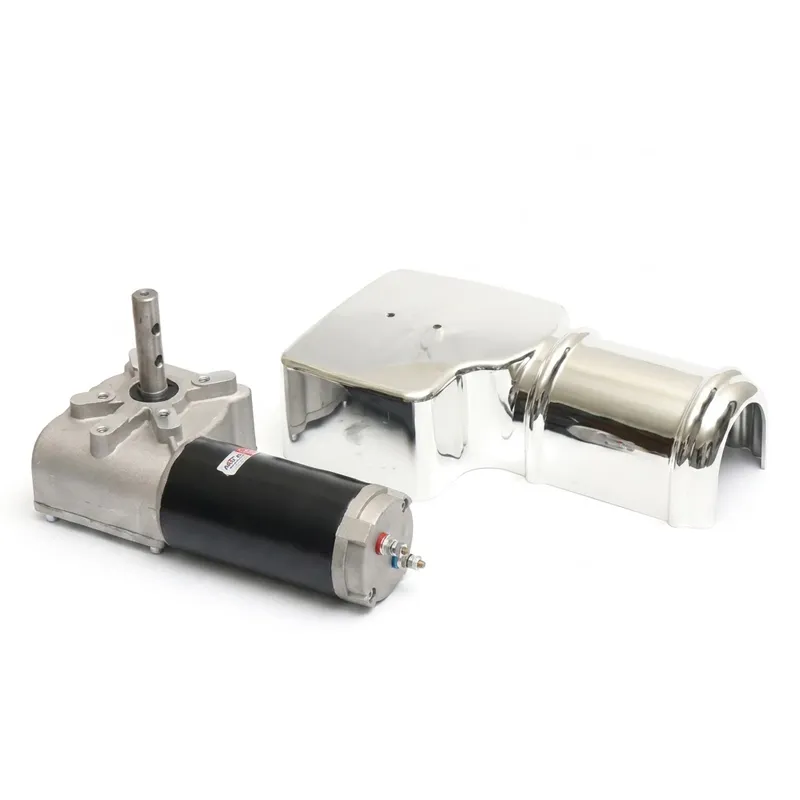
Integrerad reducerare (valfritt)
Vissa presenningsmotormodeller har en snäckväxel med reducerväxel inuti samma hölje. Snäckaxeln är av härdat stål; snäckhjulet är vanligtvis av fosforbrons, valt för sina självsmörjande egenskaper och kompatibilitet med stål under gränssmörjningsförhållanden inuti ett slutet växellådskavitet.
★★★★★
Viktiga Installations- och Underhållsföreskrifter
En presenningsmotor är bara så tillförlitlig som dess installation. Fel som görs i monteringsskedet – för små kablar, lösa terminalanslutningar eller felaktig axeluppriktning – är de vanligaste orsakerna till tidigt motorfel, och nästan alla kan förebyggas med några enkla kontroller under installationen och regelbunden inspektion under service.
Kabeltjockleken är viktig
Kabeln som går från solenoidreläet till motorterminalerna måste vara klassad för motorns fullastström – 45 A för 900 W-modellen, 50 A för 1200 W-modellen. En för liten kabel skapar resistans, värme och spänningsfall som minskar vridmomentet och accelererar terminalkorrosion. Använd den kortaste praktiska kabellängden och kontrollera att alla anslutningar är åtdragna, rena och skyddade från vibrationsinducerad utmattning.
Respektera arbetscykeln
S2-klassificeringen visar exakt hur länge du kan köra motorn med full belastning under en given period. Att köra motorn längre än den nominella drifttiden – till exempel upprepade gånger öppna och stänga för att felsöka ett problem med drivmekanismen – genererar lindningstemperaturer som försämrar isoleringen och förkortar borstarnas livslängd. Om locket inte rör sig ordentligt, diagnostisera det mekaniska systemet innan du kör motorn vidare.
Årlig borstinspektion
Borstar i en väl underhållen presenningsmotor bör hålla i flera år vid normal driftcykel, men årlig visuell inspektion är god praxis – särskilt för tillämpningar med hög cyklisk användning, som kommunalt avfallshantering. Byt ut borstarna när de är slitna till minimilängdsmärket; att fortsätta använda slitna borstar böjer kommutatorytan och ökar utbyteskostnaden avsevärt.
Kontrollera axeljusteringen
Feljustering mellan motorns utgående axel och presenningens drivingång ökar lagerbelastningen, accelererar slitage och genererar vibrationer som lossar monteringsbultar med tiden. När du installerar en ersättningsmotor, kontrollera att axelns centrumlinje matchar drivmekanismens centrumlinje innan du drar åt monteringsflänsbultarna. En liten feljustering som knappt syns för ögat kan halvera lagrets livslängd.
Hur man väljer rätt presenningsmotor
Genom att välja en presenningsmotor som är korrekt anpassad till tillämpningen undviks de två vanligaste felscenarierna: en för liten motor som stannar och brinner ut under presenningsbelastning, eller en överdimensionerad motor som slösar bort installationsutrymme och elektrisk kapacitet utan att ge någon verklig fördel. Gå igenom dessa fem urvalskriterier i ordning:
Matcha matningsspänningen
Identifiera din lastbils batterispänning före allt annat. De flesta kommersiella dumprar kör 24V-system; vissa lättare fordon använder 12V. Felaktig spänning – även om en 24V-motor körs på 12V – minskar vridmomentet dramatiskt och kan orsaka oregelbundet beteende. Vårt sortiment täcker konfigurationer i 12V, 24V, 48V, 60V och 72V.
Uppskatta det erforderliga vridmomentet
Presenningens bredd, vikt och drivarmens eller rullens mekaniska fördel påverkar alla hur mycket vridmoment motorn behöver leverera. Ett smalt och lättviktigt skydd på en liten tippbil kan fungera bra med 1,5 N·m. Ett brett, tungt presenningsskydd på en stor aggregatlastbil kan behöva 4–5 N·m – eller den växlade versionen av samma motor för att mångdubbla tillgängligt vridmoment.
Bedöm driftsmiljön
IP54-skyddet täcker regnstänk och kraftigt damm – tillräckligt för de flesta motormonteringspositioner skyddade från hytten. Om motorn kommer att utsättas helt för direkta vattenstrålar under fordonstvätt, eller är monterad under karossen där hjulen stänker direkt, välj IP67. Kustoperatörer och de som arbetar i konsekvent våta klimat (Storbritannien, Nya Zeeland, Queensland) bör alltid specificera IP67.
Kontrollera fysisk kondition
Motorns ytterdiameter, totallängd, flänsbultmönster och utgående axeldiameter avgör alla om motorn fysiskt passar i det befintliga monteringsfästet och ansluter till presenningsdrivmekanismen utan tillverkning. För direkta utbytesjobb måste dessa mått matcha den befintliga enheten. För nya installationer, bekräfta att drivmekanismens axelborrning matchar motorns utgående axeldiameter.
Behöver du en integrerad reducerare?
Om presenningens drivmekanism har en egen växellåda är en ren motor rätt val. Om drivsystemet är direkt – motoraxeln ansluts med liten eller ingen mekanisk reduktion – välj versionen med integrerad reducer för att få den vridmomentmultiplikation som presenningen behöver. Versionen med reducer har också självlåsning: snäckväxeln förhindrar att presenningen bakåtroterar när motorn är avstängd.