
SQUARE BALER DRIVELINE DIAGNOSTIC GUIDE
Vibration from a Square Baler PTO Shaft should be treated as a diagnostic signal rather than accepted as normal baler behavior. A square baler creates a naturally pulsating load because the pickup, feeder, flywheel, plunger, and knotter system do not draw power in a perfectly steady way. Even so, a healthy driveline should transmit that load without persistent shaking, repeated knocking, or a visible side-to-side orbit. When vibration becomes stronger than usual, appears only during turns, increases with PTO speed, or is accompanied by heat around a universal joint, the Square Baler PTO Shaft deserves a close inspection. Universal-joint wear is one possible cause, but incorrect phasing, poor lubrication, excessive operating angle, spline looseness, bent profiles, guard interference, and baler input problems can create similar symptoms. Predicting wear means noticing these changes before a bearing cap fails or a yoke is damaged. This guide explains how the Square Baler PTO Shaft is built, which materials and contact surfaces wear first, how vibration patterns can be interpreted, and how workshops can separate universal-joint wear from other driveline faults without guessing or replacing parts unnecessarily.
Manufacturing Structure: Where Vibration Can Begin
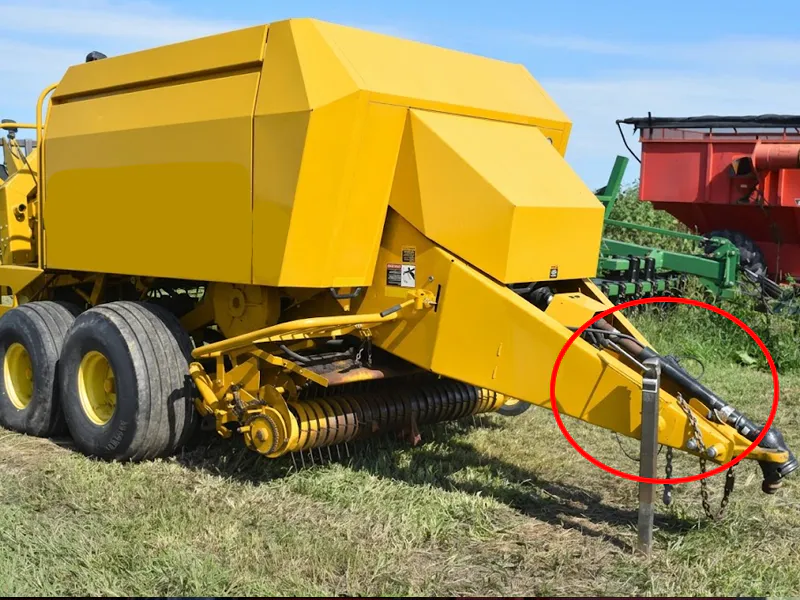
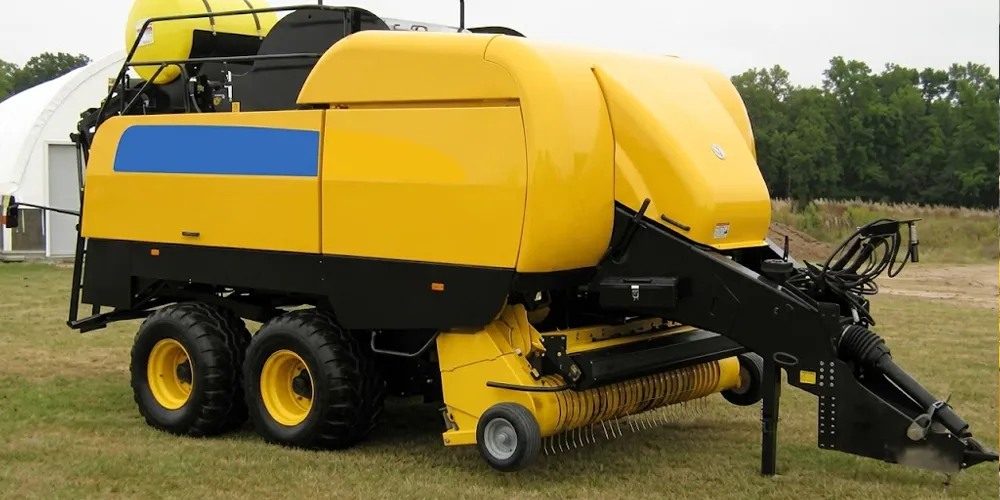
A Square Baler PTO Shaft is a chain of rotating and articulating components, so vibration can begin at several interfaces. The tractor-side yoke engages the PTO stub and transfers torque into a universal joint or constant-velocity assembly. Cross journals rotate inside bearing caps while the yokes move through an angle, and telescoping steel profiles carry torque while changing length as the tractor and baler move relative to each other. At the implement end, another joint connects the Square Baler PTO Shaft to the baler input, often through a clutch or other overload device. Safety guards surround the rotating assembly but should not rotate with the driveline. Any looseness, misalignment, imbalance, binding, or wear along this path can change the way the shaft runs. Universal-joint wear commonly begins as clearance inside a cross-and-bearing kit, while spline wear allows the yoke to move against the PTO stub. A bent profile can make the Square Baler PTO Shaft orbit even when the joints are still tight. Incorrect phasing creates cyclic speed variation between conventional universal joints. Understanding this structure prevents the common mistake of replacing a cross kit when the actual source is shaft geometry or another component farther along the driveline.
Material System and the Surfaces That Wear First
Universal-joint durability depends on a material system designed for repeated contact stress rather than simple static strength. Yokes in a Square Baler PTO Shaft use strong steel sections because the ears around the bearing caps carry torsion and alternating bending. The cross journals and bearing races require hardened, accurately finished surfaces so needle rollers can carry high localized loads with a thin film of grease between moving surfaces. Telescoping profiles use steel shapes with controlled fit because they must transfer torque without excessive rotational play while still sliding axially. Spline interfaces also depend on close contact; movement between worn spline teeth can produce fretting debris and a vibration that may be mistaken for a failing universal joint. Guard components are normally polymer because they provide separation from the rotating Square Baler PTO Shaft rather than transmit torque. Material quality matters, but lubrication and alignment determine whether those materials operate as designed. A high-quality cross can still develop brinelling, dry spots, or looseness if grease does not reach the bearing rollers. Repeated high-angle operation increases bearing motion, while contamination can damage seals and reduce lubricant life. When predicting wear, inspect the condition of the contact surfaces rather than judging the Square Baler PTO Shaft only by external appearance.
Reading Vibration Patterns Before the Joint Fails
The pattern of vibration often provides more useful information than vibration alone. A Square Baler PTO Shaft that runs smoothly when tractor and baler are straight but vibrates strongly on turns should be checked for joint angle, CV condition, phasing, and hitch geometry. Vibration that increases steadily with PTO speed can point toward imbalance, bent profiles, loose splines, or a universal joint with growing clearance. A repeating knock that follows shaft rotation may indicate one bearing cap is worn or a yoke is moving on its spline. Heat around one cross-and-bearing kit after a short working period can suggest poor lubrication, internal damage, or abnormal angle. Rust-colored dust near a bearing cap or spline is another useful clue because fretting often develops where surfaces are moving under load. A Square Baler PTO Shaft that suddenly begins vibrating after a blockage should also be checked for a twisted or bent profile, not only for joint wear. The table below is a diagnostic starting point. It does not replace hands-on inspection, because baler flywheel imbalance, gearbox bearings, damaged guards, and other rotating parts can transmit vibration into the Square Baler PTO Shaft and make the apparent source difficult to identify from the tractor seat.
| Vibration Pattern | Possible Cause | First Inspection |
|---|---|---|
| Mostly during turns | High joint angle or CV wear | Joint angle, CV movement, hitch geometry |
| Increases with PTO speed | Imbalance, bent profile, joint clearance | Straightness, cross play, guard contact |
| Rhythmic knock | Bearing or spline movement | Bearing caps, yokes, PTO spline fit |
| Heat at one joint | Lubrication loss or binding | Grease flow, seal condition, articulation |
A Practical Universal-Joint Wear Inspection
Inspection should begin with the tractor shut down, the key removed, the baler secured, and every rotating component fully stopped. Clean the Square Baler PTO Shaft so grease leakage, rust, cracks, and contact marks are visible. Support the shaft and check each cross-and-bearing assembly for radial or rotational play by moving the yokes against each other. The joint should articulate smoothly without a notch, tight spot, grinding sensation, or loose bearing cap. Look closely at the seals around each cap. Dry seals, displaced seals, reddish dust, or grease contaminated with dirt can indicate developing bearing trouble. Grease the joint using the specified service method and confirm that lubricant can reach the bearing locations; forcing grease into a damaged or blocked joint does not restore worn surfaces. Check the yoke ears for spreading or cracks because an old bearing failure can damage the yoke as well as the cross kit. Inspect the Square Baler PTO Shaft profiles for straightness and rotational play, then check the tractor and implement splines. If the joint feels tight rather than loose, do not assume it is healthy. Needle rollers can brinell or corrode and create stiffness before obvious free play develops. A stiff joint under working angle can generate vibration, heat, and accelerated wear even when the Square Baler PTO Shaft appears tight during a casual inspection.
Phasing, Operating Angle, and Lubrication Can Mimic Wear
Not every vibrating Square Baler PTO Shaft needs a new universal joint. Conventional Cardan joints create angular-velocity variation when they operate at an angle, and a correctly phased two-joint driveline is arranged so those variations are controlled by the second joint. If telescoping halves are reassembled out of phase after service, the Square Baler PTO Shaft can vibrate even with new cross kits. Excessive or unequal joint angles create a similar problem, especially during headland turns. Constant-velocity assemblies reduce this effect in applications designed for wider articulation, but CV joints still require correct lubrication and cannot be operated beyond their intended geometry. Grease condition should therefore be checked before predicting remaining joint life. PTO driveline manufacturers publish specific lubrication instructions and troubleshooting guidance for cross-and-bearing kits because insufficient grease can rapidly damage rollers and bearing races. Use the interval specified for the installed shaft rather than assuming all PTO driveshafts share one schedule. If vibration disappears after correcting phasing or hitch geometry, replacing the universal joint may not be necessary. If a correctly phased, correctly aligned, well-lubricated Square Baler PTO Shaft still has measurable joint play, rough articulation, abnormal heat, or recurring noise, component wear becomes a much stronger diagnosis.
Product References for High-Load Square Baler Drivelines
The permitted product pages show why universal-joint diagnosis should be tied to the actual Square Baler PTO Shaft configuration. The เพลา EP-PTO สำหรับเครื่องอัดฟางทรงสี่เหลี่ยม New Holland BigBaler รุ่น 330 และ 340 is listed as a CAT5 driveline family in 540 rpm and 1000 rpm configurations, using a double-cross-joint and telescoping arrangement intended for large-baler shock loads and changing working length. The EP-Square Baler PTO Shaft for John Deere range includes CAT5 and CAT6 configurations and tractor-side CV assemblies for applications where operating angle changes significantly during field manoeuvres. These differences matter during diagnosis. A CV-equipped Square Baler PTO Shaft should not be judged exactly like a conventional two-joint assembly, and CAT5/CAT6 components should not be mixed because the bearing dimensions, yokes, and profiles belong to a defined series. Before ordering a cross kit or complete Square Baler PTO Shaft replacement, identify the shaft series, PTO speed, spline, CV arrangement, and joint dimensions. Replacing only the visibly loose joint without confirming the surrounding configuration can leave an angle, phasing, or fit problem unresolved.
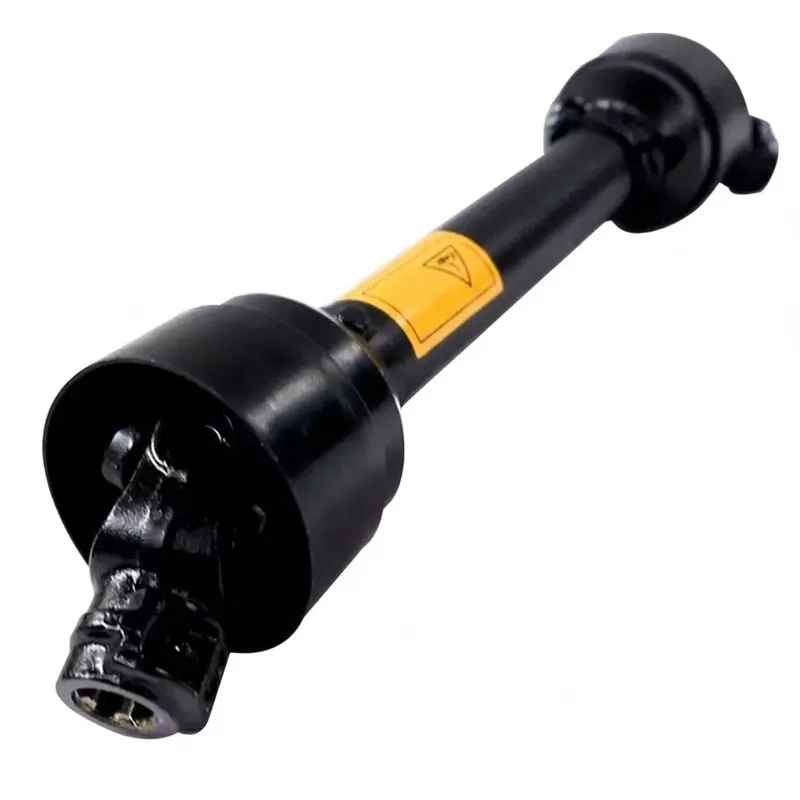
New Holland BigBaler 330 & 340CAT5 Square Baler PTO Shaft reference with 540 and 1000 rpm configurations. |
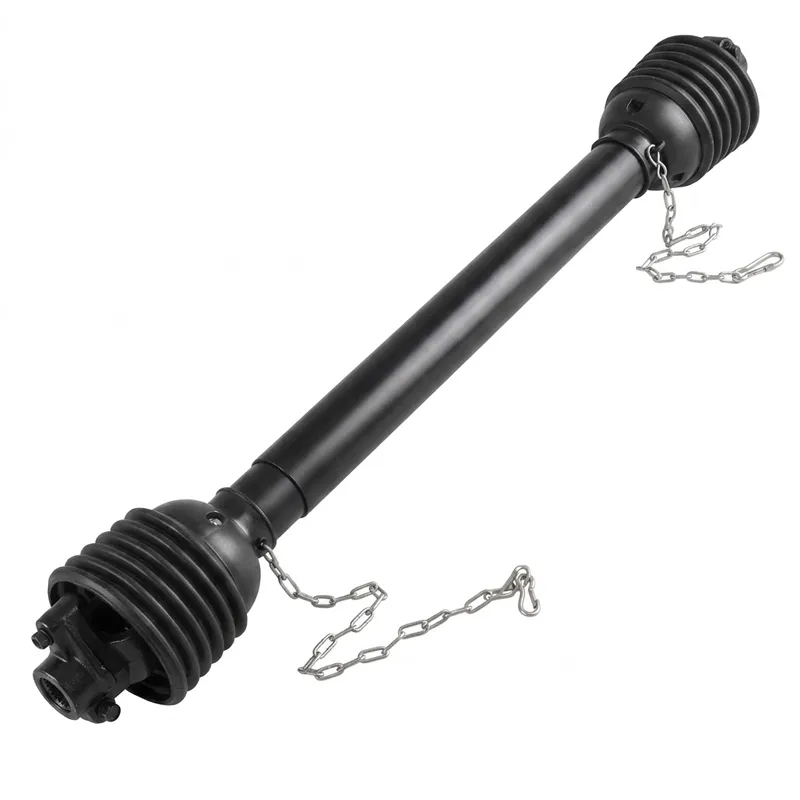
John Deere Square Baler RangeCAT5 and CAT6 Square Baler PTO Shaft configurations include tractor-side CV arrangements. |
Manufacturing and Driveline Support
Our production scope covers agricultural gearboxes, worm gear reducers, planetary gear drives, PTO driveline assemblies, hydraulic cylinders, gears, chains, motors, and related transmission parts. Manufacturing is managed under an ISO 9001:2015 quality system with machining, assembly, and inspection controls. Gearbox housings and structural components can use ductile iron, cast iron, cast steel, precision cast steel, and cast aluminum according to design requirements. Machining capabilities also cover gears, sprockets, worm gears, pulleys, worms, shafts, and standard or non-standard mechanical components. This broader transmission background is relevant when Square Baler PTO Shaft vibration cannot be traced to the cross kit alone. Worn gearbox input bearings, flywheel imbalance, damaged splines, altered hitch geometry, or a loose mounting component can transmit vibration into the Square Baler PTO Shaft and make a healthy joint appear suspect. A useful diagnostic process therefore follows the complete power path instead of stopping at the first moving part. If universal-joint wear is confirmed, inspect the mating yokes and nearby interfaces before replacing the cross. If no wear is found, continue checking the Square Baler PTO Shaft alignment, telescoping section, baler input, and connected rotating components. This approach reduces repeat repairs and helps preserve the service life of the replacement driveline.
Related Driveline Products
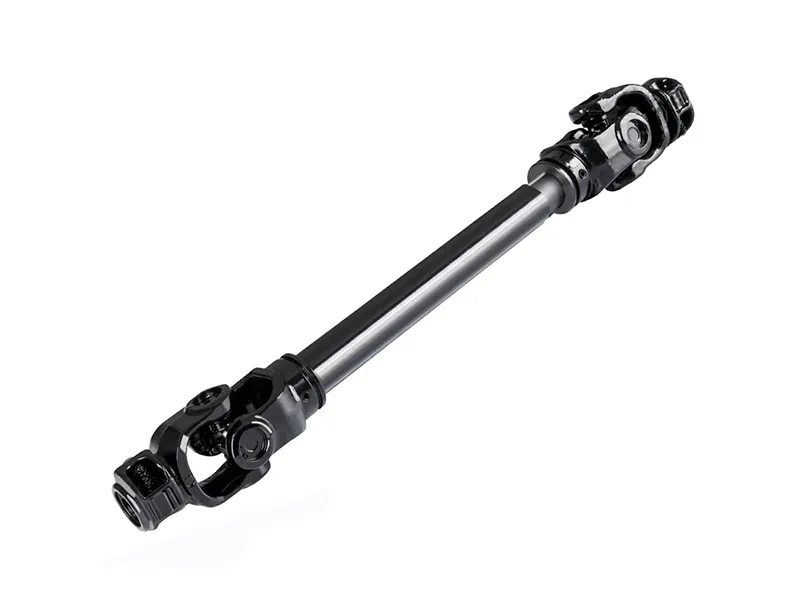
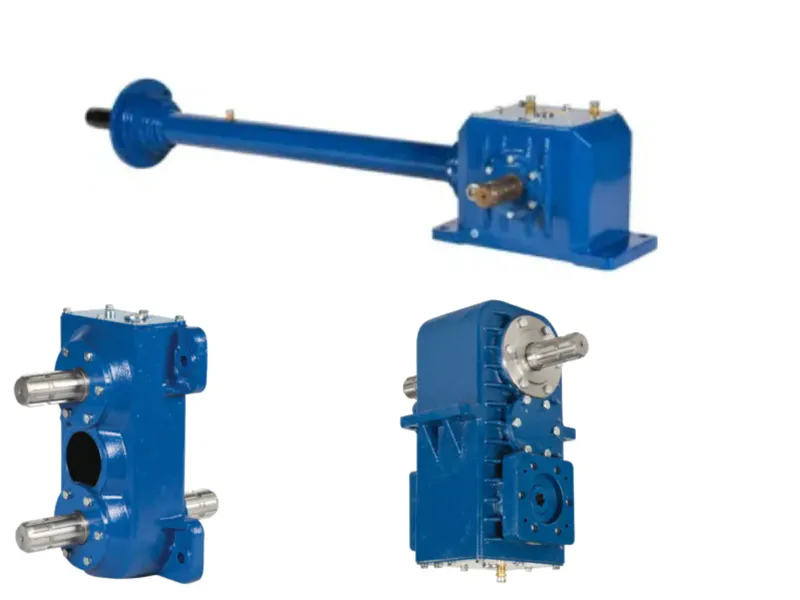
A vibration diagnosis should include the components connected to the Square Baler PTO Shaft. A เพลาขับ PTO อเนกประสงค์ can support other agricultural equipment when series, spline, joint dimensions, length, and guarding match the implement. On the baler side, a compatible Square Baler Gearbox should be inspected if vibration is accompanied by input play, heat, oil leakage, or rough rotation. Worm gearbox ranges are also available for other transmission duties. Coordinated sourcing can be helpful when joint wear has damaged more than one interface, because fitting a new Square Baler PTO Shaft cross kit against a loose yoke or worn gearbox spline will not restore a stable driveline. The same applies when the shaft has been running with an incorrect working angle or altered drawbar geometry. Record the confirmed Square Baler PTO Shaft series, joint size, tractor spline, PTO speed, working length, and gearbox connection so later service does not depend on visual comparison. A documented system makes it easier to distinguish normal baler pulsation from new vibration and to recognize universal-joint wear before it becomes a larger mechanical failure.
เพลาขับ PTO อเนกประสงค์
|
Square Baler Gearbox
|
บรรณาธิการ: PXY