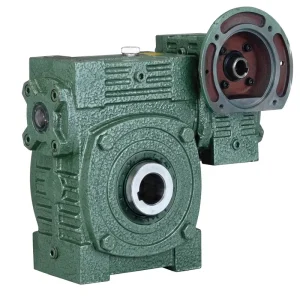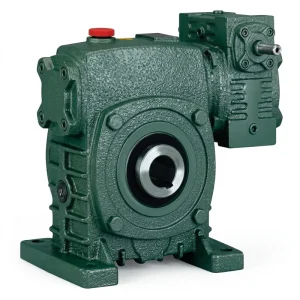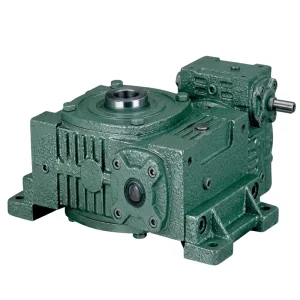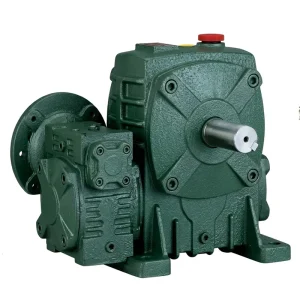
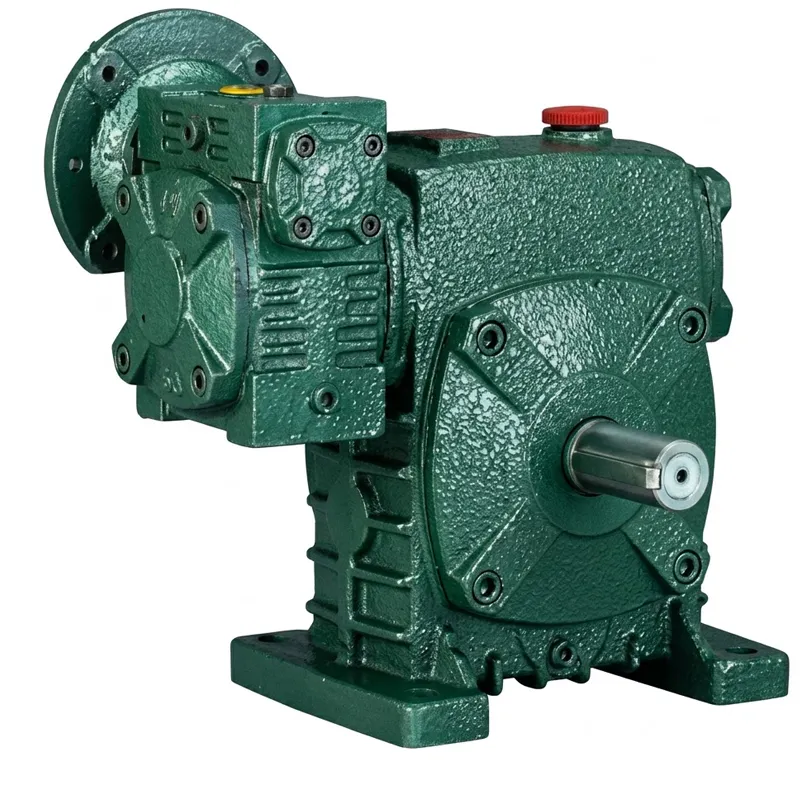
EP-WPEDS Doppel-Geschwindigkeitsreduzierer
Das EP-WPEDS ist ein kompaktes, fußmontiertes Zweigang-Untersetzungsgetriebe mit Schneckenradgetriebe. Es deckt Eingangsleistungen von 0,12 kW bis 5,5 kW und Gerätegewichte von 19 kg bis 470 kg ab und ist darauf ausgelegt, hohe Motordrehzahlen in präzise geregelte, hohe Drehmomente umzuwandeln, ohne dabei die mechanische Zuverlässigkeit über lange Betriebszyklen zu beeinträchtigen. Ob Sie das Getriebe in eine Förderanlage, ein Verpackungssystem oder schwere Landmaschinen integrieren – die Geometrie des WPEDS gewährleistet sanftes Einkuppeln, geringe Vibrationen und ein vorhersehbares thermisches Verhalten über den gesamten Lastbereich.
EP-WPEDS-Serie
EP-WPEDS Doppel-Geschwindigkeitsreduzierer
Präzisionsantrieb mit einstufigem Schneckengetriebe · 19–470 kg · Weltweiter Industriebedarf
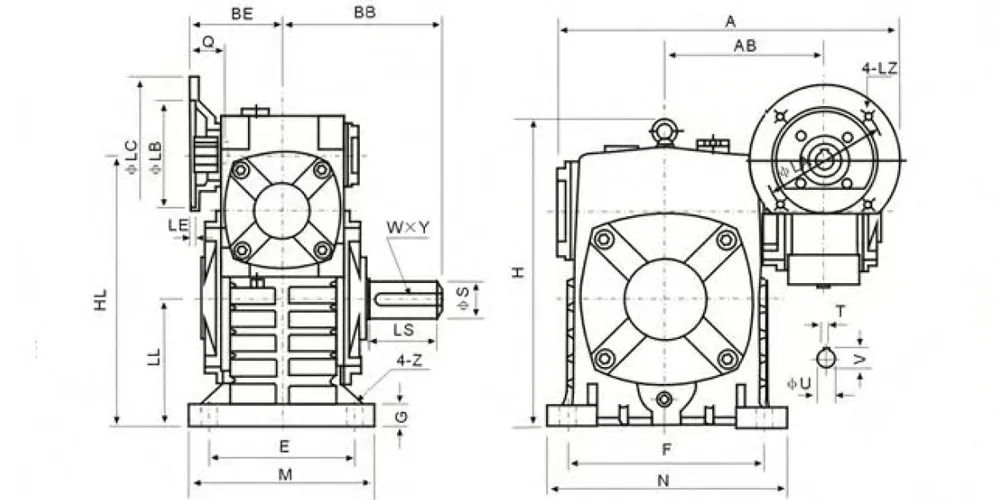
Technische Daten – EP-WPEDS Doppeldrehzahl-Getriebeserie
Die Maßangaben stammen aus der Standardproduktzeichnung. Alle Längenangaben in mm, sofern nicht anders angegeben. Auf Mobilgeräten horizontal scrollen, um alle Spalten anzuzeigen.
| Doppel-Geschwindigkeitsreduzierer
Größe |
Eingangsleistung (kW) | Verhältnisbereich | A (mm) | AB (mm) | BB (mm) | HL (mm) | Hmm) | M (mm) | N (mm) | Abtriebswelle B×Y | Gewicht (kg) |
|---|---|---|---|---|---|---|---|---|---|---|---|
| 40–70 | 0.12 | 1/200–1/900 | 314 | 153 | 131 | 215 | 238 | 150 | 190 | 7×4 | 19 |
| 50–80 | 0.18 | 1/200–1/900 | 314 | 144 | 142 | 250 | 273 | 170 | 220 | 10×4,5 | 27 |
| 60–100 | 0.37 | 1/200–1/900 | 387 | 175 | 169 | 310 | 334 | 190 | 270 | 10×4,5 | 45 |
| 70–120 | 0.37 / 0.75 | 1/200–1/900 | 425 / 445 | 193 | 190 | 370 | 423 | 230 | 320 | 12×5 | 75 |
| 80–135 | 0.75 / 1.5 | 1/200–1/900 | 499 | 226 | 210 | 430 | 482 | 250 | 350 | 16×6 | 103 |
| 100–155 | 1.5 | 1/200–1/900 | 570 | 269 | 252 | 490 | 541 | 275 | 390 | 18×7 | 147 |
| 120–175 | 2.2 / 3.0 | 1/200–1/900 | 631 | 287 | 255 | 555 | 600 | 310 | 430 | 18×7 | 204 |
| 135–200 | 3.0 / 4.0 | 1/200–1/900 | 580 | 318 | 319 | 625 | 677 | 360 | 480 | 20×7,5 | 298 |
| 155–250 | 5.5 | 1/200–1/900 | 915 | 380 | 385 | 755 | 824 | 460 | 560 | 25×9 | 470 |
Hinweis: Die angegebenen Maße dienen nur als Referenz. Bitte bestätigen Sie die endgültigen Maßzeichnungen vor der mechanischen Integration mit dem technischen Team. Schraubenmuster des Motorflansches: M8–M12, abhängig von der Größe; siehe Flanschzeichnung für die Werte LA, LB, LC und LE.
Fünf Kernvorteile des EP-WPEDS Doppeldrehzahl-Untersetzungsgetriebes
① Breites Seitenverhältnis
Untersetzungsverhältnisse von 1/200 bis 1/900 in einer einzigen, standardisierten Gehäusereihe ermöglichen eine präzise Drehzahl-Drehmoment-Anpassung für Anwendungen in den Bereichen Verpackung, Lebensmittelverarbeitung und Materialhandhabung ohne kundenspezifische Getriebe.
② Mehrdirektionaler Wellenausgang
Fünf Wellenausrichtungskonfigurationen (A–E) machen zusätzliche Kegelstufen oder Montageadapter in den meisten Installationen überflüssig und sorgen für einen kürzeren, leichteren und kostengünstigeren Antriebsstrang auf Systemebene.
③ ISO 9001:2015 Fertigungsqualität
Jede WPEDS-Einheit wird unter einem zertifizierten Qualitätsmanagementsystem gefertigt. Die Maßtoleranzen an Schneckenwelle, Radbohrung und Flanschbolzenmuster entsprechen der Präzisionsklasse 6 und gewährleisten so die weltweite Austauschbarkeit mit OEM- und Ersatzspezifikationen für zweistufige Schneckengetriebe.
④ Geräuscharmer, vibrationsarmer Antrieb
Das gefräste Bronzeschneckenrad kämmt mit einer polierten Schnecke aus legiertem Stahl in einem für geräuscharmen Eingriff optimierten Steigungswinkel. Im Vergleich zu Stirn- oder Kegelradgetrieben mit vergleichbaren Untersetzungsverhältnissen dämpft das Schneckenpaar die Vibrationsübertragung von Natur aus, wodurch sich das WPEDS ideal für geräuschempfindliche Umgebungen wie Lebensmittelproduktionshallen und Logistikzentren eignet.
⑤ Selbstverriegelungsfähigkeit bei hohen Übersetzungsverhältnissen
Bei Untersetzungsverhältnissen über 1/300 bietet die Schneckengeometrie einen inhärenten Rücklaufwiderstand – eine Sicherheitseigenschaft, die den Einsatz externer Bremsvorrichtungen an vertikalen Förderbändern und Hubtischen überflüssig macht und somit die Gesamtzahl der Systemkomponenten und die damit verbundenen Wartungsintervalle reduziert.
Funktionsweise des zweistufigen Untersetzungsgetriebes
Das EP-WPEDS-Doppeldrehzahl-Untersetzungsgetriebe arbeitet nach dem bewährten Prinzip der Schneckenrad-Kraftübertragung. Eine motorgetriebene Schneckenwelle – eine gehärtete, präzisionsgeschliffene Gewindespindel – kämmt im 90°-Winkel mit einem größeren Bronzeschneckenrad auf der Abtriebswelle. Während sich die Schnecke dreht, greifen die Gewindegänge sukzessive in die Zähne des Schneckenrads ein und wandeln so die hohe Drehzahl in ein niedriges Drehmoment in einem einzigen mechanischen Schritt um. Die Geometrie der Gewindegänge bestimmt das Übersetzungsverhältnis: Eine eingängige Schnecke, die 200 Umdrehungen macht, treibt das Schneckenrad mit einem Übersetzungsverhältnis von 1/200 genau eine volle Umdrehung an, während mehrgängige Schnecken im unteren Bereich des Übersetzungsverhältnisses ebenfalls eine erhebliche Drehmomentverstärkung bei kompakter Bauweise erzielen.
Dieser Gleitkontaktmechanismus unterscheidet das Doppelschneckengetriebe grundlegend von Evolventengetrieben. Die schräge Kontaktlinie verteilt die Last in jedem Moment über eine größere Zahnflankenfläche, wodurch die Hertzsche Kontaktspannung gestreut und die Lebensdauer verlängert wird. Die Ölbadschmierung, die über den integrierten Ölbehälter im unteren Gehäusesumpf zugeführt wird, benetzt die Kontaktzone kontinuierlich, reguliert die Temperatur und spült Verschleißpartikel aus dem Eingriffsbereich.
Die Eingangswelle ist auf zwei vorgespannten Kegelrollenlagern gelagert, um axiales Spiel zu eliminieren, während die Ausgangswelle auf Rillenkugellagern läuft, die für kombinierte Radial- und Axialbelastung ausgelegt sind. Diese Lageranordnung gewährleistet einen konstanten Achsabstand zwischen Schnecke und Rad unter wechselnden Lasten, wodurch die Toleranzen für das Zahnflankenspiel über die gesamte Lebensdauer des Getriebes eingehalten und eine wiederholgenaue Positioniergenauigkeit in Indexieranwendungen sichergestellt werden.
Materialien und Konstruktion des Doppeldrehzahl-Untersetzungsgetriebes
Das Außengehäuse jeder WPEDS-Einheit wird aus Grauguss der Güteklasse HT250 gegossen. Dieser Werkstoff wurde speziell aufgrund seiner hervorragenden Schwingungsdämpfung, guten Bearbeitbarkeit und bewährten Korrosionsbeständigkeit in Kombination mit Standard-Oberflächengrundierungen ausgewählt. Für Anwendungen, die eine höhere strukturelle Steifigkeit unter dynamischer Stoßbelastung erfordern – wie beispielsweise Schwerlast-Schneckengetriebe in Steinbrüchen oder Recyclinganlagen – ist das Gehäuse alternativ aus duktilem Gusseisen EN-GJS-500-7 erhältlich. Dieses Material bietet eine deutlich höhere Schlagzähigkeit ohne nennenswerte Gewichtszunahme.
Die Schneckenwelle wird aus niedriglegiertem 20CrMnTi-Einsatzstahl gefertigt und an den Zahnflanken auf 58–62 HRC einsatzgehärtet, während der Kern zäh und duktil bleibt. Nach dem Einsatzhärten und Abschrecken wird das Schneckenprofil auf einer CNC-Drillschleifmaschine präzisionsgeschliffen und entspricht der Genauigkeitsklasse DIN 3974. Die so erzielte Oberflächenrauheit Ra ≤ 0,8 µm gewährleistet die hydrodynamische Ölfilmablösung bei Betriebsdrehzahlen.
Das passende Schneckenrad wird aus zentrifugalgegossener Phosphorbronze-Legierung CuSn12 gefertigt. Dieser Werkstoff hat sich im Konstruktionsbau von Schneckengetrieben mit hohem Drehmoment aufgrund seiner hervorragenden Verträglichkeit mit gehärtetem Stahl, seiner natürlichen Anti-Seize-Eigenschaften beim Anlauf und seiner Beständigkeit gegen Mikropitting-Ermüdung seit Langem bewährt. Die Radrohlinge werden vorgebohrt, auf eine präzisionsgefertigte Stahlnabe gepresst und anschließend als Einheit gewälzt, um die Rundlaufgenauigkeit zwischen Bohrung und Zahnkranz zu gewährleisten. Dadurch werden Rundlauffehler vermieden, die bei der separaten Bearbeitung von Rad und Nabe vor der Montage auftreten können.
Anwendungsszenarien für doppelte Drehzahlreduziergetriebe
Das Doppeldrehzahl-Untersetzungsgetriebe EP-WPEDS kommt überall dort zum Einsatz, wo eine zuverlässige und kompakte Drehmomentverstärkung in anspruchsvollen Betriebszyklen erforderlich ist. Im Folgenden sind die wichtigsten Anwendungsbereiche aufgeführt, in denen dieses Schneckengetriebe Alternativen durchweg übertrifft.
Förderanlagen und Materialhandhabung
Bandförderer, Lamellenkettenförderer und Schneckenförderer in Lagerhallen, Bergwerken und Hafenterminals benötigen ein gleichbleibendes Drehmoment bei niedrigen Drehzahlen. Das WPEDS-Doppeldrehzahlgetriebe bewältigt den Dauerbetrieb über verschiedene Schichtmuster hinweg mit stabiler thermischer Leistung dank seines großzügig dimensionierten Ölsumpfs und des Kühlrippengehäuses, das die natürliche Konvektionskühlung fördert.
Landwirtschaftliche Maschinen
Förderschnecken, Getreidesilos, Düngerstreuerantriebe und Bewässerungsanlagen in Australien, Kanada, Brasilien und den Niederlanden setzen auf Schneckengetriebe, die auch unter rauen und feuchten Bedingungen zuverlässig funktionieren. Das abgedichtete Gehäuse und die robusten Wellen mit Lippendichtung des WPEDS-Doppeldrehzahlgetriebes schützen vor Verunreinigungen, selbst im Feldeinsatz.
Verpackung und Lebensmittelverarbeitung
Abfüllanlagen, Etikettierstationen und Drehteller in Lebensmittel- und Getränkeanlagen erfordern präzise, reproduzierbare Ausgabegeschwindigkeiten mit minimalem Spiel. Bei Untersetzungsverhältnissen über 1/400 liefert das WPEDS die hohe Drehmomentleistung eines Doppeldrehzahl-Untersetzungsgetriebes, die für das Halten der Position ohne Bremsmotoreingriff erforderlich ist und somit hygienische Anlagenkonstruktionen unterstützt.
Hebe- und Positionierungsgeräte
Scherenhubtische, Säulenhubtische und industrielle Bühnenplattformen profitieren direkt von der Selbsthemmungseigenschaft von Schneckengetrieben mit hoher Übersetzung. Das WPEDS-Doppelganggetriebe hält die Lastposition bei Stromausfall und erfüllt somit die Sicherheitsanforderungen in Großbritannien, Südkorea, Kolumbien und anderen Märkten ohne externe Ratschenmechanismen.
Bau- und Gebäudedienstleistungen
Antriebe für Betonmischer, Schieber für Trichter und Klappenantriebe in HLK-Systemen sind Beispiele für Anwendungen, bei denen die kompakte 90-Grad-Antriebskonfiguration des Premium-Schneckengetriebes die Installation in beengten Gerätegehäusen vereinfacht und somit den Entwicklungsaufwand in der Konstruktionsphase der Maschine reduziert.
Erneuerbare Energien & Versorgungsunternehmen
Solartracker-Antriebe, kleine Wasserkraftwerks-Schleusentore und Siebantriebe für Abwasserbehandlungsanlagen in Europa und im asiatisch-pazifischen Raum nutzen den dem Schneckengetriebe inhärenten Rücklaufwiderstand als passiven Haltemechanismus. Dadurch wird der Bedarf an elektrischem Haltemoment am Motor reduziert und die Gesamtenergieeffizienz auf Systemebene gesteigert.
Über den Hersteller des Doppeldrehzahl-Untersetzungsgetriebes
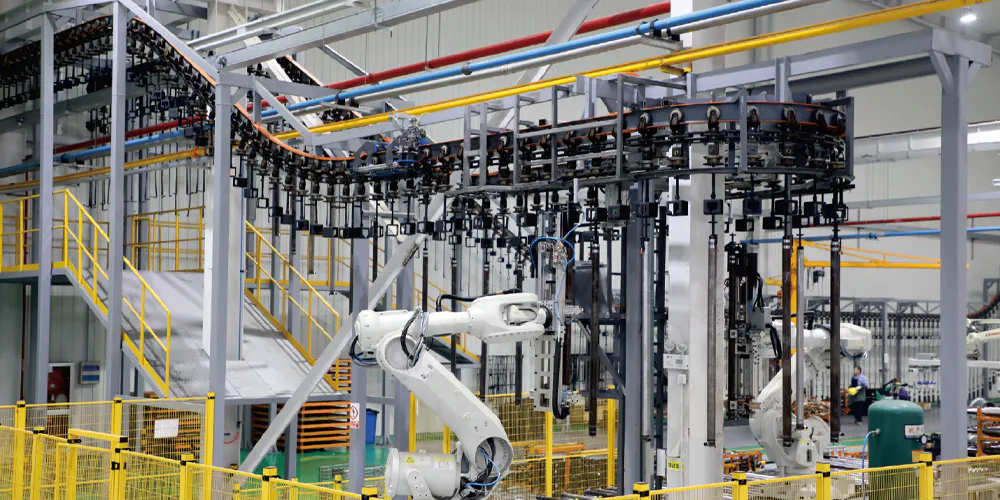
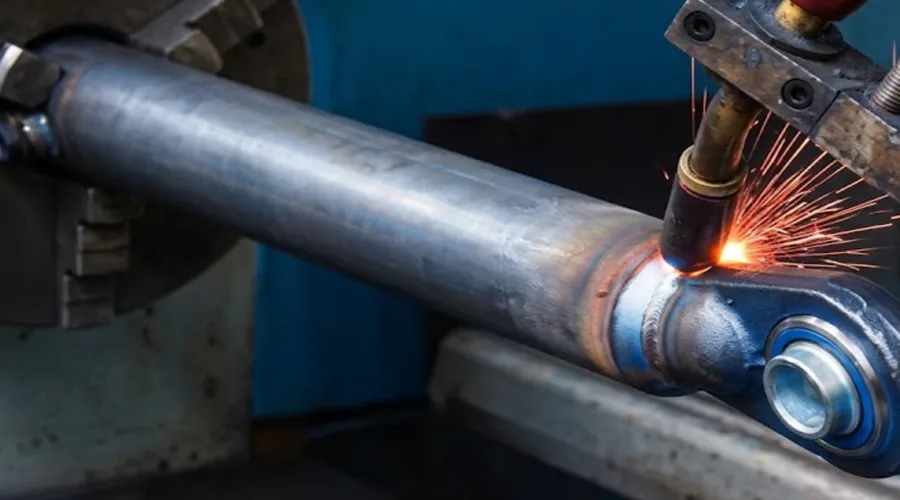
Mit über zehn Jahren Erfahrung in der industriellen Kraftübertragung haben wir unsere Fertigungsprozesse auf ein einziges Ziel ausgerichtet: die Entwicklung von mechanischen Antrieben, die im realen Einsatz zuverlässig funktionieren – nicht nur auf dem Prüfstand. Unser Ingenieurteam verfügt über umfassende praktische Erfahrung mit Schneckengetrieben, Planetengetrieben, Landwirtschaftsgetrieben, Zapfwellen, Hydraulikzylindern, Motoren, Ketten und Präzisionszahnradkomponenten. Dadurch sind wir Ihr Komplettanbieter für komplexe Antriebsstränge und nicht nur ein einfacher Teilelieferant.
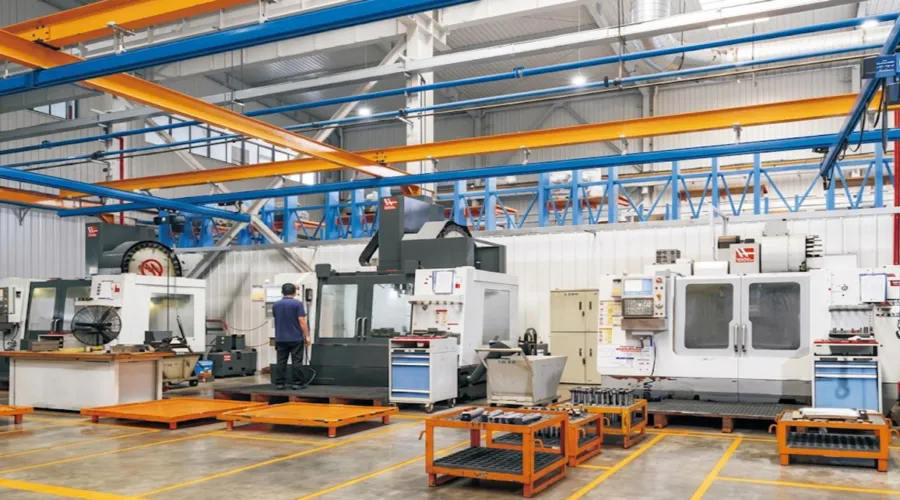
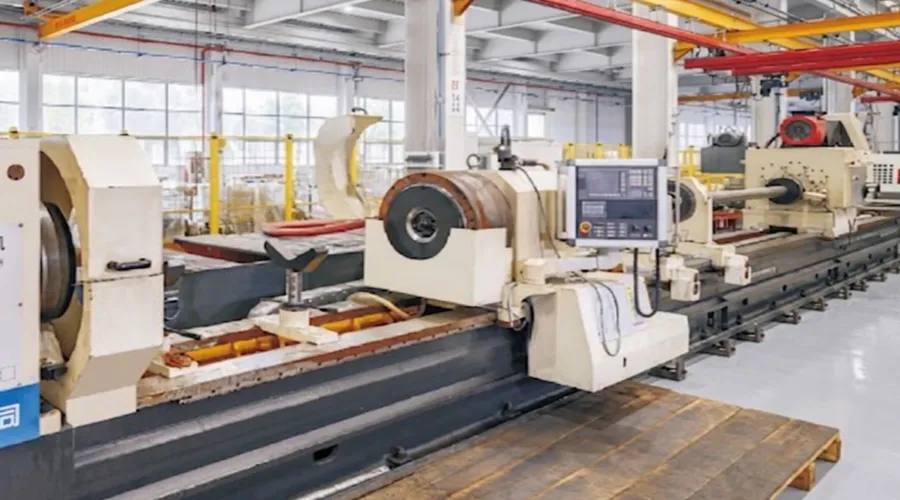
Unsere Produktionsstätte ist nach ISO 9001:2015 zertifiziert und deckt den gesamten Fertigungszyklus ab – vom Rohguss und Schmieden über CNC-Bearbeitung, Wärmebehandlung, Präzisionsschleifen und Montage bis hin zur Endkontrolle. Die Gussteile werden im eigenen Haus aus Sphäroguss, Grauguss, Stahlguss, Feingussstahl und Aluminiumguss gemäß den jeweiligen Teileanforderungen hergestellt. Fertige Zahnräder, Schneckenräder, Kettenräder, Riemenscheiben und Schneckenwellen werden auf speziellen CNC-Wälzfräs- und Schleifzentren nach DIN- oder AGMA-Genauigkeitsklassen bearbeitet.
Werkstatt
Verwandte Produkte & Systemkompatibilität
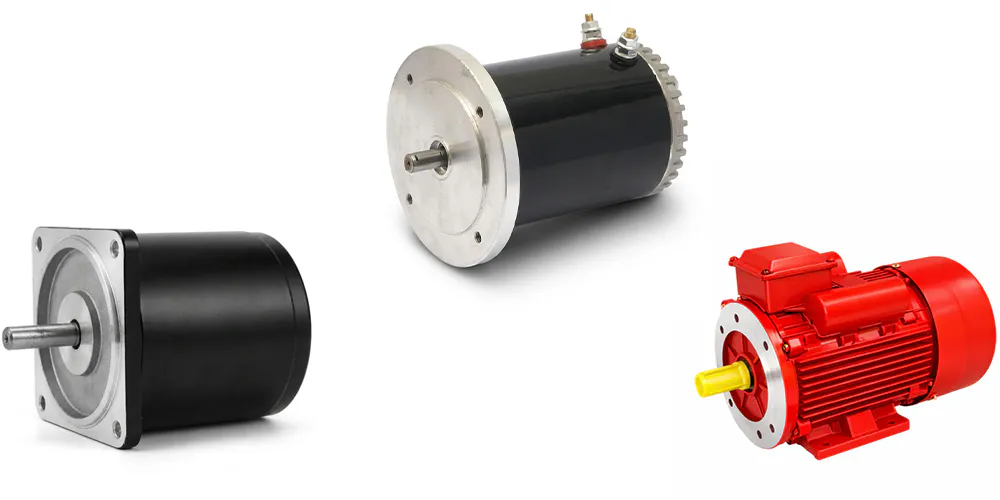
Das EP-WPEDS-Doppeldrehzahlgetriebe ist für die Aufnahme von Standard-IEC-Motorflanschen in allen Größenvarianten ausgelegt. Dadurch ist die direkte Kopplung an unsere Elektromotoren unkompliziert und Adapter oder Sonderanfertigungen sind nicht erforderlich. Ob Sie einen Schneckengetriebemotor für Einphasen- oder Dreiphasenstrom benötigen – unser technisches Team ermittelt vor Ihrer Bestellung die passende Motorbaugröße und den passenden Wellendurchmesser für Ihre Anwendung. Dies verkürzt die Lieferzeit und minimiert das Inbetriebnahmerisiko.
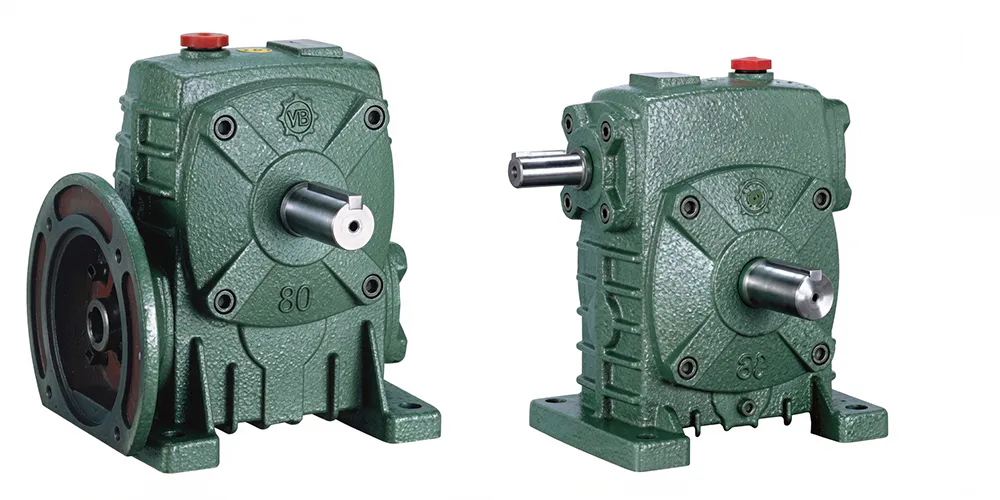
Schneckengetriebe Serie
Für Projekte, die ein anderes Gehäuse, ein anderes Übersetzungsverhältnis oder eine andere Montagekonfiguration erfordern, umfasst unser komplettes Schneckengetriebe-Portfolio neben der WPEDS-Serie auch die Varianten NMRV, WP, WPS und WPEX. Die Beschaffung des Zweiganggetriebes zusammen mit ergänzenden Einheiten von einem einzigen Lieferanten vereinfacht die Beschaffung, gewährleistet die Maßgenauigkeit in einer Mehrachsenmaschine und bietet einen zentralen Ansprechpartner für technische Fragen – ein klarer Vorteil für OEM-Integratoren und Käufer von Zweigang-Schneckengetrieben im Wettbewerb um Aufträge.
Häufig gestellte Fragen
Frage 1: Welches Untersetzungsverhältnis sollte ich für eine Schwerlastförderanlage in einem australischen Bergwerk wählen, die eine sehr langsame und gleichmäßige Bewegung erfordert?
Bei sehr niedrigen Förderbandgeschwindigkeiten unter Dauerlast – typisch für australische Steinbrüche und die Mineralaufbereitung – sind Übersetzungsverhältnisse zwischen 1/600 und 1/900 beim Doppelganggetriebe EP-WPEDS im Allgemeinen geeignet. Bei diesen Übersetzungen bietet die Schneckenradgeometrie zudem einen inhärenten Rücklaufwiderstand, der ein Zurücklaufen des Förderbandes unter Last beim Abschalten des Motors verhindert.
Q2. Worin unterscheidet sich ein Doppelschneckengetriebe von einem einstufigen Schneckengetriebe, wenn ich einen Antrieb für eine Verpackungslinie in den Niederlanden oder Großbritannien auswähle?
Ein Doppelschneckengetriebe überträgt das Drehmoment über zwei aufeinanderfolgende Schneckenradpaare und erreicht so sehr hohe Gesamtübersetzungen (oft über 1/3600) bei gleichzeitig extrem niedriger Abtriebswellendrehzahl. Ein einstufiges Doppeldrehzahl-Untersetzungsgetriebe wie das WPEDS deckt typischerweise Übersetzungen bis zu 1/900 in einem Durchgang ab. Für die meisten Indexier- und Förderanwendungen in Verpackungslinien in den Niederlanden und Großbritannien, wo die Abtriebsdrehzahlen im Bereich von 5–60 U/min liegen, ist das einstufige WPEDS-Getriebe in der Regel die effizientere Wahl, da zweistufige Konstruktionen die Reibungsverluste erhöhen und die Gesamtwärmeentwicklung bei geringeren Wirkungsgraden steigern.
Frage 3: Welche Montagekonfiguration des Doppelganggetriebes der WPEDS-Serie ist am besten mit einer vertikalen Wellenabtriebsanordnung für einen Hubtisch kompatibel, der in der südkoreanischen Industrieautomation verwendet wird?
Die Wellenausrichtungskonfigurationen C und D des WPEDS-Doppeldrehzahlgetriebes sind für vertikale Abtriebswellen ausgelegt. Bei Hubtischanwendungen, bei denen die Abtriebswelle eine Gewindespindel oder ein Ritzel in vertikaler Achse antreibt – gängig in südkoreanischen Industrieautomatisierungs- und Präzisionspositionierzellen – bietet Konfiguration D einen nach unten gerichteten Abtrieb, wobei die Eingangswelle im 90°-Winkel zur Horizontalebene steht.
Frage 4: Was sind die Hauptnachteile von Schneckengetrieben und wie begegnet das Doppelganggetriebe EP-WPEDS diesen Nachteilen für industrielle Käufer in Brasilien und Kolumbien?
Die größte Einschränkung von Schneckengetrieben liegt in ihrem Wirkungsgrad: Der Gleitkontakt zwischen Schnecke und Rad erzeugt mehr Wärme pro übertragener Leistungseinheit als Wälzgetriebe, insbesondere bei niedrigen Übersetzungen und geringeren Lasten. Das WPEDS-Doppelgetriebe begegnet diesem Problem durch die Verwendung von Phosphorbronze als Radmaterial (wodurch der Reibungskoeffizient im Vergleich zu Standard-Zinnbronze reduziert wird), präzisionsgeschliffene Schneckenflanken zur Minimierung der Oberflächenrauheit und ein Ölbadschmiersystem mit großzügig dimensioniertem Ölsumpf.
Frage 5: Wann sollte ein Hersteller von Landmaschinen in Kanada oder Großbritannien eine OEM-Lieferantenbeziehung für zweistufige Schneckengetriebe eingehen, anstatt Standardgeräte zu kaufen?
Vereinbarungen mit OEM-Lieferanten für zweistufige Schneckengetriebe sind sinnvoll, wenn die jährlichen Stückzahlen etwa 200 Einheiten übersteigen und mindestens eine der folgenden Bedingungen zutrifft: Sie benötigen einen nicht standardmäßigen Wellendurchmesser oder eine nicht standardmäßige Keilnut, ein kundenspezifisches Motorflanschmuster, eine spezifische Farbcodierung (z. B. ein weißes oder blaues zweistufiges Schneckengetriebe, passend zur Lackierung der Geräte), modifizierte Gehäuseösen für die Sensormontage oder Dokumentationspakete, um spezifische Marktzertifizierungsanforderungen zu erfüllen.
Q6. Wie kann ich die korrekte Einbaulage des Schneckenrads und die Schritte der Erstschmierung überprüfen, wenn ich ein EP-WPEDS-Doppeldrehzahlgetriebe zum ersten Mal an einer neuen Maschine in Betrieb nehme?
Vor der Montage prüfen Sie, ob die Markierung der Wellenausrichtung (A bis E) mit der Montagezeichnung übereinstimmt. Ziehen Sie alle Befestigungsschrauben des Sockels gemäß den Angaben in der Montageanleitung mit dem vorgeschriebenen Drehmoment an und prüfen Sie, ob sich die Abtriebswelle vor dem Ankuppeln an die angetriebene Last frei von Hand drehen lässt. Verwenden Sie beim ersten Befüllen die für die Einbaulage geeignete Öleinfüllöffnung – das Gehäuse verfügt aus diesem Grund über mehrere Öffnungspositionen. Füllen Sie bis zur Mitte des Schauglases mit dem vorgeschriebenen Schmierstoff, lassen Sie das Gerät 30 Minuten lang im Leerlauf laufen und entleeren Sie es anschließend und befüllen Sie es erneut.
Herausgeber: PXY